
Review · DELPHI & THE ORACLE
4-Day Greece Highlights Tour: Epidaurus, Mycenae, Olympia, Delphi and Meteora
Four days, six ancient worlds, one busy bus. This 4-Day Greece Highlights Tour links UNESCO sites like Delphi, Olympia, and Mycenae with one of Greece’s most photogenic sights, the Meteora monasteries. I like that the itinerary is built around real storytelling, so the myths and history make sense fast, and I also like the value packaging, with hotels plus breakfasts and dinners. The one thing to plan for is the pace: you will do your share of walking and stairs, and bus time is part of the deal.
You start and end in Athens, and you get a professional guide on an air-conditioned coach. It’s designed for travelers who want big hits in a short window, without the stress of maps, timed entries, and figuring out transportation between sites. Group size stays capped at 42, and in practice it can feel tight or lively depending on how many people roll onto the bus after certain stops.
In This Review
- Key Things I’d Bet on Before You Go
- What You Really Get From This Tour: Big Ancient Highlights Without Athens Overload
- Day 1 in Peloponnese: Corinth Canal, Epidaurus Theatre, Mycenae, then Olympia
- Olympia, the Rion-Antirion Bridge, and the Road Toward Delphi
- Delphi at Sunrise Mode: Temple of Apollo, Museum Artifacts, then Kalambaka
- Meteora Monasteries and the Thermopylae Leonidas Stop
- Hotels and Half-Board Meals: Where the Price Feels Fair
- Your Best Practical Tips: Shoes, Dress Code, and How Much You’ll Walk
- Group Size, Comfort, and the Feel of a Shared Bus Ride
- Should You Book This Tour? A Clear Fit Check
- FAQ
- What does the tour include in the price?
- Are entrance fees included?
- What is not included?
- How much is the hotel accommodation tax?
- Is pickup available in Athens?
- Where does the tour start and end?
- What time does the tour start?
- What should I wear for Meteora monasteries?
- How long is the tour?
- What is the group size limit?
- Can I cancel and get a refund?
Key Things I’d Bet on Before You Go
- UNESCO front-row seats across Delphi, Olympia, and Mycenae, with guided context that makes the ruins feel readable.
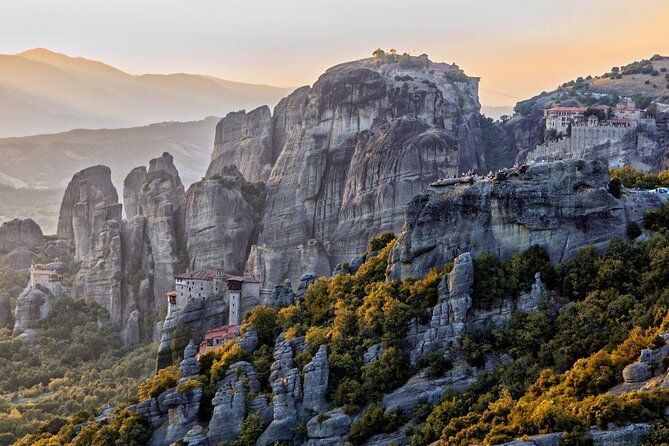
- Meteora views that look fake, plus time at the monasteries without needing to research routes.
- Included entry fees and hotel meals, so your budget stays steadier than most DIY plans.
- A real mix of famous and less-expected stops, from Epidaurus to the Corinth Canal quick break.
- Dress code and walking logistics are real, especially on Meteora days with stairs and uneven footing.
Other trips up the mountain to Delphi


What You Really Get From This Tour: Big Ancient Highlights Without Athens Overload
This is not a Greece-by-the-slow-train kind of trip. In four days, you move through the Peloponnese and then up into central Greece for Delphi and Meteora. The payoff is that you see multiple cultural “power centers” in one go, and the sites connect in theme, from myth and prophecy to sport, governance, and worship.
You are also getting a guide who helps you see what you’re looking at. At places like Epidaurus and Delphi, the guide makes a huge difference because the structures are old, but the stories are crisp. And at Olympia, it helps you understand how the sport and the sacred spaces worked together.
The tour’s biggest advantage is simple: it removes the mental workload. You get the transport, the timing, and the entrance fees. Your job is mainly to show up on time, wear good shoes, and be ready to climb.
Day 1 in Peloponnese: Corinth Canal, Epidaurus Theatre, Mycenae, then Olympia
Day 1 starts with a quick photo-and-stretch stop at the Corinth Canal. It’s brief, but it’s useful, because it breaks up the early Athens departure and gets you feeling like you’re already traveling through Greece, not just visiting it.
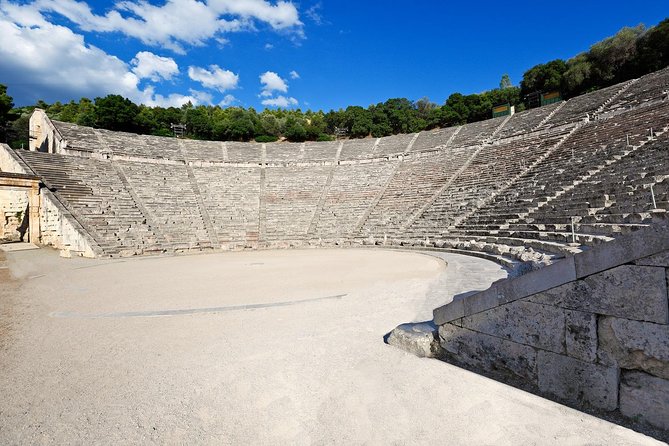
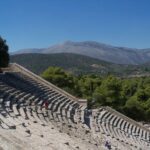
Next is Epidaurus, famous for its ancient theatre and its reputation for standout acoustics. You’ll get a guided visit (about an hour), which is the right amount of time for this stop. The theatre is the headline, but even if you only understand part of what you’re seeing, it’s the kind of place where the guide can turn ruins into a mental picture.
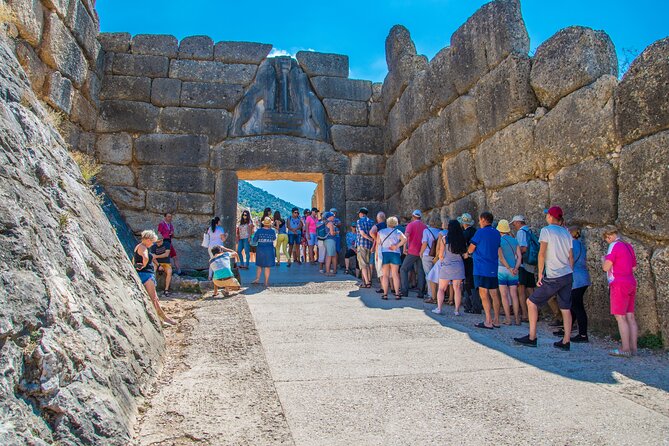
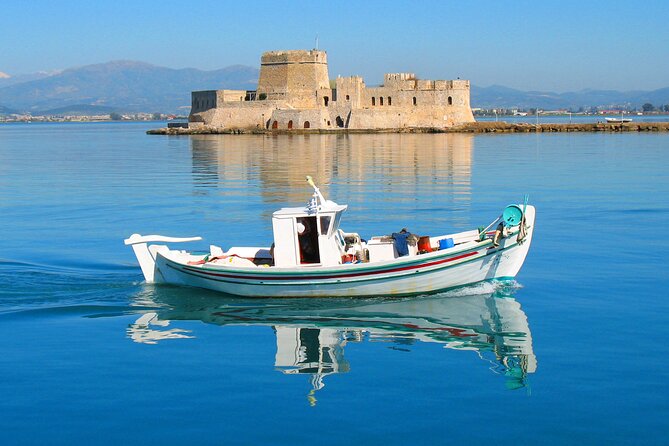
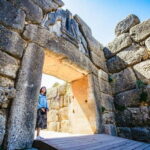
Then you head to Mycenae for the archaeological site, including the Tomb of Agamemnon. This is one of those days where the guide’s myth-and-history framing matters a lot, because Mycenae sits at the crossroads of legend and early Greek civilization. You also pass through the region toward Nafplia for a short stop, which is handy if you want quick souvenirs without losing a half day.
Finally, you continue to Olympia for the night. That last leg is part of the “shortcut” feel of the tour. You do a lot in one day, but you also avoid the hassle of trying to piece together overnight stays and driving yourself.
Day 1 drawback to plan for: it’s a full schedule, so if you hate walking on uneven ground, pace yourself early. Also, the theatre and the archaeological sites involve steps and natural surfaces, not smooth museum floors.
Olympia, the Rion-Antirion Bridge, and the Road Toward Delphi
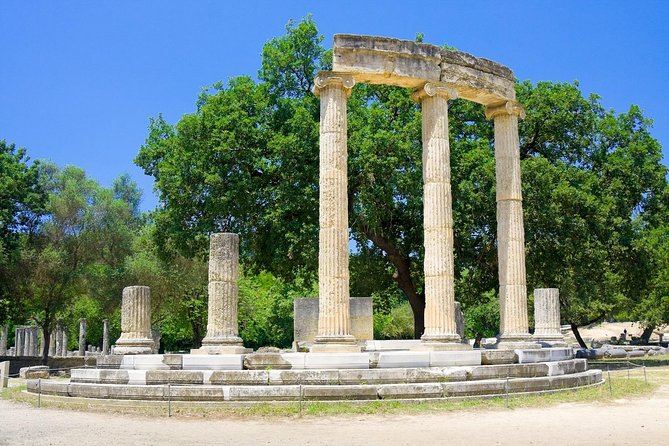
Olympia is where the tour really earns its reputation. You get a guided visit to the archaeological site (about 2.5 hours), including major elements tied to Zeus and Hera, the altar of the Olympic flame, the stadium area, and time at the archaeological museum. If you like sports history, myth, and how public space worked in the ancient world, this stop lands hard.
After Olympia, the route takes you via Patras for a short stop, then you cross the Corinthian Bay on the Rion-Antrion Bridge. It’s not a long stay, but it’s a nice change of pace after ruins, and it signals that you’re traveling through real geography, not just from one parking lot to another.
From there, you continue along the coastal road to Delphi, sometimes described as the navel of the world in ancient times. In the afternoon, you visit Arachova, a mountain village known for its charm and atmosphere. It’s a practical break, plus a chance to reset before another early day.
Practical note: this part of the itinerary can feel like a long “driving segment sandwich.” The guide’s commentary helps. If you want quiet time, bring something for the bus ride, because you’ll be on the road.
Delphi at Sunrise Mode: Temple of Apollo, Museum Artifacts, then Kalambaka
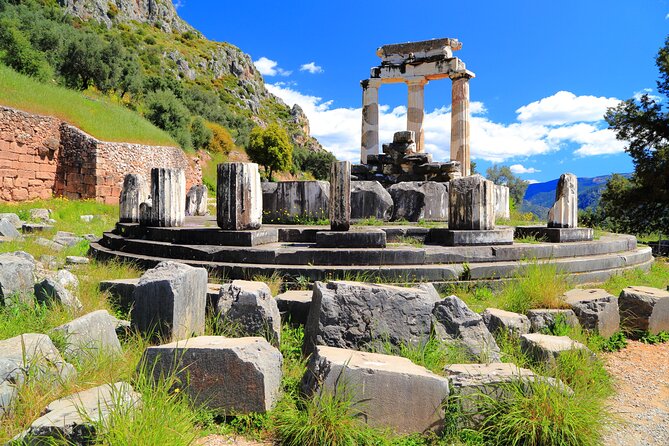
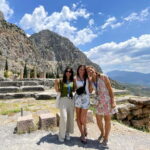
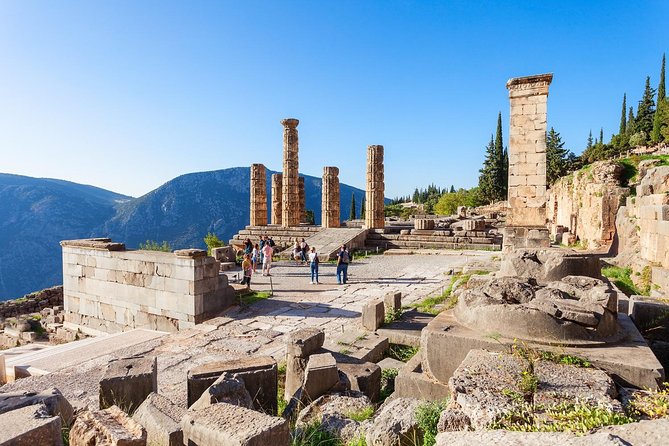
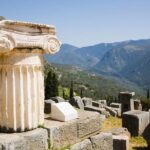
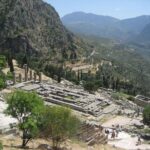
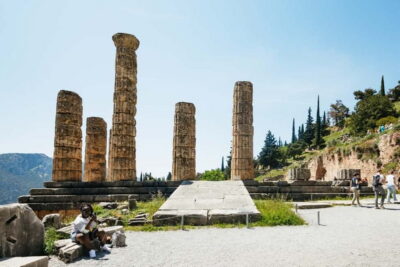
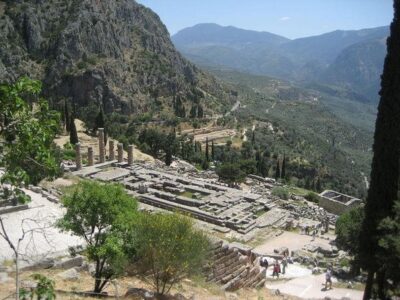
Day 3 starts early with Delphi, and that timing is a big deal. You visit the archaeological site, including the Temple of Apollo, for about three hours. Delphi is UNESCO-listed, and it’s one of the places where seeing the layout with a guide helps you understand how prophecy and sacred space were organized.
You then add the Delphi Archaeological Museum (about one hour). This is where you get artifacts and context tied to the site’s long timeline, with items reaching back to the 15th century BC. The museum time is valuable because ruins alone can feel like “nice stone piles.” In the museum, you get the objects that explain the people behind the stones.
After Delphi, you head to Kalambaka, a town built at the foot of the Meteora rock formations. You do a short stop along the way (noted around Lamia), then overnight in Kalambaka.
Day 3 drawback to anticipate: it is a lot of structured time in one day. If you need frequent bathroom breaks or slow-down moments, it helps to go early to the key areas, then let the group flow. The sites are not designed for wheelchair-level ease, and stairs show up throughout.
Meteora Monasteries and the Thermopylae Leonidas Stop
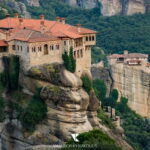
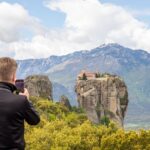
Morning on Day 4 is Meteora, one of the most dramatic UNESCO sites in Greece. You’ll visit the Byzantine monasteries perched on the rocks, with time to see what makes them so unforgettable. You get about 2.5 hours at Meteora, and admission is listed as free.
Here’s the part that changes your comfort level: dress code and stairs. To enter the monasteries, you need appropriate clothing. Ladies should not wear short skirts and must have long sleeves. Men are not allowed to wear shorts. In practice, you may be offered ways to cover up, including skirt coverings for women, but you should still plan to bring clothing that fits the rule.
Meteora is also busy in peak moments, and it’s popular for a reason. If you want photos, you’ll have opportunities, but you’ll share viewpoints with other people. Bring a little patience and take your time stepping around uneven rock paths.
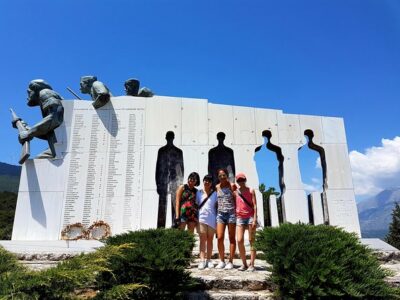
After Meteora, you return to Athens and stop briefly at the Leonidas Monument at Thermopylae, about 20 minutes. It’s short, but it’s a meaningful punctuation mark on a trip that already touched Greek legend. Then you’re back in Athens late in the afternoon, returning to the same meeting point.
Day 4 drawback to anticipate: monastery stairways are real. Even if the walk isn’t described as extreme, you should treat it as a moderate steps day.
More ways to see the Meteora rocks and monasteries
- Athens: Meteora Monasteries Day Trip with Caves and Lunch★ 4.7 · 2,964 reviews
- Athens: Meteora Monasteries Day Tour with Lunch★ 4.8 · 2,196 reviews
- Athens: Meteora Tour with Local Guide and Greek Lunch★ 4.8 · 1,561 reviews
- Athens: Meteora Monasteries, Caves & Coastal Stopovers with Lunch★ 4.5 · 1,432 reviews
Hotels and Half-Board Meals: Where the Price Feels Fair
This tour costs $760.28 per person for about four days. That price is more reasonable than it looks at first glance because you’re getting several expensive line items included: air-conditioned coach transport, a professional licensed guide, hotel accommodation with breakfast and dinner (3 each), and entrance fees.
Lunch and drinks are not included, so you should expect to spend some money for midday meals. The tour also doesn’t include the hotel accommodation tax, which is paid directly to the hotel: €10 per room per night for 4-star hotels, and €5 per room per night for 3-star hotels.
Hotel quality seems to swing based on which level you choose. The tour offers 3- or 4-star options, and some guests found A-class stays were quite good, while others noted Delphi hotels can feel older or worn. Food is usually buffet style for breakfast and dinner, and many guests say it’s fine, not fancy.
For me, the best value piece is that you’re not paying separately for site entries and guided museum time. Most independent plans do fine until you add entrances, driver costs, and guide fees. Here, the “basic structure” is handled.
Your Best Practical Tips: Shoes, Dress Code, and How Much You’ll Walk
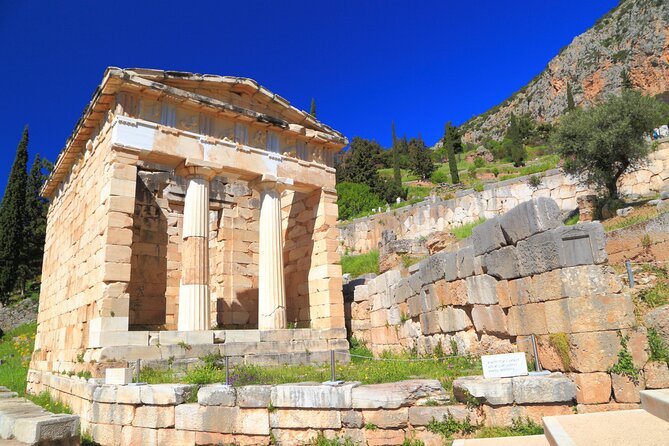
If you do only one preparation thing, do this: bring sturdy walking shoes. Even when the stops feel “short” on paper, the reality is steps, uneven ground, and rocky paths, especially at Epidaurus and Meteora.
Plan around stairs at Delphi too. The sites are on different levels, and you’ll be climbing and descending more than you expect if you’re used to flat city streets.
For Meteora, pack for the dress code mindset, not just for comfort. Women should avoid short skirts, and long sleeves are expected. Men should skip shorts. One big plus is that you might find practical help for covering up on-site, so don’t panic, but do not count on miracles. Better to arrive already compliant.
If you’re traveling with kids or strollers, the itinerary can still work, but stairs and rocky steps can block easy access. You’ll want to plan for that reality rather than hoping it will be step-free.
Group Size, Comfort, and the Feel of a Shared Bus Ride
The tour caps at 42 travelers. In real life, your group experience depends on how many people share the bus on each day. Some itineraries operate with smaller groups, and then additional travelers join later. That can change the vibe, especially during the transition days after Delphi.
The upside of a group cap is that it’s usually easier to manage timing than on huge coach tours. The downside is that you still have to follow the schedule, and you can’t linger everywhere.
A skilled driver matters here. Long distances are part of the plan, and being on the road for extended stretches can be easier when the route is handled smoothly. If you get motion-sick, consider taking precautions before the trip starts, since you’ll be on the bus repeatedly across regions.
Should You Book This Tour? A Clear Fit Check
Book this tour if you want a fast, guided sampler of Greece’s ancient highlights, and you prefer structure over planning. You’ll likely enjoy it if you care about UNESCO sites, Greek myth, and seeing how Delphi and Olympia connect through the ancient world’s sacred and public spaces. The included meals and entrance fees also make budgeting easier.
Skip it if you dislike walking stairs, you need lots of free time in each site, or you want a relaxed pace with minimal coach travel. This itinerary is designed to hit major sites efficiently. It does not pretend to be slow travel.
If you’re on the fence, here’s your decision shortcut: if you’re excited by Epidaurus theatre acoustics, Olympia’s sacred sport history, Delphi’s prophecy world, and Meteora’s monastery views, this is a strong match.
FAQ
What does the tour include in the price?
The tour includes hotel accommodation, a professional licensed guide, transport by air-conditioned luxury bus, hotel pick-up and drop-off from selected hotels, entrance fees, 3 breakfasts, and 3 dinners.
Are entrance fees included?
Yes. Entrance fees are listed as included for the stops where they apply.
What is not included?
Lunch and drinks are not included, and hotel accommodation tax is paid directly to the hotel.
How much is the hotel accommodation tax?
It is €10 per room per night for 4-star hotels and €5 per room per night for 3-star hotels.
Is pickup available in Athens?
Yes, a complimentary pickup service is offered from select centrally located hotels in Athens, about one hour before departure. You receive pickup details by email.
Where does the tour start and end?
It starts at Athanasiou Diakou 26, Athina 117 43, Greece, and ends back at the same meeting point.
What time does the tour start?
Start time is 8:15 am.
What should I wear for Meteora monasteries?
Appropriate clothing is required. Ladies should not wear short skirts and must have long sleeves. Men are not allowed to wear shorts.
How long is the tour?
It is 4 days approximately.
What is the group size limit?
The tour has a maximum of 42 travelers.
Can I cancel and get a refund?
Free cancellation is available up to 24 hours before the experience start time for a full refund.
Mycenae, Epidaurus and Nafplio


The Meteora Rocks, More Visits


Up the Mountain to Delphi
Everything else we have written up around Athens



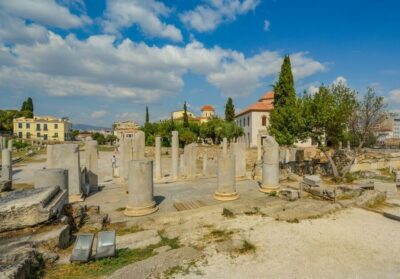
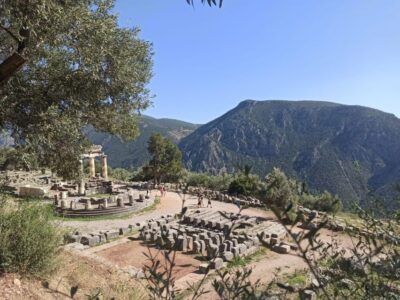
Delphi & the Oracle, side by side.
 ★ 4.6Athens: Mythology of Delphi, Museum and Arachova Guided TourFrom $314,008 reviews
 ★ 4.6From Athens: Delphi Full Day V.R. Audio Guided TourFrom $303,028 reviews
 ★ 4.8From Athens: Small-Group Delphi, Museum & Arachova Day TripFrom $342,476 reviews
 ★ 4.5Delphi English Day Trip from Athens with Official GuideFrom $782,199 reviews
 ★ 4.7Athens: Delphi Guided Trip with Optional Lunch and EntryFrom $331,553 reviews
 ★ 4.5Historical Delphi One Day Tour with Arachova Stop & Expert GuideFrom $341,247 reviews
 ★ 4.5Premium Delphi Day Trip with an Expert Guide, Museum & LunchFrom $381,100 reviews
 ★ 4.5From Athens: Delphi and Meteora 2-Day Guided TourFrom $271825 reviews