
Review · GREEK MEZE & STREET FOOD TOURS
Athens: Greek Cuisine Cooking Class and 3-Course Dinner
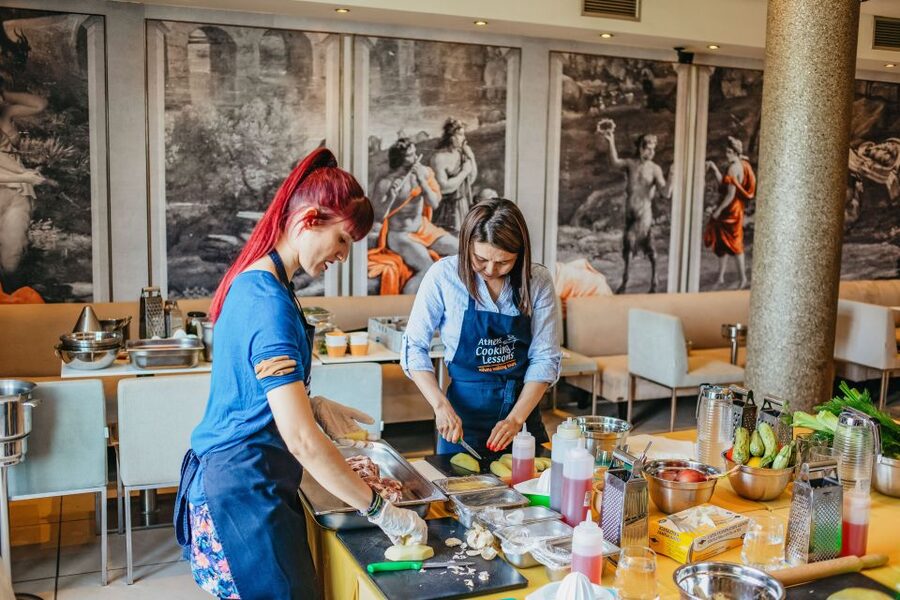
Cooking Greek food in Athens feels personal. In this hands-on Greek cuisine class at Hill Athens, you learn the flavor building blocks of a classic Sunday table, then sit down to eat the 3 courses you made, often with Acropolis views as your backdrop.
I love two things most: the recipe copy you get to take home, and the way the class connects cooking to real Greek family food habits, not just technique. Even if you are a beginner, you are guided step by step in English.
One consideration: menus vary with the season and what fresh produce is available, so you cannot plan on a fixed dish list. If you need everything to match your preferences exactly, you will want to think of this as a Greek cooking experience first, specific-dish experience second.
In This Review
- Key things to look for
- Hill Athens, the setting that turns cooking into a night out
- Your 4-hour flow, from starter work to the last bite
- Starter: Greek flavors you can smell and taste
- Main course: the Sunday centerpiece
- Dessert: the finish that feels like Greece
- What you actually learn, herbs, olive oil habits, and technique
- The instructor style that helps you succeed
- Technique is the transferable part
- Learn the flavor logic, not just the ingredient list
- Dinner time, wine with what you made
- Price and value, why $115 can make sense
- Who this class is best for in Athens
- Perfect matches
- Maybe not ideal if…
- Practical tips before you go
- Should you book this Athens Greek cooking class?
- FAQ
- How long is the Greek cooking class and dinner?
- Where is the meeting point?
- What is included in the price?
- Are extra drinks included?
- Is the class taught in English?
- Do I need hotel pickup or drop-off?
- What should I bring with me?
Key things to look for
- Hill Athens setting: a real restaurant setting, with dining space that works well for group cooking and then eating together
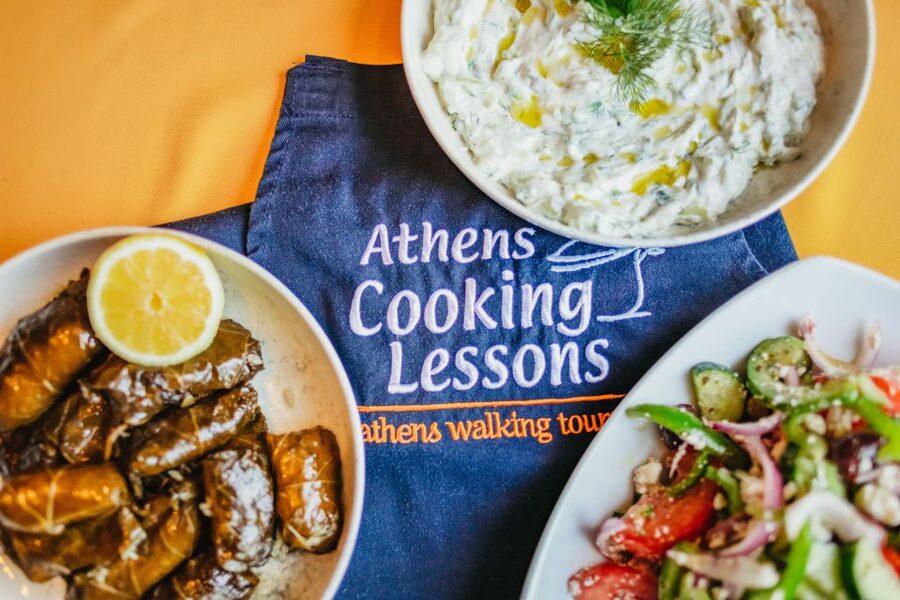
- Hands-on 3-course Sunday dinner: starter, main, dessert, made with fresh ingredients and clear instruction
- Recipe copy included: you leave with a write-it-down-and-recreate-it set of recipes
- Instructors bring more than recipes: teaching style that often includes culture and food context, in addition to cooking steps
- One included glass of wine: or a soft drink, paired with the meal you cooked
Other meze crawls and market plates





Hill Athens, the setting that turns cooking into a night out
Hill Athens is the meeting point, and it matters more than you might expect. A cooking class can feel like a quick workshop, or it can feel like a proper evening meal where the food you make is the main event. Here, the format leans toward the latter.
The biggest payoff is that you do not just cook and then disappear. After the prep, you sit down to enjoy what you made, typically in a dining space that is known for Acropolis-facing views. That changes the mood from rushed activity to something closer to a Greek dinner party.
Dress for working with ingredients. You will move around, chop, and cook, so comfortable shoes make the whole experience smoother. Also bring your passport or ID card, and a student card if you have one, since the info explicitly requests it.
Your 4-hour flow, from starter work to the last bite
The class runs about 4 hours, which is a good length for learning without feeling drained. You get a true course-by-course rhythm. It starts with a starter, moves into the main course, then ends with dessert.
What I like about this structure is that it keeps you active the whole time. You are not just watching one person cook. The teaching style is designed for hands-on participation, and the group format supports that.
You will also get practical guidance on flavor and ingredients, not just instructions for one recipe. The class focuses on core Greek tastes: herbs, fresh vegetables, and the cuts of meat Greeks commonly use, plus how these components fit together.
Starter: Greek flavors you can smell and taste
A starter is where Greek food tends to show its personality. Even though you cannot lock in the exact menu in advance, expect the starter portion to highlight fresh ingredients and classic Greek flavor combinations.
In many seasons, Greek menus include multiple starter or salad-style dishes, and you usually work within that Greek Sunday dinner logic. That is helpful for you at home, because you learn how starters set up the main course.
Main course: the Sunday centerpiece
The main course is where you learn what makes Greek meals feel satisfying without being complicated. Greek cooking often balances olive oil, acidity, herbs, and hearty ingredients, then relies on good technique instead of shortcuts.
You are guided by an English-speaking instructor through the steps needed to finish the main course successfully. The best part is that the instruction is tied to reasons, not just timing. You learn what to look for as the dish comes together, so you are not totally lost when you try to recreate it later.
If you have watched Greek food from the outside, you might assume it is only about big flavors. This class also turns that assumption into usable cooking knowledge.
Dessert: the finish that feels like Greece
Dessert is the part many cooking classes skip over. Not here. You close out the meal with a Greek dessert you prepared yourself, which makes the course feel complete.
Even if dessert seems less familiar than savory dishes, you still get the same kind of guided help. That matters because Greek desserts often rely on texture, sweetness balance, and baking or finishing steps, so doing it with instruction is the fastest way to get it right.
More Greek and Cretan kitchens to stand in
- Athens: Classic Cooking Class with Market Visit and Wine★ 5.0 · 1,101 reviews
- Athens: Food Market Visit and Cooking Class with Wine★ 4.9 · 1,087 reviews
- Greek Cooking Class in Athens Including Rooftop Dinner with Acropolis View★ 5.0 · 826 reviews
- Greek Small-Group Athens Cooking Class & Dinner★ 5.0 · 574 reviews
What you actually learn, herbs, olive oil habits, and technique
The class is built around teaching you how Greek cuisine works as a system. That is the real value: you do not just leave with three recipes, you leave with habits you can apply.
Across the experience, you will focus on key ingredients and flavors that show up again and again in Greek cooking. Think herbs and aromatics, fresh vegetables, and classic meat and cooking choices that shape the overall taste of the meal.
The instructor style that helps you succeed
One theme in the class experience is the teaching approach. Instructors are praised for being patient, upbeat, and quick to explain what matters in each step. Names that come up again and again in this style of class include Stella, Vicky, Amalia, Emilia, Niki, and Georgina.
Even if you are not a confident cook, that teaching style is part of why people love the experience. The point is not to test you. The point is to help you cook something you recognize as Greek, then be able to repeat it at home.
Technique is the transferable part
Some Greek dishes depend on technique that looks intimidating until someone shows you the path. For example, Greek pastry skills can pop up in certain seasonal menus. Phyllo-based dishes, like spinach pie, are specifically mentioned in the experiences people talk about from this activity.
You should treat those as possibilities, not promises. But the broader lesson is reliable: you learn how to handle dough, fillings, seasoning, and assembly without guessing.
Learn the flavor logic, not just the ingredient list
Greek cooking often feels simple, but it is not random. Olive oil is not just an ingredient, it is a foundation. Herbs do more than add color, they shape the aroma. Acidity and salting affect freshness and balance.
The class guidance helps you understand what each component is doing. That is why the recipe copy is valuable. You can read the list once, then use the technique logic the instructor taught you to make it taste right when you cook it again.
Dinner time, wine with what you made
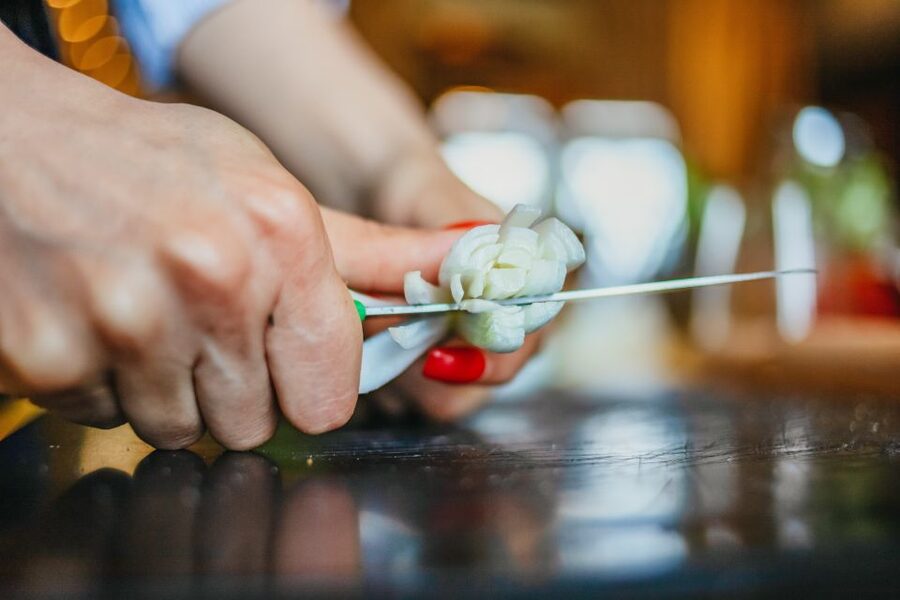
After cooking, you eat the fruits of your work as a proper 3-course meal. One glass of local wine is included with dinner, or you can have a soft drink if you prefer not to drink alcohol.
This part is worth considering when you pick a time for your Athens day. Cooking classes can sometimes feel like a snack event. Here, the meal is the payoff, so it feels more like a planned evening than a quick tasting session.
The setting adds to the experience. Many people highlight the restaurant view, especially the feeling of dining with Acropolis scenery overhead or in the background. Even if you are not obsessed with views, it turns a cooking lesson into something you can remember, not just repeat.
Also, because the dinner includes what you made, you can evaluate your results in real time. If something needs salt, you learn that now. If a sauce needs more balance, you experience it on the plate, not just from a recipe book.
Price and value, why $115 can make sense
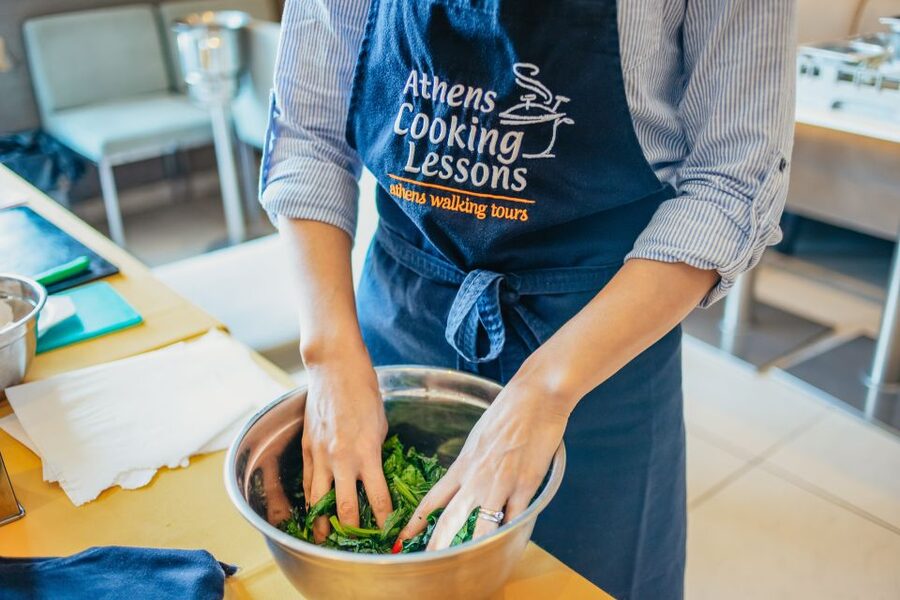
At $115 per person for about 4 hours, you are paying for several things at once: an English-speaking cooking instructor, a structured hands-on class, the ingredients for a full dinner across three courses, and a copy of the recipes to take home. You also get one glass of local wine.
Here is the value logic I would use: if you tried to recreate this on your own, the “missing piece” is instructor time. Grocery shopping plus cooking while learning from mistakes can turn into wasted ingredients and frustration. In this class, you are compressing learning time into a set window, with guidance that keeps you from going off track.
You are also getting a finished meal, not just samples. That helps justify the cost compared with classes that feel like appetizer-only tastings.
What is not included matters too. Extra drinks cost extra, and there is no hotel pickup or drop-off. So you should plan to reach Hill Athens on your own.
If you enjoy cooking, want recipes you can actually follow later, and like learning the stories behind Greek food, this price is easier to justify.
Who this class is best for in Athens

This is a strong choice if you want a break from museum-heavy days. It is also a great way to experience Athens through senses, not only sights.
Perfect matches
- You want a practical way to learn Greek cuisine, not just eat it
- You like meeting people in a shared cooking and dining setting
- You want a guided course with enough structure that beginners can succeed
- You care about taking recipes home that you can use again
Maybe not ideal if…
If you need a very specific menu, you may feel uncertain because menus vary by season and available produce. This class also has a hands-on pace, so it is not the best pick if you want a mostly seated, low-effort experience.
If you are traveling as a couple or small group, private group options are available. That can be a big plus if you prefer more attention from the instructor or you want to keep the evening intimate.
Practical tips before you go
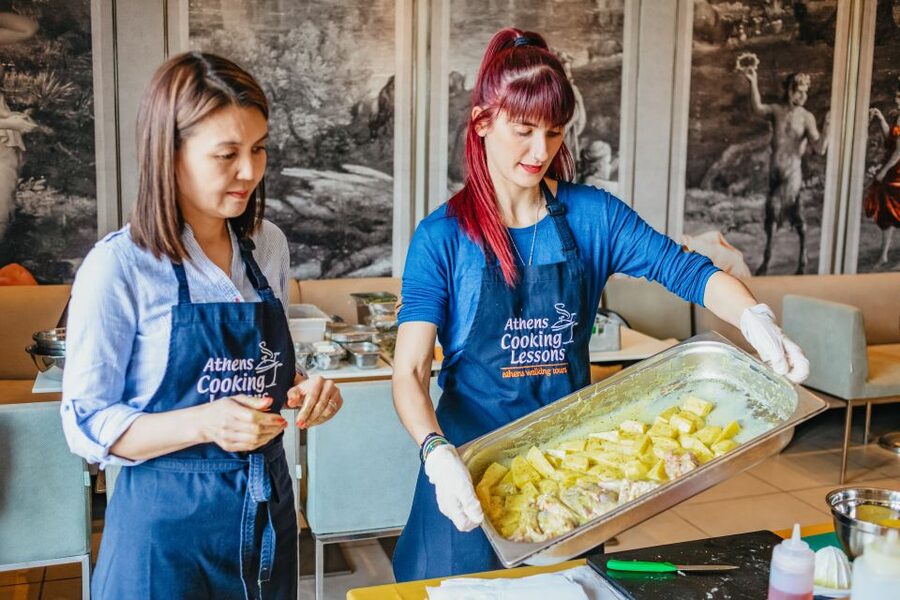
Here are the few things that will make your night smoother, based on what the experience asks from you.
- Wear comfortable shoes. You will stand and move during cooking.
- Bring your passport or ID card, and bring a student card if you have one, since it is listed as a requirement.
- Plan your route to Hill Athens. No hotel pickup is included.
- Decide how you will handle drinks. Only one glass of local wine or soft drink is included, and extra drinks are not.
If you are the kind of person who reads recipes and then cooks from instinct, you will still benefit here. The class gives you the ingredient logic and technique checks that make your instincts better.
Should you book this Athens Greek cooking class?
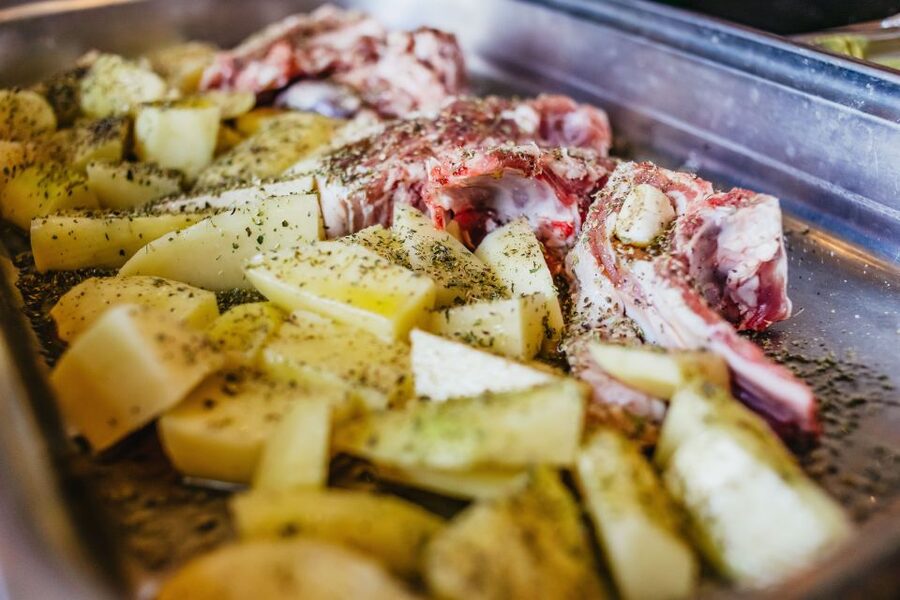
I think you should book it if your goal is to leave Athens with more than photos. A 4-hour, hands-on Greek Sunday dinner format gives you real cooking reps, a structured meal you can finish and taste, and a recipe copy you can actually use later.
You should also book it if you enjoy learning the cultural angle. The instructors often weave in food context and history, which is part of why people call the experience warm and memorable. Names like Stella, Vicky, Amalia, and Niki are repeatedly associated with that combination of cooking skill and friendly teaching.
Pass if you want a fully fixed menu. Because dishes depend on seasonal produce, you should treat this as Greek cuisine education with a delicious dinner at the end, not as a guarantee that your favorite dish is guaranteed to appear in your three courses.
If that sounds like your kind of evening, this is a smart use of time in Athens.
FAQ

How long is the Greek cooking class and dinner?
The experience lasts about 4 hours.
Where is the meeting point?
The class takes place at Hill Athens.
What is included in the price?
You get the 3-course dinner (starter, main course, and dessert), 1 glass of wine or a soft drink, a cooking instructor, and a copy of the recipes.
Are extra drinks included?
No. Extra drinks are not included.
Is the class taught in English?
Yes, the instructor teaches in English.
Do I need hotel pickup or drop-off?
No. Hotel pickup and drop-off are not included.
What should I bring with me?
Bring your passport or ID card, comfortable shoes, and a student card (if you have one).
Every Other Athens Write-Up
- All Day Cruise -3 Islands to Agistri,Moni, Aegina with lunch and drinks included
★ 5.0 · 4,958 reviews






Greek and Cretan Kitchens to Stand In





Meze Crawls and Market Plates

Everything else we have written up around Athens








Greek Meze & Street Food Tours, side by side.
 ★ 4.9Athens: Street Food Tasting TourFrom $672,557 reviews
 ★ 5.0Small Group Greek Traditional Food Tour in Athens 20+ TastingsFrom $841,759 reviews
 ★ 5.0Greek Cuisine Cooking Class in Santorini with Recipes and WineFrom $145969 reviews
 ★ 5.0Naxos: Half-Day Cooking Class at Basiliko Family TavernFrom $117887 reviews
 ★ 5.0Athens Greek Food Tour Small-Group ExperienceFrom $107802 reviews
 ★ 5.0Athens Evening Food TourFrom $96766 reviews
 ★ 5.0Get a Taste of Athens Food TourFrom $89624 reviews
 ★ 5.0Athens, Greek food tour including market visitFrom $83618 reviews