
Review · CHANIA & WESTERN CRETE
Chania: Authentic Cooking Class
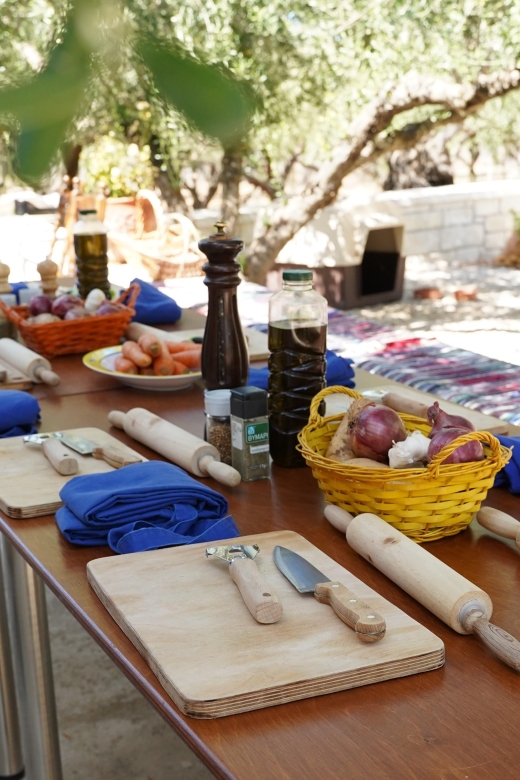
Cooking under olive trees changes the whole meal. In Chania, you step into a Cretan home in the Nerokourou neighborhood and cook a Mediterranean menu with garden-picked ingredients and family help. You get the kind of setting that makes food taste better, even before you start, with avocado and olive trees shading the day.
I especially love the focus on technique, from rolling grape leaves to working with kalitsounia dough, and I love that the first main dish is wood-fired oven-roasted lamb that needs real time, not rushed minutes. The main drawback to consider is that transportation is not included, and the class is 10-15 minutes outside the center, so you’ll want a taxi or a car arranged.
In This Review
- Key highlights worth planning around
- Where the class is, and why the Nerokourou location matters
- The 4-hour schedule, in the exact order your stomach will learn
- Start with a welcome drink and menu chat
- Oven-roasted lamb, the thieves dinner, and why it takes over 2 hours
- Stuffed vegetables and dolmades, including the garden-ingredient part
- Kalitsounia dough and cheese-and-wild-greens pies
- Appetizers are prepared last, then enjoyed first
- Dinner together, with wine, raki, and dessert
- The dishes you’ll cook, and what you’ll actually learn from each
- Wood-fired lamb, the real centerpiece
- Dolmades and stuffed vegetables, where patience becomes skill
- Kalitsounia pies, dough control made friendly
- Tzatziki and dakos, the snack lesson
- Wine, raki, and the dinner that seals the deal
- The family atmosphere, and how the hosts make the class work
- The views, olive grove setting, and what to expect outside the kitchen
- Price and value: what $129 covers, and why it feels fair
- Who this class is best for (and who should think twice)
- Quick booking checklist before you go
- FAQ
- FAQ
- How long is the Chania Authentic Cooking Class?
- What will I cook during the class?
- Do I eat during the class, or only after?
- Is lunch or dinner included?
- Are drinks included?
- Is transportation included?
- Where is the class located?
- What languages are offered?
- Is the class wheelchair accessible?
- Can I cancel for a refund?
- Is there a way to book without paying right away?
- Should you book this Chania cooking class?
Key highlights worth planning around

- Veerna’s teaching style, with Cretan know-how and family teamwork behind every step
- Garden-to-table ingredients, picked from the property or sourced from local farmers
- The thieves dinner lamb story, explained while the meat cooks in a wood-fired stone oven
- Hands-on dolmades and kalitsounia, including rolling grape leaves and shaping cheese-and-greens pies
- Snacks first, because the appetizers take their place at the start of your eating (tzatziki and dakos)
- Wine and raki flow with dinner, plus a sweet finish at the end
More of Chania and the west of the island
Where the class is, and why the Nerokourou location matters
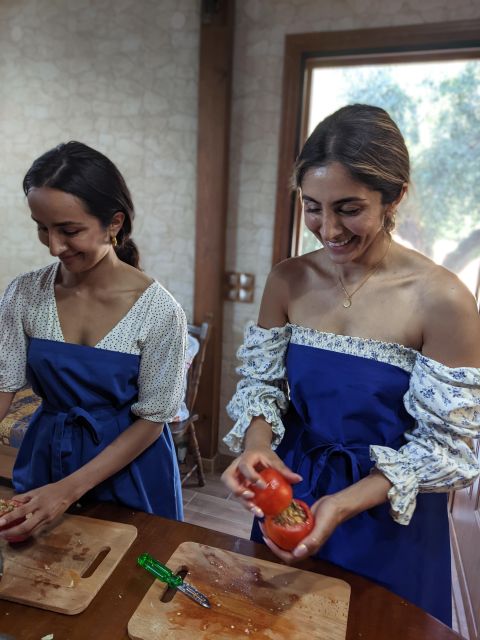
This cooking class runs about 4 hours, and it’s based outside the busy Chania center in the neighborhood of Nerokourou. You’re looking at a roughly 10-15 minute drive from town. The setting is not downtown Chania, and that’s the point: you trade the tourist grid for an olive-farm vibe where you can hear yourself think.
Parking is along the fence. If you’re coming on your own, that detail matters because it tells you to expect a simple, local-access setup, not a hotel lobby experience. If you want pickup, it’s available, and you can reserve a transfer for an extra fee. The transport is semi-private, using a 9-seat van and a 5-seat EV, so you might share with other classgoers depending on the day.
Accessibility is covered in the basics: the class is wheelchair accessible, which is a real plus if you’re traveling with limited mobility.
The 4-hour schedule, in the exact order your stomach will learn
One thing I like about how this class is paced is that it builds a meal with cooking time built in. While dough and fillings work, you’re doing other steps, so you’re never just waiting around.
Here’s how the experience typically runs:
Start with a welcome drink and menu chat
You begin at the home kitchen with either a homemade refreshment or Greek coffee, plus cookies. While you drink, you’re told what the Mediterranean-based menu will include and how the day is going to move. It’s a good way to get your bearings fast, because you’ll spend the next hours with hands-on tasks and oven time.
In multiple sessions, the hosting family and team members are part of the welcome process. Names you may hear in English instruction and hands-on help include Veerna, Kostas (sometimes spelled Costas), and assistants such as Nico, Alex, and Sarah, with other family members also popping in.
Oven-roasted lamb, the thieves dinner, and why it takes over 2 hours
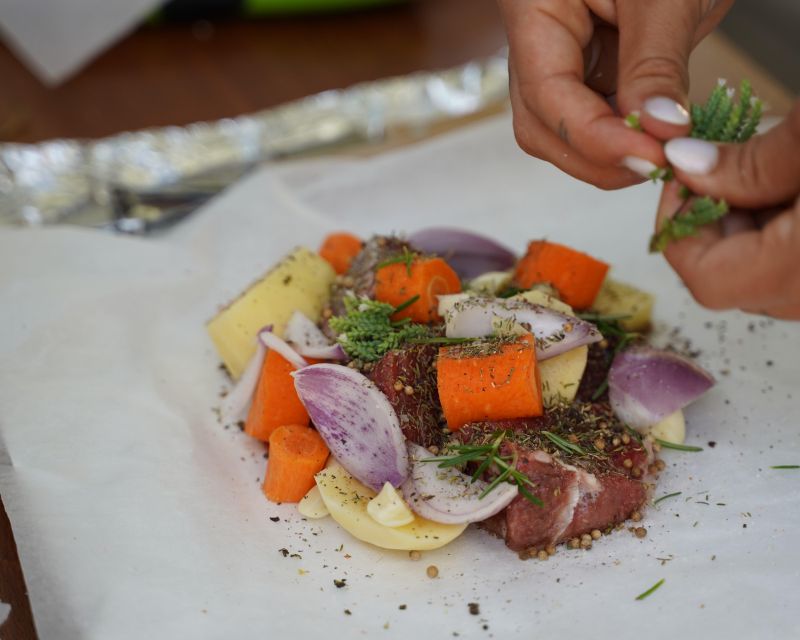
Next, you prepare the first main dish, oven-roasted lamb. It cooks for more than 2 hours in a wood-fired stone oven, which is a huge part of why this class feels different from casual cooking demos.
You also learn about why the dish is called the thieves dinner and what historical significance is tied to it. The big value here is context. When you understand where a dish name comes from, you stop thinking of it as just lamb and start seeing it as a story tied to cooking habits and community life.
While the lamb works in the oven, the schedule is designed so you transition into the next tasks rather than standing idle.
Stuffed vegetables and dolmades, including the garden-ingredient part
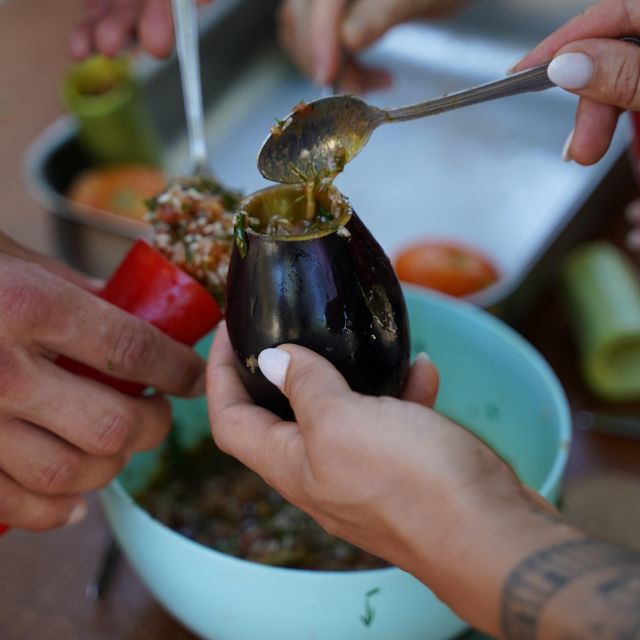
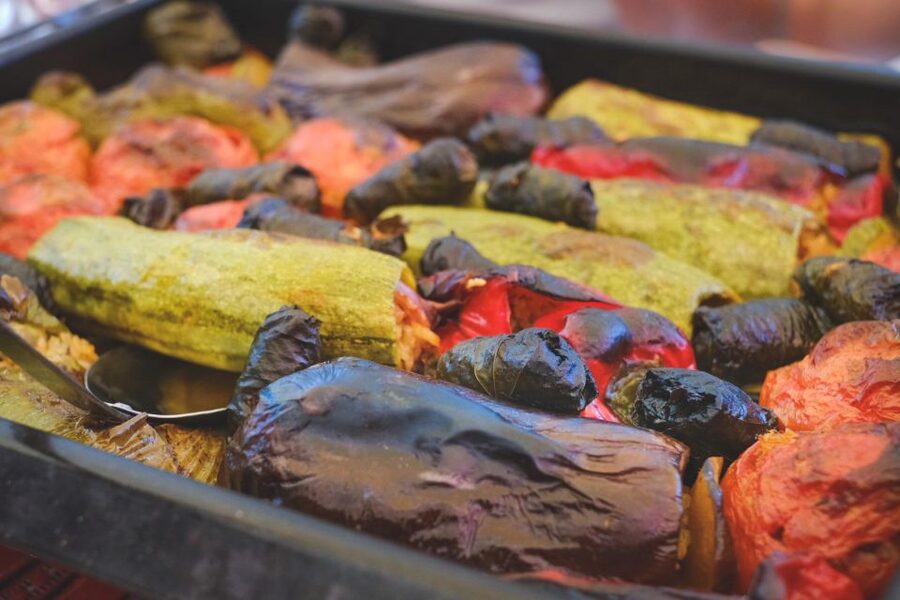
After the lamb is on its way, you move into the vegetable and grape-leaf section. You’ll make stuffed vegetables and stuffed grape leaves, also known as dolmades.
A key part: you gather herbs and veggies from the garden for the stuffing. That changes how you think about flavor. It’s one thing to chop herbs from a store clamshell, and another to handle the same herbs the family uses on-site.
Then comes the most technical step of the day. Rolling grape leaves is delicate work, and the class is built so you practice enough to feel like you’ve learned the shape and the timing. You get rolling pins out for parts of the day later, but the dolmades focus on control and consistency.
- Cretan Safari – 4×4 Adventure to Preveli Beach with Lunch★ 5.0 · 780 reviews
- Stand -Up Paddleboard and Multi-Surprise Elements Tour in Crete★ 5.0 · 554 reviews
- Chania: Elafonisi Bus Trip with Free Time and Stop in Elos★ 4.4 · 512 reviews
- Half-Day Rethymno Quad Safari★ 5.0 · 494 reviews
Kalitsounia dough and cheese-and-wild-greens pies
Kalitsounia are next, and this is where you switch from folding to shaping. You roll out the dough for traditional pies and fill them with cheese and wild greens.
This is the moment where a cooking class stops being “watch and copy” and becomes “learn a repeatable technique.” Even if you’ve never worked with dough before, the process is structured so you can follow along step by step.
Appetizers are prepared last, then enjoyed first
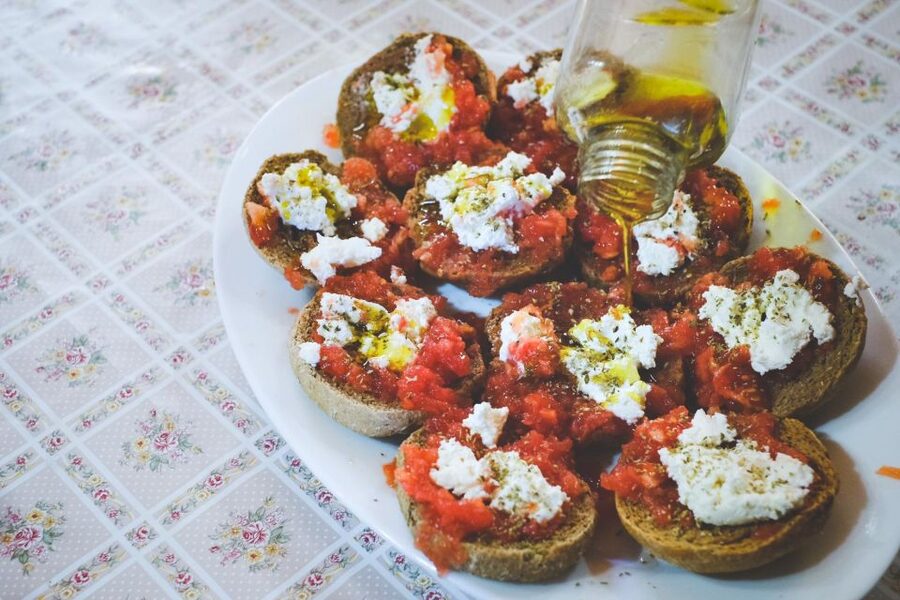
Here’s a smart rhythm choice: tzatziki and dakos are prepared last but enjoyed first as appetizers. That means you start eating while other things are still working their way through the schedule.
- Tzatziki gives you a cool, creamy anchor that balances the heavier dishes later.
- Dakos offers a Cretan grain-and-topping snack style that fits right into the Mediterranean theme.
So you get the satisfaction of eating early, even though the day is still mid-flight.
Dinner together, with wine, raki, and dessert
When everything is ready, you sit down to eat the traditional Cretan dishes you made, with generous local wine and raki. Dessert is part of the package, and sweet options are always offered at the end.
One practical bonus from real class experiences: if you need more time at the table, you’re not forced out immediately. And if you want leftovers, some groups have received to-go boxes so dinner can stretch into the next day.
The dishes you’ll cook, and what you’ll actually learn from each
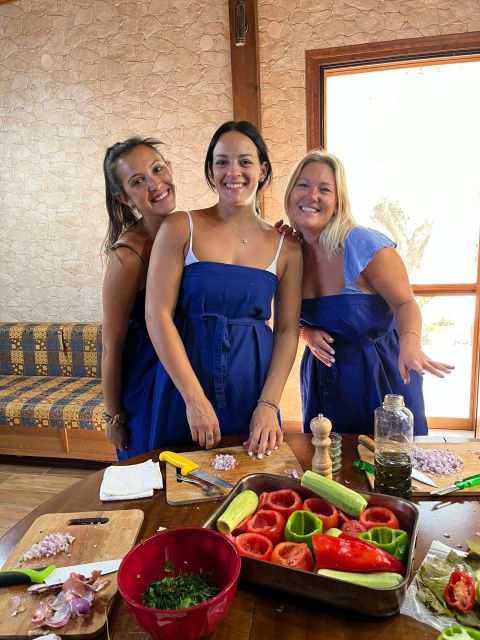
This class markets itself as covering five essential Mediterranean meal items, and the practical version is that you leave with a toolkit: oven meat technique, vegetable stuffing, grape-leaf rolling, pie dough handling, and classic snacking sauces and toppings.
Wood-fired lamb, the real centerpiece
The lamb is your anchor. It’s not just flavor, it’s method. Since it cooks for over 2 hours, you see how a wood-fired stone oven works in real time, and you get a chance to learn the story behind how the dish earned the thieves dinner name.
For home cooking, this translates into something useful: you’ll understand what “low and steady” really means, and why some dishes are built around timing rather than speed.
Dolmades and stuffed vegetables, where patience becomes skill
Dolmades are the delicate craft. You gather herbs and produce, build a filling, and roll. You’re not only learning a recipe, you’re learning what to look for when grape leaves are rolling too loosely or too tightly.
Stuffed vegetables support the same mindset. You’re thinking in terms of portioning and consistent filling, so every bite tastes like it belongs to the same plate.
A nice side benefit is that these dishes are vegetable-forward. That makes them great to recreate even if you’re not cooking a full feast.
Kalitsounia pies, dough control made friendly
Kalitsounia dough might sound intimidating, but the teaching approach described here is designed to make it accessible. You roll out dough and fill with cheese and wild greens, then you see how the pie form holds together.
If you want something to bring home that feels truly Cretan, this is it. It’s also the dish most people talk about as proof that the class isn’t just entertainment, you actually learn how the components fit together.
Tzatziki and dakos, the snack lesson
The tzatziki and dakos segment teaches you Mediterranean simplicity. You’re getting flavors that work even when you’re cooking for yourself.
They also make the schedule feel smoother. Even with a long cooking window, you’re not waiting for the meal to begin.
Wine, raki, and the dinner that seals the deal
It’s not just food. You’ll have local wine and raki with dinner in generous amounts, and you finish with dessert.
This matters because the best part of a food lesson is eating the result, while everything is still warm or at its peak. Sharing the meal in a family-style rhythm is a big reason people leave feeling like they learned something, not just filled up.
The family atmosphere, and how the hosts make the class work
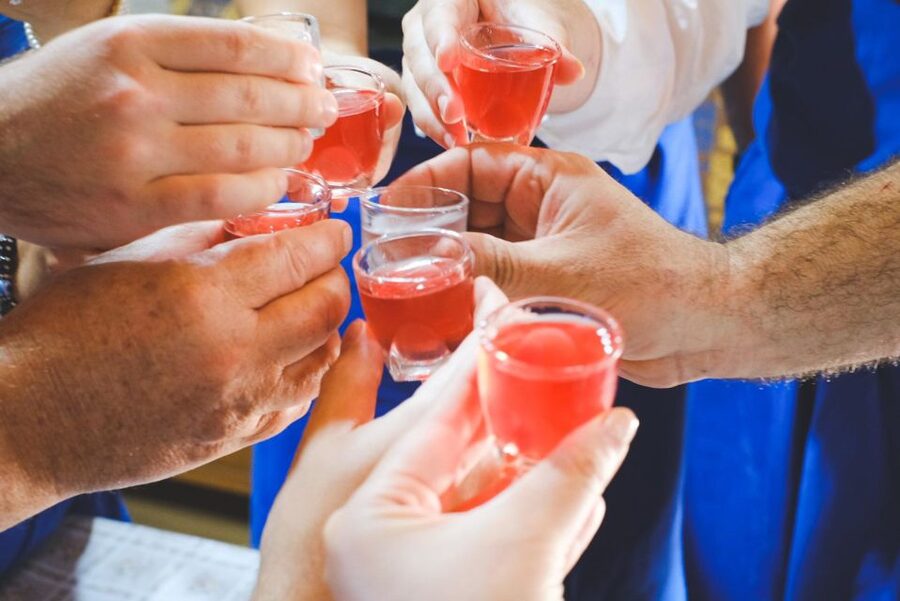
This is a family-run experience. That shows up in small details. You’re invited into their home, you’re not treated like a distant customer, and familiar faces may stop by to greet you while you’re there.
Veerna is repeatedly highlighted as the standout cook and instructor, especially for kalitsounia, which she’s been making and selling for years. You’ll also see how she teaches: the class includes explanations, timing cues, and enough hands-on help that you don’t feel lost.
If you’re looking for a group that stays friendly and organized, the pacing is another win. Several sessions have described efficient timing, so you don’t get that awkward mid-class lull where everyone waits. The day is broken into active tasks aligned to oven time.
There are also personal touches. One group noted that when it was a birthday, the hosts brought cake and everyone sang. Another mentioned a vegetarian alternative being provided to those who needed it. Those are the kinds of details that are hard to fake in a scripted, factory-style tour.
The views, olive grove setting, and what to expect outside the kitchen
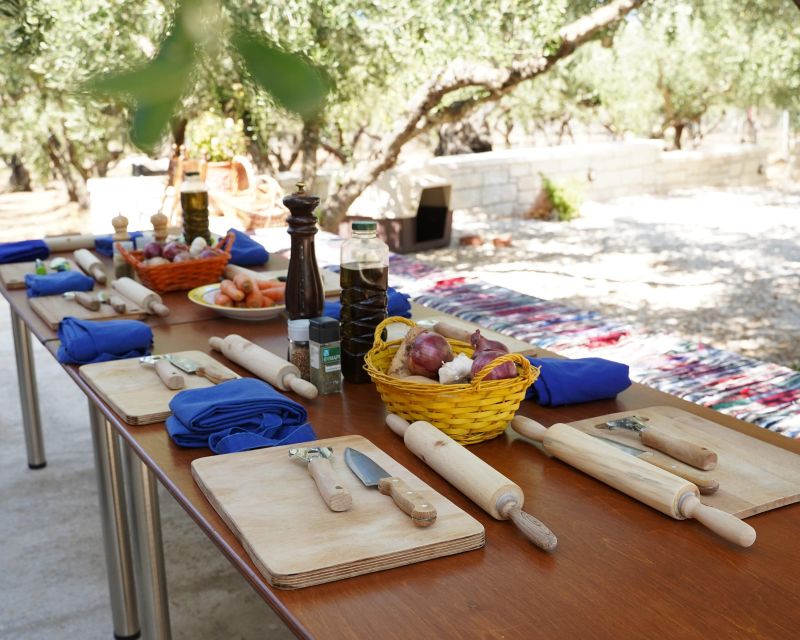
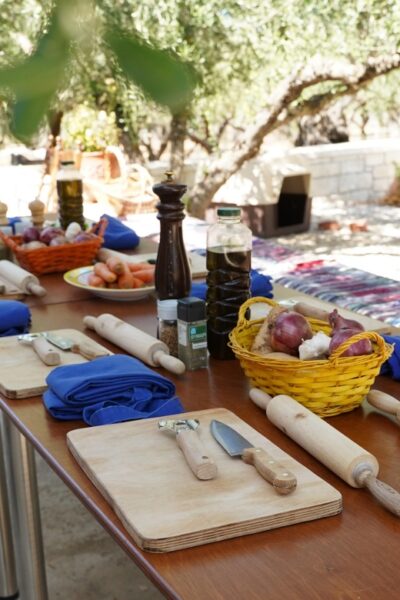
The setting outside the cooking area is part of the reason to choose this class over a city studio. You get time in the olive orchard area and around the herb garden during the cooking flow.
Some groups have even spotted small farm animals and puppies, so if you like animal interruptions (and who doesn’t), this is your kind of place. Even when you’re focused on food, the outdoors breaks the day into natural chunks.
If you’re a photography fan, plan smart. One person noted it was hard to take photos during the cooking process because hands get soiled. That’s honest advice: you might get better shots during the welcome and outdoor breaks than during dough shaping.
Price and value: what $129 covers, and why it feels fair
At $129 per person for a 4-hour class, you’re paying for more than a recipe list. You’re paying for a full meal experience where you cook multiple items, ingredients are provided, and you sit down to eat what you made.
Value here comes from five places:
- Ingredients included, including garden or local-farmer sourcing
- The oven and equipment experience, including wood-fired stone oven timing
- A complete meal, including lunch or dinner depending on the session, plus appetizers and dessert
- Drinks included, with local wine and raki
- Take-home usefulness, with some sessions mentioning recipes provided for you to try after you return home
If you compare this to the cost of eating well in Chania plus paying for a guided food experience, the numbers start to look more reasonable. You’re not just sampling, you’re making enough food that you leave satisfied and able to repeat key elements later.
Who this class is best for (and who should think twice)
This is a strong fit if you want:
- A hands-on class, not just a lecture
- A Cretan menu with vegetable focus and classic snacks
- A relaxed family setting where you can ask questions in English
- A day trip style experience that still feels personal, because pickup and local transport are handled in a semi-private way
It might be less ideal if:
- You hate driving outside the center and don’t want to arrange pickup or a taxi
- You’re expecting a large, modern commercial operation with lots of filming and tech upgrades
- You’re looking for only one or two dishes, because the day is busy and you’ll do multiple preparations
Quick booking checklist before you go
- Plan for a 10-15 minute drive from Chania center (or book pickup or transfer)
- Expect hands-on work with dough and stuffing, and plan for less phone use during active cooking
- Bring a sense of humor. The family vibe is part of the attraction, and the best moments are usually the in-between conversations while something cooks
- If you have dietary needs, ask about vegetarian alternatives, since a vegetarian option has been provided in at least one session for those who needed it
FAQ
FAQ
How long is the Chania Authentic Cooking Class?
The experience runs about 4 hours.
What will I cook during the class?
You’ll prepare several Cretan Mediterranean dishes, including oven-roasted lamb (the thieves dinner), stuffed vegetables, stuffed grape leaves (dolmades), kalitsounia dough pies, and appetizers such as tzatziki and dakos.
Do I eat during the class, or only after?
You eat during the experience. The appetizers are prepared last but enjoyed first, and then you sit down to enjoy all the traditional dishes you made, with dessert at the end.
Is lunch or dinner included?
Yes, lunch or dinner is included, depending on the session.
Are drinks included?
Yes. You’ll have generous amounts of local wine and raki with the meal.
Is transportation included?
No, transportation is not included in the base price. Pickup is available, and transfer can be added for an extra fee.
Where is the class located?
It’s located 10-15 minutes from the center of Chania in the Nerokourou neighborhood. Park along the fence.
What languages are offered?
The instructor teaches in English.
Is the class wheelchair accessible?
Yes, it is wheelchair accessible.
Can I cancel for a refund?
Yes. You can cancel up to 24 hours in advance for a full refund.
Is there a way to book without paying right away?
Yes. Reserve now and pay later is available.
Should you book this Chania cooking class?
If you want a day in Chania that feels like Cretan home cooking, with real hands-on technique, this is an easy yes. The big selling point is that you don’t just watch lamb roast and then leave, you learn the building blocks of a real Cretan meal: oven timing, stuffing, dolmades rolling, and kalitsounia pie shaping, plus the classics like tzatziki and dakos.
Just be honest about logistics. Since transportation isn’t included by default and the site is outside the center, plan your ride first. If you can handle that, you’ll likely find this class is better value than a standard tourist meal, because you eat what you make and you leave with skills you can actually repeat.
Every Other Chania Write-Up
Chania and the West of the Island
Everything else we have written up around Chania
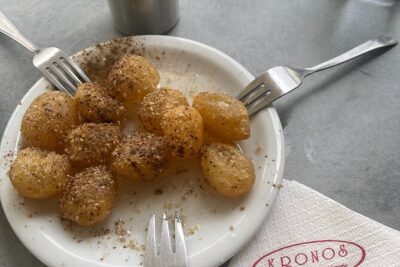
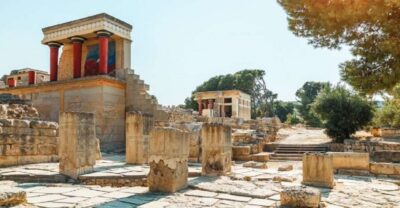
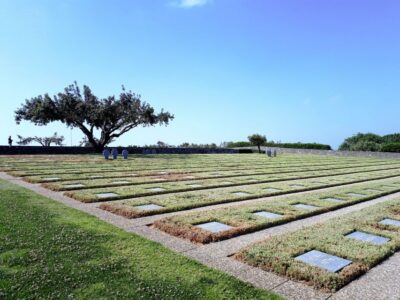
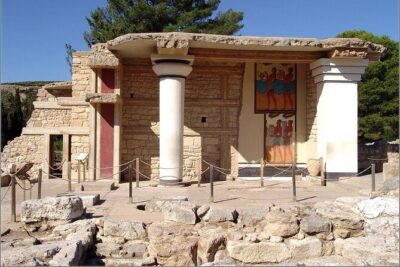


Chania & Western Crete, side by side.
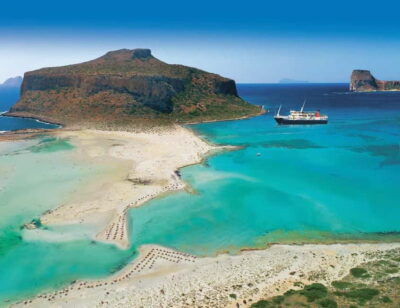 ★ 4.2From Kissamos Port: Boat Cruise to Balos Lagoon & GramvousaFrom $476,755 reviews
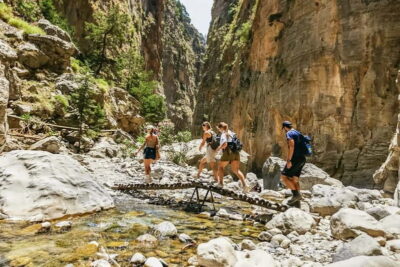 ★ 4.6From Chania: Full-Day Samaria Gorge Trek Excursion & GuideFrom $413,191 reviews
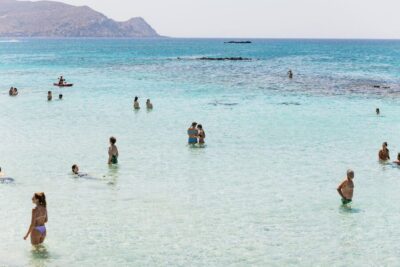 ★ 4.5From Chania: Day Trip to Elafonisi Island Pink Sand BeachFrom $382,014 reviews
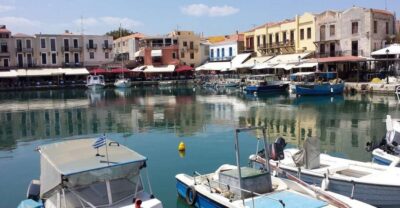 ★ 4.4Crete: Rethimno, Chania, and Kournas Lake Day TripFrom $451,694 reviews
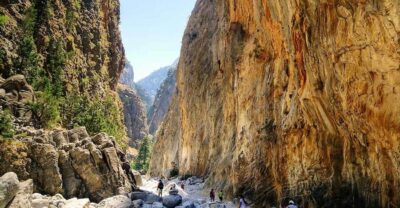 ★ 4.5From Chania/Rethymno: Samariá Gorge Guided Hike with PickupFrom $371,010 reviews
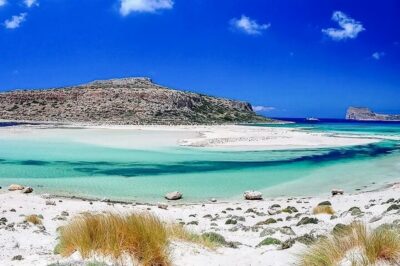 ★ 4.2Chania Areas/Kalyves:Gramvousa Island & Balos,Boat Tkt ExtraFrom $23992 reviews
 ★ 4.5Elafonissi Beach Day Trip from Chania -Stop in Elos VillageFrom $37744 reviews
 ★ 4.6From Chania: Samaria Gorge with Professional Hiking GuideFrom $37720 reviews