
Review · CRETE ISLAND TOURS
Cretan Cooking Class and Dinner: Evening in a Rethymno Home
A Cretan cooking evening beats a quick tasting every time, because you learn the how, not just the what. In Androniki’s home near Rethymno, you spend hours cooking classic dishes in a small group and in a relaxed setting that feels like Greek family time. I love that the evening is built around hands-on cooking, with a chef guide showing you techniques as you work, not just watching from the sidelines.
You also get to eat what you make, with plenty of food, plus wine and after-dinner drinks that match the mood of the meal. The one thing to consider is timing and location, since you start at 6:00 pm and the experience takes place in a home setting up in the hills, so you’ll want to plan transport and arrive on time.
In This Review
- Key highlights you will feel right away
- A Hill-House Evening in Rethymno: why this feels local
- The menu is ambitious, but not chaotic
- Meet Androniki and Pantelis: the hosts who set the tone
- The wood oven and the garden: how the evening actually runs
- Wood oven cooking changes everything
- What you cook: Cretan classics, one plate at a time
- Starters: pies, greens, and the flavor-building basics
- Main course: moussaka and giouvetsi
- Dessert: yogurt or ice cream with local sweets
- Drinks and the raki moment: when the dinner turns festive
- The value question: why $126.50 feels fair for this setup
- Practical logistics: meeting point, timing, and what to bring
- What I suggest you pack
- Who should book this Cretan cooking evening
- Should you book it? My honest call
- FAQ
- How long is the Cretan Cooking Class and Dinner?
- What time does the experience start?
- Where does it meet, and where does it end?
- How many people are in the group?
- Is the class offered in English?
- What food and drinks are included?
- Can I bring up food allergies or dietary restrictions?
- Is there mobile ticket access and confirmation?
- What is the cancellation policy?
Key highlights you will feel right away
- Small group of 10 or fewer for real attention while you cook
- Wood oven cooking outdoors, with the aroma doing half the work
- Herb garden and homegrown produce, including wild greens used in pies
- A full menu of Cretan classics, from pies to moussaka and giouvetsi
- Wine plus raki at the table, so the meal keeps moving
Not settled on one yet? These are the other Cyclades Islands trips that made our review list.



A Hill-House Evening in Rethymno: why this feels local
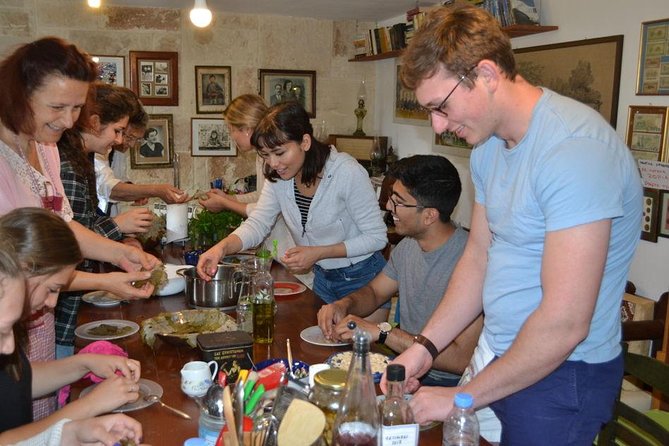
The biggest reason this works is scale. With a maximum of 10 travelers, you are not fighting a crowd for space, ingredients, or a quick answer. That matters for cooking classes, because the difference between good food and great food is usually one small technique, one timing call, or one “watch how I fold this” moment. With a tiny group, you get that kind of attention.
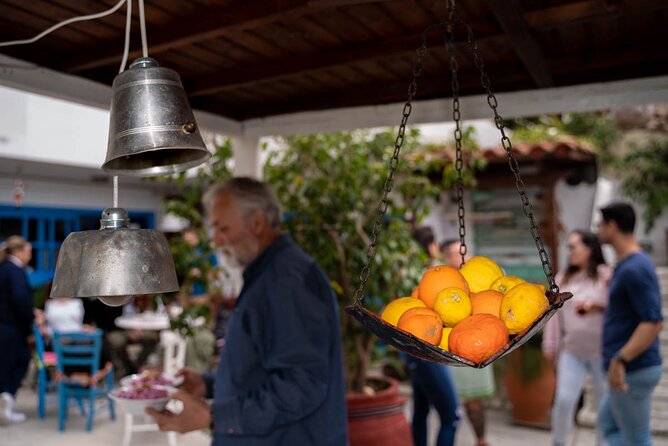
The setting also helps. This happens in Androniki’s home in the hills, with the cooking outdoors and the garden close by. The vibe is calm and social. You’ll be surrounded by the kinds of ingredients that make Cretan food taste the way it does, especially olive oil, vegetables, and herbs.
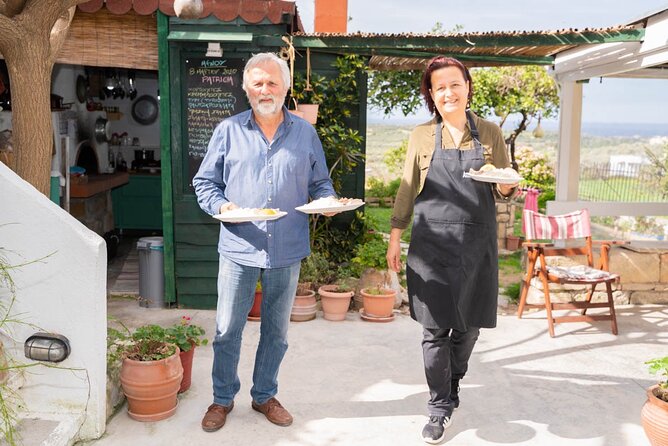
Androniki is the host and teacher, and her husband Pantelis shows up in the evening in the way that counts most, with the homemade raki. If you like meals where the story matters, this one does that naturally.
The menu is ambitious, but not chaotic
The sample menu covers a lot of ground: several starters (including multiple pies), two mains, and dessert. A class that big could feel rushed, but the structure here makes sense. You cook together, taste constantly, and end up with a full dinner that reads like a proper Greek table, not a snack-and-sit exercise.
Meet Androniki and Pantelis: the hosts who set the tone
The host dynamic is part of the value. Androniki’s role is clear from the start, she teaches the dishes, demonstrates techniques, and then lets you do the work. From the way the evening is described, you are expected to participate, which is what makes the recipes useful later.
Pantelis appears as the raki maker, and that matters more than it sounds. Homemade raki is not just a drink, it is part of the hospitality rhythm. It also turns the meal into something you can remember, because you get that fiery punch at the table, right after the cooking and before dessert.
In the reviews, the hosts consistently come across as warm, generous, and genuinely proud of the food. That energy matters. When someone is passionate and comfortable in their kitchen, the class becomes less about perfection and more about good habits you can repeat at home.
The wood oven and the garden: how the evening actually runs
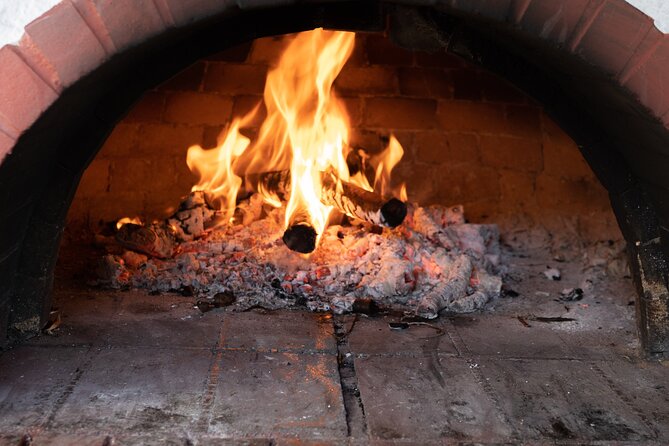
The flow is simple and old-school: herbs and vegetables from the home area, then cooking outside by a wood oven, then sitting down together to eat.
You start with meal basics and classic Cretan technique. Expect demonstrations followed by hands-on work. That could include shaping pies, building fillings, working with dough, and assembling dishes you can recognize from the sample menu.
One of the most practical touches in this kind of class is that it uses what grows there. Homegrown produce and olive oil are not just ingredients on a list. They shape how you season, how you balance flavors, and how much you can rely on fresh herbs.
You may also spend time moving through the herb area before cooking starts, and that is where the evening becomes sensory. Reviews mention walking through the garden and learning new uses for each plant. Even if you think you already know oregano or thyme, it is different when you learn what the local kitchen does with it.
Wood oven cooking changes everything
Wood oven cooking brings heat you can feel. It also changes pacing. You learn that some steps happen while the oven is ready, and others happen while it’s cycling. That is useful knowledge for home cooks too, because it teaches you to plan around heat rather than trying to cook everything at the same exact moment.
What you cook: Cretan classics, one plate at a time
This is not one dish class. It’s a “cook your way through a dinner” class, with specific Cretan dishes you can name later.
Starters: pies, greens, and the flavor-building basics
The starter lineup is heavy on pies and small plates, which is a smart way to teach multiple techniques quickly.
You can expect:
- Cheese pies as an opening bite, with a warm, savory start
- Kremidokalitsouna, a classic that focuses on flavor and delicate handling
- Small pies with onions
- Chortopities, made with wild greens
- Sfakianes pites, with home-made cheese in the filling
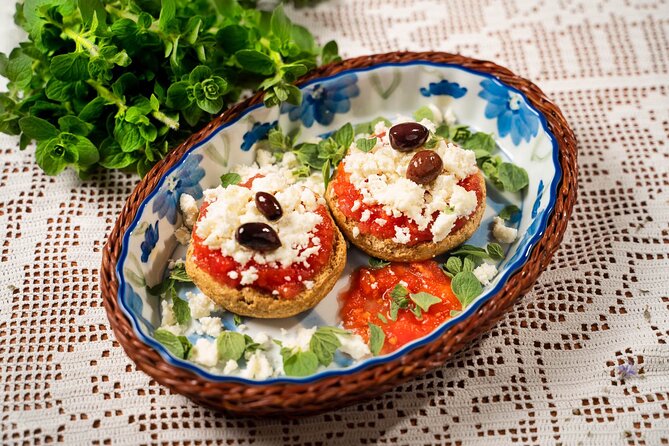
- Greek salad with home-made barley rusk and plenty of olive oil
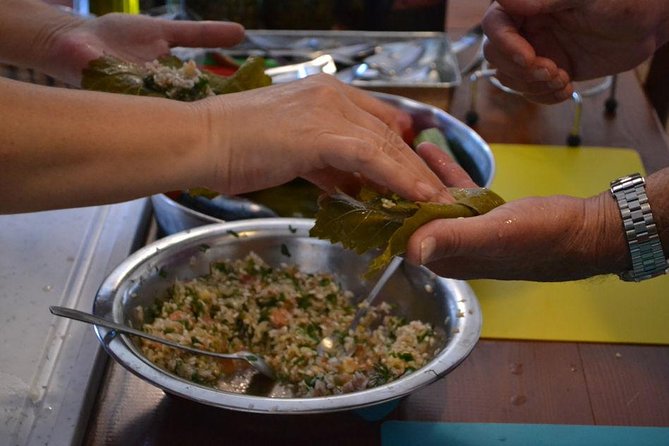
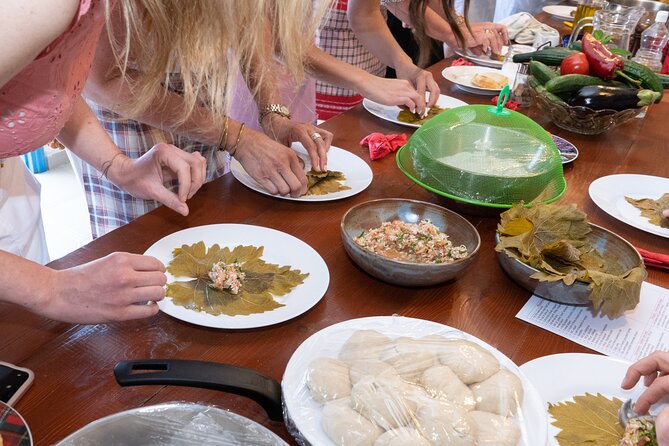
- Dolmadakia, stuffed vine leaves, plus zucchini flowers filled with rice, vegetables, herbs, and olive oil
A key detail here is the greens. The Chortopities use a mix of wild greens, and the description points to small pies with many greens. That makes the class more than just dough work. You learn how greens behave, how they shrink when cooked, and how seasoning changes once they soften.
Also, the Greek salad is not the plain version. It includes tomatoes, cucumber, green pepper, onion, caper, kritamo, olives, and enough olive oil to make it worth eating slowly. The barley rusk adds crunch and texture, and it is the kind of detail that makes your finished plate feel “real,” not generic.
Main course: moussaka and giouvetsi
For mains, you’ll cook or prepare:
- Moussaka, with potatoes, zucchini, aubergines, minced meat in tomato sauce, and béchamel
- Giouvetsi, a wood oven Sunday-style dish with rooster and orzo
Moussaka can sound intimidating, but in a class like this it is learnable because it breaks into steps: sauces, layering, and final bake or oven finish. You also get a chance to see how balance works, especially with béchamel, so it is not just a thick topping.
Giouvetsi is the standout “local Sunday” dish angle. Rooster with orzo cooked in the wood oven is classic Cretan comfort food. Even if you do not plan to cook rooster at home, you can still apply the logic of braise and sauce thickness to other meats.
Dessert: yogurt or ice cream with local sweets
For dessert, you’ll likely have Greek yogurt or homemade ice cream, plus a sweet spoon or a local sweet. This kind of ending is practical too. It gives you a palate reset without turning the last course into a complicated production.
Drinks and the raki moment: when the dinner turns festive
Expect Greek wine with the meal, and after dinner drinks too. The biggest “you will remember this” detail is the raki. Androniki and Pantelis make it at home, and the description calls it fiery, which fits the way raki is meant to feel.
This is not a “one small sip and done” setup. It is part of the dining arc, coming after the cooking and meals are underway. That helps you relax, because the evening stops feeling like a classroom and turns into a shared table.
The value question: why $126.50 feels fair for this setup
At $126.50 per person for about four hours, this isn’t the cheapest way to eat well in Greece. But it is priced like a small-group experience with real instruction and a full dinner.
Here’s what you are actually paying for:
- A small group size, so the host can teach and guide properly
- A true multi-course menu, including wine and after-dinner drinks
- Practical skill building, with demonstrations and hands-on work
- Recipes you can take home, so the evening pays off later
When classes are big or short, you often leave with hunger and a folder of vague instructions. This one is structured so you leave full, and you leave with the steps and know-how to recreate at least part of the meal.
Also, outdoor cooking and wood oven work takes time and care. That is reflected in the duration and what’s included.
Practical logistics: meeting point, timing, and what to bring
This starts at 6:00 pm and runs about 4 hours. It ends back at the meeting point. The start location is listed as Loutra 741 50, Greece, but the full address is on your confirmation voucher under the Before you go section.
It’s near public transportation, but since it is in the hills, I recommend planning for the reality of uneven paths and getting there before dark.
What I suggest you pack
From the home-and-garden feel, you’ll likely enjoy this more with:
- Comfortable shoes for outdoor ground
- Light layers, because evenings can shift in temperature
- A small note app, so you can jot down measurements or steps while you remember them
If you have any allergies or a special diet, you need to communicate it. The experience asks you to share restrictions in advance, so do it early.
Service animals are allowed, so if that’s relevant, you can bring along what you need.
Who should book this Cretan cooking evening
This is a great fit if you want:
- A real cooking class, not a buffet line
- A small group dinner with hands-on teaching
- Classic Cretan dishes like pies, moussaka, and giouvetsi
- A home-style atmosphere with herbal ingredients and wood oven cooking
You might especially like it if your travel style is about food culture and learning techniques you can repeat. It’s also a good match for couples and small groups who want something more personal than a big tour.
If you dislike outdoor cooking settings, or if you want a low-interaction meal experience, you might find it more involved than you expect. But if you are curious and willing to cook, it should click quickly.
Should you book it? My honest call
I would book this if you care about learning actual Cretan cooking methods and you want your dinner to come with context. The small group size, the wood oven outdoor setup, and the full multi-course meal make the price feel justified. It is also the kind of evening that leaves you with recipes you can use, not just photos you can scroll past.
It might not be for you if you want minimal involvement, or if you have trouble with hills and outdoor footing. But for most people who like food, this is one of those “spend the evening well” experiences.
FAQ
How long is the Cretan Cooking Class and Dinner?
It lasts about 4 hours.
What time does the experience start?
It starts at 6:00 pm.
Where does it meet, and where does it end?
It starts at Loutra 741 50, Greece, and it ends back at the meeting point. The full address is provided on your confirmation voucher.
How many people are in the group?
The group size is maximum 10 travelers.
Is the class offered in English?
Yes, it is offered in English.
What food and drinks are included?
You will cook and then enjoy what you’ve made, with a full meal. The menu includes multiple starters, mains like moussaka and giouvetsi, dessert, and includes wine plus after dinner drinks. Raki is also included.
Can I bring up food allergies or dietary restrictions?
Yes, you need to communicate any food restrictions (allergy, special diet, and so on) when booking.
Is there mobile ticket access and confirmation?
You receive a mobile ticket, and you will receive confirmation at the time of booking.
What is the cancellation policy?
Free cancellation is available if you cancel up to 24 hours in advance for a full refund. Cancellation within 24 hours of the start time is not refundable.
Everything else we have written up around Cyclades Islands



Crete Island Tours, side by side.
 ★ 4.6Crete: Day Trip to Agios Nikolaos and Spinalonga IslandFrom $444,416 reviews
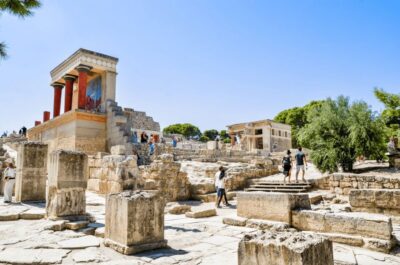 ★ 3.9Crete: Knossos Palace Entry Ticket with Optional Audio GuideFrom $302,251 reviews
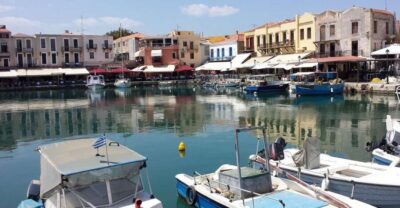 ★ 4.4Crete: Rethimno, Chania, and Kournas Lake Day TripFrom $451,694 reviews
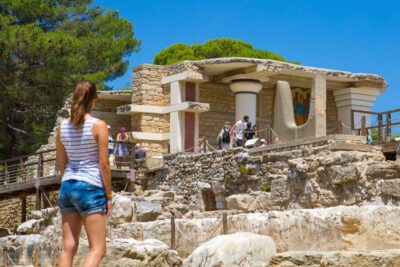 ★ 3.8Crete: Palace of Knossos E-Ticket and Audio GuideFrom $341,540 reviews
 ★ 4.4From Heraklion/Crete: Santorini Island Guided Day TripFrom $2001,448 reviews
 ★ 4.9Agia Pelagia Crete Quad Bike authentic backland TourFrom $501,430 reviews
 ★ 4.9Crete: Sunset or Morning Quad with Local Products TastingFrom $941,135 reviews
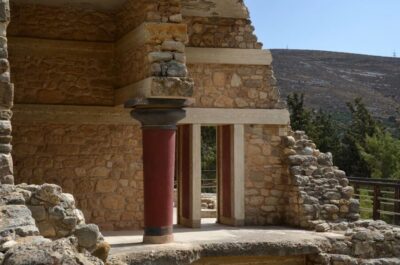 ★ 4.4Crete: Knossos Palace & Heraklion Guided TourFrom $351,127 reviews