
Review · CRETE ISLAND TOURS
Crete: Full-Day Cretan Wines, Olive Oil, Raki and Food Tour
Raki can take you by surprise. This small-group Crete day links olive oil tasting with vineyards, winery pours, and hands-on pottery in a traditional village.
I really like the way the stops connect into one story of Cretan farming, from olives to grapes to spirits. The only real drawback is the schedule is packed, so if you want slow sightseeing and long hangs, this 8-hour plan may feel busy.
In This Review
- Quick hits you should know before you go
- A full day of Crete’s three big flavors: wine, olive oil, raki
- Pickup, van time, and why the small group matters
- Skalani stop: brunch, local snacks, and an easy start
- Olive grove and olive mill: where the tasting actually has meaning
- The family winery with five wine tastings and vineyard views
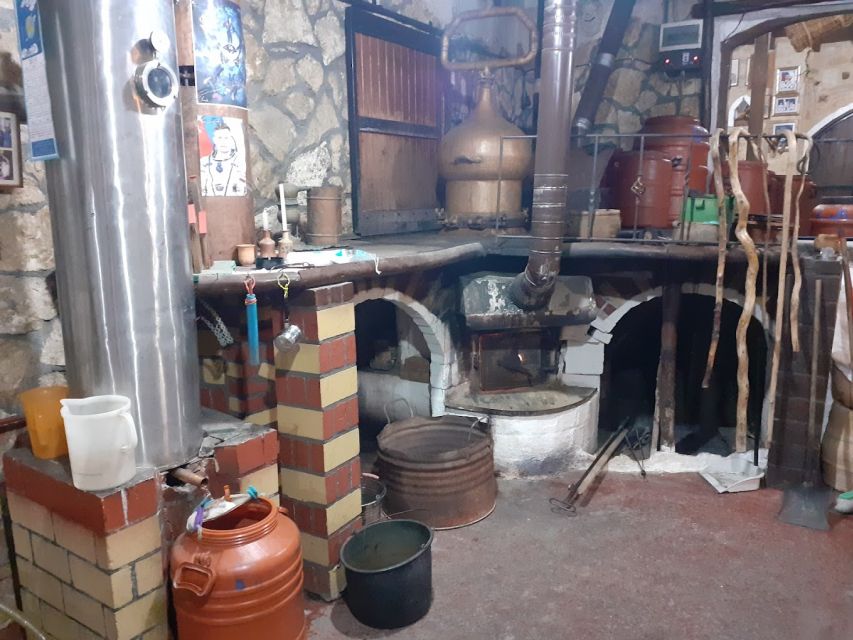
- The rakokazano and ancient wine press: raki tour without the attitude
- Traditional lunch in a local taverna: the energy reset
- Thrapsano pottery workshop: wheel throwing and a silly sense of pride
- What to buy, what to skip, and how not to overdo it
- Price and logistics: is $141 worth 8 hours?
- Who this tour is for, and who should pass
- Should you book this Crete wines, olive oil, raki, and pottery tour?
- FAQ
- How long is the tour?
- What is the group size?
- What does the tour include?
- Is lunch included?
- What do you taste during the day?
- Do they offer a pottery making experience?
- Is the pottery studio available on Sundays?
- What languages are the tour guides?
- Can I request dietary options?
- What is the cancellation window?
Quick hits you should know before you go
- Max 8 people, so you get more time with the producers and guides like Antonis, George, and Anthony
- Five wine tastings at a family-run winery, plus vineyard time and scenic viewpoints
- A stop at a local olive mill and olive grove, ending with fresh olive oil tasting
- Raki at the rakokazano, with a distillery tour that includes an ancient wine press
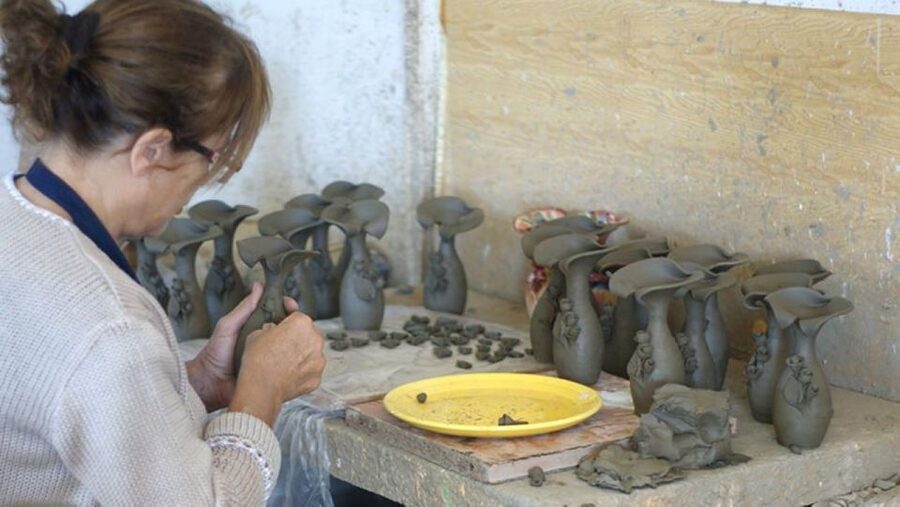
- Pottery workshop in Thrapsano, with wheel-throwing for some participants
- Packed day, but the hospitality at each stop makes the pace feel worth it
Other Crete write-ups on the list

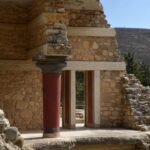

A full day of Crete’s three big flavors: wine, olive oil, raki
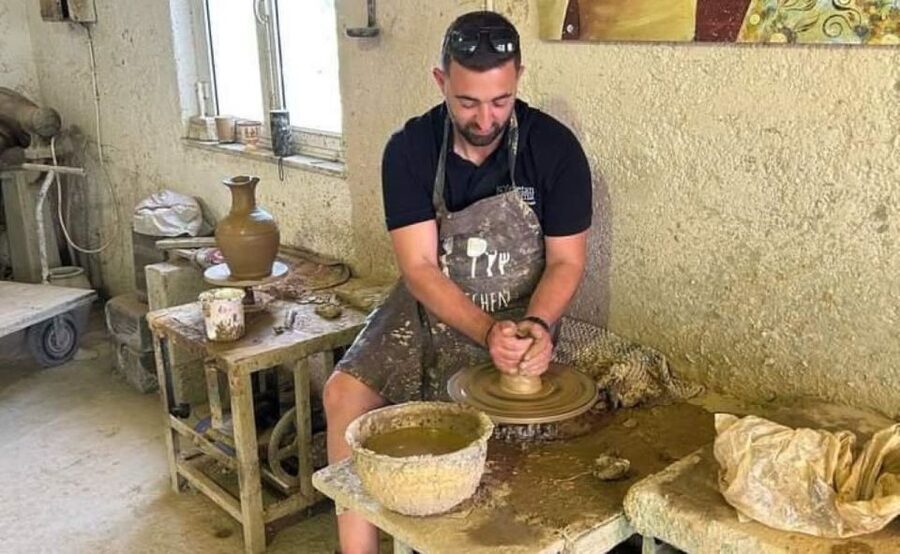
This is one of those tours that makes Crete feel simple, olives, grapes, and raki. You start with products that drive local life, then you move through the people and processes behind them. It is a practical way to learn, because you taste as you go, not after the fact.
I like that the day does not just throw drinks at you. You get tours at the olive grove and olive mill, a guided winery visit with tastings, and a raki distillery tour. Each stop gives you a different angle on how Cretan agriculture turns into the bottles you see later in shops.
Yes, raki shows up more than once. It is part of the culture here, and it also means you should pace yourself, drink water, and plan a calmer dinner after.
Pickup, van time, and why the small group matters
This tour runs about 8 hours with hotel pickup and return to your accommodation. You will ride in a van, with short transfers between rural stops. It is not a bus tour where you sit silently while the scenery blurs by.
With a small group limited to 8 participants, you usually get real conversation, not just a running lecture. Many people specifically mention how guides like George or Antonis keep things friendly and easy, even when the group includes people from different countries. That matters on a tasting-heavy day, because you will want questions answered and you will want to understand what you are tasting.
Practical tip: wear comfortable shoes. The tour includes visits to working farms and studios, and you might walk on uneven ground around the grove and mill areas.
Skalani stop: brunch, local snacks, and an easy start
The day often kicks off around Skalani, where you get a guided visit and a brunch-style start with local snacks. This is a good warm-up because it sets the tone, you are not starting hungry or overwhelmed. It also helps your palate, especially before wine and raki tastings later.
In the same area, you are likely to get first glimpses of the landscape and the farming backdrop that makes Cretan products possible. That early context makes the later olive oil and wine explanations click faster.
If you are the type who gets hangry before tastings, treat this first stop as your foundation. Eat slowly, and save your most enthusiastic questions for your guide once you are settled.
Olive grove and olive mill: where the tasting actually has meaning

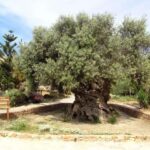
One of the strongest parts of this tour is the olive grove and olive mill visit. You do not just hear about olives, you see the grove, then you tour a local mill. After that comes the part that matters most, fresh olive oil tasting.
This is where the tour becomes more than a drinking day. Olive oil here is not a souvenir, it is a daily ingredient and a major local product. Touring the grove gives you a sense of scale and tradition. Seeing the mill gives you an idea of how much effort goes into turning fruit into oil.
What to expect during the tasting: you will likely sample oil in a way meant to help you notice differences. Some people pick up new favorites, but the bigger win is understanding why one oil smells grassy or punchy and another tastes milder.
Practical tip: if you love cooking, this stop can be your best buying moment. You will be able to connect the taste to what you saw at the grove.
The family winery with five wine tastings and vineyard views

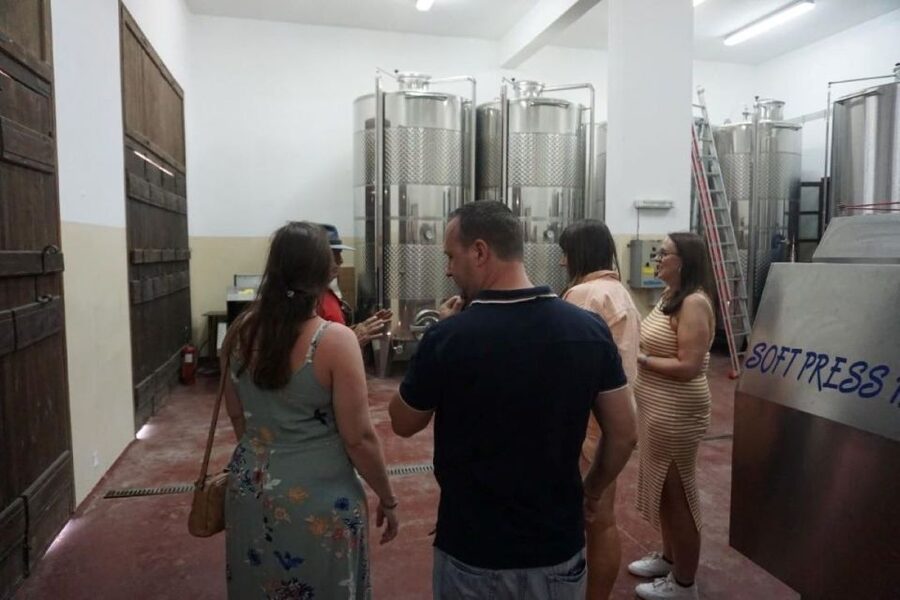
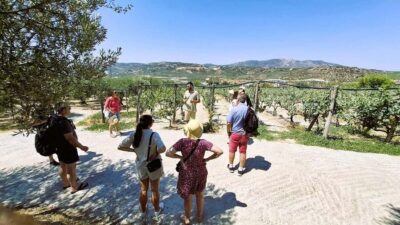
Next comes the winery portion, usually a family-owned winery that uses organic methods for cultivation. You get a guided tour around the vineyards and winery, then you taste five wines.
I like winery stops that do not pretend there is a single right answer. The best learning comes from trying multiple pours and getting guidance on what you are sensing. A tasting of five wines gives you range, not just one safe sample.
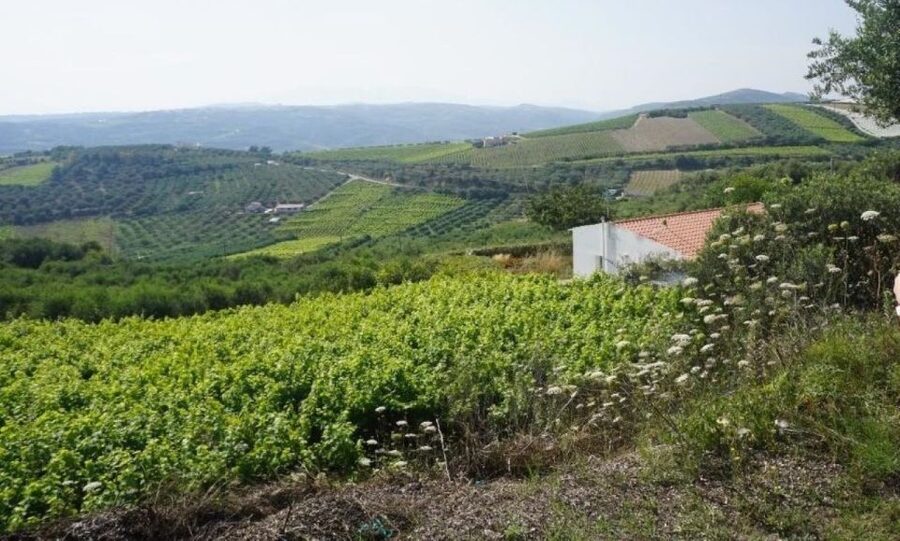
Scenic viewpoints are part of the experience too. You will often see the hills and vineyard rows from strategic pull-offs on the way, which helps you understand why grapes thrive here.
If you drink wine, come ready to focus. If you do not, you can still learn a lot, because you will hear how farming choices and grape varieties affect what ends up in the glass.
More groves, mills and farm tables
- Crete: Quad Safari, Olive Mill with Tasting & Ghost Village★ 4.9 · 1,004 reviews
- From Chania: Olive Oil, Wine, Cheese & Honey Tasting Tour★ 4.6 · 490 reviews
- Crete: Road-trip to Lasithi Plateau & Olive Mill Farm★ 4.4 · 420 reviews
- From Chania: Wine and Olive Oil Tasting Tour with Snacks★ 4.8 · 354 reviews
The rakokazano and ancient wine press: raki tour without the attitude
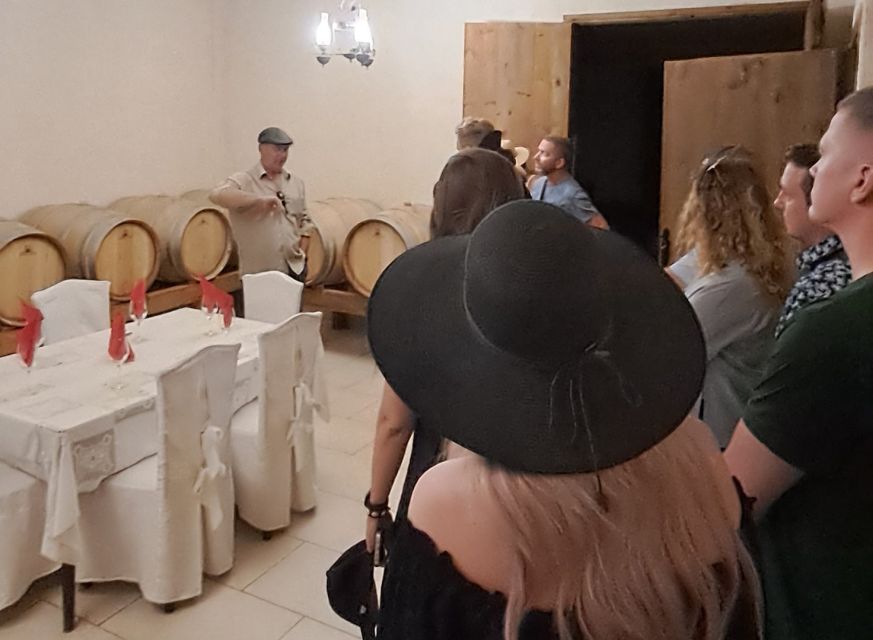
Raki is the famous Cretan spirit, and this tour gives it serious time. You visit a distillery with an ancient wine press, then you enjoy wine and raki tasting in the rakokazano.
This part of the day is often the favorite for people who want something truly local. It is not just a production story, it is a ritual story. Raki is tied to agriculture and to how communities keep celebrations going.
You should expect the raki to be strong. Many people give a friendly warning about it, but the tour style stays light and fun. Some mention flavored raki options like lemon raki, which can make the experience feel less intense while still giving you the real deal.
Practical tip: drink water between tastings. If you want to buy bottles, wait until you finish the whole tasting sequence so you can compare.
Traditional lunch in a local taverna: the energy reset
By lunch, you are usually ready for something warm and filling. The tour includes a traditional lunch at a local tavern, with local specialties and enough food to satisfy a big appetite.
This is not a tiny snack. The day is intentionally structured so you get a real meal after the raki and before pottery. Reviews and overall tour design point to generous portions and a menu built around regional staples.
I consider this lunch stop a key value piece. You are paying for more than drinks and tours. You are also getting access to a local table where you can recharge and keep your stamina for the final studio visit.
Dietary needs: the operator asks you to contact them at least 48 hours in advance for special requests like vegetarian meals or allergies.
Thrapsano pottery workshop: wheel throwing and a silly sense of pride
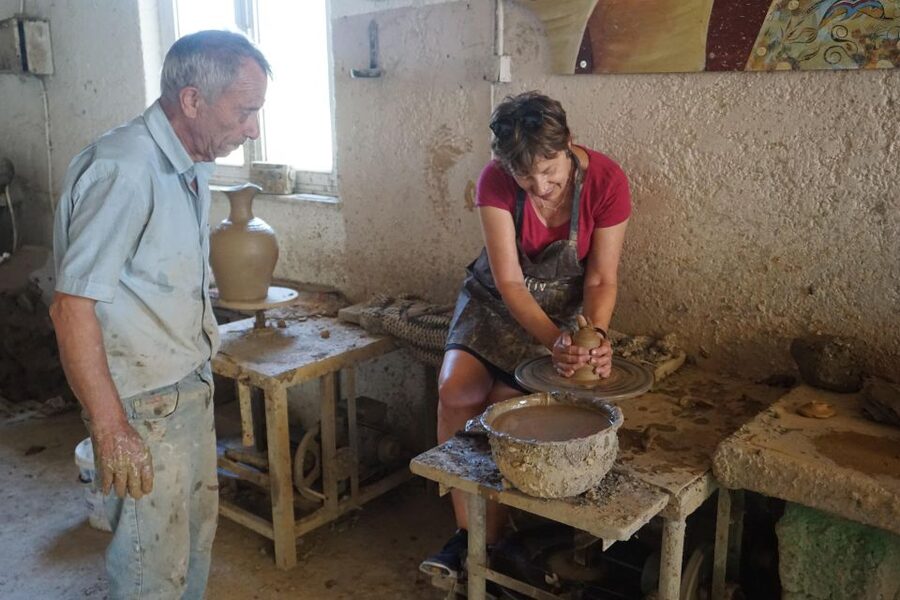
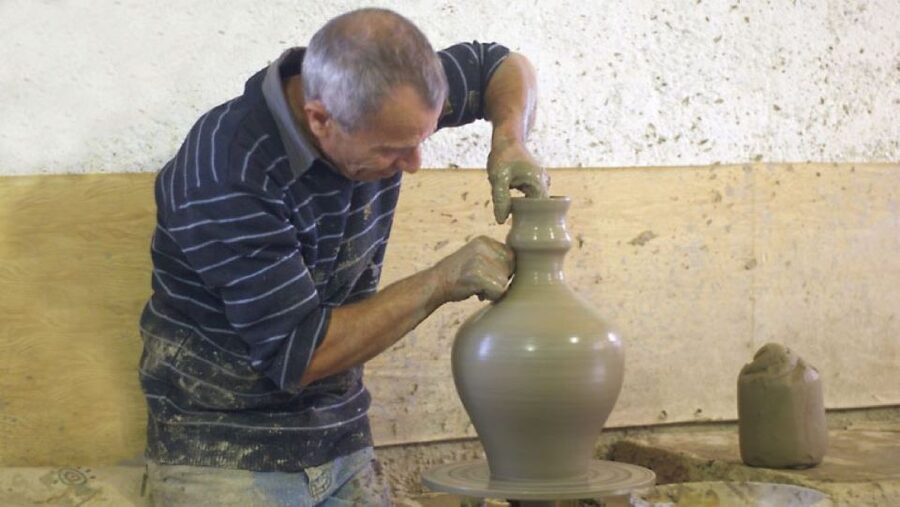
The last cultural hit is pottery making in a traditional village, with the pottery studio visit tied to Thrapsano. This is where the day becomes hands-on.
Many people mention wheel throwing and the chance to try making your own piece. Even if your first attempt looks like it came from a science fair, it is a fun finale because you can physically feel the process. It also slows you down a bit, in a good way, after multiple tastings.
Important note: the pottery lab is not available on Sundays. If you are visiting on a Sunday, ask your operator ahead of time what replaces that final studio time.
What to buy, what to skip, and how not to overdo it
This is a shopping friendly day, in the best way. You will have chances to purchase items from local producers during the stops. That can include olive oil and wine, and possibly pottery from the studio.
If your plan is to take bottles home, think practical:
- Buy what you will actually use, not just what sounds impressive.
- Compare at least two tastings before committing.
- Bring a plan for transport, because you will likely buy more than one item.
About raki: it is easy to get carried away. Keep it fun, but protect your next day plans. A strong spirit plus a full schedule is a combo that can sneak up fast.
If you are bringing cash, it can help. One reviewer mentioned a day when card processing was down due to a storm, so having some cash is smart insurance.
Price and logistics: is $141 worth 8 hours?
At $141 per person for an 8-hour outing, you are paying for a lot of included value. The tour includes round-trip pickup, a small group van, guided tours, tastings across olive oil, wine, and raki, plus lunch and the pottery studio time (when available).
Here is why the price can feel fair: you are not paying separately for transportation, entry, multiple tastings, and a meal. Most single-producer tasting experiences cost less up front but deliver fewer stops and less cultural context.
The real test is fit. If you want to learn through tasting and you enjoy meeting local producers, this is a strong use of a day. If you prefer beach time or slow walking, the packed schedule might feel like money spent without enough breathing room.
Who this tour is for, and who should pass
This tour is a great match if you:
- Want a one-day overview of how Crete turns olives, grapes, and distilling into products you can buy and taste
- Enjoy rural stops and family-run businesses rather than big tourist set pieces
- Like a guide who keeps the mood friendly, with names like George, Antonis, and Anthony popping up in positive mentions
I would pass if you:
- Want a quiet day with lots of downtime
- Do not handle strong spirits well, even with a slower pace and plenty of food
Also, if pottery on Sundays matters to you, recheck dates. The pottery lab not running Sundays is the one clear scheduling catch.
Should you book this Crete wines, olive oil, raki, and pottery tour?
I say book it if you want an efficient, local-feeling Crete day where taste and culture move together. The combination of olive grove plus olive mill, a winery with five wines, and a distillery with an ancient wine press gives you variety that still feels coherent.
Do not book it if you want a laid-back day or if you get overwhelmed by lots of tastings in a short window. In that case, choose a shorter format or a single-producer experience.
If you do book, plan to eat well at the start, sip water throughout, and keep a little space in your bag for olive oil, wine, and maybe pottery.
FAQ
How long is the tour?
The tour duration is listed as 8 hours.
What is the group size?
It is a small group limited to 8 participants.
What does the tour include?
Included items are transport, pickup and return to your accommodation, guided tours, an olive grove and olive mill tour, guided winery and distillery tours, wine and raki tastings, lunch, and a pottery studio tour (optional when available).
Is lunch included?
Yes. Lunch at a local tavern is included.
What do you taste during the day?
You will taste olive oil, five wines at the winery, and raki during the distillery stops, with wine and raki tastings included.
Do they offer a pottery making experience?
Yes. There is a pottery studio visit, with pottery making as an optional part of the experience.
Is the pottery studio available on Sundays?
No. The pottery lab is not available on Sundays.
What languages are the tour guides?
The tour guide speaks English and Greek.
Can I request dietary options?
Yes. You can contact the local operator at least 48 hours in advance for dietary needs such as vegetarians or allergies.
What is the cancellation window?
You can cancel up to 24 hours in advance for a full refund.
Meze Crawls and Market Plates

Groves, Mills and Farm Tables


More of Crete On the List
Everything else we have written up around Crete



Crete Island Tours, side by side.
 ★ 4.6Crete: Day Trip to Agios Nikolaos and Spinalonga IslandFrom $444,416 reviews
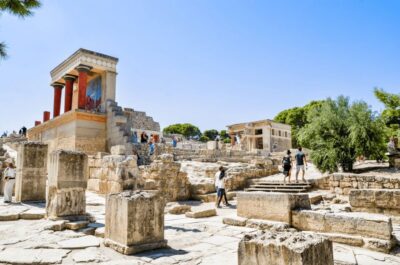 ★ 3.9Crete: Knossos Palace Entry Ticket with Optional Audio GuideFrom $302,251 reviews
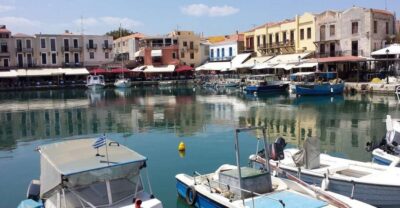 ★ 4.4Crete: Rethimno, Chania, and Kournas Lake Day TripFrom $451,694 reviews
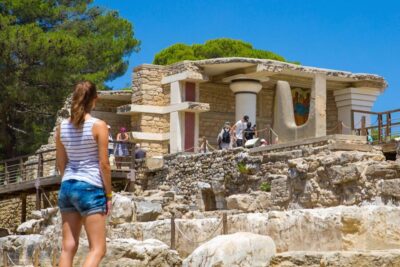 ★ 3.8Crete: Palace of Knossos E-Ticket and Audio GuideFrom $341,540 reviews
 ★ 4.4From Heraklion/Crete: Santorini Island Guided Day TripFrom $2001,448 reviews
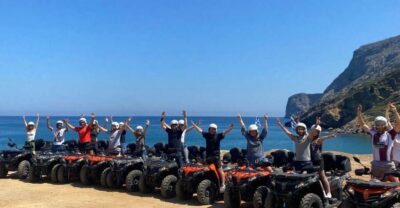 ★ 4.9Agia Pelagia Crete Quad Bike authentic backland TourFrom $501,430 reviews
 ★ 4.9Crete: Sunset or Morning Quad with Local Products TastingFrom $941,135 reviews
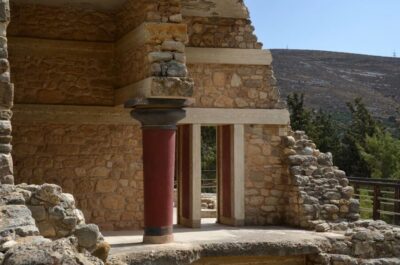 ★ 4.4Crete: Knossos Palace & Heraklion Guided TourFrom $351,127 reviews