
Review · CRETE ISLAND TOURS
From Chania: Crete World War II History Tour
Crete turns into a living battlefield. This Chania-based World War II history tour takes you to the places tied to Maleme airfield landings, then keeps going to the bridges, monuments, and graves that explain what happened after the first parachutes hit. Guides like Yanis and Babis tend to use maps and old photos to make the May 1941 fighting feel clear, not confusing.
I love that you see the action from the ground, literally, and not only from plaques. I also love the mix of small stops, like museums and shelter sites, that fill in the day-to-day reality of occupation and resistance.
One thing to plan for: it is a compact schedule with limited comfort breaks, so wear good shoes and time your water and bathroom stops.
In This Review
- Key highlights worth planning around
- Why this WWII tour from Chania makes sense
- From Maleme airfield to the first landings
- Tavronitis Bridge: where movement and resistance collide
- Galatas battle sites and the fight you can picture
- Operation Mercury, the wider war, and the partisans’ role
- Museums, secret shelters, and the remnants that stick with you
- War cemeteries for German and Allied forces
- Timing, comfort breaks, and what to pack
- Price and value: is $111 worth it?
- Who this WWII history tour is best for
- Should you book the Chania World War II History Tour?
- FAQ
- What is the duration of the tour?
- Where does the tour depart from?
- What main WWII sites will I visit?
- What is included in the price?
- How do I know what time it starts?
- What languages will the guide speak?
- What should I bring, and what should I wear?
- Are pets allowed on the tour?
- Is there free cancellation?
Key highlights worth planning around
- Maleme airfield viewpoints: see where the first landings happened, with the terrain explained.
- Tavronitis Bridge and Galatas: connect the big battle story to specific locations you can stand on.
- Secret shelters and small museums: you get details beyond the most famous memorials.
- Operation Mercury context: learn the chain from the 1940 Greek-Italian war to Hitler’s Crete invasion.
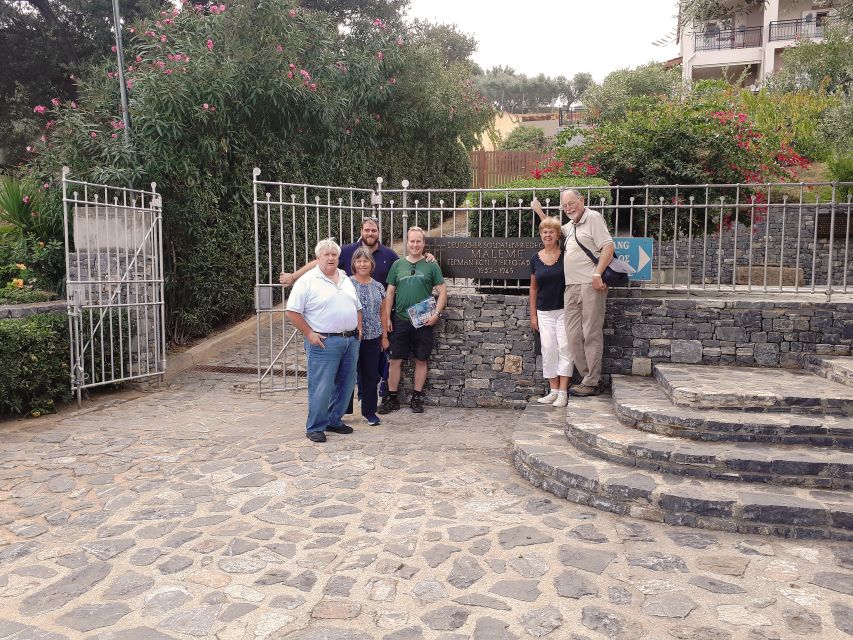
- German and Allied war cemeteries: a rare chance to pay respects to both sides, respectfully.
- Small-group pacing in an air-conditioned van: easier conversations, less rushing between stops.
More of Chania and the west of the island
Why this WWII tour from Chania makes sense
If you want WWII on Crete that feels anchored to place, this tour is a strong option. You start in the Chania region, then spend a focused 6 hours bouncing between battle sites, monuments, and cemeteries tied to the Battle of Crete.
What I like most is the way the story is built step-by-step. You get background on the Greek-Italian War of 1940, then how those pressures helped set up Hitler’s Operation Mercury. After that, you move through the invasion and the resistance period, including the role of partisans in helping Allied operations.
You should also know this is not a “hang around and wander” kind of day. It is purposeful and site-heavy, which is why it tends to work best for history-minded visitors who enjoy short explanations and then quick movement to the next stop.
From Maleme airfield to the first landings
The day’s tone is set early around Maleme. You do more than drive past it. You get a chance to see the Maleme airfield area from above, which helps you understand why that coastline matters in a landing story.
Then the focus shifts to Maleme as a place, not just a date. You connect the terrain to what German paratroopers faced during their first landings, and you learn how that early momentum shaped the next moves across the island.
This is one of those stops where a good guide changes everything. The best moments happen when maps and old photos get compared to what you can still see today. Even if WWII details are not your thing, the logic of “why here” becomes easier fast.
Tavronitis Bridge: where movement and resistance collide
After Maleme, the route moves toward Tavronitis Bridge. Bridges sound simple, but in wartime they are choke points. This stop helps you understand the push and pull of forces trying to control movement, roads, and routes in and out of key areas.
What you gain here is a clearer picture of how fighting played out beyond the dramatic headlines. The tour connects the action to the geography, so you start to “read” the landscape in terms of routes and constraints, not just scenery.
If you like the human scale of history, Tavronitis is a good one. It gives you a specific reference point to hold onto while the story expands into larger battle phases.
Galatas battle sites and the fight you can picture
Next comes the battle area around Galatas. This is where the tour starts to feel like a guided walk through a timeline you can physically track. You learn about what happened, then you revisit the same theme in multiple ways, through monuments, remnants, and the explanation of how the battle unfolded.
The practical benefit is that the guide turns abstract strategy into something you can picture. Once you’ve seen the relevant terrain and the related markers, the Battle of Crete story stops being a list of places and starts becoming a sequence of decisions.
This also pairs well with the tour’s “small evidence, big meaning” approach. You are not only looking at one big memorial. You are seeing a chain of sites that collectively show how the war left traces and how locals coped during the occupation.
Operation Mercury, the wider war, and the partisans’ role
A big reason to book this particular tour is that it does not treat Crete as isolated. You hear how the events on Crete link back to the wider conflict in southeast Europe and Greece, including the build-up to Operation Mercury.
Then the story takes a turn that many WWII tours skip. Instead of ending at the invasion, it brings you into the resistance period. You hear about secret shelters and the way partisans supported and influenced Allied efforts.
In plain terms, you get a better understanding of why Crete mattered even after the initial battle days. The resistance and occupation era helped keep morale alive for Allied troops around the world, and it affected the broader campaign picture through continued pressure on the occupiers.
I find that this context makes later cemetery visits hit differently. You start to understand who was fighting, why they were there, and how the island kept shaping the war long after the first landings.
Other Crete write-ups on the list
- Cretan Safari – 4×4 Adventure to Preveli Beach with Lunch★ 5.0 · 780 reviews
- Stand -Up Paddleboard and Multi-Surprise Elements Tour in Crete★ 5.0 · 554 reviews
- Crete Wine and Olive Oil Tour★ 5.0 · 272 reviews
- Explore the White Mountains of Crete★ 5.0 · 150 reviews
Museums, secret shelters, and the remnants that stick with you
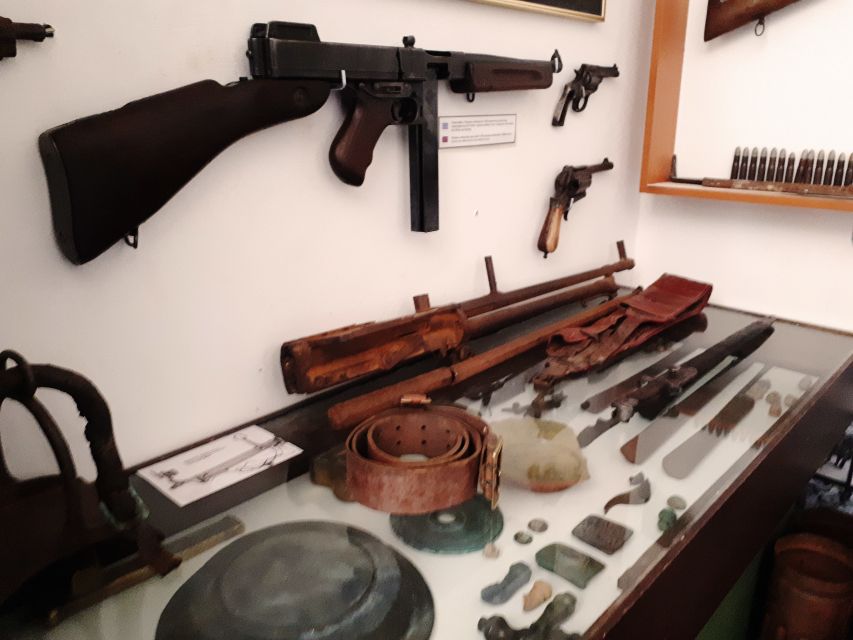
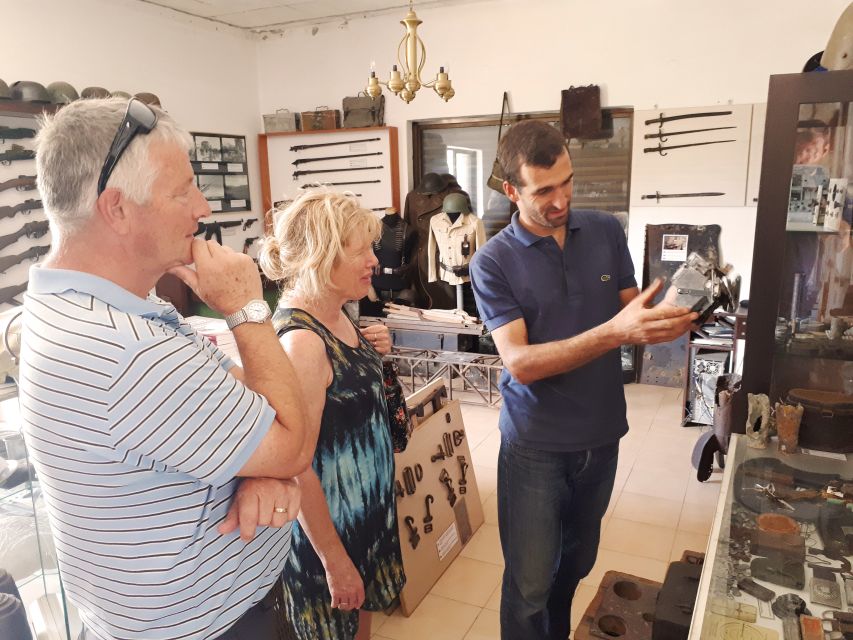
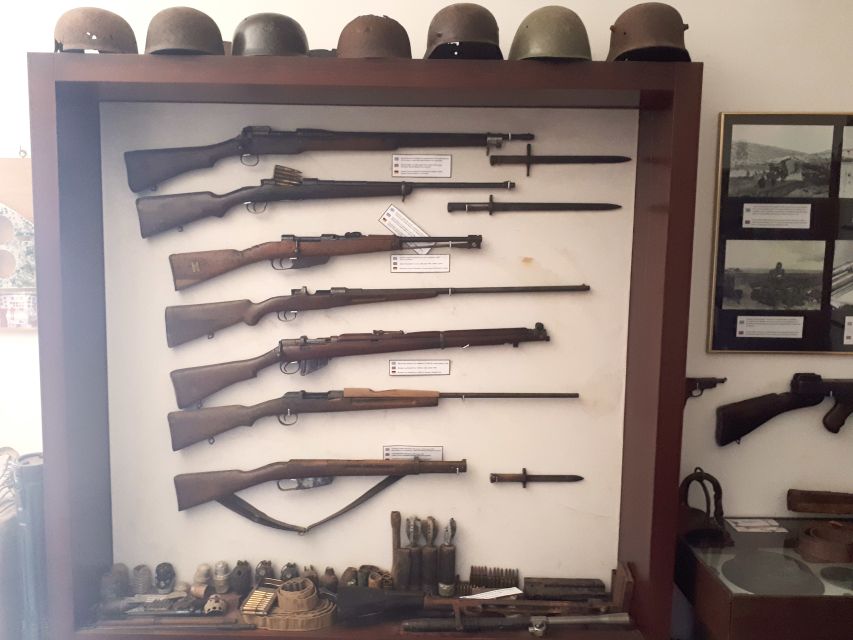
One of the smartest parts of this tour is the inclusion of smaller museums and less obvious remnants. These stops can be brief, but they carry weight because they add texture. You are not just walking to monuments. You are seeing artifacts, reading context on site, and learning what people actually used or hid.
The secret shelter element is especially compelling. It helps you grasp occupation life as more than a battlefield story. You begin to picture fear, improvisation, and the constant need for safety.
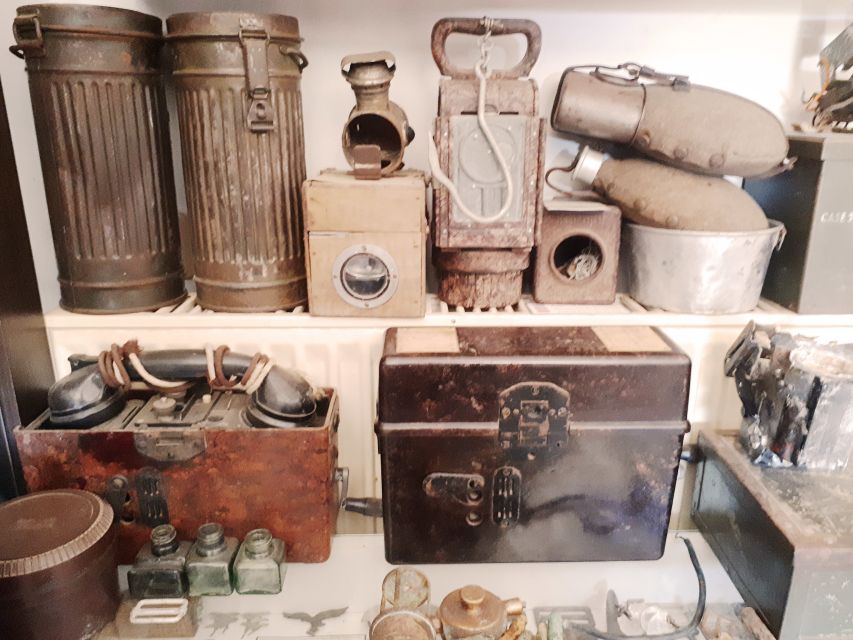
Many guests also highlight the visit to a local private collector. This kind of stop can be surprisingly moving because it turns WWII items into personal discoveries with local context. If you love details, this is often the moment that makes the whole day feel more human.
War cemeteries for German and Allied forces
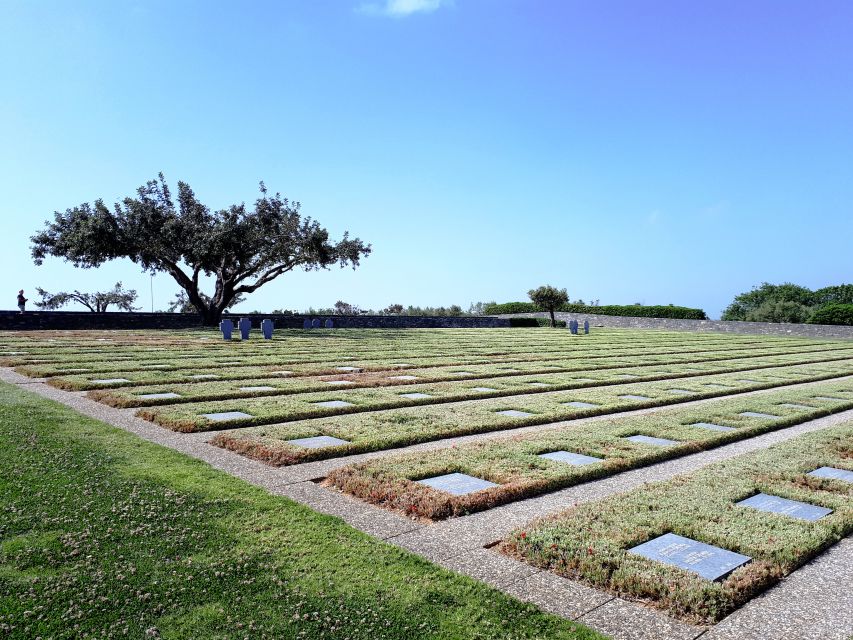
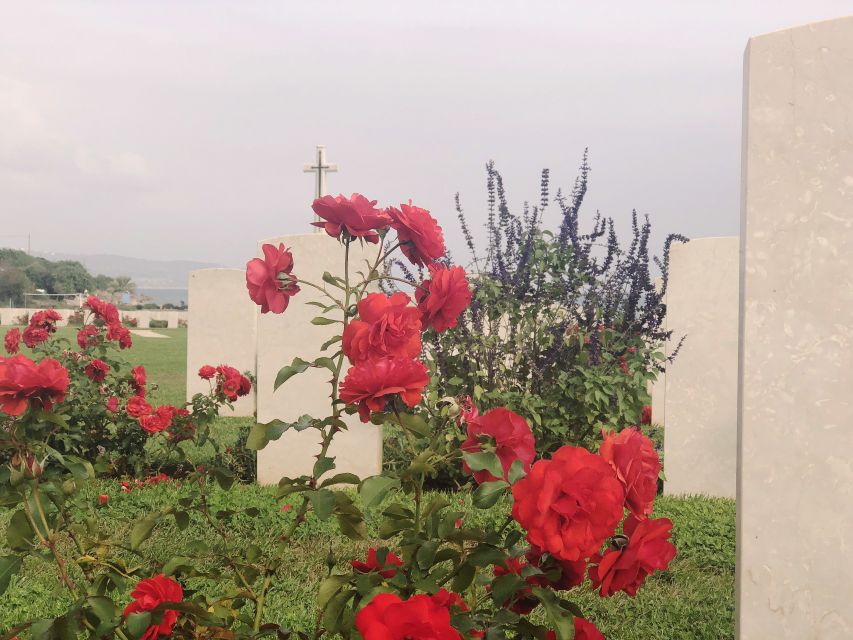
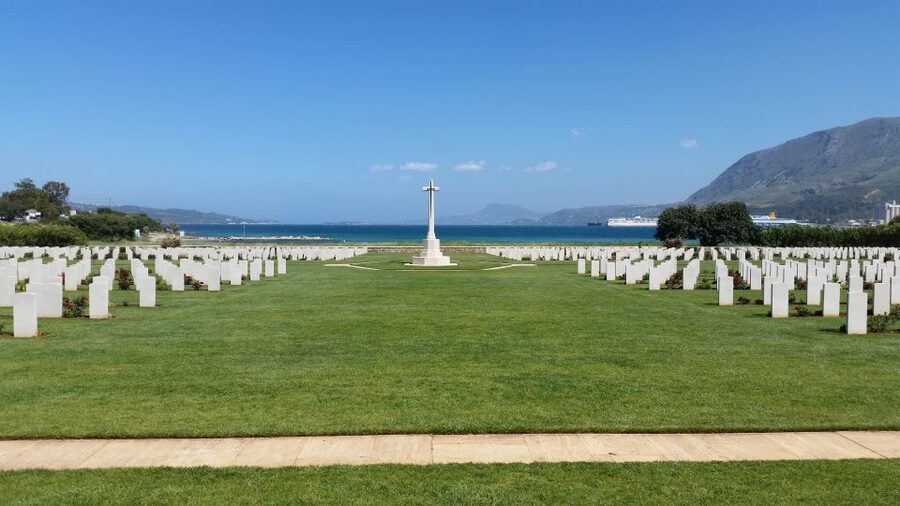
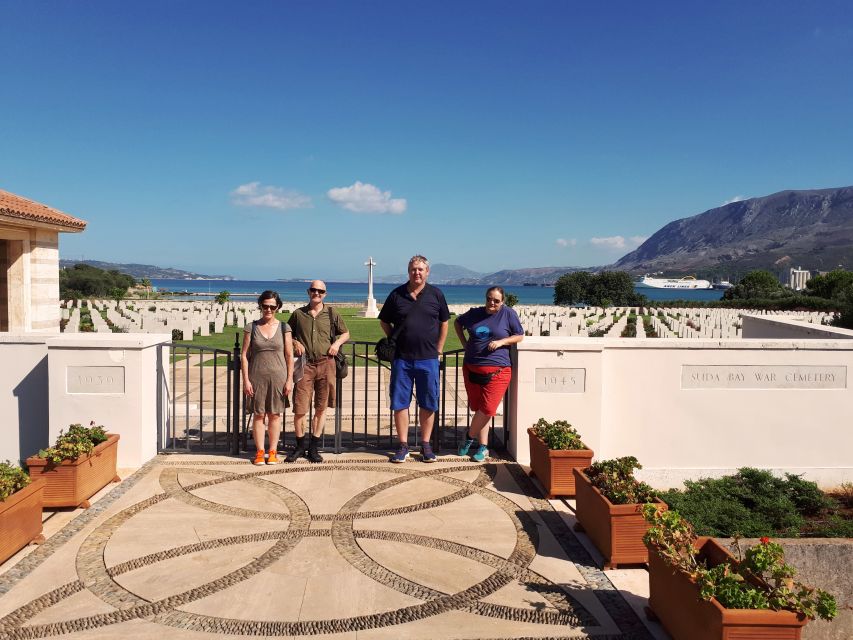
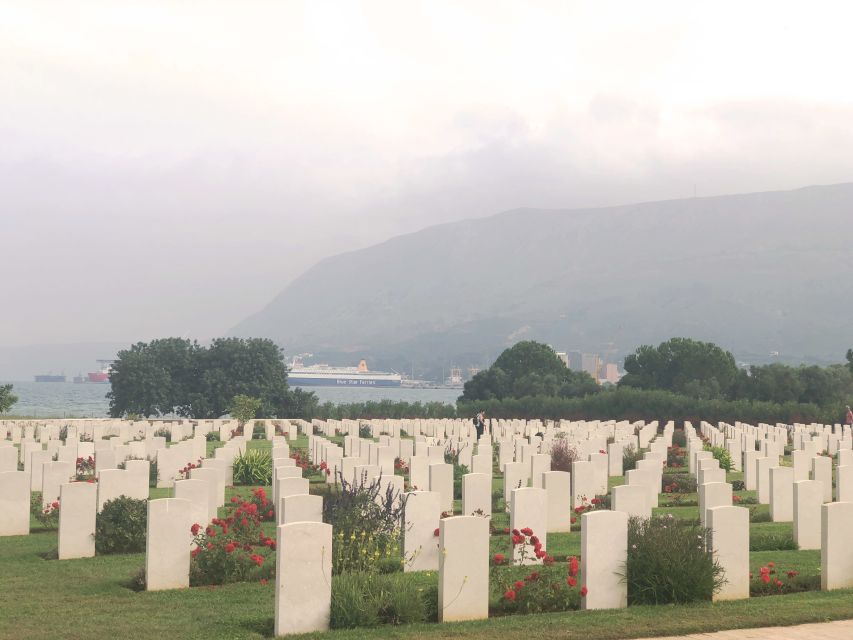
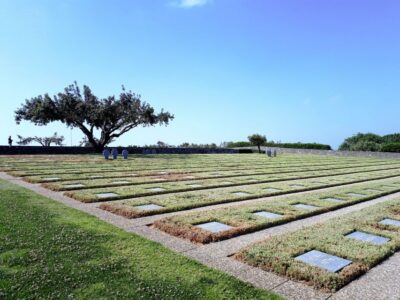
The emotional center of the tour is the cemeteries. You visit war graves for both German and Allied forces, which is not common on half-day excursions. The effect is sobering, and the tour handles it with sensitivity.
This is where you slow down, even if the day stays structured. The guide explains what you are looking at, and you get a respectful framing that keeps it from feeling like a history “checklist.”
If you care about paying respects, this portion is often the reason people book in the first place. Several visitors specifically mention how well maintained the Commonwealth graves are and how carefully the German graves are treated, including how personal the inscriptions can feel.
Also, because the tour includes both sides, you get a fuller moral picture of war on Crete. You are not only looking at one narrative. You are witnessing the human cost on the island.
Timing, comfort breaks, and what to pack
This tour runs about 6 hours, with pickup and drop-off within the Chania region. It is done by air-conditioned minivan, and the schedule is packed with multiple stops, so think “active day” rather than “easy outing.”
A common consideration is that comfort breaks are limited. Even when the explanation time at each stop is well paced, you may want a bit more restroom flexibility than a single scheduled break offers. You can fix that by planning ahead, bringing water with you if you run hot, and wearing comfortable shoes you can walk in for short stretches.
Pack for Crete heat and sun. Even in winter, you’ll likely have long moments outdoors while the guide points out viewpoints. This is not a trip for flimsy footwear.
Price and value: is $111 worth it?
At around $111 per person, this tour costs less than many “private van plus guide” history days, mainly because it is a small group tour and includes several costs inside the price.
Here is what you get that supports the value:
- Pickup and drop-off in the Chania region
- Transportation by air-conditioned minivan
- English-speaking driver/guide, plus a local guide
- Entrance fees and local taxes
- Snack and a bottle of water per person
For me, the value equation comes down to this: you are paying for expert context plus access. Cemeteries, museums, and certain memorial sites are not just places to see, they are places to understand, and the tour is designed to teach in the moment.
If you are interested in WWII, especially the Battle of Crete, you will likely feel it is money well spent because the guide’s role is central, not optional.
Who this WWII history tour is best for
This tour fits best if you:
- Like WWII history tied to real places
- Want a clear timeline from 1940 events to Operation Mercury and the invasion period
- Prefer guided explanations over reading signs on your own
- Want a respectful visit to both German and Allied cemeteries in one day
It may not be ideal if you:
- Need frequent restroom stops and long sit-down breaks between locations
- Prefer slow travel with lots of free time
- Are hoping for a light, casual outing with minimal walking
If you are traveling with someone who needs variety, this tour can still work because it mixes battle sites with museums, shelters, and human-scale stories.
Should you book the Chania World War II History Tour?
Yes, if WWII on Crete is a priority for your trip. The combination of Maleme airfield viewpoints, Tavronitis Bridge, Galatas battle sites, and then the German and Allied cemeteries creates a complete arc you can understand quickly.
Book it especially if you want more than big monuments. The day includes smaller evidence, like museums and shelter sites, plus moments where locals and personal connections can make the war feel less like distant textbook material.
Just go in with realistic expectations about the schedule. Bring good shoes, plan for limited comfort breaks, and give yourself mentally for a full, focused day.
FAQ
What is the duration of the tour?
The tour lasts 6 hours.
Where does the tour depart from?
This tour only departs from the Chania region.
What main WWII sites will I visit?
You’ll see the Maleme area (including the airfield from above), Tavronitis Bridge, and locations connected to the battle of Galatas. You’ll also visit war cemeteries for German and Allied forces, plus monuments and small museums during the route.
What is included in the price?
Included are pickup and drop-off from specific locations in the Chania region, air-conditioned minivan transportation, an English-speaking driver/guide and local guide, entrance fees, local taxes, and a snack plus a bottle of water per person.
How do I know what time it starts?
The duration is listed as 6 hours, and you should check availability to see starting times.
What languages will the guide speak?
The tour includes English and Greek.
What should I bring, and what should I wear?
Bring comfortable shoes for walking between sites.
Are pets allowed on the tour?
No, pets are not allowed.
Is there free cancellation?
Yes, you can cancel up to 24 hours in advance for a full refund.
Every Other Chania Write-Up
More of Crete On the List

Chania and the West of the Island
Everything else we have written up around Chania

Crete Island Tours, side by side.
 ★ 4.6Crete: Day Trip to Agios Nikolaos and Spinalonga IslandFrom $444,416 reviews
 ★ 3.9Crete: Knossos Palace Entry Ticket with Optional Audio GuideFrom $302,251 reviews
 ★ 4.4Crete: Rethimno, Chania, and Kournas Lake Day TripFrom $451,694 reviews
 ★ 3.8Crete: Palace of Knossos E-Ticket and Audio GuideFrom $341,540 reviews
 ★ 4.4From Heraklion/Crete: Santorini Island Guided Day TripFrom $2001,448 reviews
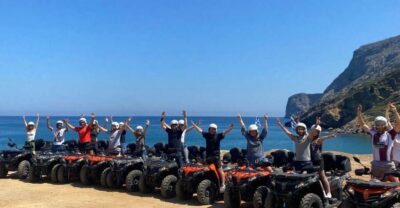 ★ 4.9Agia Pelagia Crete Quad Bike authentic backland TourFrom $501,430 reviews
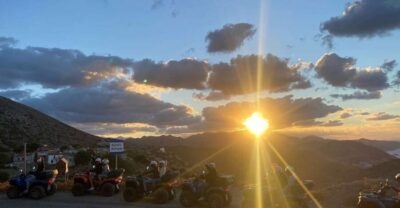 ★ 4.9Crete: Sunset or Morning Quad with Local Products TastingFrom $941,135 reviews
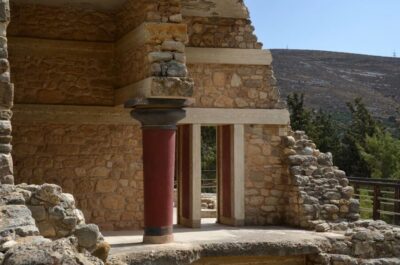 ★ 4.4Crete: Knossos Palace & Heraklion Guided TourFrom $351,127 reviews
Sits on these lists