
Review · MILOS & KLEFTIKO BOAT TRIPS
Milos Island: Kostantakis Winery Wine Tasting Experience
A cave winery on Milos is a simple idea with great payoff. At Kostantakis Winery in Pollonia, you get a family-run tour, a walk through their vineyards, and a tasting where you try multiple indigenous Milos wines plus a grape distillation.
I love the hands-on feeling here, especially meeting the winemaking family and hearing how their small production works in island conditions. I also like that you taste a lot for the price, with cheese and local bites that actually help each wine make sense. One thing to keep in mind is that this is a compact, mostly outdoors-and-cave schedule, so expect it to feel hot in summer, and the vineyards can be limited if conditions are extreme.
In This Review
- Quick reasons this Milos wine tasting is worth your time
- Pollonia’s cave cellar tasting, done the family way
- The 2-hour structure that keeps things focused
- Starting at Kostantakis Winery & Residence, you meet the people behind it
- Vineyard walk: indigenous grapes and island farming reality
- Traditional machines, then the cool air of the cave winery
- The tasting lineup: 7 wines plus a grape distillation, with local bites
- What to do with your “free time after” mindset
- How much is $68, really, and what makes it feel fair
- Who this tour is best for, and who should skip it
- Practical notes that will save you stress
- Should you book the Kostantakis Winery wine tasting on Milos?
Quick reasons this Milos wine tasting is worth your time
- Cave cellar visit at the Kostantakis estate, with wine aging in a natural setting
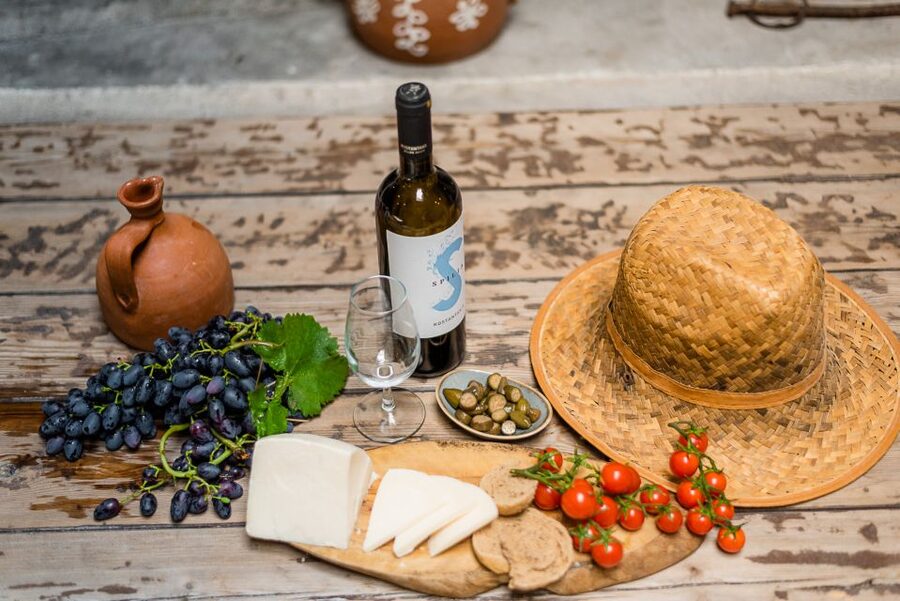
- Seven wines plus one grape distillation, paired with local cheese and other small plates
- Indigenous grape focus, grown for Milos’ climate instead of imported varieties
- Family connection, since you meet the owner and his son, and hear stories going back over 50 years
- Small group size (max 8), so you can ask questions without shouting over a crowd
- Guides with real personality, with examples like Sofia, George, Petros, Jason, and Kate mentioned in guest experiences
More boats round Milos to Kleftiko
Pollonia’s cave cellar tasting, done the family way
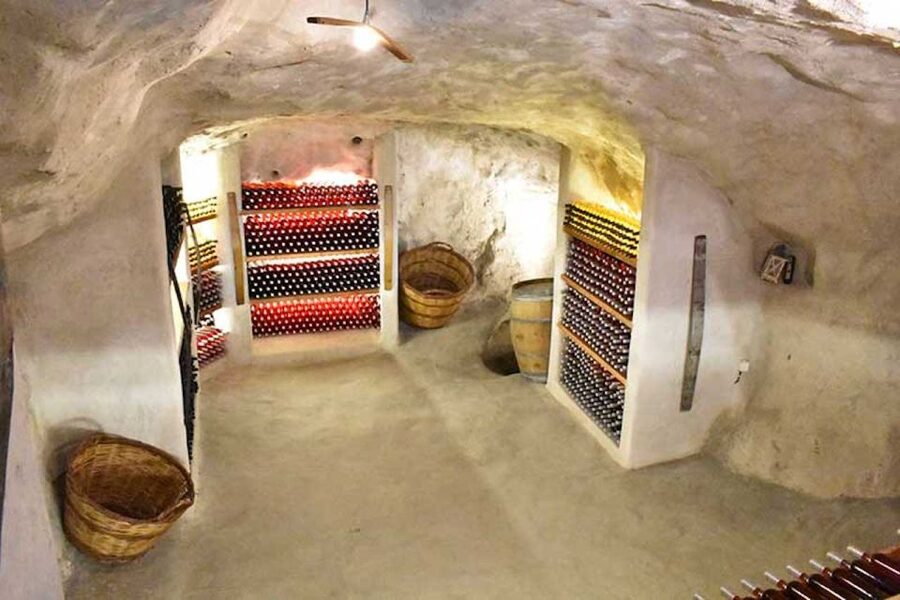
If you like your wine tours personal and grounded, this one has the right vibe. Milos has a laid-back feel, and Kostantakis Winery matches it. The big draw is the cave winery setup, where you see how wine storage works in a natural space instead of a flashy, industrial cellar.
I also like that the story is practical, not just marketing talk. You’re not only hearing how the wine tastes, you’re learning how the family has kept winemaking going for decades, and what challenges come with making wine on an island. In guest accounts, this mix of history plus real process shows up again and again, whether the guide is Sofia, George, or Petros.
The one “watch out” is pacing and heat. The experience lasts about two hours, and part of it is outside. In hot weather, the vineyard walk might feel intense, and some groups choose to spend more time with the winery spaces rather than pushing into the sun for long stretches.
The 2-hour structure that keeps things focused
The whole experience runs around two hours. It starts at Kostantakis Winery & Residence, then moves through a guided portion and a longer tasting.
A simple way to picture it:
- 40 minutes: winery tour, with a guide walking you through the estate and production setup
- 100 minutes: tasting time, where you sample the wines and local pairings
This matters because you get enough time to understand the place before the drinking starts. It’s not a rushed “swirl and go” situation. Also, small group size (limited to 8) helps you stay engaged, especially if you’re the type who likes asking, wait, how exactly do you make that?
Also note: there’s no hotel transfer included. You’ll reach the winery by car or taxi, and the property is listed as being about 5-7 minutes on foot from the bus station in Pollonia. That’s useful if you’re already based in town.
Starting at Kostantakis Winery & Residence, you meet the people behind it
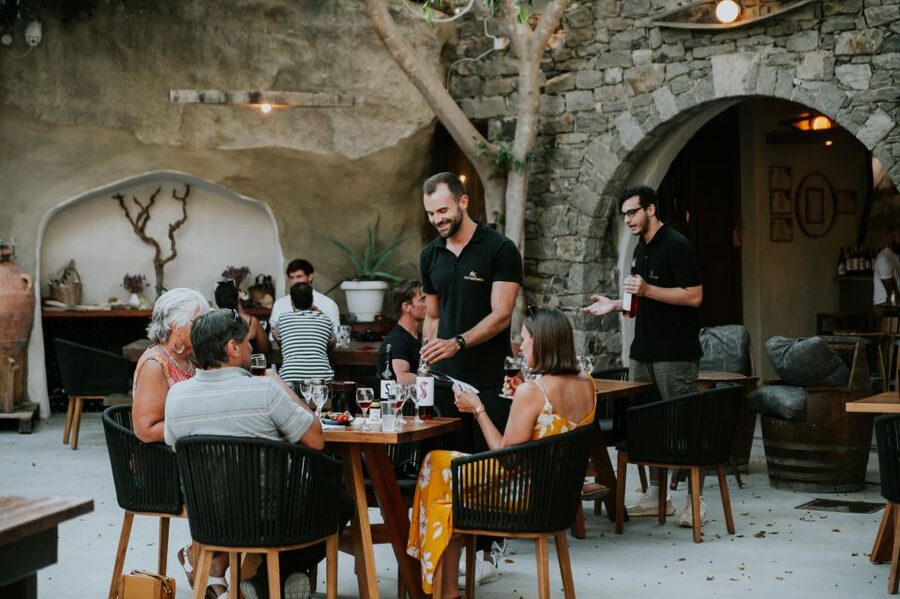
The visit begins at Kostantakis Winery & Residence, and that upfront detail matters. You’re not dropped into a distant tasting room. You’re entering the family setting first, and you’ll meet the son of the winemaker, plus hear stories from the household that runs the place.
In multiple experiences, guests mention the feeling of being treated like part of the day, not like a ticket number. Guides such as George and Petros (and, in other guest accounts, Sofia and Kate) focus on the family arc, including how the winery grew from long-term personal winemaking into a proper local operation. That connection gives the tour more weight than a generic explanation sheet.
You’ll also learn quickly that this is built around small production. On an island, that changes everything, from how grapes are farmed to how many wines can be made and served. If you care about authenticity, this kind of scale is part of the charm.
Vineyard walk: indigenous grapes and island farming reality
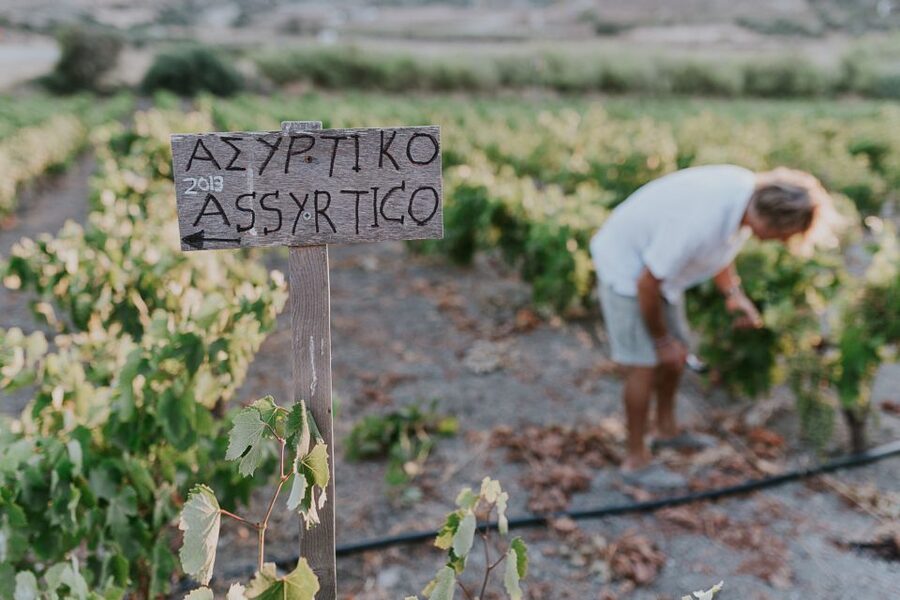
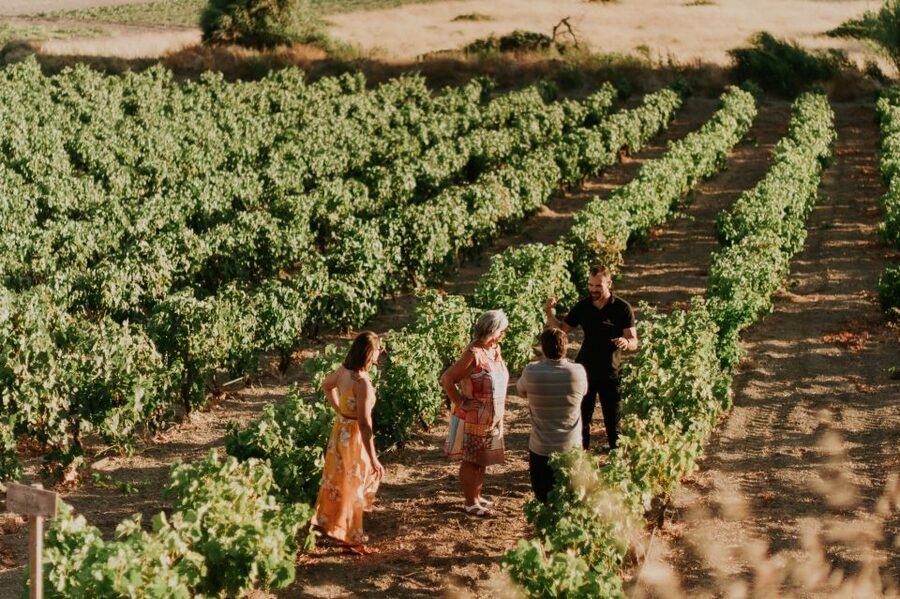
After the initial welcome, you’ll walk across the vineyards and see how grapes are grown in Milos’ specific climate. The family uses indigenous grape varieties, which is a big deal if you’re tired of tasting the same names you see everywhere else in Greece and beyond.
This section is where you get the practical “why” behind the taste. Milos isn’t trying to copy somewhere else. The vines are working with local conditions, and the winemaking style reflects that. Even if you don’t memorize every detail of the farming method, you’ll understand the logic: the grapes and the environment drive the wine.
There’s also a useful expectation-setting point from guest experiences: in very hot weather, the vineyard part can be shorter or less comfortable. One group shared that they didn’t spend much time outside because it was around 35 degrees. So go in ready for sun and adjust your mindset. If it’s scorching, the cave and tasting portion will still be the main event.
Traditional machines, then the cool air of the cave winery
Next comes the winemaking facilities and traditional equipment used for their process. This is a quieter section, and it’s surprisingly satisfying if you like seeing the “how” behind what ends up in the glass. You’ll get a sense of what’s done by hand versus what’s guided by equipment, and how the family manages production at its scale.
Then you move into the star setting: the natural cave where wines are stored. This is not just a background photo stop. It explains how a cave cellar works as a storage environment, and it gives you that instant sense of place. Even guests who were tired from the heat often describe the cave as a relief, and in one October visit, rain made the atmosphere feel extra cozy.
If you’ve ever toured wine cellars in mainland Europe, you’ll recognize the purpose. If you haven’t, the cave winery adds a clear “Milos-only” factor. It turns a tasting into an experience.
The tasting lineup: 7 wines plus a grape distillation, with local bites
The tasting part is the payoff, and it’s built for variety. You’ll taste 8 different items total: seven wines plus one grape distillation. That distillation piece is a fun twist, because it widens your perspective from grape-to-wine to grape-to-spirit.
Expect a guided tasting where the guide explains the wines and their production context. In guest notes, guides like Sofia and Jason get singled out for being clear and engaging, and George is mentioned as both friendly and detailed. You’re not just left with a glass and a list.
Food pairing is part of the structure. The tasting comes with a snack plate, described as including local cheese and other delicacies. Several experiences also mention olives, bread, sundried tomato dip, and similar island-friendly items. This pairing is practical, not decorative. Cheese and bread help you reset your palate so you can appreciate differences between styles instead of tasting only alcohol and fruit.
One small tip: ask for the ordering of wines if you’re curious about how they want you to compare them. If you get the sequence right, you’ll taste progression instead of random samples.
Also, a reality check from guest experiences: Kostantakis wine production is limited, and some guests noted they couldn’t ship wine back home due to demand and limited supply. If you plan to buy bottles for later, do it during your visit, and don’t assume you can arrange shipping on the spot.
What to do with your “free time after” mindset
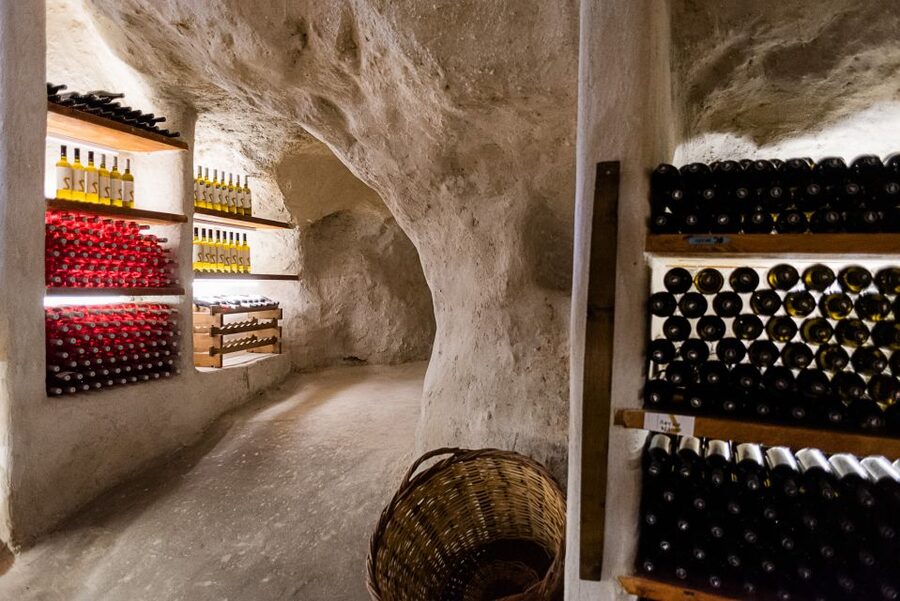
The schedule says the whole experience lasts about two hours, but you can often stay longer. That’s a helpful option if you want to keep the conversation going after the tasting ends.
If you’re planning your day on Milos, this works well as an evening anchor in Pollonia. You can pair it with dinner nearby, and some guests specifically described doing that. If you’re coming from a cruise port, budget a bit of extra time and money for transport because you may need a taxi from the port area to Pollonia, and a return ride afterward. One guest mentioned an extra 35 euros for each taxi leg.
How much is $68, really, and what makes it feel fair
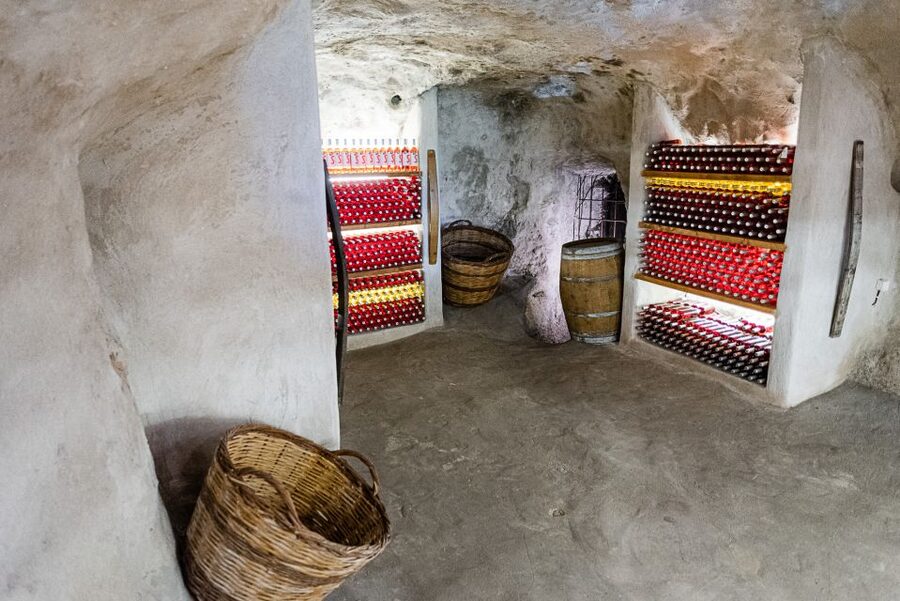
At $68 per person, this isn’t the cheapest wine stop on any Greek island. But it is priced like a small family operation with a lot included.
Here’s what you’re paying for, in plain terms:
- A guided tour of the winery and vineyard area (not just a tasting room visit)
- Cave winery access, where the setting is part of the product
- Eight total samples (seven wines plus a grape distillation)
- A snack plate with local cheese and additional bites
- A small group limit, meaning you get more time and interaction
In guest comments, the tasting portions are often described as generous, including tastings that are more substantial than a standard “two sips and goodbye” approach. That matters for value because you actually get to experience the range, not just taste enough to say you tried it.
So if you want a bigger “Milos-specific” story with multiple pours, $68 can feel fair. If you only want one quick glass with minimal instruction, you might find it harder to justify.
Who this tour is best for, and who should skip it
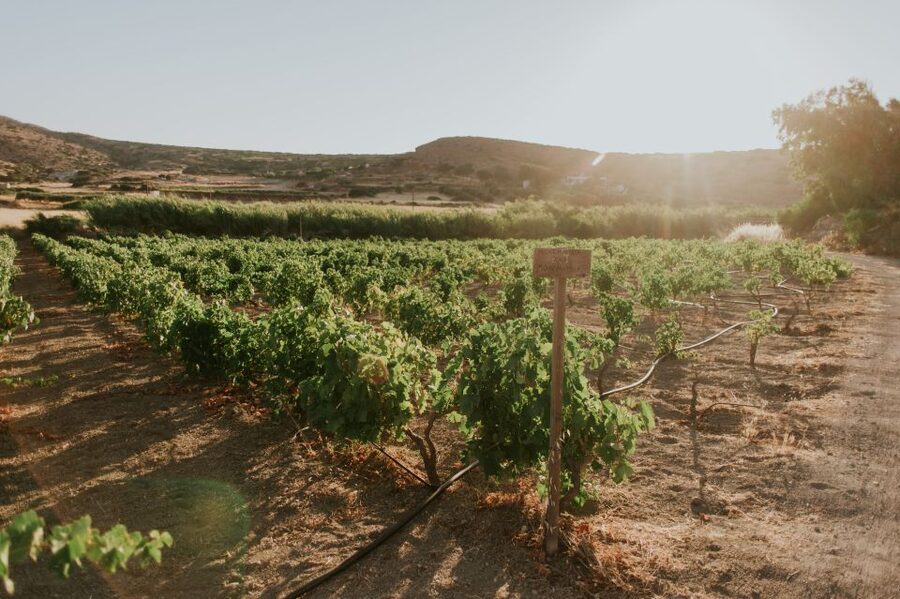
This experience is best for people who like small, family-run places and don’t mind a mix of outdoors and caves. If you enjoy conversation, especially about how grapes grow on Milos and why the family sticks with indigenous varieties, you’ll probably have a great time.
It’s also a strong choice for couples, given the intimate group size and the way guides explain details and answer questions. Several guest experiences talk about the cozy feel and treating you like family, and you’ll likely appreciate that more as a pair than as a random solo stop.
A couple of clear “don’t” points:
- Not suitable for children under 18
- Children can only observe at the tasting and will not be offered alcoholic beverages
If you’re traveling with teens, you’ll need to plan around this. If you’re looking for a kids’ wine-themed activity, you’re in the wrong place.
Practical notes that will save you stress
A few small things can make your visit smoother:
- Bring a hat and water, especially if the vineyard walk is sunny and hot
- Wear comfortable shoes for the winery grounds and cave area
- Plan your transport in advance since no transfer is included, and you’ll be relying on car or taxi
- If you’re sensitive to alcohol, go slow during the sequence of tastings, and lean on the cheese and bread to reset your palate
One more fun detail from reviews: the winery has cats around the property. People mention cuddly cats and specific names like Moo Shu. It’s not the main event, but it adds to that grounded, lived-in feel.
Should you book the Kostantakis Winery wine tasting on Milos?
Book it if you want something Milos-specific, not a generic wine stop. The cave winery visit plus the indigenous grape focus plus a long tasting with seven wines and a distillation is a strong combo. Add the family connection, and it turns a tasting into a story you can actually remember.
Skip it if you want a very “big production” experience, or if you only want a quick sample with minimal walking. Also think twice if heat is a major issue for you, since part of the day includes time outside.
If you’re staying in Pollonia or you can easily reach the winery by taxi or short walk from the bus station, you’re set up for an easy win. For me, the best reason to book is simple: this is one of the few places on Milos where the setting, the process, and the people all line up in one two-hour visit.
Every Other Pollonia Write-Up
Round Milos to Kleftiko
Everything else we have written up around Pollonia
Milos & Kleftiko Boat Trips, side by side.
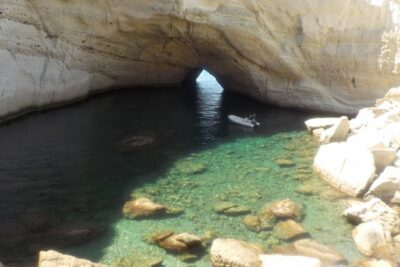 ★ 5.0Milos Small-Group Full-Day Cruise with Snorkelling and LunchFrom $1931,210 reviews
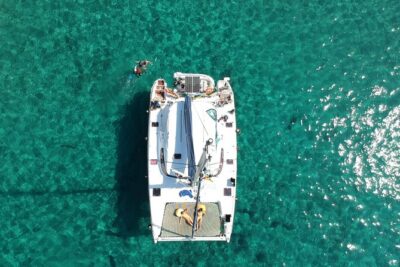 ★ 5.0Best of Milos and Poliegos Catamaran snorkelling Cruise with BBQFrom $241460 reviews
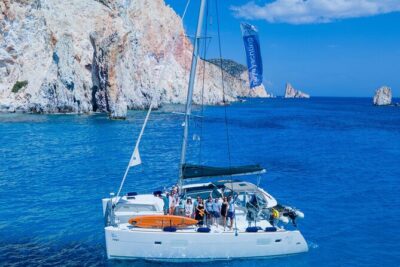 ★ 5.0Full-Day Small-Group Cruise in Milos & Poliegos with LunchFrom $254361 reviews
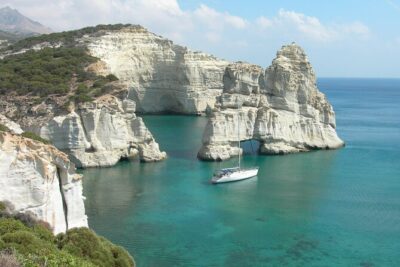 ★ 5.0Milos and Polyaigos Full Day Cruise with Meals and SnorkellingFrom $151328 reviews
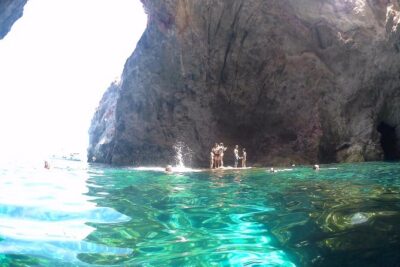 ★ 5.0Milos Sailing Tour with snorkeling and lunchFrom $181270 reviews
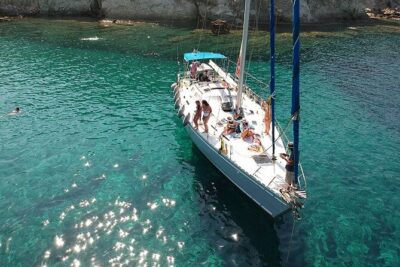 ★ 5.0Round of Milos and Poliegos Sailing boat snorkelling cruiseFrom $193262 reviews
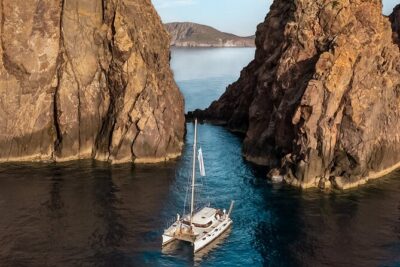 ★ 5.0Catamaran Full-Day of Milos and Poliegos With Lunch & BBQFrom $217262 reviews
 ★ 5.0CATAMARAN Kleftiko Poliegos & Round of Milos Lunch with OpenbarFrom $289242 reviews