
Review · CRETE ISLAND TOURS
WWII – The Battle of Crete Day Tour
WWII history hits different on Crete. This day trip from Chania strings together the key places from the 1941 fighting with an English-speaking local driver/escort, plus enough context to make the chaos feel understandable. I like that it keeps moving by air-conditioned minivan with hotel pickup and drop-off, and I also like the way the day includes war cemeteries where the story turns personal fast. One drawback to plan for: you only have about six hours, so if you want to follow every twist of the three-day battle like a battlefield reenactment, the pacing may feel too compressed.
At around $114.89 per person, this isn’t just a ride. You’re paying for guided interpretation, entrance fees, snacks and bottled water, and a small-group setup capped at 15. For most people, that combo is the real value: you get orientation quickly, and you spend your limited time seeing the right sites without playing logistics roulette on your own.
In This Review
- Key highlights worth your attention
- Chania to Maleme: getting your bearings fast at the start
- Tavronitis Bridge: a short stop that adds real meaning to the route
- German Military Cemetery: where “facts” become human
- Souda Bay War Cemetery: balance the story with Commonwealth losses
- A private collector’s museum stop: personal objects, sharper context
- Guides like Yannis and Babis: why the storytelling matters
- Price and logistics: what you get for $114.89 per person
- When this WWII day tour is your best choice
- Who might want a different format
- Should you book this WWII: The Battle of Crete Day Tour?
- FAQ
- What time does the Battle of Crete day tour start, and how long is it?
- How large is the group?
- What’s included in the ticket price?
- Which stops are included during the tour?
- Do I need to buy tickets separately for each site?
- What if the tour is affected by weather?
Key highlights worth your attention
- Maleme first, then the route of the 1941 front so you get your bearings early
- Tavronitis Bridge as a quick historical waypoint, not a random stop
- German Military Cemetery with time to read and absorb, not just pose for photos
- Souda Bay War Cemetery to balance the story with British Commonwealth losses
- Small group feel (max 15), which makes questions and photo breaks easier to manage
- Guides who answer follow-up questions in plain language, which matters a lot with WWII dates and units
Other Crete write-ups on the list
Chania to Maleme: getting your bearings fast at the start
The day starts at 9:00 am and runs about six hours. The logistics are simple: you’ll meet up at the tour’s starting point and you’ll end back there. If you’re in the Chania Region, pickup and drop-off are included, which is a big deal on Crete where driving yourself between battlefield sites can eat your day.
The first stop is Maleme, about 50 minutes. Maleme matters because it sets the physical stage for the invasion story. Even if you’ve read about Crete before, standing in the right area helps you understand why certain routes and locations became so contested. Admission here is listed as free, so there’s no extra cost piled onto the early part of your day.
Practical tip: Maleme and the surrounding areas can be bright and exposed. Wear sun protection and keep your water handy, even though the tour includes snacks and bottled water per person. Bring comfortable shoes too. WWII sites are historical, not museum-polished. You’ll want stable footing for uneven ground and short walks.
Tavronitis Bridge: a short stop that adds real meaning to the route
Next is Tavronitis Bridge, about 40 minutes. This stop is the kind that can be easy to skip if you’re doing the day alone, because bridges don’t sound as dramatic as airfields and cemeteries. But in a war map, bridges are the boring parts that decide who can move, who gets cut off, and how quickly reinforcements can arrive.
What you gain here is context. You’re not just looking at a structure, you’re hearing how that area fits into the broader movement during the Battle of Crete. It’s an efficient use of time: long enough for explanations and photos, short enough that you don’t fall behind the schedule.
Admission is included for this stop, so you don’t have to keep track of separate entry costs mid-day. For many people, that’s one of the quiet perks of guided tours. Less mental load, more attention to the places that actually matter.
German Military Cemetery: where “facts” become human
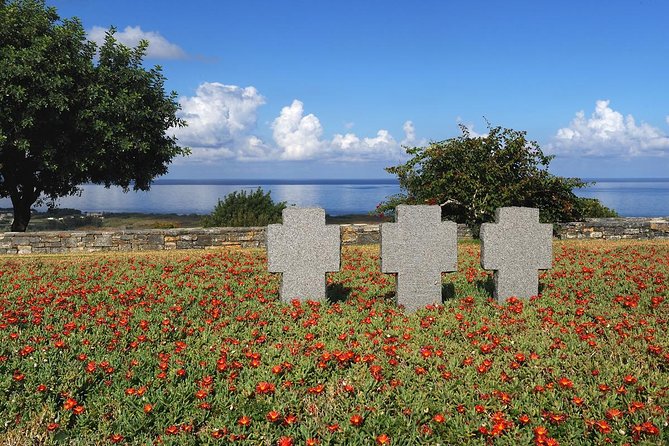
After Maleme and Tavronitis Bridge, you’ll visit the German Military Cemetery, about 30 minutes. This is one of those stops that changes the emotional tone of the day. The Battle of Crete is often talked about in terms of strategy and outcomes, but cemeteries force the story back into real lives and real loss.
Time here is short, but it’s not just a quick glance. The tour gives you enough minutes to slow down, look around, and connect the location to what you’ve been hearing. Admission is included, so you can focus on reading and absorbing instead of handling paperwork and tickets.
If you’re sensitive to war sites, plan on taking breaks mentally. A cemetery visit can be heavy. I’d also suggest keeping an eye on your own pace here. Photo stops are tempting, but you’ll probably get more from the place by spending your time quietly.
Souda Bay War Cemetery: balance the story with Commonwealth losses
Souda Bay War Cemetery is the counterpart stop, again about 30 minutes, and admission is included. This is where you get the other half of the wartime picture: British Commonwealth losses and the wider allied engagement tied to Crete’s fall.
Souda Bay also tends to land well because it’s easy to connect it to the broader story of evacuation and redeployment that many people associate with 1941. Even when you think you already know how the battle ends, a cemetery stop often gives you the missing emotional “why.” Why the timeline matters. Why the movement of people and supplies mattered.
One of the most satisfying parts of this day is that it doesn’t only show you places where fighting happened. It also gives you time to honor the aftermath, which is where the whole conflict becomes understandable beyond headlines.
A private collector’s museum stop: personal objects, sharper context
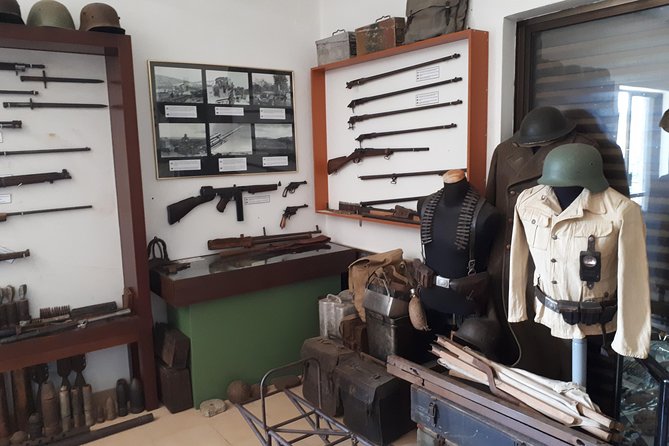
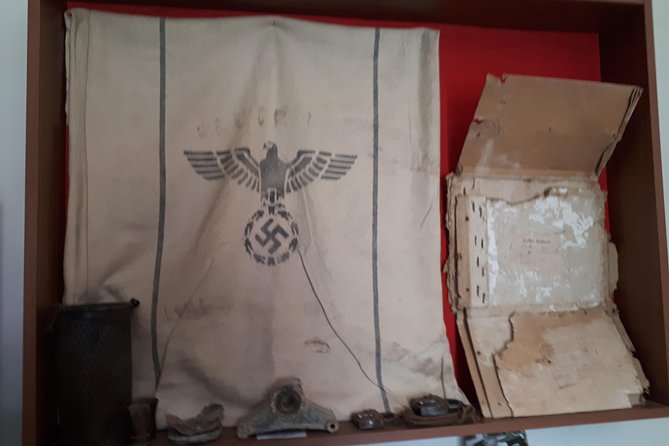
Along the way, there’s commonly a stop connected to a private collector’s WWII memorabilia collection. This is one of the most praised moments during the day, mainly because it makes the war feel tangible instead of abstract.
You’ll hear stories tied to specific objects, and the focus tends to stay on meaning rather than showmanship. In a few accounts, guests describe how the collector experience went beyond standard museum viewing and helped make the details feel real. Even if the exact feel varies by guide and the collector’s setup that day, the purpose stays the same: help you picture what people carried, what they used, and how these items connect back to the battle.
For me, the value here is simple. WWII history can get stuck in names, dates, and unit labels. A well-run collector stop turns some of that into something you can actually remember later. It’s also a strong reason why this tour works well even if you are not a hardcore WWII person. You’re not only watching a lecture. You’re seeing and hearing connections.
- Crete: Day Trip to Agios Nikolaos and Spinalonga Island★ 4.6 · 4,416 reviews
- Agios Nikolaos: Boat Trip to Spinalonga with Swim Stop★ 4.4 · 3,031 reviews
- Crete: Knossos Palace Entry Ticket with Optional Audio Guide★ 3.9 · 2,251 reviews
- From Rethymno: Half-Day Quad Bike Safari★ 4.8 · 1,444 reviews
Guides like Yannis and Babis: why the storytelling matters
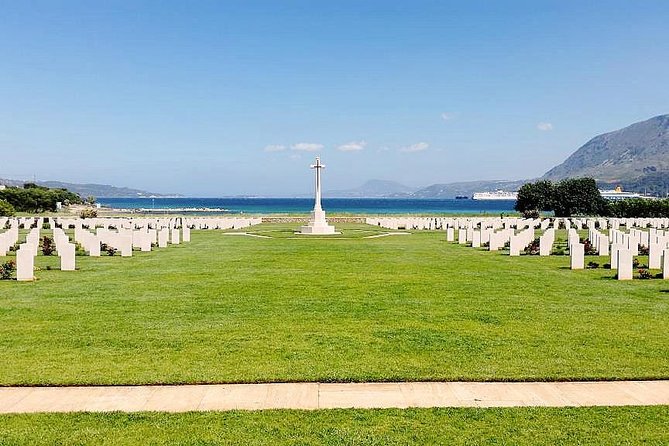
One of the biggest reasons this tour consistently scores high is the way the guide brings the route to life. Across the experiences shared for this tour, guides named Yannis, Giannis, Ioannis, Janos, and Babis come up again and again, with a common theme: clear, engaging explanations and plenty of room for questions.
That matters because the Battle of Crete is not tidy. It spans multiple sites, and it happens quickly. When a guide can explain the action in plain language, you stop feeling lost in the details. You get the “flow” at the level that a day trip allows.
That said, there’s a real consideration for military-history buffs. One account pointed out that it can be hard to grasp the full step-by-step action of the three-day battle, especially if you expect to get down on the exact ground where every phase played out. The day still visits the real battleground areas, but with limited hours, you are often seeing broad viewpoints and map-based context as much as you are walking every critical line.
If you want maximum tactical detail, come in with a little background. If you’ve read something like Anthony Beevor’s work, or you’ve heard names like Patrick Leigh Fermor, you’ll likely catch more of the connections during the explanations. If you have no background, don’t worry. The best guides here explain in a way that helps you build understanding as you go.
Price and logistics: what you get for $114.89 per person
Let’s talk value. At $114.89 per person for an approximately six-hour outing, you’re getting a lot that’s normally the headache when you plan it yourself.
Included items you should count as value:
- Hotel pickup and drop-off from the Chania Region
- Transport in an air-conditioned minibus/minivan
- English-speaking, local driver/escort
- Snacks and bottled water per person
- All listed entrance fees for the stops
- A group size cap of 15, which helps the day feel personal
What you’re not paying for separately matters. Entrance fees are handled, and so is transport. That saves time and removes decisions you’d otherwise have to make on the fly, like which sites are worth the detour and whether you’re arriving at opening hours correctly.
Also, the timing is built for a one-day schedule. You start at 9:00 am, get through four key WWII locations, and you’re back at the starting area before the day drags into evening.
When this WWII day tour is your best choice
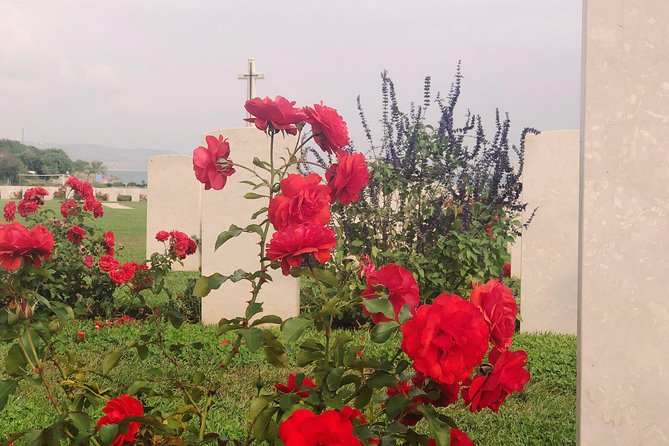
This is a strong fit if you:
- Want WWII context without handling maps, driving, and timed entry yourself
- Like battlefield visits that include both explanation and places of remembrance
- Prefer small groups, where asking questions is realistic
- Have limited time in Chania but still want more than a beach day
It’s also ideal if you like history that connects to everyday places. Crete is not a blank stage for war. It’s an island with people, families, and long memories. Done well, this kind of tour helps you understand that the battle happened on real ground and within a real community.
Who might want a different format
If you are the kind of traveler who needs a blow-by-blow tactical timeline, you may feel that six hours is too short. The day includes the key sites, but you may not get the deepest, footstep-by-footstep action detail you’re craving.
Also, if you dislike cemetery visits, this trip can be emotionally heavy. The cemeteries are core stops, and they take up meaningful time.
Should you book this WWII: The Battle of Crete Day Tour?
If you’re balancing time, effort, and a desire to understand the Battle of Crete in a way that makes sense, I think this is an easy yes. You’re getting guided interpretation, included entrance fees, and comfortable transport, with a small-group setting that makes questions and photo breaks workable.
Book it especially if you want the day to feel structured: Maleme early for orientation, then the bridge and cemetery stops to complete the narrative arc. If you’re a WWII specialist and want maximum tactical granularity, you might still enjoy it, but pair it with a bit of reading beforehand so the five stops feel like part of one bigger timeline rather than isolated points.
Bottom line: for first-time battlefield visitors and anyone who wants a respectful, well-paced way to understand 1941 Crete, this day tour is one of the better choices from Chania.
FAQ
What time does the Battle of Crete day tour start, and how long is it?
The tour starts at 9:00 am and lasts approximately 6 hours.
How large is the group?
The maximum group size is 15 travelers.
What’s included in the ticket price?
The price includes all entrance fees, an English speaking local driver/escort, snacks and bottled water per person, pickup and drop-off from specific places in the Chania Region, transport by air-conditioned minibus/minivan, and all taxes and handling charges.
Which stops are included during the tour?
The tour includes Maleme, Tavronitis Bridge, the German Military Cemetery, and Souda Bay War Cemetery.
Do I need to buy tickets separately for each site?
No. Entrance fees are included for the tour stops, and Maleme is listed as free while the other stops have admission included.
What if the tour is affected by weather?
This experience requires good weather. If it’s canceled due to poor weather, you’ll be offered a different date or a full refund.
The Rest of Crete

Every Other Crete Write-Up

More of Crete On the List
Everything else we have written up around Crete

Crete Island Tours, side by side.
 ★ 4.6Crete: Day Trip to Agios Nikolaos and Spinalonga IslandFrom $444,416 reviews
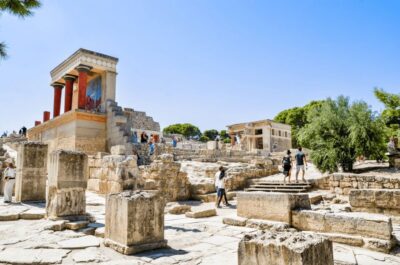 ★ 3.9Crete: Knossos Palace Entry Ticket with Optional Audio GuideFrom $302,251 reviews
 ★ 4.4Crete: Rethimno, Chania, and Kournas Lake Day TripFrom $451,694 reviews
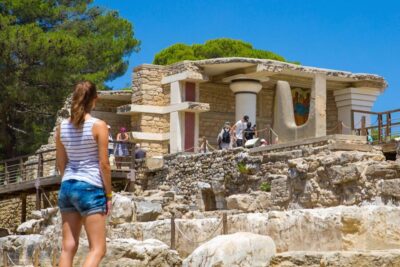 ★ 3.8Crete: Palace of Knossos E-Ticket and Audio GuideFrom $341,540 reviews
 ★ 4.4From Heraklion/Crete: Santorini Island Guided Day TripFrom $2001,448 reviews
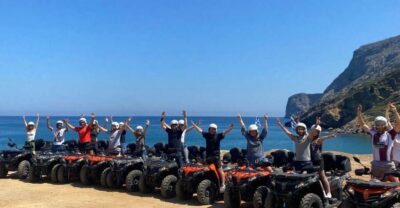 ★ 4.9Agia Pelagia Crete Quad Bike authentic backland TourFrom $501,430 reviews
 ★ 4.9Crete: Sunset or Morning Quad with Local Products TastingFrom $941,135 reviews
 ★ 4.4Crete: Knossos Palace & Heraklion Guided TourFrom $351,127 reviews
Sits on these lists