

Review · MUSEUMS
Athens: National Archaeological Museum Ticket & Audio Guide
A museum this big, with a good plan, feels effortless. This Athens National Archaeological Museum ticket plus smartphone audio guide lets you walk the galleries at your pace, using offline narration and maps when you want them. I especially like the pre-booked e-ticket for fast entry, and the story-led way the audio guide introduces major objects like the mask of Agamemnon and the Mycenaean Bull. One potential drawback is that the audio guide aims for highlights, so if you want absolutely everything, you may need extra time beyond the suggested listening window.
You also get freedom without the cost of a live guide. The audio content is designed to work during and after your visit, so you can reset your understanding as you move room to room. Still, the experience depends on having a compatible phone, charged headphones-ready setup, and decent navigation skills inside a crowded, maze-like museum.
In This Review
- Key Points at a Glance
- First, Know What This Ticket Lets You Do
- E-Ticket Entry in Athens, Without the Headache
- The Audio Guide Experience: How It Changes What You Notice
- Major Highlights You Can Expect to Hear About
- What to Do in the Galleries When You Feel Lost
- How Long Should You Plan: 45 Minutes to 4 Hours
- Don’t Miss the Café and Inner Courtyard Break
- Practical Comfort Tips That Make the Difference
- Price and Value, Is It Worth $31?
- Languages and the Pace of Storytelling
- Who This Works Best For
- Quick Note on Audio Access and Photo ID at the Desk
- Should You Book This Athens Museum Ticket and Audio Guide?
Key Points at a Glance

- Skip ticket lines with a pre-booked e-ticket, then focus on exhibits instead of waiting outside
- Offline audio, text, and maps mean you can keep moving even with spotty mobile data
- Story highlights include major pulls like the bronze section statues and the mask of Agamemnon
- Flexible timing runs from about 45 minutes to 4 hours, depending on how slow you want to go
- Audio can be reused anytime, so you can revisit key artifacts after your visit
- Bring headphones and a charged phone, because the audio guide is the heart of the value
First, Know What This Ticket Lets You Do

This isn’t just a ticket. It’s a regular entry ticket to the National Archaeological Museum, paired with a self-guided audio tour on your phone. The tour content is downloadable, and it includes offline text, audio narration, and maps.
That combination matters because this museum is the kind where you can waste time doing nothing but trying to orient yourself. With the audio in your pocket, you get a sequence to follow, plus context for what you’re seeing, not just labels.
E-Ticket Entry in Athens, Without the Headache
The biggest practical win is that your entry ticket is sent to your email after booking. You then use it at the museum so you are not standing in the longer line for tickets on site.
A smart strategy: arrive ready to scan and get through security smoothly. Some visitors noted the queue can look intimidating, but it typically moves once you are in the system.
Also, pay attention to what type of ticket you actually hold. This product includes only the regular ticket for all ages. If you qualify for free or reduced-price entry, you should go directly to the ticket booth instead of relying on this regular-ticket package.
The Audio Guide Experience: How It Changes What You Notice

The audio tour is the main reason most people feel they got real value here. Instead of reading every sign, you listen to short, organized stories as you walk. That makes the museum feel less like a checklist and more like a guided path through Greek life, art, and mythology.
You can use the audio during your visit, and you can also keep it for later. That means if a room hits you and you want to reflect, you can come back to the same track when you’re in a calmer moment.
One caution: some people found the audio did not cover every single item in the museum. It focuses on highlights, which is great for momentum, but it means you should not expect a complete, object-by-object encyclopedia.
Major Highlights You Can Expect to Hear About
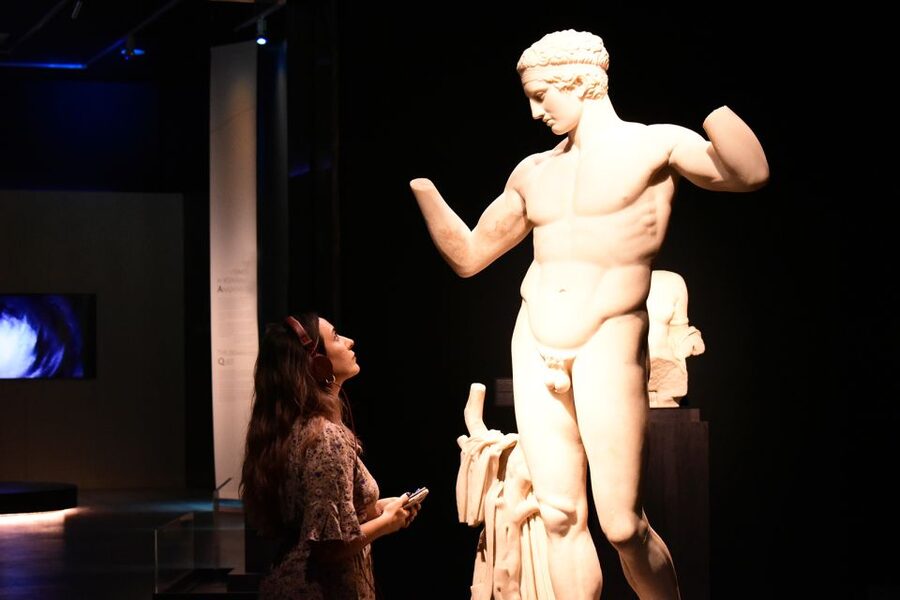
The audio tour is built around key artifacts and standout themes, including Mycenaean, Bronze Age, Classical, and later influences. If you love famous objects, this is where you’ll feel the museum’s power quickly.
Here are some of the headline items the audio helps connect to the larger story:
- The mask of Agamemnon, a dramatic object that people remember even if they only spend a few minutes with it
- The Mycenaean Bull, a strong example of how Bronze Age artistry communicates status and ritual
- Bronze statuary of Zeus or Poseidon, which is a big deal because the museum is known for bronze works
- The horse rider, another standout that makes the ancient world feel close and human
The practical benefit of this approach is that you get instant meaning for what you’re looking at. Otherwise, ancient objects can feel like beautiful things with missing context. Here, the stories help you see why the pieces matter and how they connect to later Greek ideas.
What to Do in the Galleries When You Feel Lost
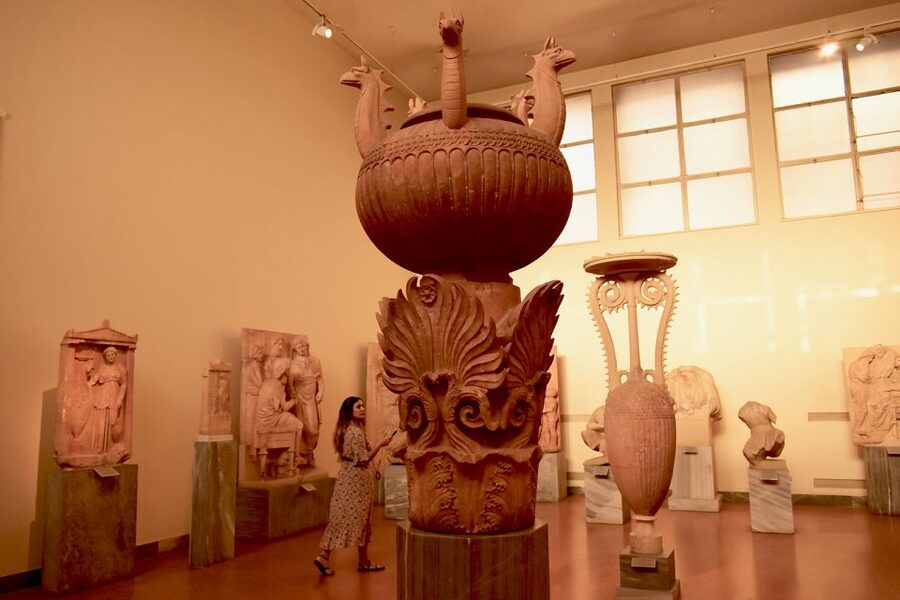
Even with an audio guide, this museum can feel big and a bit maze-like. That’s not a flaw in you. It’s the building and the sheer number of rooms.
So here’s how to stay calm and keep moving:
- Follow the audio sequence when possible, so you always know what you are aiming for next
- When you drift, use the offline maps included with the tour to re-orient fast
- Plan for a little wandering time, because sometimes a room catches your eye and you’ll want to stop
Also, some visitors recommended downloading or having a map ready before you go, especially if you’re arriving when it’s busy. If you want a stress-free experience, choose a time slot that avoids peak crush if you can.
How Long Should You Plan: 45 Minutes to 4 Hours
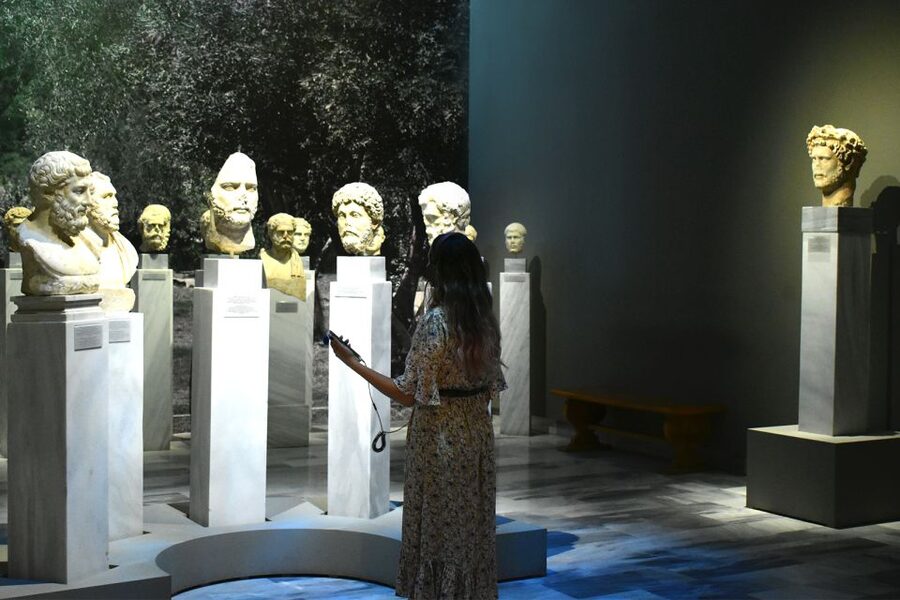
The duration range is wide: 45 minutes to 4 hours. In real terms, think of it as two modes.
If you want the highlights plus comfortable time for photos and looking, plan around 1.5 to 3 hours. Several people reported that about 1.5 hours worked nicely for the audio tour flow, and others spent around three hours with plenty of time to breathe.
If you are a slow reader of details, or you want to add extra rooms after your audio ends, then treat it more like a half-day. Some visitors finished the guided portion and then returned on their own to cover what the audio skipped.
So the “right” duration depends on your goal. A focused highlights run is efficient. A museum-nerd day needs longer.
Don’t Miss the Café and Inner Courtyard Break

One of the better surprises is that there’s an on-site café on the ground floor. That matters because a museum visit can wear you out, and food and drinks are not included in this ticket.
More than just fuel, some visitors described the café area as worth a detour. There’s an inner courtyard feel with greenery and art, so it’s a nice reset point when your brain is full of centuries of history.
Practical tip: take your break before you hit burnout. If you wait too long, you’ll rush the next rooms just to escape. A short courtyard pause keeps your pace enjoyable.
Practical Comfort Tips That Make the Difference
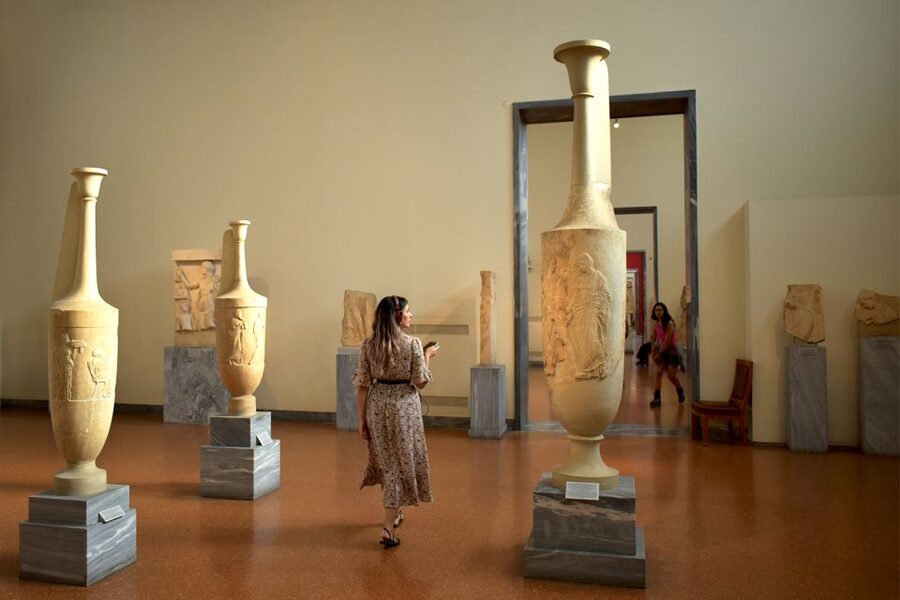
This is a walking-heavy museum experience. You’ll get the most out of it if you come prepared for comfort and tech basics.
Bring:
- Comfortable clothes
- Headphones (the audio is on your phone, so you need audio output)
- A charged smartphone
You should also check device compatibility before you rely on the offline download. The audio tour is not compatible with Windows phones, older iPhone models (iPhone 5/5C and older), older iPod Touch models, older iPad models (iPad 4th generation and older), and iPad Mini 1st generation. If your phone is on the older side, plan ahead so you don’t lose the core experience at the door.
Finally, pets are not allowed. Assistance dogs are allowed.
Price and Value, Is It Worth $31?
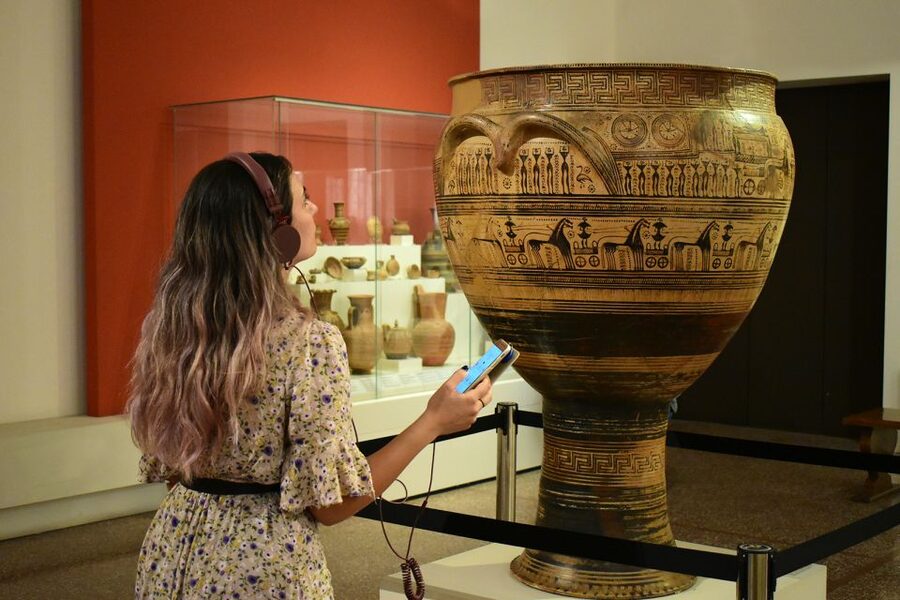
At about $31 per person, you’re paying for two things: advance museum entry and an offline smartphone audio tour. For many people, that combo is worth it because it reduces friction at the start and upgrades the visit once you’re inside.
Here’s the value logic I’d use if I were deciding for you:
- If you hate ticket lines and you want to get in quickly, the pre-booked e-ticket is a real convenience payoff
- If you want context that goes beyond reading small labels, the audio guide is a time saver and a memory maker
- If you already have a separate audio plan downloaded, or you prefer only self-reading at your own pace, this price may feel less justified
The balanced takeaway: it tends to be best value when you want structure plus flexibility, and you don’t want to pay extra for a live guide experience.
Languages and the Pace of Storytelling
The audio guide is available in English, French, German, Greek, Italian, and Spanish. That’s useful because you can match your comfort level without dealing with translations once you’re inside.
In terms of pacing, the audio tour is designed to be understandable while you walk. Some people said it hits the highlights rather than every exhibit, which can be perfect if you get decision fatigue in large museums.
One more note: a small number of people found the audio guide a bit confusing. That’s usually fixable with patience and the map tools, but if you hate tech-based navigation, you may want a little extra time to settle in.
Who This Works Best For
This experience fits best if you fall into one of these groups:
- You love ancient Greek art and want a guided route without paying for a live guide
- You want a museum plan that adapts to your pace, especially if you’re mixing looking and resting
- You want to understand big objects and themes quickly, like Mycenaean and Classical masterpieces
It can be less ideal if:
- You need a complete, item-by-item catalog of everything on display
- You have an incompatible phone or you’re likely to forget headphones and end up stuck without audio
If you’re visiting Athens mainly for archaeology, this is one of those “start smart” choices that makes the day feel organized.
Quick Note on Audio Access and Photo ID at the Desk
One practical detail to plan around: some visitors reported that audio access may require leaving a photo ID at the desk as collateral. If that applies to your situation, it means you should bring a valid driver’s license or passport, not just carry a phone and hope for the best.
Because this detail is not universal in your provided info, treat it as a “be prepared” item. It’s easy to solve, and it can prevent stress right before entry.
Should You Book This Athens Museum Ticket and Audio Guide?
I’d book it if you want an efficient, story-driven visit to one of Athens’s most important archaeology museums, and you’re comfortable using your phone as the guide. The value comes from fast entry plus offline audio and maps, which helps you enjoy the highlights without turning the day into a search mission.
Skip or rethink if you already have a full audio plan you trust, you dislike headphone-based listening, or your phone is not compatible with the tour content. Also, if you want every single exhibit covered, treat the audio tour as a highlights route and plan extra time to wander after it ends.
If you want your museum day to feel like you’re making sense of the collection rather than just passing through rooms, this is a strong match.
Museums, side by side.
 ★ 4.8Athens: Acropolis, Parthenon & Acropolis Museum Guided TourFrom $409,316 reviews
 ★ 4.6Athens: Mythology of Delphi, Museum and Arachova Guided TourFrom $314,008 reviews
★ 4.8Athens: Acropolis, Parthenon & Acropolis Museum Guided TourFrom $413,579 reviews
★ 4.6Athens: Mythology of Delphi, Museum and Arachova Guided TourFrom $314,008 reviews
★ 4.8Athens: Acropolis, Parthenon & Acropolis Museum Guided TourFrom $413,579 reviews
 ★ 5.0Acropolis monuments & Parthenon Walking Tour with Optional Acropolis MuseumFrom $422,678 reviews
 ★ 4.5Athens All Included: Acropolis and Museum Guided Tour with TicketFrom $1652,673 reviews
 ★ 4.4Athens: Acropolis Museum Ticket with optional Audio GuideFrom $302,652 reviews
 ★ 4.8From Athens: Small-Group Delphi, Museum & Arachova Day TripFrom $342,476 reviews
 ★ 4.1Parthenon & Acropolis Museum with Audio or Live Tour OptionFrom $702,446 reviews
Sits on these lists