
Review · GUIDED
Athens: the Great Greek Philosophers Guided Tour in Spanish
Philosophy starts at street level in Athens. This Spanish guided walk threads Plato, the Areopagus, and Socrates prison into the real places where ideas were argued in public. You leave with a clearer sense of how questions about life became civic life.
I especially liked the story-first approach, where the guide connects concepts to what you can see around you. I also like the emphasis on place symbolism, from the Agora toward the hill of Pnyx, and what those spaces meant to ancient Athenians.
One thing to plan for: it runs about 150 minutes on foot, so you need comfortable shoes and you should carry water. If you prefer sitting-heavy sightseeing, this may feel like a lot of walking.
In This Review
- Key things I’d watch for on this Athens philosophers walk
- First steps by the Statue of Plato, why the start matters
- From the Greek Agora toward Pnyx: where ideas became public life
- A small heads-up at this stage
- Aeropagus: the hill where judgment and moral questions show up
- What to do to get the most from this stop
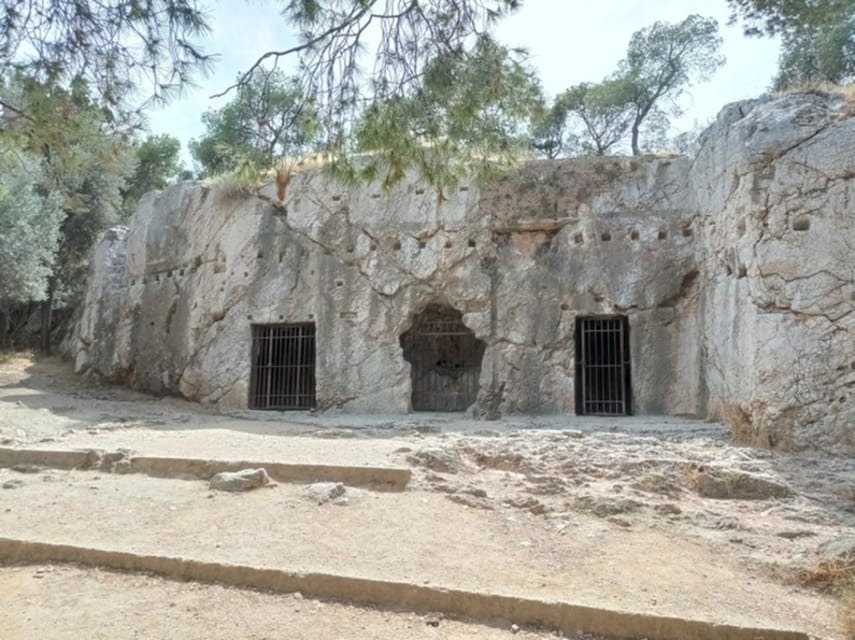
- Socrates prison: when wisdom has a price
- Practical note
- How the Spanish guide turns a walk into a thinking exercise
- My advice for Spanish speakers and learners
- Duration, pace, and what to bring so the tour feels easy
- Price and value: what $34 buys in Athens
- The best “value match”
- Who should book this tour, and who may want a different style
- The decision: should you book this Athens philosophers tour?
- FAQ
- What language is the tour guide?
- How long is the tour?
- Where do we meet for the tour?
- How much does the tour cost?
- What is included in the price?
- What is not included?
- What should I bring?
- What are the main stops on the tour?
- Is there free cancellation?
- Can I reserve and pay later?
Key things I’d watch for on this Athens philosophers walk
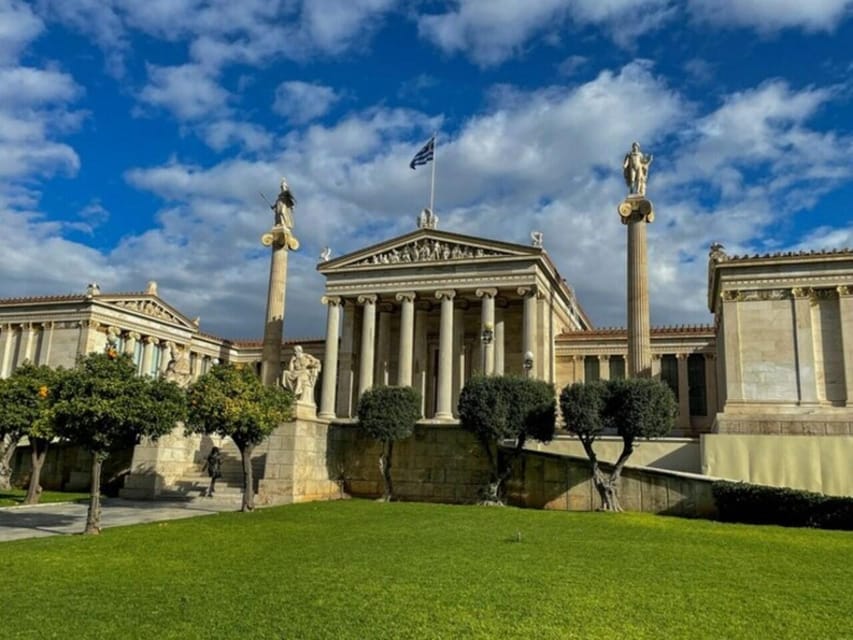
- Meet by the Statue of Plato and start with the right frame for what you’ll see next
- Agora to Pnyx route to understand how public space shaped thinking
- Areopagus stop (Aeropagus) for the political and moral weight behind “debate”
- Socrates prison focus to connect philosophy with real-world consequences
- Spanish live guide with discussion prompts so you are not just listening
- Bring water and expect steady time outdoors for about 150 minutes
Other Athens bookings where a guide comes along



First steps by the Statue of Plato, why the start matters

The tour meets in front of the Statue of Plato. Arrive about 10 minutes early so you can get oriented before the group sets off, especially if you’re navigating on a busy Athens street.
This opening matters because it frames what you’ll be doing for the next 150 minutes. Instead of “Here’s a site, here’s a fact,” the guide builds a story about how philosophy grew out of everyday civic life. That means by the time you reach the hill spaces and trial-era stops later, you already know what kind of thinking happened there.
The other practical win: you’re not guessing where to start. You have a very clear reference point, and from there the tour is designed as a walking route through central Athens. For me, that keeps the whole experience feeling connected rather than like random photos in different neighborhoods.
From the Greek Agora toward Pnyx: where ideas became public life
A big promise of this walk is the connection between philosophy and the spaces where Athenians actually met and argued. The tour description points you from the Greek Agora to the hill of Pnyx, and that journey is the backbone of the theme: thinking wasn’t private, it was part of civic participation.
In practical terms, you should expect the guide to talk about the birth of philosophy and the personalities tied to it, with Socrates at the center of much of the narrative. You’ll also hear how places gained meaning because people used them: for debate, decisions, and social pressure. When the guide ties a concept to a physical spot, you start seeing the city as a map of argument, not just a backdrop.
One reason this is good value for your time is that you cover a lot of ground while still feeling like the tour has a single storyline. You can think of it like a guided mental timeline, but anchored in real locations you can point to.
A small heads-up at this stage
You’ll likely be outside for most of the tour. That’s why the “bring water” instruction is not a throwaway line. In Athens, even a pleasant day can turn thirsty fast.
Aeropagus: the hill where judgment and moral questions show up
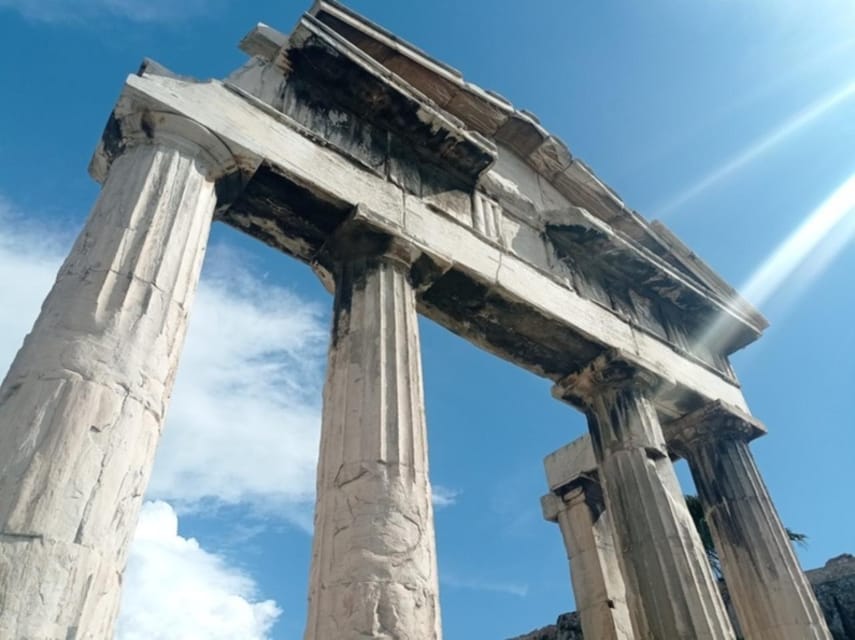
The highlights list includes Aeropagus (also spelled Areopagus). Even if you have seen the name before, this stop is meant to do more than label a location. The tour is focused on symbolism, and Aeropagus is a strong candidate because it carries the feeling of authority, trial, and moral weight.
Here’s what I think makes this stop worth it: it connects “philosophy” with power and consequences. Philosophy wasn’t floating in the sky. It rubbed up against social order, and that friction shows up in the stories the guide tells.
During this part of the tour, you can expect the guide to tie the hill’s role to how Athenians understood reasoning, discipline, and public life. The goal is not to memorize a list of dates. The goal is to feel why a place could shape the kind of questions people asked there.
What to do to get the most from this stop
Ask questions when the guide opens the floor. Several guides in this style invite conversation, and some tours include group-style thinking prompts. If you’re the type who likes to talk back, this section is where you’ll probably enjoy it most.
- Athens: Acropolis & up to 5 Archaeological Sites Combo Pass★ 4.4 · 12,619 reviews
- Athens: Acropolis, Parthenon & Acropolis Museum Guided Tour★ 4.8 · 9,316 reviews
- Athens: Cape Sounion & Poseidon Temple Sunset Half-Day Trip★ 4.8 · 8,241 reviews
- Athens: Acropolis and Parthenon Guided Walking Tour★ 4.6 · 5,882 reviews
Socrates prison: when wisdom has a price
The other major highlight is Socrates prison. The tour description sets up a key theme: sometimes being wise ends up paying dearly. That is the emotional engine of the stop, and it’s why the philosophy here feels human instead of academic.
Socrates is not just a name on a plaque in this experience. You’re guided toward an understanding of why his way of questioning mattered, and why it could put him at odds with the social rules of the time. Even if you only know the basics, the guide’s job is to connect the abstract to the lived reality of Athens.
This is also where you can notice the tour’s teaching style. In the provided guide feedback, people highlight a host who is engaging, funny, and willing to answer questions. That matters here because the topic can turn heavy. A good guide keeps it understandable without turning it into a lecture.
Practical note
This is still a walking tour, so keep your energy steady. Don’t wait until the final stop to drink water. If you pace yourself early, you’ll hear more and remember more.
How the Spanish guide turns a walk into a thinking exercise
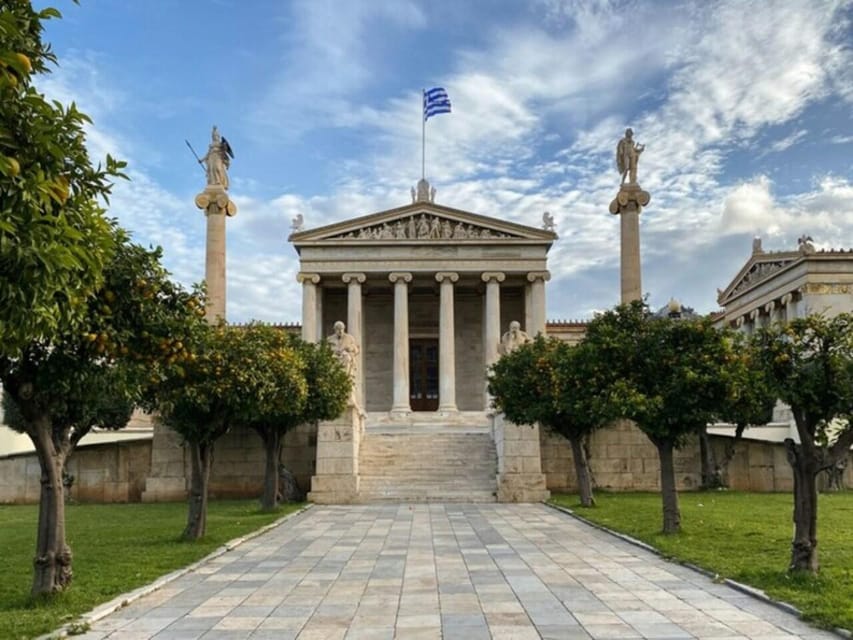
This tour is a live guided tour in Spanish. That’s a big deal for value, because it means you get real-time explanations and the chance to ask follow-ups instead of relying on a translation app.
From the feedback you provided, the guide style is interactive. People mention discussion, humor, and questions that push you to consider beliefs and morals from different angles. That’s exactly what you want on a philosophy-focused tour, because philosophy is not a single answer. It’s a habit of questioning.
Also, the guide appears to adapt to different comfort levels. Some people come with little philosophy background, others go in with more. The tour description promises that the walk is for seeing philosophy’s origins through the places themselves, which works best when the guide can adjust pacing and examples.
My advice for Spanish speakers and learners
If Spanish is your strong suit, you’ll get the most out of the back-and-forth moments. If you’re a learner, you can still enjoy it, but do yourself a favor: have a few core terms in mind before you go, like filosofía, justicia, and pregunta. You’ll catch more of the nuance when the guide moves from story to idea.
Duration, pace, and what to bring so the tour feels easy
The tour runs 150 minutes. That is long enough to feel like a real experience, not long enough to be a half-day endurance test, but you should still treat it like an active morning or afternoon plan.
The activity info specifically says to wear comfortable shoes and bring water, so follow that. It’s also worth planning your timing around heat and sun. If you go during the hottest part of the day, you’ll feel every minute outdoors.
One more practical thing: start with the meeting point mindset. The tour meets in front of the Statue of Plato, and the guide will likely keep the group together to maintain the flow of the story. If you are late, you may miss the opening context that makes the later stops click.
Price and value: what $34 buys in Athens
At $34 per person for 150 minutes with a live official guide, this is positioned as a story-driven walk rather than a ticketed attraction. The value comes from combining multiple key stops tied to philosophy in one route and giving you context as you go.
If you’ve ever tried to do this part of Athens on your own, you know the problem. The city has tons of sites, but the connections between them can be fuzzy. This tour aims to solve that by turning the route into a clear narrative, with the guide explaining why each place matters.
You also get a language benefit: it’s Spanish, which many people actively want when they’re spending time in Greece but still want to understand every detail. That makes the price feel more reasonable, because comprehension is part of what you’re paying for.
The best “value match”
This tour is a strong fit if you like guided explanations, enjoy walking, and want your Athens experience to connect to ideas, not just monuments. If you mainly want quiet sightseeing and don’t want to engage with discussion, you might enjoy only portions.
Who should book this tour, and who may want a different style
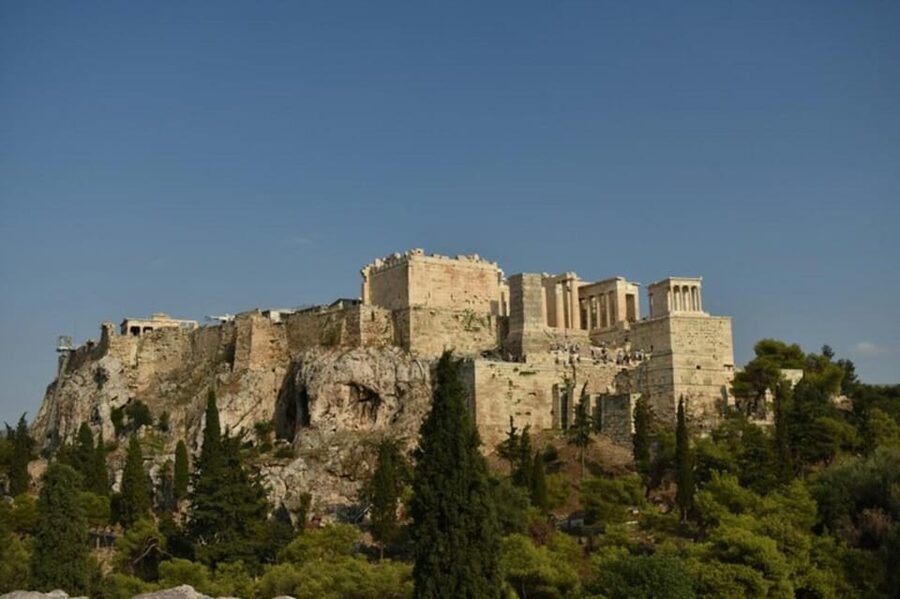
Book this if you:
- Want a city walk that links sites to the birth of philosophy and major names like Socrates and Plato
- Enjoy guides who tell stories and invite questions
- Prefer learning through walking, not through museums only
- Want Spanish guidance with live Q and A
Consider a different option if you:
- Hate walking for about 2.5 hours
- Want purely visual sightseeing with no discussion
- Only care about a single famous landmark and not the broader “how thinking worked” story
Also, if you’re the type who likes to ask why things mattered, you’ll probably do well here. Several pieces of the provided feedback point to a guide who encourages group interaction and answers questions thoughtfully.
The decision: should you book this Athens philosophers tour?
I’d book it if you want your Athens to feel like more than postcard stops. The tour is built around a clear theme, and the specific highlights, Aeropagus and Socrates prison, help you understand philosophy as something with social consequences.
It’s also a smart choice if you want value without extra costs. The tour includes the official guide, and your biggest extras are simply your own food and drinks and personal spending. You bring water, you wear good shoes, and you show up ready to think.
If you’re curious about ideas and you don’t mind a steady walk, this is one of those experiences that tends to stay with you longer than another quick photo stop.
FAQ
What language is the tour guide?
The tour offers a live Spanish guide.
How long is the tour?
The duration is 150 minutes.
Where do we meet for the tour?
You meet in front of the Statue of Plato, and you should arrive 10 minutes before the tour begins.
How much does the tour cost?
The price is $34 per person.
What is included in the price?
The price includes an official tour guide.
What is not included?
Food and drinks are not included, and personal expenses are also not included.
What should I bring?
Bring comfortable shoes and water.
What are the main stops on the tour?
The highlights include the Statue of Platon, Aeropagus, and Socrates Prison.
Is there free cancellation?
Yes. You can cancel up to 24 hours in advance for a full refund.
Can I reserve and pay later?
Yes. There is a reserve now, pay later option, so you can book a spot and pay nothing today.
A Guide Comes Along in Athens

The Rest of Athens



Every Other Athens Write-Up
- All Day Cruise -3 Islands to Agistri,Moni, Aegina with lunch and drinks included
★ 5.0 · 4,958 reviews



Everything else we have written up around Athens




Guided, side by side.
 ★ 4.2Athens: Acropolis Ticket with Optional Audio or Live GuideFrom $4211,055 reviews
 ★ 4.8Athens: Acropolis, Parthenon & Acropolis Museum Guided TourFrom $409,316 reviews
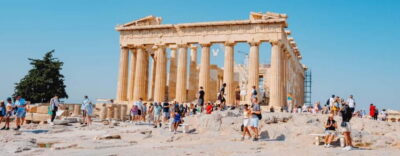 ★ 4.6Athens: Acropolis and Parthenon Guided Walking TourFrom $385,882 reviews
 ★ 4.4Athens: Cape Sounio & Poseidon Temple Trip with Audio GuideFrom $234,521 reviews
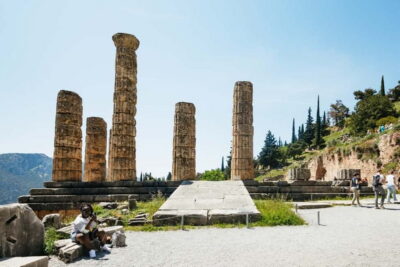 ★ 4.6Athens: Mythology of Delphi, Museum and Arachova Guided TourFrom $314,008 reviews
★ 4.8Athens: Acropolis, Parthenon & Acropolis Museum Guided TourFrom $413,579 reviews
★ 4.6Athens: Mythology of Delphi, Museum and Arachova Guided TourFrom $314,008 reviews
★ 4.8Athens: Acropolis, Parthenon & Acropolis Museum Guided TourFrom $413,579 reviews
 ★ 4.0Athens: Acropolis Ticket with Audio GuideFrom $473,575 reviews
 ★ 4.7Acropolis: Acropolis and Parthenon Guided Walking TourFrom $363,442 reviews