

Review · ACROPOLIS & PARTHENON TOURS
Acropolis: Acropolis and Parthenon Guided Walking Tour
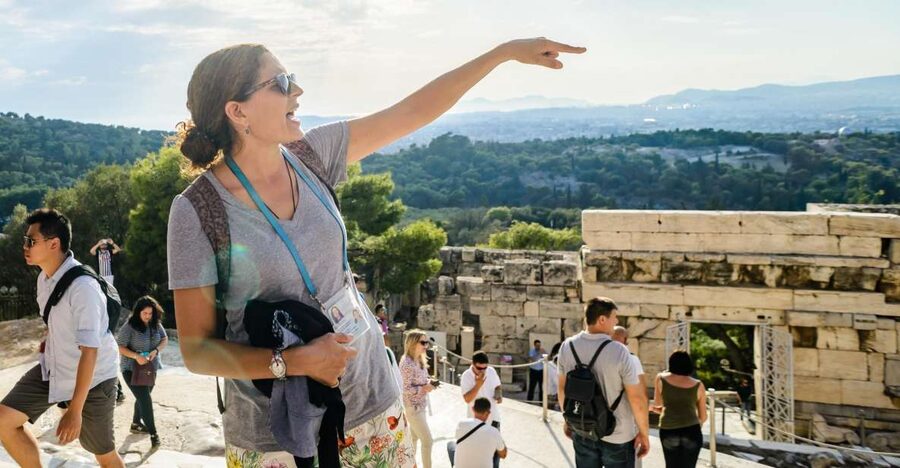
A day on the Acropolis feels like walking inside a textbook. What makes this tour work is that you do it with an expert licensed guide plus skip-the-line access, so you spend your energy looking up at monuments instead of waiting. You get the classical story in order, from myth and drama to the temples that still define Athens.
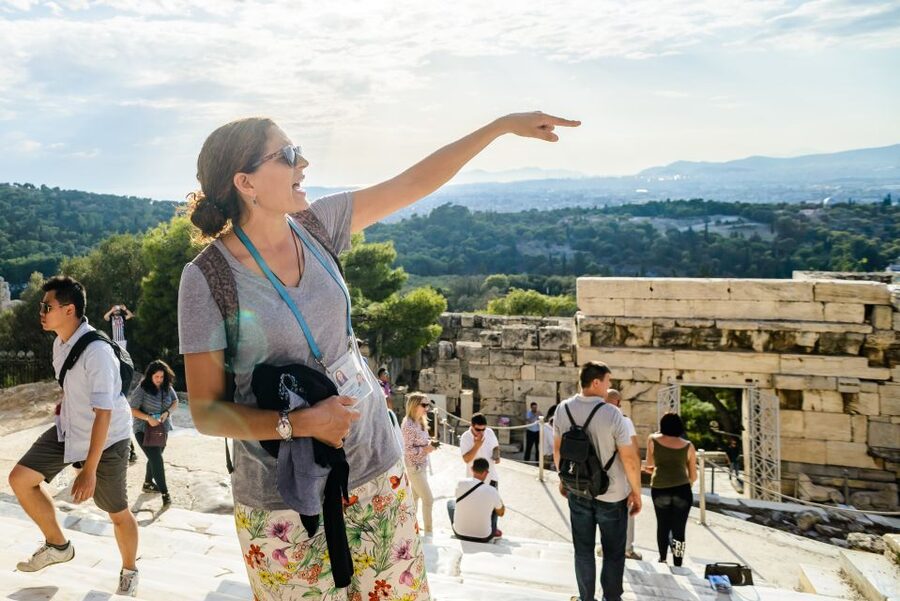
Two things I really liked: the walk is paced so you can keep up without feeling rushed, and the guide brings the places to life with clear explanations and humor. I also appreciate the wireless hearing devices, which help you catch the details even when the site is packed.
One drawback to plan for is crowds. Even with a separate entrance, the Acropolis is busy, so wear comfortable shoes and expect some jostling around the most famous spots.
In This Review
- Key highlights to watch for
- From Dionysus Theatre to the Odeon, you get the Athens story in the right order
- Temple stops that train your eyes, not just your camera
- Parthenon summit views, plus a simple way to understand what you’re seeing
- Acropolis Museum option: when the stones need context
- Duration and pacing: how to pick a time slot that feels good
- Price and value: what you really pay for
- Who this tour suits best (and who should think twice)
- Should you book this Acropolis and Parthenon guided walking tour?
Key highlights to watch for
- Start at the Theatre of Dionysus: a smart way to understand why Athens built big in public culture.
- Odeon of Herodes Atticus: you pass from myth and religion to performance and power.
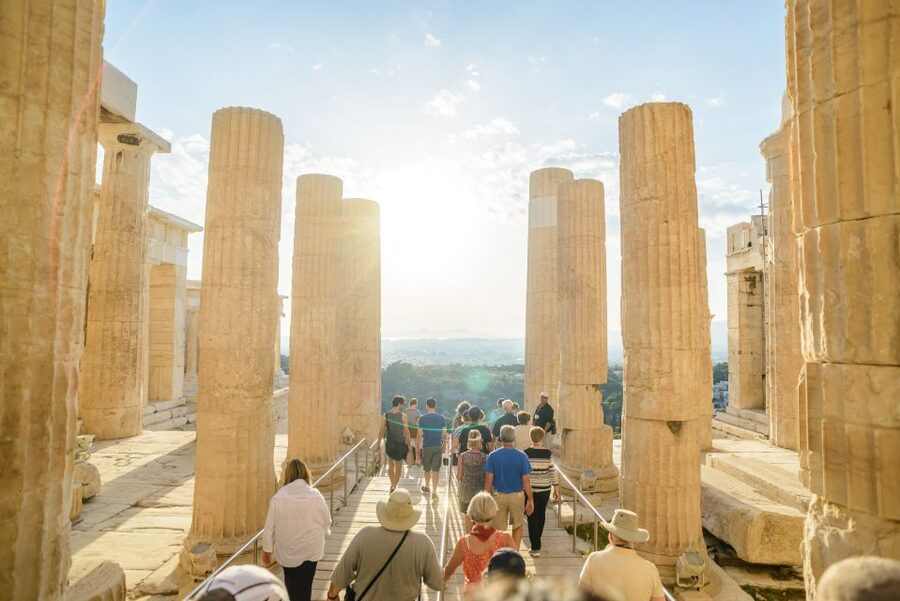
- Propylaea first impression: the gateway sets the tone before you hit the main temples.
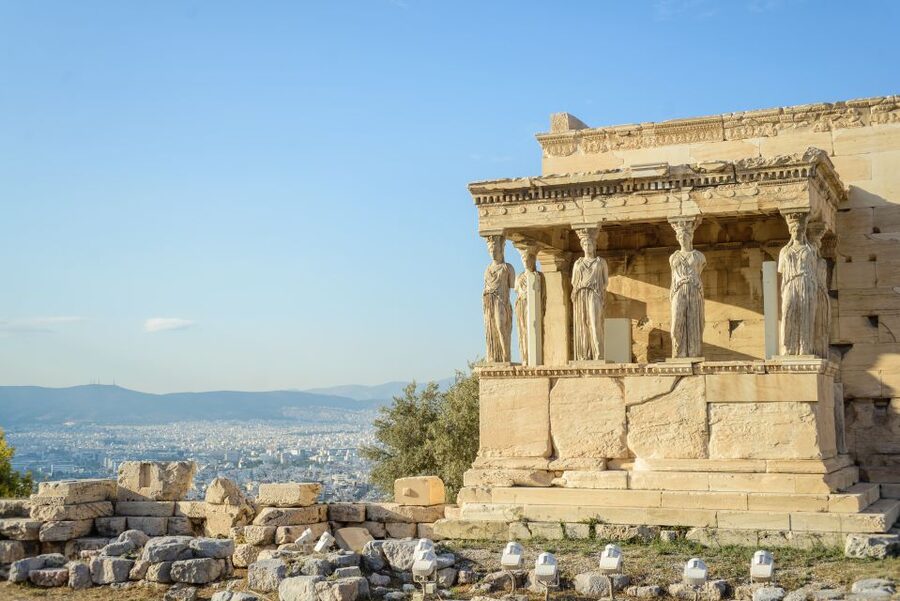
- Erechtheion and the Caryatids: you’ll learn what those famous figures mean and why they vary.
- Parthenon views that actually help: you get a mental map of ancient Athens laid over modern streets.
- Optional Acropolis Museum time: you connect the dots between ruins outside and artifacts inside.
Other ways up the Acropolis, side by side



From Dionysus Theatre to the Odeon, you get the Athens story in the right order

The best part of an Acropolis tour is not just seeing famous ruins. It is understanding why Athens built the way it did, and this route keeps the storyline tight. You start at Porinou 5, at the Athens Walks tour office, which is close to the Acropolis metro area, and then you head straight toward the hill without wasting time.
Your climb begins at the Theatre of Dionysus, the birthplace of drama. This is a great opening because theatre was not entertainment for a few people, it was part of civic life. As you stand among the old stone seats, your guide can frame how stories and politics mixed in ancient Athens.
A nice touch is that the tour does not treat every stop like a random photo stop. It ties themes together, including the role of gods, ceremonies, and public life. Guides in this group often bring extra energy too. I’ve seen comments praising archaeologist-style guides like John, as well as lively storytellers such as Hermes and Dionysus, who make the myths feel like context, not trivia.
Then you move on to the Asklepieion of Athens. Even if you have never heard the word before, it helps to know it relates to healing and worship. The short guided stop gives you a sense of how everyday beliefs shaped sacred spaces on the slopes.
After that, you reach the Odeon of Herodes Atticus. This is a reminder that Athens loved big performance spaces, not just temples. If you look around while you’re there, you’ll start to see the Acropolis as a whole complex, not a single building called the Parthenon.
The only real “watch out” here is that groups can feel slightly packed as you transition between points. If you like space to photograph, you may need to step aside quickly and wait for the flow to ease.
Temple stops that train your eyes, not just your camera
Once you’re on the upper route, the tour becomes more about how to look. You visit the Temple of Athena Nike, and your guide uses it to talk about Athena as a symbol of civic identity. Even with only a short stop, you learn what to notice, like how the architecture links religion to the city’s image.
Next comes Propylaea, the grand entrance gateway. This is one of those moments where your brain automatically says, Okay, this was meant to impress. The symmetry and scale change your perspective, and it helps you understand why the Acropolis feels staged, like a processional path.
After the gateway, you move into the heart of the sacred layout at the Erechtheion. This stop is often where people start paying attention to the “small” details, because the building is not just famous for one view.
The highlight here is the Caryatids, the sculpted female figures that act as supporting columns. You will get stories tied to the sanctuary, including myths connected to Athena and Poseidon. I found this kind of explanation useful because it turns the statues from decoration into something with meaning tied to power, patronage, and belief.
If you are the type who normally reads museum labels after the fact, this is the opposite. You get the meaning while you’re still standing in front of the structure.
The drawback is timing. The guided windows at each stop are short, so you have to listen while you can and keep moving when the group signals to go. Wireless hearing helps, but if you drift far behind you may miss key points, which is a theme I noticed in some feedback about the earpieces working best when you stay fairly close to the guide.
Parthenon summit views, plus a simple way to understand what you’re seeing

When the tour reaches the Parthenon, you finally get the reason people come to Athens. But the tour does more than stand you in front of a postcard.
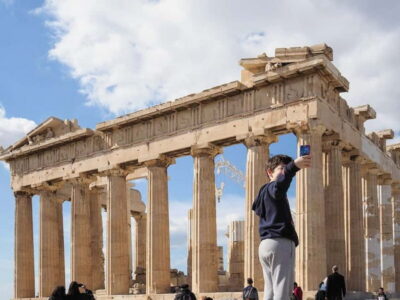
Your guide explains what the Parthenon was for, including its role as a sanctuary connected with Athena. That matters because otherwise it is easy to treat the building like a single masterpiece rather than a statement about a city’s strength.
Then comes the best practical payoff: you get panoramic views from the Acropolis height. This is where the walking tour earns its keep. Seeing Athens from up there, even for a short time, helps you build a mental map. Streets and neighborhoods below stop looking random, and the modern city starts to feel connected to the ancient one.
The Parthenon area also teaches you how to read ruins. You learn to notice what has survived, what is missing, and what details were engineered for function, not decoration. That kind of framing makes your photos better too, because you know what your eye should focus on.
One caution: the Parthenon zone is usually busy. Even with skip-the-line entry, you will share space with other groups. Plan for waiting a little when you want a clean angle, and don’t get discouraged if you can’t stay at one spot forever. The tour format keeps moving, so you get multiple moments to look, not just one.
Acropolis Museum option: when the stones need context
Some versions of this experience include a guided visit to the Acropolis Museum with skip-the-line entry. If you choose that add-on, it can be a strong follow-up because you bring your new understanding back inside.
Outside on the hill, you’re looking at buildings and fragments shaped by time. Inside, the museum helps you see objects and sculptures in a clearer story. Even a short guided museum add-on can help you connect myth, cult, and art to what you just saw.
This is also where guide talent really matters. Many reviews highlight guides who keep the narrative going across both the ruins and the museum. People mention guides like Alexia, Anastasia, Artemis, and Annie, often praising how they keep the group together and answer questions with confidence.
If you choose the museum option, my advice is simple: don’t rush. Use it to confirm what you understood on the hill. If you go in tired, you will miss the main point of this extra time.
Duration and pacing: how to pick a time slot that feels good
The tour is listed as 2 to 4 hours, with starting times depending on availability. In practice, short starts often feel best if you want a full day in Athens without turning the Acropolis into your whole schedule. Several comments note tours that felt closer to about two hours, though the museum option can add time.
Because the Acropolis is weather and crowd dependent, I like choosing an earlier slot when possible. You get the best chance of calmer spacing around viewpoints and fewer delays when groups converge.
If you are sensitive to heat, aim for morning. Bring a sun hat and sunscreen as recommended, even if you think you can handle it. The hill sun hits hard, and you’ll be happier if you look prepared rather than regretting later.
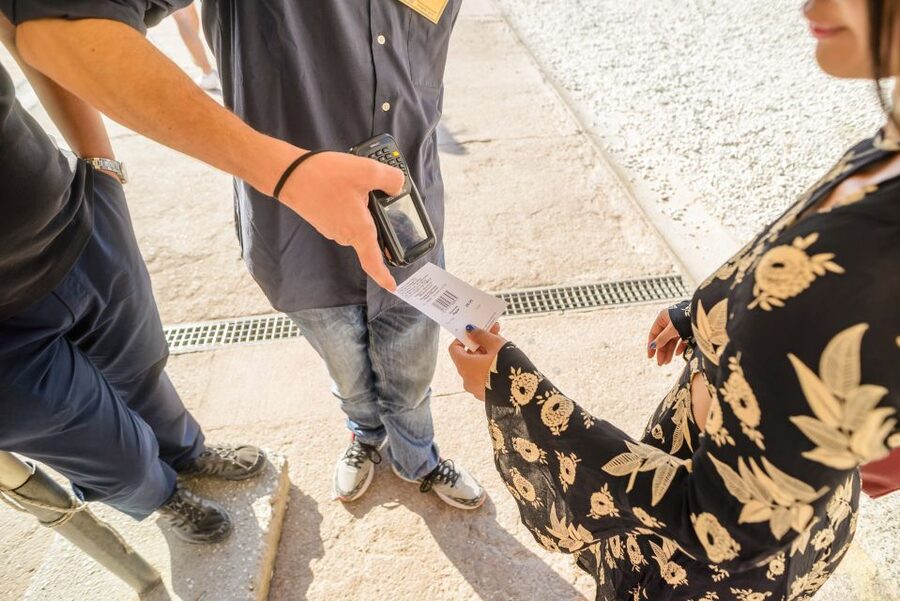
Also bring your patience. The site is crowded, and you may be moving through pinch points. The guide will manage the group, and most feedback emphasizes how organized the meeting and ticket handling is at the gate.
Other Athens bookings where a guide comes along
- Athens: Cape Sounio & Poseidon Temple Trip with Audio Guide★ 4.4 · 4,521 reviews
- Athens: Mythology of Delphi, Museum and Arachova Guided Tour★ 4.6 · 4,008 reviews
- Acropolis: Acropolis and Parthenon Guided Walking Tour★ 4.7 · 3,442 reviews
- From Athens: Delphi Full Day V.R. Audio Guided Tour★ 4.6 · 3,028 reviews
Price and value: what you really pay for
At $36.14 per person, this tour is priced in the “worth it if you use it right” zone. Here is what you are paying for, beyond the basic fact of a walking guide.
First, the guide is licensed and you get context that you would not get from an audio app alone. Multiple comments highlight guides who combine archaeology with storytelling and humor. That means you are more likely to walk away understanding why each part matters.
Second, you get wireless hearing devices. In a crowded site like the Acropolis, that is not a gimmick. It is the difference between catching only the loudest bits and actually following the thread of the story.
Third, the skip-the-line access can be a major value saver. If you select the option with tickets and museum entry where applicable, you avoid the stress of searching for available entrance. The advice here is straightforward: choose an option that includes entry tickets when you can, because getting in can be surprisingly tricky.
A final value point is logistics. You meet at Porinou 5 and the office is close to the Acropolis metro area. Less transit friction usually means more energy for the climb and time at the viewpoints.
Who this tour suits best (and who should think twice)

This tour fits you best if you want a focused half-day and you like structured sightseeing. It is also ideal if this is your first time in Athens. You get a quick mental framework for classical Greece, theatre, religious symbolism, and the way the Parthenon anchors the whole hill.
It is less ideal if you need a fully barrier-free route. The tour is noted as not suitable for wheelchair users. If you’re mobility limited, you may want to look for a different format.
If you dislike group pacing, consider whether the short guided stops will annoy you. The upside is that most guides keep the pace manageable, and you get frequent chances to stop and look rather than one long march with no breaks.
If you care about hearing every detail, stay near the guide when the crowd tightens. Some people reported that the earpieces worked best when they were close, which makes sense given how sound behaves in dense areas.
Should you book this Acropolis and Parthenon guided walking tour?
If you have only one or two days in Athens, I think this is one of the best ways to use that time. You trade a bit of flexibility for real structure, and the combination of skip-the-line entry plus an expert guide helps you see more and stress less.
Book it if you want the story told in a sensible sequence, from the Theatre of Dionysus to the Parthenon views. Choose the version that includes tickets, especially if your dates are busy. And if you can add the Acropolis Museum option, do it, because it turns the ruins into something you can remember with clearer connections.
Don’t book it if you want to wander completely on your own, or if you need a fully accessible route. For most visitors, though, this is a strong match: you get big scenery, real context, and a guide who can keep the whole hill making sense.
The Rest of Athens



Every Other Athens Write-Up
- All Day Cruise -3 Islands to Agistri,Moni, Aegina with lunch and drinks included
★ 5.0 · 4,958 reviews



The Acropolis, Other Ways Up

Everything else we have written up around Athens




Acropolis & Parthenon Tours, side by side.
 ★ 4.4Athens: Acropolis & up to 5 Archaeological Sites Combo PassFrom $4812,619 reviews
 ★ 4.2Athens: Acropolis Ticket with Optional Audio or Live GuideFrom $4211,055 reviews
 ★ 4.8Athens: Acropolis, Parthenon & Acropolis Museum Guided TourFrom $409,316 reviews
 ★ 4.6Athens: Acropolis and Parthenon Guided Walking TourFrom $385,882 reviews
★ 4.8Athens: Acropolis, Parthenon & Acropolis Museum Guided TourFrom $413,579 reviews
★ 4.6Athens: Acropolis and Parthenon Guided Walking TourFrom $385,882 reviews
★ 4.8Athens: Acropolis, Parthenon & Acropolis Museum Guided TourFrom $413,579 reviews
 ★ 4.0Athens: Acropolis Ticket with Audio GuideFrom $473,575 reviews
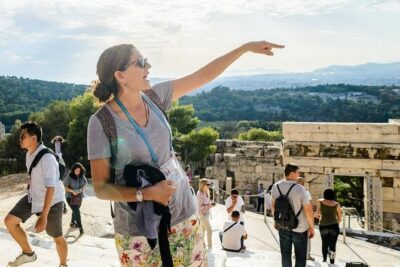 ★ 5.0Acropolis monuments & Parthenon Walking Tour with Optional Acropolis MuseumFrom $422,678 reviews
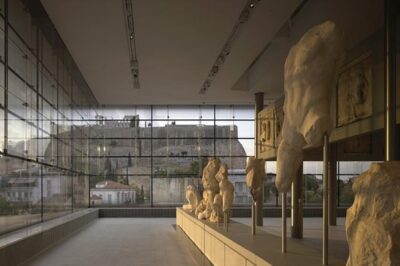 ★ 4.5Athens All Included: Acropolis and Museum Guided Tour with TicketFrom $1652,673 reviews
Sits on these lists