
Review · CRETE ISLAND TOURS
Chania: Authentic Cooking Class in the White Mountains
This cooking day in the White Mountains feels like joining family. You’ll learn Cretan recipes hands-on, then eat what you cook with cheese and wine in a mountain farm setting. It’s not just food talk, you’ll hear where dishes come from and why olive oil is basically the main character in Crete.
One thing to plan for: this is a full 6-hour outing with walking time, so comfortable shoes and a light jacket matter.
In This Review
- Key Points You Should Know
- Getting From Chania to a Real Cretan Home Kitchen
- Vegetable Garden Start: Herbs, Olive Oil, and How Crete Thinks
- The Shepherd Enclave Walk and Olive Harvest Stories
- Cooking Class Time: From Ntakos and Tzatziki to Your Full Dinner
- Tasting Crete: Cheese, Wine, and Raki Before Dinner
- Dinner With Mountain Views, Plus Jar Desserts for the Finish
- Price and Value: Why $129 Can Make Sense Here
- Who This Chania Cooking Class Fits Best
- Smart Tips Before You Go
- Should You Book This Cooking Class in the White Mountains?
- FAQ
- How long is the Chania cooking class?
- Where does the experience take place?
- What is included in the price?
- Is the class taught in English?
- Does pickup and drop-off happen from Chania?
- What dishes can I expect to make?
- Is wine included?
- What should I bring?
- Is there free cancellation?
- Should I bring a water bottle?
Key Points You Should Know
- White Mountains setting and family property at the base of the mountains, with animals and big views
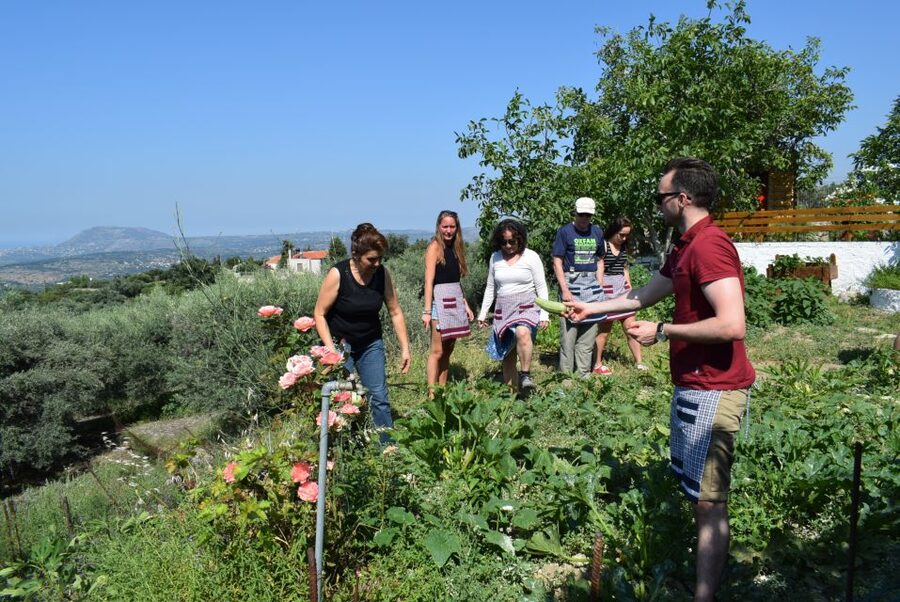
- Garden walk first, so the herbs and vegetables you cook with feel real, not staged
- Olive harvest storytelling on a scenic walk to a shepherd enclave
- Hands-on cooking with appetizers like ntakos and tzatziki, plus a full dinner you make
- Wine, cheese, and raki tasting, ending with traditional jar desserts
- Small group vibe, with guides who often include names like Alex, Costa, Giannis, Kosko, and Janus, plus chefs such as Maria
More of Chania and the west of the island
Getting From Chania to a Real Cretan Home Kitchen
The experience starts the way good Crete experiences often do, with pickup and a calm ride into the hills. You’ll be transported in an air-conditioned minivan with a local driver-guide, and the class runs about 6 hours total. If you’re basing yourself in Chania, this is a low-stress way to get out of the city and into the White Mountains without renting a car or doing bus math.
I like that the group stays small. In the best versions of this kind of class, you can actually ask questions while you cook, not wait your turn. The guides you might meet, like Alex or Costa, are often there to connect the food to daily life on Crete, so it feels more like a shared evening than a factory-like lesson.
A small practical note: this is not a quick stop. People sometimes assume cooking classes are short and snacky. This one is longer and includes walking time, so treat it like an afternoon that turns into dinner. Bring the shoes and layers you were told to bring, and you’ll be glad you did.
Vegetable Garden Start: Herbs, Olive Oil, and How Crete Thinks
The day opens with a stroll through a vegetable garden. That matters more than it sounds. When you see herbs growing in the same place they get harvested, you start tasting with context, not just memory. You learn what’s in-season and how Cretan cooks build flavor with extra virgin olive oil plus aromatic herbs.
From the way the class is taught, you’ll pick up a “why” behind the “what.” Olive oil isn’t treated like a condiment here. It’s treated like technique. Even if you don’t cook often, you’ll understand the logic: use good oil, use herbs, keep things simple, let the ingredients do the work.
This first garden walk also sets the tone. You’re not just standing around. You’re moving, looking, and getting pointed at different plants. It’s a quick reset from tourist mode, and it helps you enjoy what comes next because you’ll recognize ingredients later when you’re chopping and mixing.
The Shepherd Enclave Walk and Olive Harvest Stories
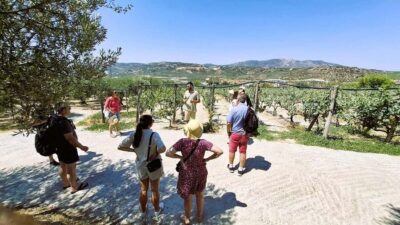
After the garden, you’ll head out for a scenic mountain walk to a shepherd enclave. This part is about storytelling, especially around olive harvesting and how the landscape shapes food habits. Even if you’re tired, the walk is usually worth it because the scenery and the explanation go together.
What you’re learning here is cultural navigation. Crete’s cuisine can look similar across the Mediterranean on a menu, but the details are local. The class connects those local details to how people traditionally worked the land. You’re not memorizing history dates, you’re learning how an island economy and climate show up in dinner.
Plan for the fact that you’ll be outdoors. The tour asks you to bring a jacket, and that’s your hint that temperatures can shift as you climb. Wear comfortable shoes with good grip, because even a gentle walk in rocky areas can feel harder than expected.
Cooking Class Time: From Ntakos and Tzatziki to Your Full Dinner
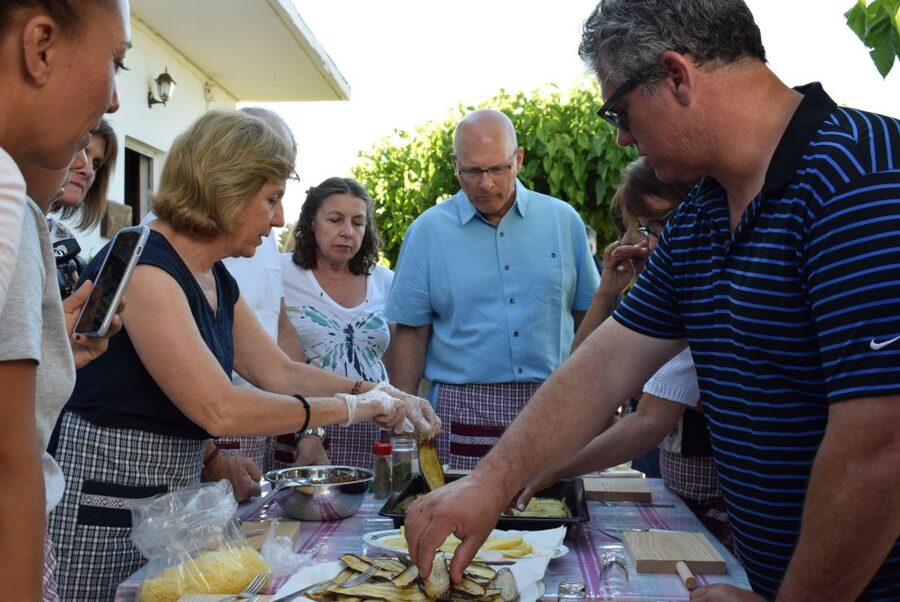
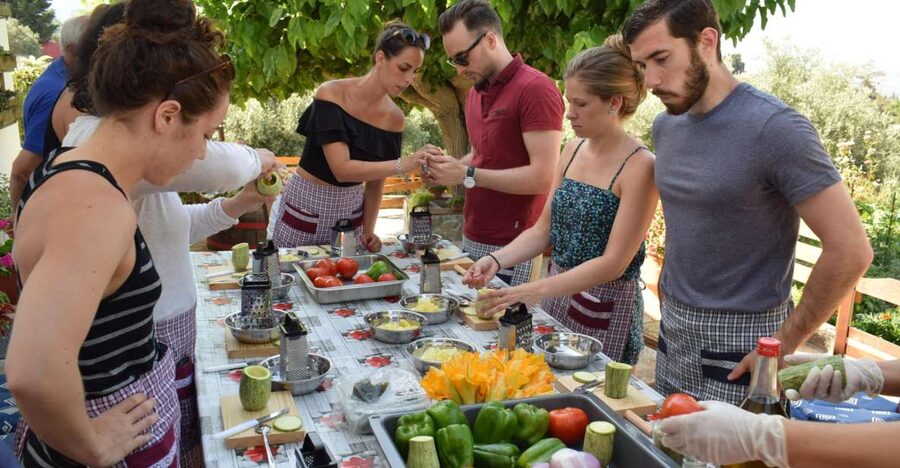
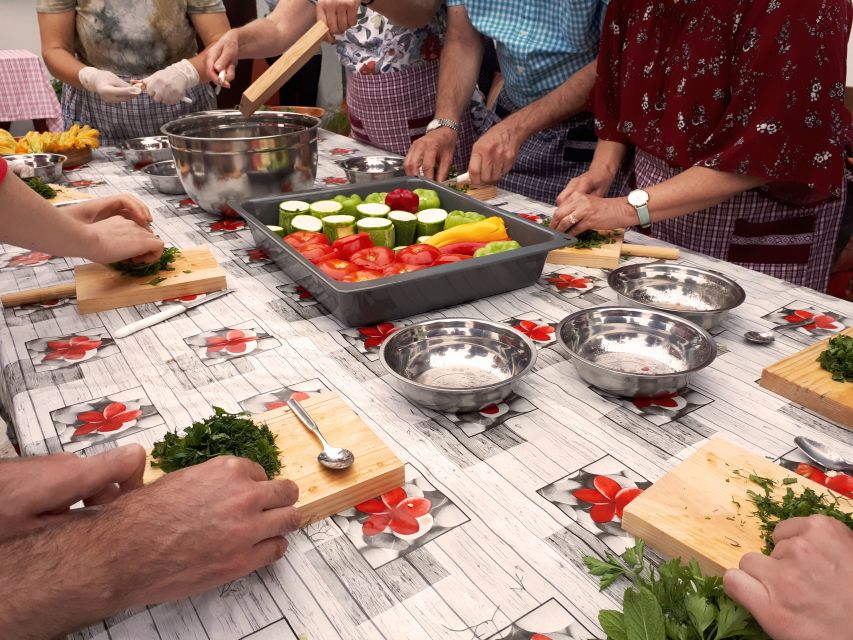
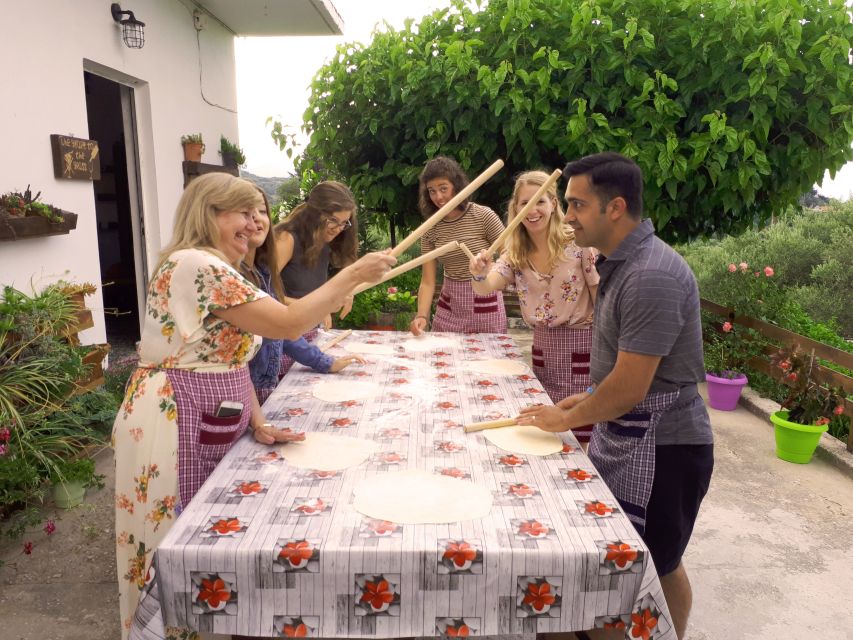
This is the hands-on heart of the day. You’ll return to the cooking space and start preparing traditional dishes with local expertise. One reason people love this class is that it’s not only “watch someone cook.” You’ll actually do the work, step by step, with an instructor and hosts who guide you through the process.
You can expect appetizer work like ntakos and tzatziki. Those dishes are great entry points because they show Cretan style without being complicated. Ntakos is all about structure and texture, and tzatziki is about balance, garlic, and yogurt flavor. When you make them yourself, you start understanding why the same ingredients can taste completely different depending on how they’re assembled and seasoned.
Chef roles may vary by day, but Maria appears often as a key instructor in the kitchen. Guides such as Alex, Giannis, Kosko, or Janus often translate and add context while you cook, keeping the class flowing so you can focus on technique instead of guessing what comes next.
Food prep also includes the ingredients being part of the day’s story: locally sourced meats, aromatic herbs, and freshly harvested vegetables. That’s a real quality difference. If you only care about flavor, it still matters because fresher ingredients taste brighter and easier to cook well.
Tasting Crete: Cheese, Wine, and Raki Before Dinner
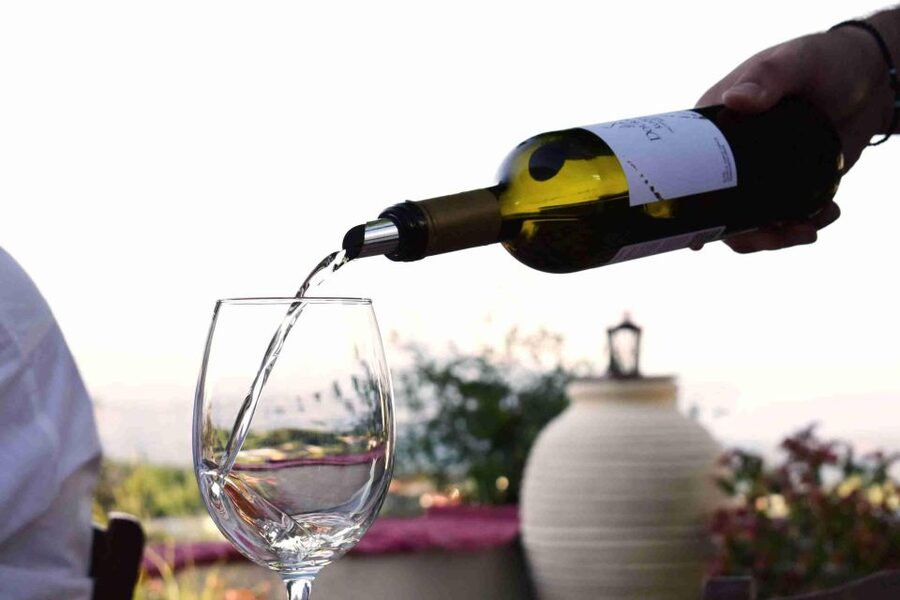
Before the final meal, you’ll taste. The class includes wine and food tasting, plus local touches like Cretan cheese and wine paired with your dinner. Many people also mention a welcome of raki, which makes the moment feel more like arrival at someone’s home than lining up for a course.
This tasting time is valuable because it teaches you how Crete wants you to eat. You’ll learn what pairs well with what, and more importantly, you’ll hear the origin stories behind dishes. That turns tasting into recall. Later, when you’re back in Chania, you can find the ingredients in a shop and actually know what you’re looking for.
Alcohol is included as part of the pairing, so if you prefer to keep things light, you can take smaller sips. The goal here is sharing and learning, not getting hammered. If you’re driving later, make sure you plan ahead.
Other Crete write-ups on the list
- Crete: Day Trip to Agios Nikolaos and Spinalonga Island★ 4.6 · 4,416 reviews
- Crete: Knossos Palace Entry Ticket with Optional Audio Guide★ 3.9 · 2,251 reviews
- Crete: Rethimno, Chania, and Kournas Lake Day Trip★ 4.4 · 1,694 reviews
- Full-Day Small-Group Tour in Crete with Zeus Cave Visit★ 5.0 · 1,099 reviews
Dinner With Mountain Views, Plus Jar Desserts for the Finish
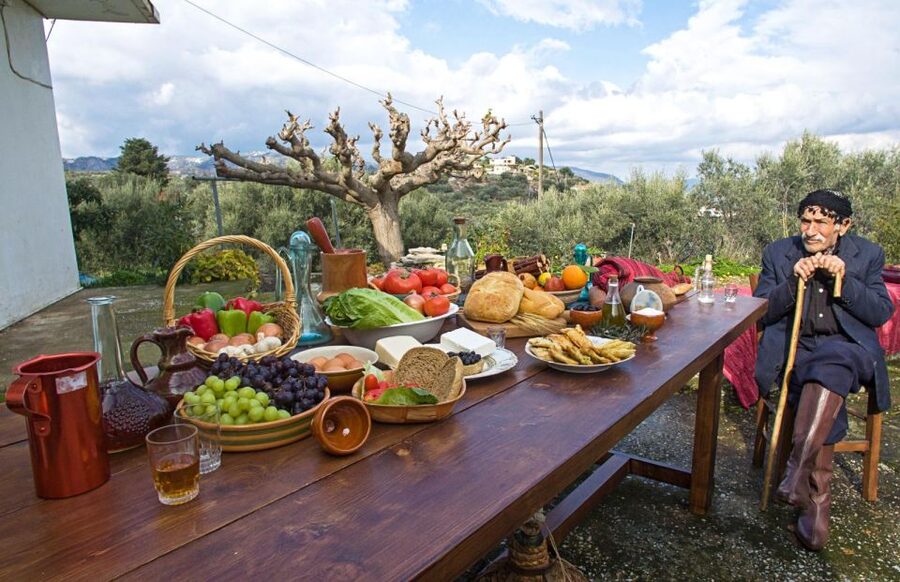
Dinner is the payoff. You’ll sit down together and eat what you cooked, often with regional wines. The best part is that the meal feels like a family banquet. People frequently talk about warm hospitality, house and family photos, and the sense that you’re being invited into someone’s daily world.
Dessert comes in the form of traditional jar treats. You’ll finish with sweet notes straight from Cretan tradition. It’s a satisfying wrap-up because it closes the circle. You learned about ingredients, cooking, and local practice, and then you end with the kind of dessert that fits the same philosophy: made to share, made to last, made with local flavor.
There’s also a practical detail worth mentioning: the class tends to be organized and clean, with good attention to equipment like aprons and cooking utensils provided. That matters for comfort, especially if you’re not used to cooking classes.
Price and Value: Why $129 Can Make Sense Here
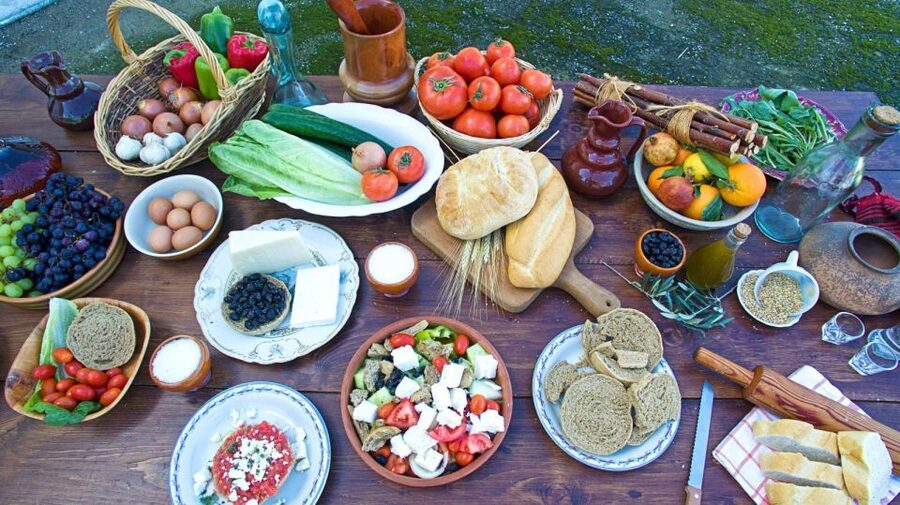
At $129 per person for a 6-hour experience, this isn’t the cheapest thing to do in Chania. But it can be good value when you factor what you get: pickup and drop-off, transportation in a comfortable minivan, a small-group class, ingredients for your meal, wine and food tasting, recipes and photos sent by email, and even commemorative gifts.
Most cooking classes focus on the class. This one adds a whole day. You get garden time, an outdoor walk, animal moments on the property like feeding sheep or goats (depending on what’s happening), plus a sit-down dinner with wine and dessert. That combo is why people keep calling it a standout day in Crete.
You’re also paying for access. The property is a family home and farm, not a rented commercial kitchen. If your idea of value is learning something you’ll actually use, and eating food you can’t easily replicate from a casual menu, this price can be justified.
Who This Chania Cooking Class Fits Best
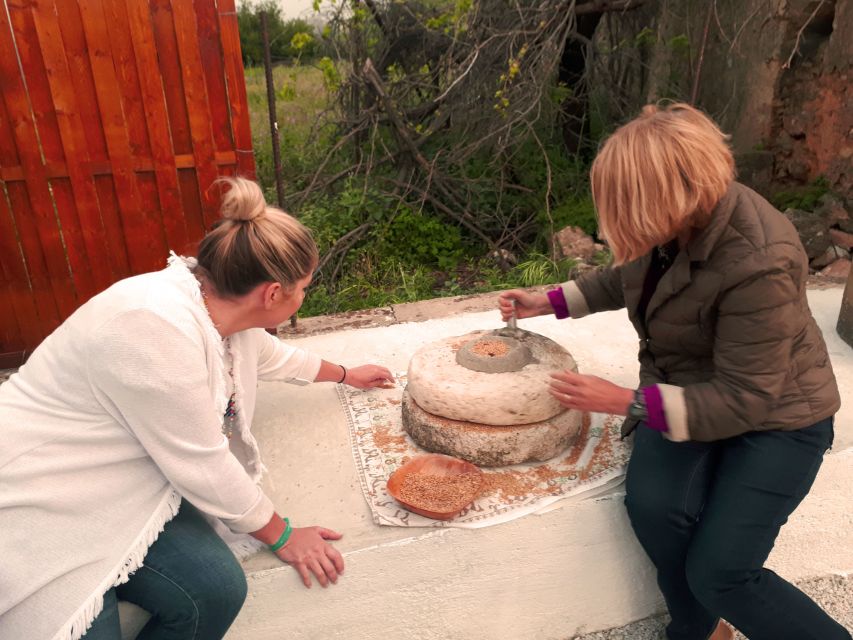
I think this tour is ideal if you want Cretan food with context. If you love cooking, you’ll enjoy the hands-on work on dishes like ntakos and tzatziki. If you don’t cook much, you’ll still come away with a feel for ingredients, olive oil technique, and how the meals connect to the land.
It’s also a strong choice for solo travelers. A lot of people describe the day as welcoming and easy to join, with the guide keeping the group comfortable. Small group size helps with that. You’ll talk, cook, and eat together, then go home with photos and recipes by email.
Family-friendly? It can be, but the walking part means you’ll want to judge your comfort level. Bring the shoes and jacket. If you have mobility limits, you should think carefully about the mountain walk portion before booking.
If you’re going in shoulder season or off-season, you might appreciate the small-group nature even more. Some people note last-minute cancellations elsewhere, while this class kept things moving smoothly, with good communication.
Smart Tips Before You Go
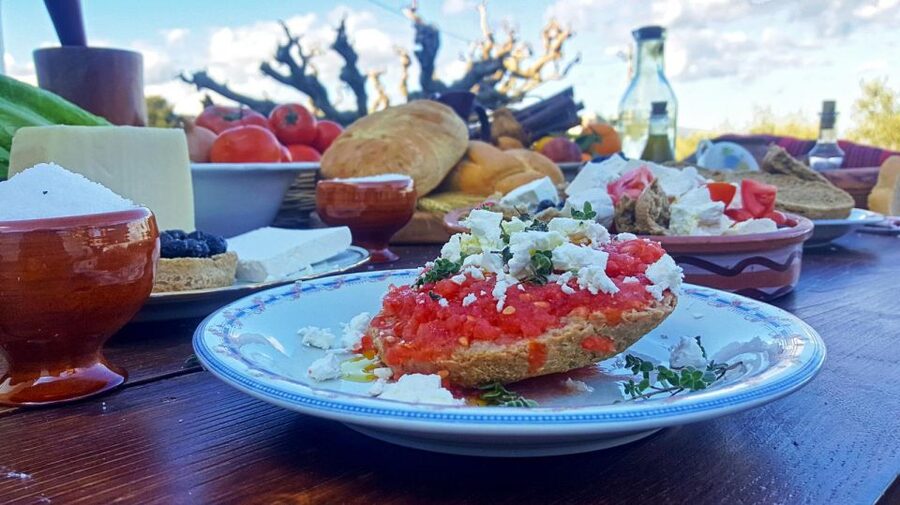
A few things I’d do based on what people consistently emphasize:
- Pack water even if the day includes wine and meals. One tip says there can be limited water opportunities until later in the outing, so having your own bottle helps.
- Wear comfortable shoes for the garden walk and the scenic mountain route.
- Bring a jacket. Crete weather can shift, and the hills can feel cooler than the coast.
- If you care about flavors, try to slow down during tastings. Your memory will thank you later when you shop for ingredients back in Chania.
- If you’re hoping to learn specific techniques, ask during cooking time. Names you might hear in conversation include Maria in the kitchen and guides like Alex, Costa, Giannis, Kosko, and Janus who translate and share context.
Should You Book This Cooking Class in the White Mountains?
Yes, if you want Cretan cuisine beyond the usual restaurant loop. You’re getting a true farm-to-table style experience, with garden ingredients, olive harvest storytelling, and a hands-on class that ends in a real dinner. The small-group feel and strong hospitality make it the kind of day you remember when you’re back sorting laundry and receipts.
Hold off if you dislike walking or you want a short, strictly timed activity. This is a longer afternoon with outdoor parts and a full meal, so it’s best when you can dedicate the time.
If your priority is authentic food, olive oil technique, and eating where the story behind the dish is part of the meal, this Chania cooking class is a very solid bet.
FAQ
How long is the Chania cooking class?
It lasts 6 hours.
Where does the experience take place?
It takes place in Crete, with the class and activities in the White Mountains area near Chania.
What is included in the price?
Pickup and drop-off, transportation by air-conditioned minivan, a small group cooking class and meal, all ingredients for dinner, apron and cooking utensils, wine and food tasting, commemorative gifts, and recipes and photos sent by email. It also includes liability insurance and local taxes.
Is the class taught in English?
Yes, the instructor is English.
Does pickup and drop-off happen from Chania?
Yes. Pickup is included from specific locations within the Chania region, and drop-off is included as well.
What dishes can I expect to make?
You’ll prepare appetizers like ntakos and tzatziki, and you’ll also make a traditional dinner plus jar desserts.
Is wine included?
Yes. Wine and food tasting is included, and dinner is paired with regional wines.
What should I bring?
Bring comfortable shoes, sunglasses, and a jacket.
Is there free cancellation?
Yes. You can cancel up to 24 hours in advance for a full refund.
Should I bring a water bottle?
It can help. One note in the provided info says there may not be much opportunity to have water until a couple hours in, so having your own bottle is a smart move.
Greek and Cretan Kitchens to Stand In
More of Crete On the List
Chania and the West of the Island
Everything else we have written up around Crete


Crete Island Tours, side by side.
 ★ 4.6Crete: Day Trip to Agios Nikolaos and Spinalonga IslandFrom $444,416 reviews
 ★ 3.9Crete: Knossos Palace Entry Ticket with Optional Audio GuideFrom $302,251 reviews
 ★ 4.4Crete: Rethimno, Chania, and Kournas Lake Day TripFrom $451,694 reviews
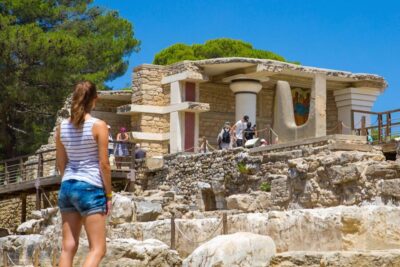 ★ 3.8Crete: Palace of Knossos E-Ticket and Audio GuideFrom $341,540 reviews
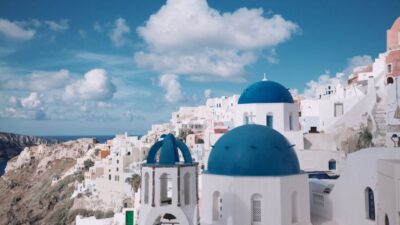 ★ 4.4From Heraklion/Crete: Santorini Island Guided Day TripFrom $2001,448 reviews
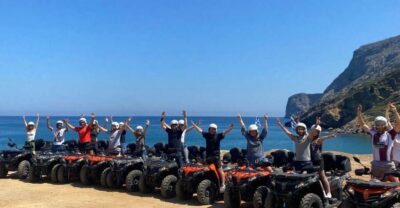 ★ 4.9Agia Pelagia Crete Quad Bike authentic backland TourFrom $501,430 reviews
 ★ 4.9Crete: Sunset or Morning Quad with Local Products TastingFrom $941,135 reviews
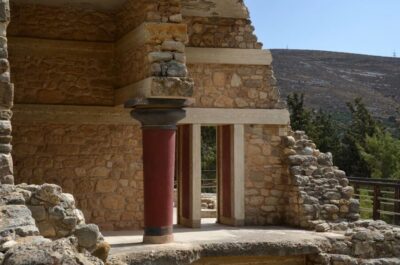 ★ 4.4Crete: Knossos Palace & Heraklion Guided TourFrom $351,127 reviews