
Review · CRETE ISLAND TOURS
Cretan Cooking Class and Olive Oil Tasting
A farm evening in Crete that actually puts your hands to work. You’ll cook with a local Cretan family in a sunny outdoor kitchen between olive trees, then sit down to eat what you make with Cretan wine. What I especially like is the combo of hands-on cooking and extra virgin olive oil tasting taught in plain, practical terms, not food-school theory.
The only real consideration is that this experience depends on good weather because the cooking and dining space is outdoors on the farm, and it’s rural. So if you’re the type who needs city convenience, plan around the fact that private transportation isn’t included and the setting is more countryside than downtown.
In This Review
- Key highlights worth planning around
- Why an olive-tree farm kitchen is a different kind of cooking class
- Meeting Marianna and Mama Stella: what makes the teaching work
- What you’ll cook: Cretan dakos, dolmadakia, and the dishes behind the flavors
- Starters: the classics that set the stage
- Mains: vegetarian or meat options, both grounded in Cretan habits
- Dessert: the sweet cheese pies people come for
- Olive oil tasting: how to smell and taste like you mean it
- The meal after class: wine, homemade drinks, and take-home food
- Price and logistics: what you’re paying for, and what you’ll need to plan
- Who this class is for, and who might want a different plan
- Should you book Cretan Vibes? My honest take
- FAQ
- What’s the duration of the Cretan cooking class?
- Where does the tour start and end?
- How many people are in the group?
- Is the class offered in English?
- What dishes will I be cooking?
- Is olive oil tasting included?
- Are meals and drinks included?
- Will I get leftovers to take home?
- Does the experience require good weather?
Key highlights worth planning around
- Mama Stella’s step-by-step teaching makes traditional dishes feel doable, even if you’re a beginner
- Olive oil tasting training focuses on how to recognize real extra virgin and spot defects in lower-quality oil
- You cook multiple Cretan dishes, not just watch and snack
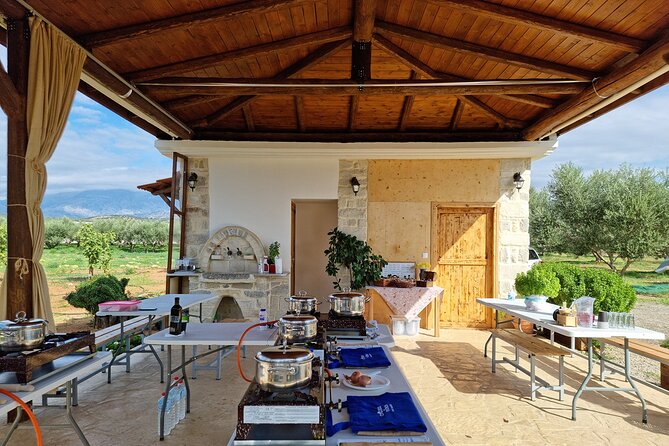
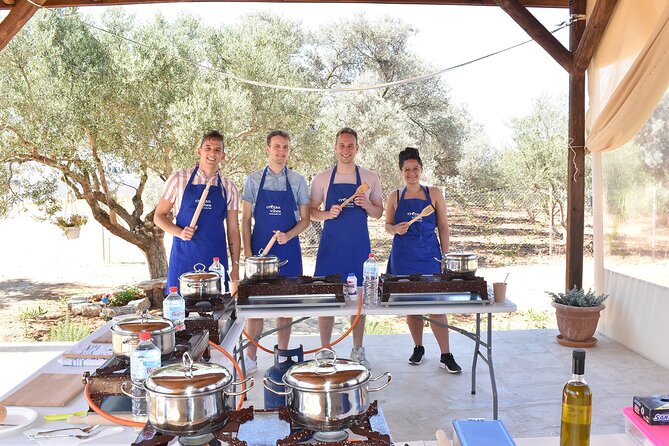
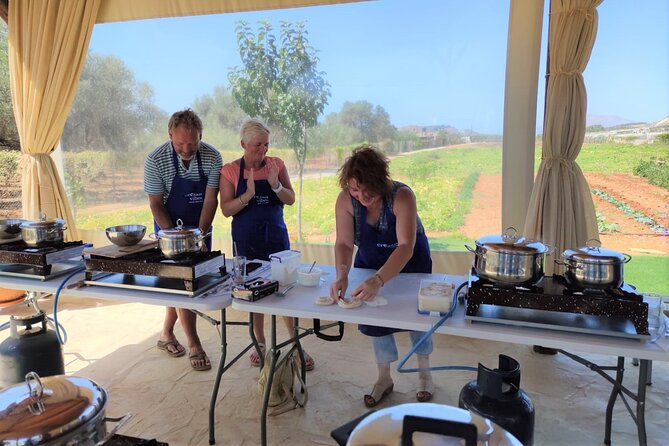
- Outdoor kitchen between olive trees, with homemade drinks served before and during the class
- Take-home leftovers plus emailed recipes and photos, so the meal doesn’t end when you leave
- Small groups (max 12) keep the pace relaxed and personal
Other Crete write-ups on the list


Why an olive-tree farm kitchen is a different kind of cooking class
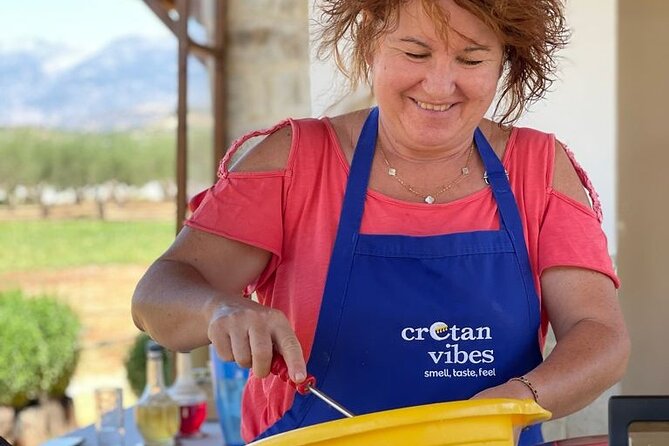
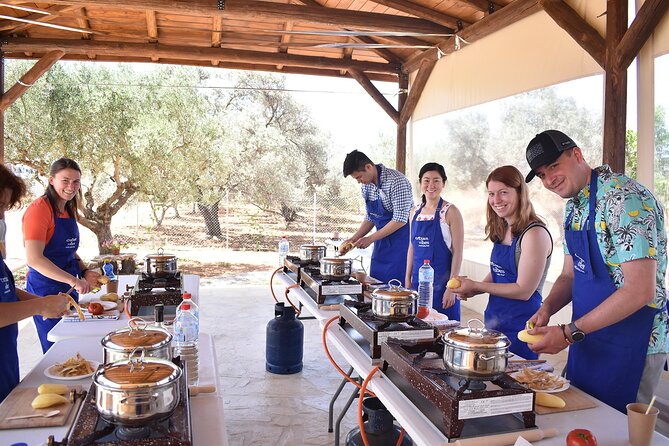
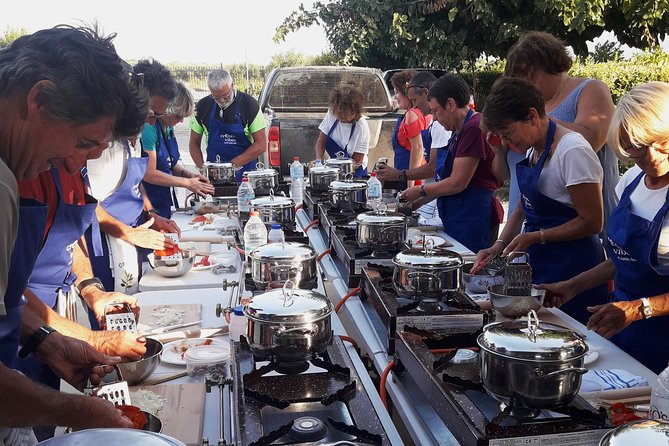
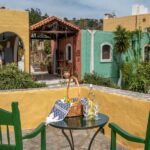
This isn’t a glossy, studio-style cooking class where you stand back while someone else does the hard parts. The setting matters here. You cook and eat on a family farm with an outdoor space that sits right among olive trees. It changes the whole feel. I’d rather have you smelling real ingredients in the air than chasing a class in a busy food hall.
The experience is designed to be 100% hands-on, from prepping to assembling. That’s a big deal because most cooking classes teach you “how it works” and then send you home with a vague memory. Here, you actually work through the steps of Cretan dishes, using traditional techniques and farm-sourced ingredients when they’re available.
There’s also a cultural advantage. When you cook with a family, you get the casual explanations you won’t get from a cookbook. You learn why certain ingredients show up again and again in Crete, and how people think about flavors in everyday meals.
And the small group size helps. With a maximum of 12 people, it stays social without feeling chaotic. The pace is relaxed, but you still get a lot done.
Meeting Marianna and Mama Stella: what makes the teaching work
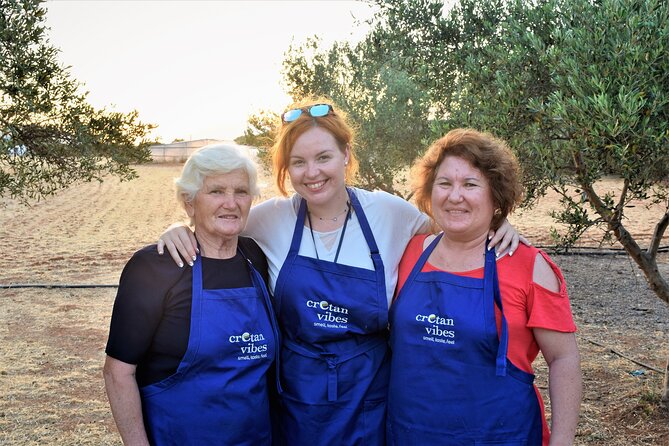
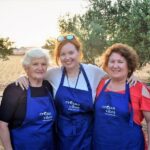
Your hosts are Marianna and her mum Mama Stella. They run the class as a family project, and the warmth is part of the point. You’ll get homemade refreshments and an overview of what’s coming, including the flow from cooking to tasting and then eating together.
What I like about their approach is how it fits real skill levels. You’ll see people who are comfortable in the kitchen and people who are not, and the instruction still lands. The dishes are traditional, but the teaching is structured and step-by-step. That matters if you’re worried you’ll hold the group back.
Also, it helps that you’re not learning just from talk. You’re learning while you chop, stuff, fry, and assemble. If something goes wrong, it’s usually fixable on the spot, because you’re in the middle of the action, not waiting for a final demonstration.
And since Mama Stella is the culinary engine of the family (and loves to share), you’re getting the human details behind the recipes. That’s where the experience turns from “I made food” into “I understand why this tastes like Crete.”
What you’ll cook: Cretan dakos, dolmadakia, and the dishes behind the flavors
The class centers around a 3-course meal, but the hands-on work often includes more than three dishes. You’ll be cooking items that commonly appear on the Cretan table, including starters and dessert, plus a choice of mains based on what fits the menu that day.
Starters: the classics that set the stage
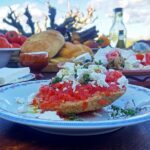
One starter option is Cretan Dakos. This is rusk with fresh tomato sauce, fresh Cretan cheese (mizithra), organic oregano, and extra virgin olive oil. The key lesson is the balance: crunchy base, bright tomato, salty cheese, then olive oil to tie it together. It’s simple, but the components matter.
You may also make Cretan Dolmadakia, which are stuffed grape leaves. Another possibility is stuffed zucchini flowers, which people tend to remember because they’re aromatic and feel a little more special than the usual stuffed veg.
These starters are where you’ll learn the texture skills. Stuffing and assembling are repetitive tasks you can get good at quickly, and the guidance helps you avoid the common mistakes like under-seasoning or stuffing too tightly.
Mains: vegetarian or meat options, both grounded in Cretan habits
Your main course could be vegetarian/vegan with Giaxni, made with green beans, potatoes, zucchini, fresh tomato sauce, and Ksinoxondros, described as a family product. If you’re eating plant-based, this is one of the more Cretan-feeling choices because it leans into seasonal vegetables and tomato-forward flavor.
If you want meat, you might cook something like lamb with artichokes, potatoes, fennel, and fresh tomato sauce. Or you might make Cretan Stifado, which is a spring or autumn dish and can be cooked with chicken, rabbit, or even snails. (If you’re open-minded about unusual proteins, this is the kind of menu detail you’ll probably enjoy.)
Another main possibility is Augolemono, where pork or chicken (free range) gets paired with leek or lettuce, fresh onions, potatoes, dill, eggs, and lemon juice. This one teaches you how lemon and eggs create a silky, tangy sauce rather than just “sour soup.”
More groves, mills and farm tables
- Crete: Quad Safari, Olive Mill with Tasting & Ghost Village★ 4.9 · 1,004 reviews
- From Chania: Olive Oil, Wine, Cheese & Honey Tasting Tour★ 4.6 · 490 reviews
- Crete: Road-trip to Lasithi Plateau & Olive Mill Farm★ 4.4 · 420 reviews
- From Chania: Wine and Olive Oil Tasting Tour with Snacks★ 4.8 · 354 reviews
Dessert: the sweet cheese pies people come for
Dessert may be Sarikopites or Kalitsounia, local pastries filled with fresh Cretan cheese (also made in the family). You fry them in the family’s extra virgin olive oil. If you’ve ever had a cheese pie and wondered why it tastes so comforting in Greece, this gives you the hands-on reason.
Important note: the exact dish mix can vary, but the menu format stays consistent. You’ll be cooking a set of recognizable Cretan favorites rather than random “international fusion” plates.
Olive oil tasting: how to smell and taste like you mean it
The olive oil side of this experience isn’t tacked on. It’s educational, and it helps you shop back home with more confidence.
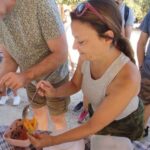
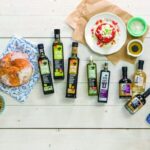
As an olive-growing family, your hosts guide you through how to recognize authentic extra virgin olive oil. You’ll learn how to detect aromas and flavors, how bitterness fits the quality picture, and how to identify defects that can show up in lower-quality oil.
This matters for two reasons. First, it turns “I like it or I don’t” into something more useful. Second, it teaches you what to look for when you’re standing in a store with bottles that all claim to be extra virgin.
You also get educational context, including a video of the olive harvest and behind-the-scenes footage. That helps you connect the tasting to how the oil is actually produced, instead of treating it like a mystery product.
If you’re the kind of traveler who loves to bring home food knowledge (not just food), this tasting segment is one of the best parts of the whole day.
The meal after class: wine, homemade drinks, and take-home food
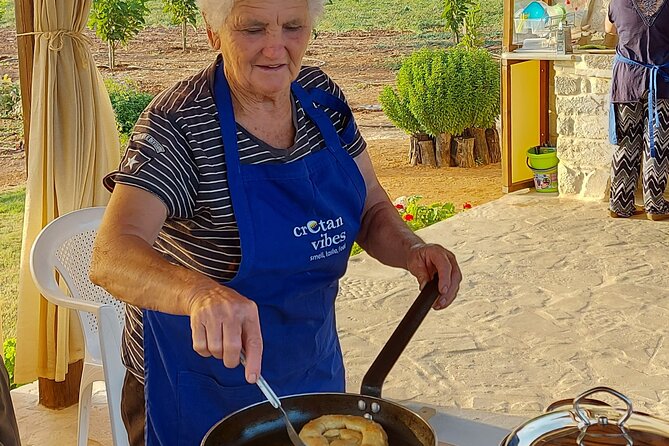
After the cooking, you sit down and enjoy what you made. Included are local homemade refreshments and water, plus coffee and/or tea. There’s also local wine to accompany the meal.
One small detail that I think makes a difference is the tone. You’re not rushed out after eating. The class is built like a shared family dinner: cook together, eat together, then head home with more.
And yes, you can take some food with you. Leftovers are carefully packed so you don’t just enjoy the meal once. For a lot of people, this turns the class into a practical value win, because you get more than 4 hours of enjoyment. You get food for the next meal too.
To extend the experience, you’ll receive recipes to take home via email, along with photos of the experience. That’s especially helpful for dishes like stuffed grape leaves or fried cheese pastries where the technique matters more than the ingredient list.
If you’re traveling with dietary needs, the experience is designed to respect restrictions, and you’ll be cared for when adjustments are needed. (The exact adaptation isn’t detailed in the information provided, but the accommodation approach is part of the overall experience design.)
Price and logistics: what you’re paying for, and what you’ll need to plan
At $114.93 per person for about 4 hours, you’re paying for more than cooking instruction. The price includes:
- all cooking ingredients
- the full meal after class
- a premium olive oil tasting
- local wine
- coffee and/or tea, plus homemade refreshments
- recipes and photos emailed afterward
- packed leftovers
- the harvest video
So you’re not just “buying a class.” You’re buying ingredients, dining, drinks, and oil education, all in a setting that’s hard to replicate on your own in Crete.
A few practical points to keep your evening smooth:
- Group size: maximum 12 people, which keeps things manageable
- Language: English is available
- Weather: good weather is important since the cooking and dining happen outdoors
- Transportation: private transportation isn’t included, so you’ll need to make your own way to the meeting point
- Meeting point: Cretan Vibes, Eθνικη οδο, Μοίρες 704 00, Greece
- Start and end: the activity ends back at the meeting point
- Ticket: you get a mobile ticket
Also, you’ll want to factor in that the vibe is rural. This is not a stop-and-go city tour. The payoff is the calm farm setting and the family-led feel.
Who this class is for, and who might want a different plan
This is a great fit if you want:
- hands-on cooking rather than watching
- traditional Cretan recipes you can reproduce later
- olive oil education you can use when shopping
- a small-group setting with warm hosts
- an evening activity that ends with a full meal and take-home food
It also works well for people across ages. The mix of participants in the experience tends to be broad, and the teaching style is flexible.
You might consider a different kind of activity if you need a guaranteed indoor setting, because the experience requires good weather. Also, if you’re not comfortable with rural travel or you strongly rely on someone else to handle transport, the lack of private transportation could be an annoyance.
Should you book Cretan Vibes? My honest take
If you want one unforgettable Cretan experience that combines real cooking with real food knowledge, this is an easy yes. The best part is the pairing: you cook dishes that depend on olive oil, tomato, herbs, cheese, and technique, then you learn how to taste and judge olive oil like a grower.
The value is also strong because the class includes food, wine, olive oil tasting, and take-home leftovers, plus emailed recipes and photos. For $114.93, you’re getting a full evening, not a snack-sized lesson.
Book it if you’re open to rural evenings, you’ll enjoy an outdoor setting, and you want to leave with both recipes and a better sense of what to buy in Crete and later at home.
FAQ
What’s the duration of the Cretan cooking class?
The class runs for about 4 hours.
Where does the tour start and end?
It starts at Cretan Vibes, Eθνικη οδο, Μοίρες 704 00, Greece, and ends back at the same meeting point.
How many people are in the group?
The experience has a maximum of 12 travelers.
Is the class offered in English?
Yes, it’s offered in English.
What dishes will I be cooking?
The sample menu includes Cretan dakos, Cretan dolmadakia (stuffed grape leaves), stuffed zucchini flowers, a vegetarian/vegan giaxni option, lamb with artichokes, augolemono, Cretan stifado, and dessert such as sarikopites or kalitsounia. The exact set can vary by what’s on the menu.
Is olive oil tasting included?
Yes. You’ll get a premium extra virgin olive oil tasting with guidance on aromas, flavors, bitterness, and how to identify defects.
Are meals and drinks included?
Yes. You get a full meal after the class, coffee and/or tea, homemade refreshments, and local wine to accompany your meal.
Will I get leftovers to take home?
Yes. Leftovers are packed so you can take them with you.
Does the experience require good weather?
Yes, it requires good weather. If it’s canceled due to poor weather, you’ll be offered a different date or a full refund.
Greek and Cretan Kitchens to Stand In

Groves, Mills and Farm Tables

More of Crete On the List
Everything else we have written up around Crete




Crete Island Tours, side by side.
 ★ 4.6Crete: Day Trip to Agios Nikolaos and Spinalonga IslandFrom $444,416 reviews
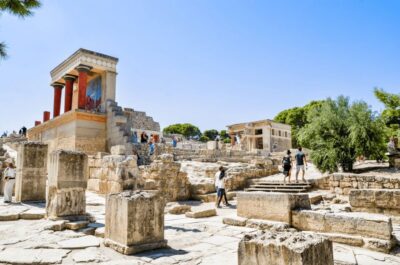 ★ 3.9Crete: Knossos Palace Entry Ticket with Optional Audio GuideFrom $302,251 reviews
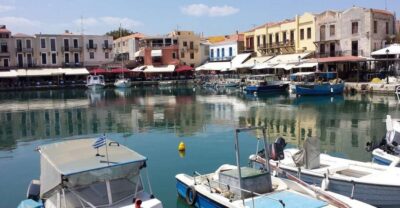 ★ 4.4Crete: Rethimno, Chania, and Kournas Lake Day TripFrom $451,694 reviews
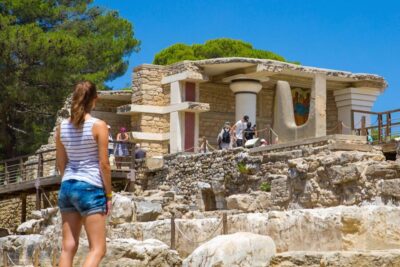 ★ 3.8Crete: Palace of Knossos E-Ticket and Audio GuideFrom $341,540 reviews
 ★ 4.4From Heraklion/Crete: Santorini Island Guided Day TripFrom $2001,448 reviews
 ★ 4.9Agia Pelagia Crete Quad Bike authentic backland TourFrom $501,430 reviews
 ★ 4.9Crete: Sunset or Morning Quad with Local Products TastingFrom $941,135 reviews
 ★ 4.4Crete: Knossos Palace & Heraklion Guided TourFrom $351,127 reviews