
Review · GREEK MEZE & STREET FOOD TOURS
Cooking class, traditional Greek cuisine, on a Greek island
A day of cooking, history, and dinner in one place.
I love the hands-on pace and the fact that you learn seven real Greek dishes in a proper home kitchen. You’ll also taste your way through the Cyclades with seasonal menus that often include pies, vine leaves, and sweet semolina desserts. One thing to consider is that you do not get private transport, so you’ll want to plan how you’ll reach Ermoupoli and Villa Maria.
The setting makes it feel like you stepped into local life.
You’ll start with island wild-herb herbal tea, cook step by step, then eat as a group in the villa courtyard or garden shade. The possible drawback is that the menu changes by season, so the exact dishes you make can differ from what you see in the example lineup.
In This Review
- Key things to know before you go
- Villa Maria Kitchen: the setting that makes the lesson feel real
- Timing and the 4-hour rhythm, starting at 11:00
- Your hands-on menu: seven Greek dishes you actually learn to make
- Sample starters and pies, the flavor hits
- Main dishes that reflect island pantry logic
- Dessert that closes the loop
- Vegan or vegetarian choices
- The tea, the stories, and why the cultural context isn’t fluff
- The learning payoff: skills you can use back home
- Dinner in the shaded courtyard: the social part that improves the food
- Wine and cheese for 45€: when the add-on is worth it
- Price and value: what $157.28 really buys you
- Getting there without private transport
- Who this class suits best
- Should you book Villa Maria’s Greek cooking class?
- FAQ
- Where is the meeting point?
- What time does the cooking class start?
- How long is the experience?
- What is included in the price?
- Can I choose a vegan or vegetarian menu?
- Is private transportation included?
Key things to know before you go
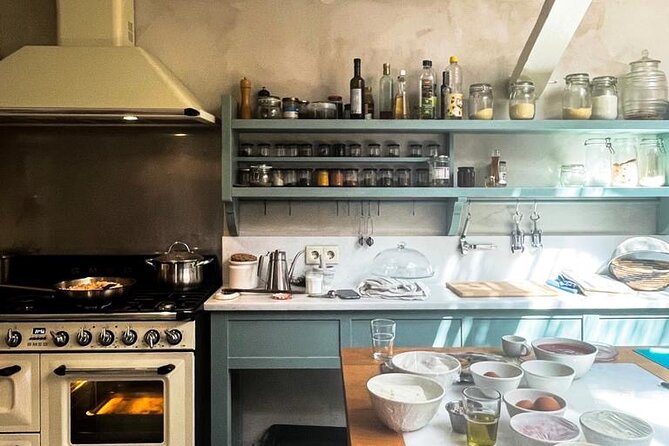
- Villa Maria’s kitchen and courtyard dining: a historic guesthouse feel, not a studio classroom
- Hands-on cooking of seven dishes: you’re not just watching, you’re chopping, assembling, and cooking
- Greek culture taught through food: herb tea plus ingredient stories and technique tips
- Small group size: up to 12 travelers, which keeps the lesson interactive
- Seasonal menus and diet options: vegan or vegetarian menu available
- Optional wine and cheese tasting for 45€: a focused add-on with Greek grape varieties and artisanal cheeses
Villa Maria Kitchen: the setting that makes the lesson feel real
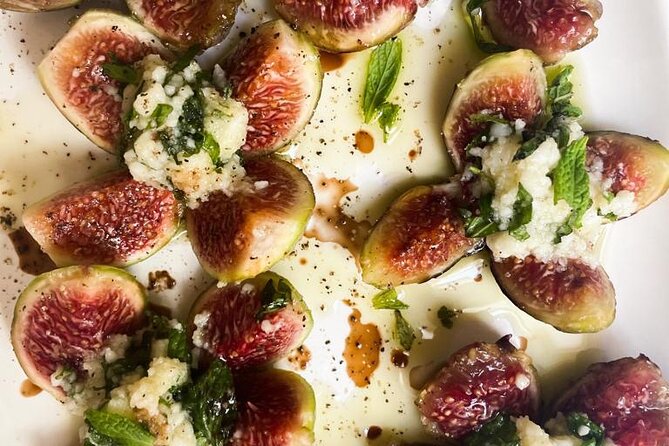
This class is centered on Villa Maria, a historic guesthouse in Ermoupoli on Syros. The cooking happens in the villa’s gourmet kitchen, so you get real counter space and a home-style rhythm, not a cramped demo setup. Then you eat together in the shaded courtyard, often under fruit trees like a fig tree, or in a dining room with a bay view.
What I like about this kind of location is how it changes your mindset. You stop thinking of Greek food as something you order and start thinking of it as something you build with your hands. Even if you cook at home already, the setting pushes you toward simple, ingredient-driven methods.
Timing and the 4-hour rhythm, starting at 11:00
The experience starts at 11:00 am and runs about 4 hours. You meet at Villa Maria in Ermoupoli, then the day flows in a clear sequence: tea and background, cooking stations in the kitchen, then a shared feast.
Here’s the practical part: four hours is long enough to make several dishes, but short enough that you are not stuck in the kitchen for the entire day. The meal happens right after cooking, which means your food tastes at its best, and you can ask questions while everything is fresh and hot.
If you’re juggling a busy Cyclades itinerary, this is a nice afternoon reset. It is also the kind of activity that works well even if you are not a confident cook, because the lesson is step-by-step and designed for mixed skill levels.
Your hands-on menu: seven Greek dishes you actually learn to make
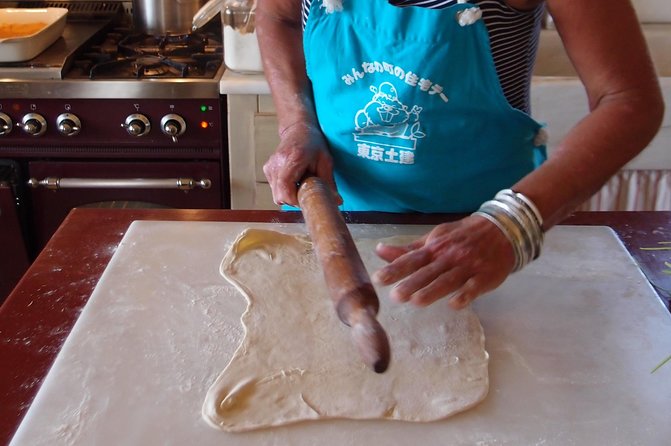
The class aims for a full menu built around local home recipes. You’ll typically prepare a couple of starters, a pie, a salad, a main dish, and a dessert. The exact items can vary by season, but the structure stays the same.
You can expect a strong focus on ingredients and technique, not fancy shortcuts. One review highlighted that some dishes have few ingredients but deliver big flavor, and that tracks with the way Cycladic cooking tends to work.
Sample starters and pies, the flavor hits
Depending on season, you might cook one of these starter-style dishes:
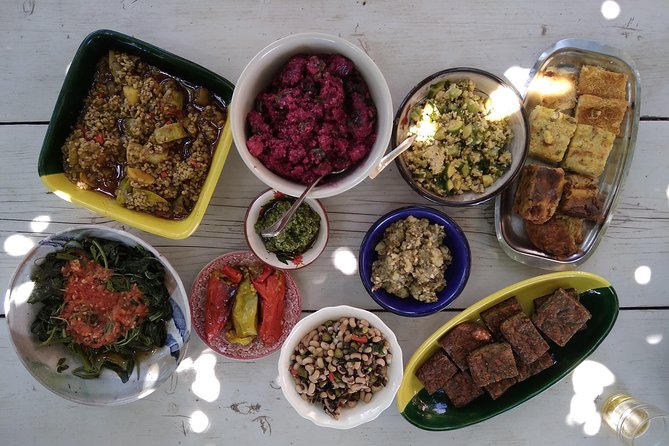
- Split peas puree with caramelised onions, capers, and sun dried tomatoes
- Courgette pie with mint and goat cheese
- Vine leaf pies with yogurt and herbs
- Smoked aubergine spread with walnuts
These are great choices for learning because they teach different skills. The puree teaches texture and seasoning balance. The pie teaches pastry assembly and filling distribution. Vine leaf recipes teach wrapping and moisture control. And the smoked aubergine spread shows how herbs and nuts can turn a simple base into a crowd-pleaser.
Main dishes that reflect island pantry logic
For mains, your menu could include:
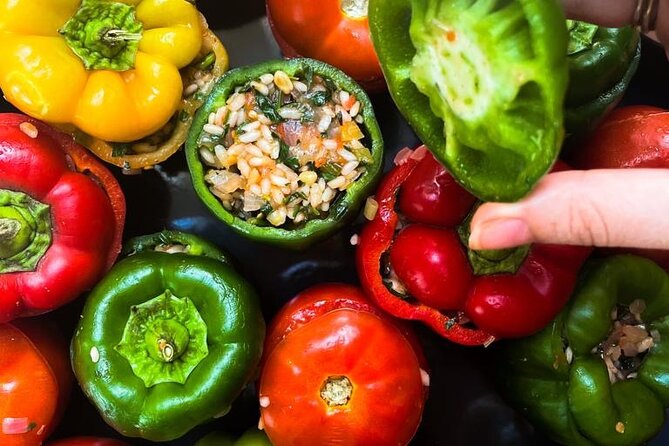
- Stuffed tomatoes or peppers with rice, herbs, currants, and pine nuts
- Sardines stuffed with fennel, lemon, garlic wrapped in vine leaves
This is where Greek home cooking really shows its personality. Stuffed vegetables are about careful filling and timing. Vine leaves add a sour, herb-like bite that brightens rich components. If you like food that tastes complex but is built from straightforward pieces, you’ll feel at home here.
Dessert that closes the loop
Sweet dishes in this class often lean toward semolina and dairy-based comfort:
- Orange and cinnamon semolina halva
- Vanilla and lemon milk pie
This dessert focus matters for two reasons. First, it keeps the meal satisfying, not just savory-heavy. Second, it teaches you how Greek sweets get their aroma from citrus and warm spices, not from heavy frosting or complicated decoration.
Vegan or vegetarian choices
You can opt for a vegan or vegetarian menu. If your dietary needs are part of your travel planning, this is a big plus. You’re not forced into a token substitution, and you still get a full menu format.
The tea, the stories, and why the cultural context isn’t fluff
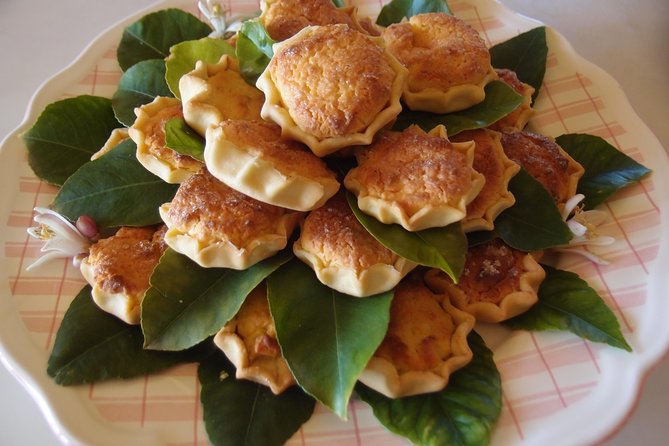
You begin with a glass of herbal tea made with island wild herbs. From there, the instructor shares information about Greek culinary tradition while you get your bearings in the kitchen.
What makes the cultural angle useful is that it connects to food choices. You learn not just what to cook, but where the flavors and techniques come from. In reviews, people highlighted the history side and also the ingredient recognition tips, like how to prepare components such as chopping, grading, and assembly.
And yes, the teaching style is part of the experience. One review described the instructor as direct in the kitchen, but with real warmth. That combination often leads to better results, because you get clear instructions and still feel welcomed.
The learning payoff: skills you can use back home
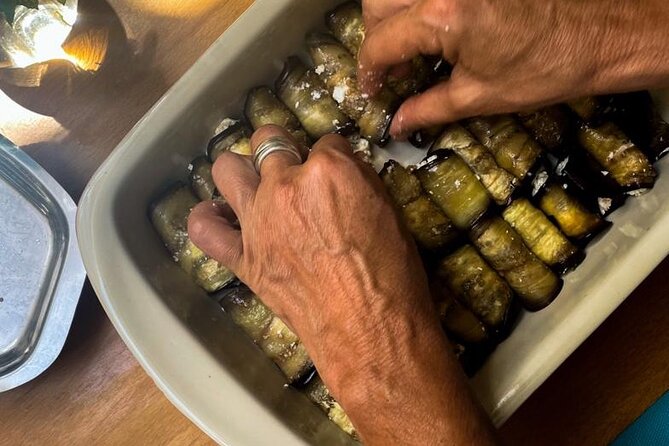
This class is built so you leave with recipes you can repeat. You’ll learn step by step Greek home recipes that you do not typically see on restaurant menus. That is exactly the point if your goal is to bring something real back to your kitchen.
Here are the most transferable takeaways you should look for during the class:
- How to build flavor with a short ingredient list
- How to balance herbs, acid, and sweetness in dishes like stuffed vegetables
- How to treat pies as structured meals, not just snacks
- How to handle wrapping techniques like vine leaves without stress
Also, the class format encourages participation. You aren’t stuck as an observer, so you build muscle memory, even if your first attempt feels a little clumsy. The group meal matters here too, because you can taste what the technique choices do.
Dinner in the shaded courtyard: the social part that improves the food
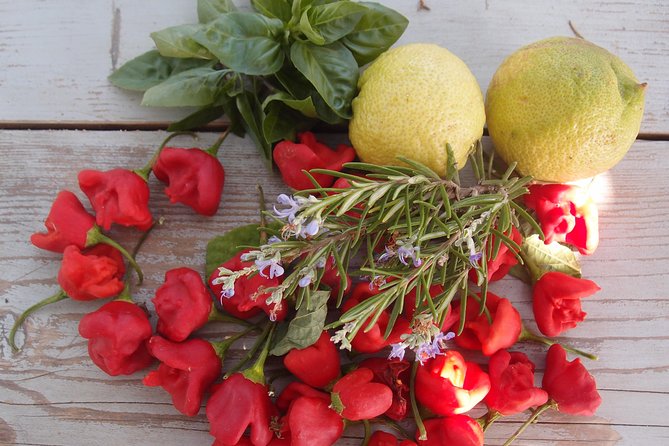
After cooking, you share the feast in the villa’s shaded courtyard. That outside dining setting changes how the meal feels. Food tastes better when you have time to talk, not when you inhale it between train schedules.
Several reviews praised the family-style feel and the chance to chat with a small group of fellow visitors. That matters for your experience because Greek cooking is best understood in conversation: what spices did you use, how did you slice that, what would you change next time?
If you like friendly group travel without the chaos, this class hits a sweet spot. Small group size also helps the instructor see what each person is doing.
Wine and cheese for 45€: when the add-on is worth it
You can add a wine and cheese tasting for an extra 45€ per person. It is a separate add-on, but it builds directly on the meal.
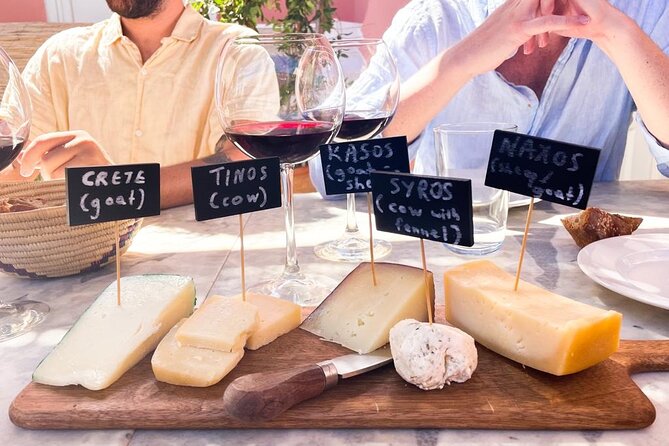
In the tasting, you try excellent Greek wines: a white, a pink, a red, and a dessert wine. You also sample artisanal cheeses from various Greek islands.
Is it worth it? For many people, yes, because the tasting is clearly structured around the meal and focuses on Greek grape varieties and cheese selection. If you already have an extensive wine plan for the rest of the trip, you might skip it. But if you want your Syros story to include a proper food pairing moment, this add-on is one of the best uses of extra budget in the experience.
Price and value: what $157.28 really buys you
At $157.28 per person, this is not a cheap lunch class. The value comes from three things working together: the time, the quantity of food you cook, and the meal experience afterward.
You get about four hours of guided cooking, seven different dishes, and then a shared feast. For many people, that is the difference between a short activity and a true travel highlight. Also, because the group is capped at 12, the instruction quality is more likely to stay personal.
You also pay for the location itself. Villa Maria is not a random storefront. It is a historical guesthouse experience, with a courtyard or garden setting that turns lunch into dinner you actually remember.
Getting there without private transport
Private transportation is not included. The meeting point is Villa Maria, Syros-Idras 42, Ermoupoli 841 00, Greece. The experience is near public transportation, so you should be able to plan a straightforward bus or local connection depending on where you’re staying.
One practical note: if the group is under four participants, the class may take place in the kitchen of a country home in Finikas, about 10km from Ermoupoli, and transport is arranged. That means you are not completely stuck if the group size is small, but it does add a variable to plan around.
Service animals are allowed, and that is good to know if you travel with a companion animal.
Who this class suits best
This fits a lot of travelers because the recipes are home-style and the teaching is structured. I think it is especially good for:
- Food lovers who want to cook, not just taste
- Visitors who want a Syros-focused food lesson without hopping islands
- Couples and small groups who want a calmer, more social meal
- People with dietary needs, since vegan or vegetarian menus are available
It may be less ideal if you only want quick bites or if you dislike any group meal format. But if you like to learn by doing, you’ll get your money’s worth fast.
Should you book Villa Maria’s Greek cooking class?
Book it if you want a genuine home-cooking lesson in Syros, with seven dishes, a meal you share immediately, and a strong cultural connection through food. The best sign is the combination of hands-on teaching plus a place to eat under fig trees or with bay views, because that turns the class into a full travel memory, not a single task.
I’d hesitate only if you are very tight on time for the whole day or if you strongly prefer activities with no food pairing add-ons. Otherwise, for $157.28, this is the kind of experience that gives you skills, recipes, and a meal that feels like part of local life.
FAQ
Where is the meeting point?
You meet at Villa Maria, Syros-Idras 42, Ermoupoli 841 00, Greece.
What time does the cooking class start?
It starts at 11:00 am.
How long is the experience?
The duration is about 4 hours.
What is included in the price?
The experience includes a 4-hour cooking class where you prepare 7 different dishes, plus the meal that follows in the villa.
Can I choose a vegan or vegetarian menu?
Yes. You can opt for a vegan/vegetarian menu, and menus vary according to season.
Is private transportation included?
No. Private transportation is not included, though the activity is near public transportation.
Greek Meze & Street Food Tours, side by side.
 ★ 4.9Athens: Street Food Tasting TourFrom $672,557 reviews
 ★ 5.0Small Group Greek Traditional Food Tour in Athens 20+ TastingsFrom $841,759 reviews
 ★ 5.0Greek Cuisine Cooking Class in Santorini with Recipes and WineFrom $145969 reviews
 ★ 5.0Naxos: Half-Day Cooking Class at Basiliko Family TavernFrom $117887 reviews
 ★ 5.0Athens Greek Food Tour Small-Group ExperienceFrom $107802 reviews
 ★ 5.0Athens Evening Food TourFrom $96766 reviews
 ★ 5.0Get a Taste of Athens Food TourFrom $89624 reviews
 ★ 5.0Athens, Greek food tour including market visitFrom $83618 reviews