
Review · CRETE ISLAND TOURS
Crete: Olive, Wine, & Raki on a Flavorful Culinary Journey
That first whiff of olives is unforgettable. This half-day food tour strings together olive oil, wine, and raki with guided stops in Cretan working farms and small producers. You also get door-to-door transport and a paced schedule that makes tasting feel unhurried.
My favorite parts are the guided tastings, especially the olive oil walkthrough at the mill and the raki stops where you learn what makes each spirit taste different. I also like the group setup, since the SUV ride keeps things comfortable while you hop between places like Skalani, Stironas, and Archanes.
One thing to consider: you’re sampling alcohol during the day, so it’s not a great choice if you need to stay fully sober or if you hate alcohol tastings. Plan on going slow, and treat the ride home as part of the experience, not an afterthought.
In This Review
- Key Highlights You’ll Actually Notice
- Crete Flavor Tour, 6.5 Hours of Olive, Wine, and Raki
- Skalani Olive Mill and Olive Grove: Where the Day Smells Like Work
- Stironas Raki Distillery: Two Rakis, One Clear Lesson
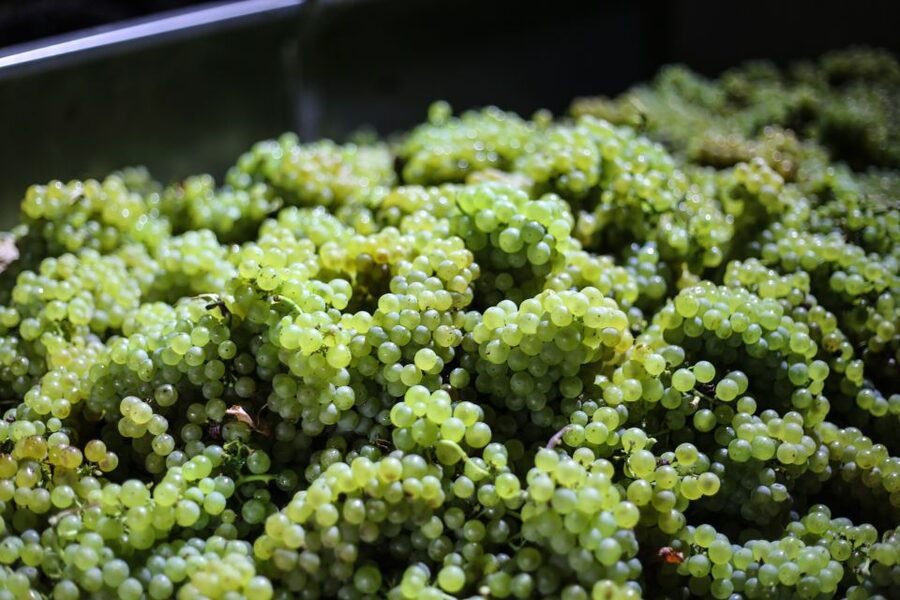
- Archanes Winery: Indigenous Grapes, Tasting You Can Follow
- Light Lunch and Cretan Food Stops: The Day Becomes Real
- How the SUV Transport Changes the Feel of the Tour
- Who This Tour Suits Best (And Who Might Skip It)
- Price, Value, and What You’re Really Paying For at $126
- Should You Book This Cretan Olive, Wine, and Raki Tour?
- FAQ
- How long is the tour?
- What is included in the olive oil experience?
- How does the wine tasting work?
- Do you taste raki on the tour?
- Is lunch included?
- How do you get to each stop?
- Is the tour guided in English?
- What kind of terrain or walking is involved?
- What is the cancellation policy?
- Is there a flexible payment option?
Key Highlights You’ll Actually Notice
- Cretan olive oil tasting tied to a real olive grove and mill tour, not just a sample plate
- Two raki moments (two rakis are built into the experience) with explanations that make the flavors click
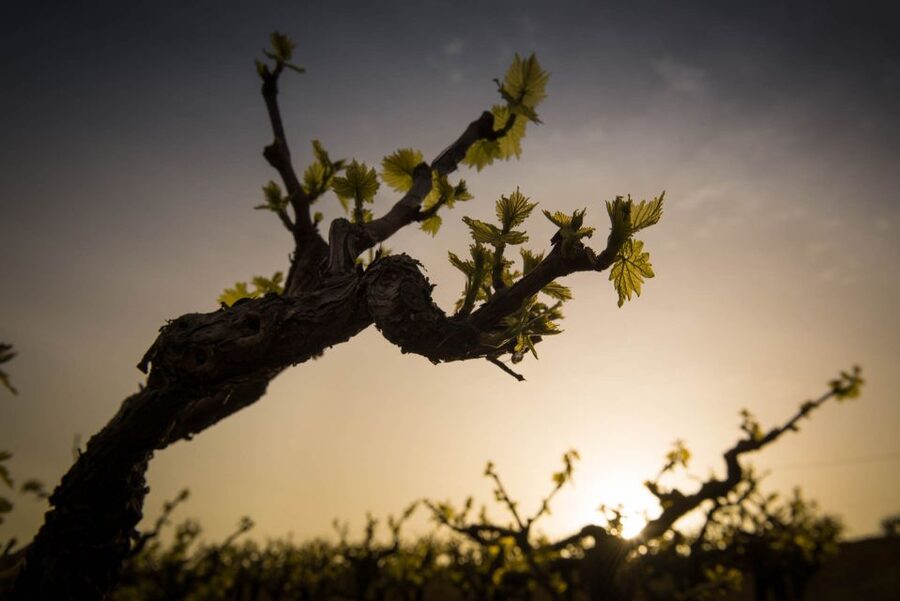
- A micro-winery and raki distillery day that focuses on how indigenous grapes and local spirits are made
- Guided wine tasting of indigenous varieties, with tasting structure that helps you learn quickly
- Light lunch at a winery distillery, with food that fits the region’s style and seasonings
- Premium SUV or minivan transport, so the day feels smooth even when roads get rural
Other Crete write-ups on the list



Crete Flavor Tour, 6.5 Hours of Olive, Wine, and Raki
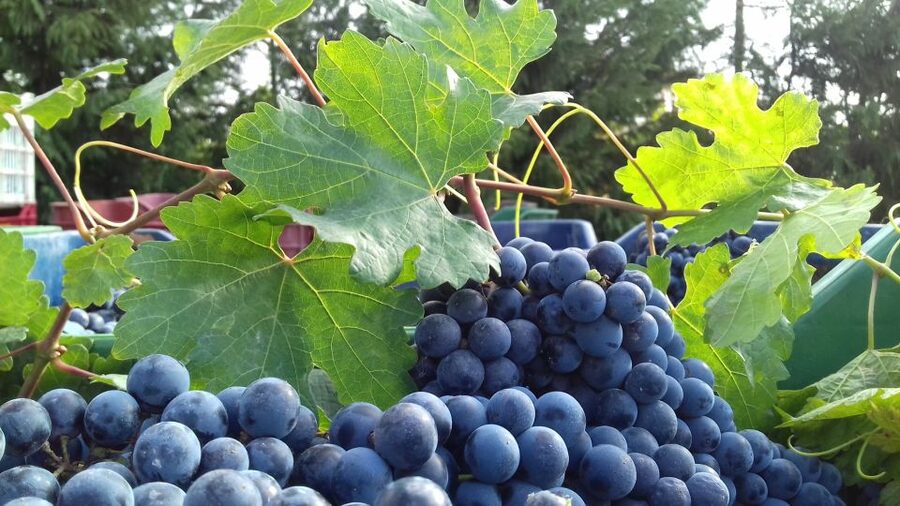
Crete has a way of making food feel personal. One minute you’re smelling fresh olives from an olive mill area, the next you’re tasting raki in a distillery setting, and later you’re swirling wine in a winery atmosphere with views that feel like they belong to the producers, not a tourist brochure.
This tour works because it’s built around production. You’re not just buying souvenirs. You’re getting the story behind olive oil, the craft behind rakí, and the wine angle tied to Crete’s indigenous grape varieties. If you like learning by tasting, this format is a win.
You’ll spend about 6.5 hours on the loop, and the driving segments are short enough to keep your head clear. That matters. It’s easier to remember what you’re tasting when the day isn’t one long bus ride.
Skalani Olive Mill and Olive Grove: Where the Day Smells Like Work
Skalani is a strong opener because it hits your senses before you even sit down. Expect a guided visit through the olive grove farm and olive mill. This is where you get the practical background behind olive oil, from how olives are grown to how the extraction process works in real life.
What I like about this stop is that it turns olive oil from a generic pantry item into something you can taste with understanding. You learn what to look for in an olive oil tasting, and the guide’s explanations give you a vocabulary for what you’re noticing. That makes the later food and wine pairings feel more intentional, not random.
You also get a traditional farm feel. You’re walking through an olive grove farm rather than only viewing equipment behind glass. Just don’t expect a long hiking day. The pace is set for a tasting tour, so it’s comfortable, scenic, and focused.
A small consideration: this stop is hands-on in the sense that it’s active and outdoors. Wear shoes you trust on uneven ground. Bring a light layer if the weather shifts, and keep water handy, since the day includes tastings and you want to feel good through lunch.
Stironas Raki Distillery: Two Rakis, One Clear Lesson
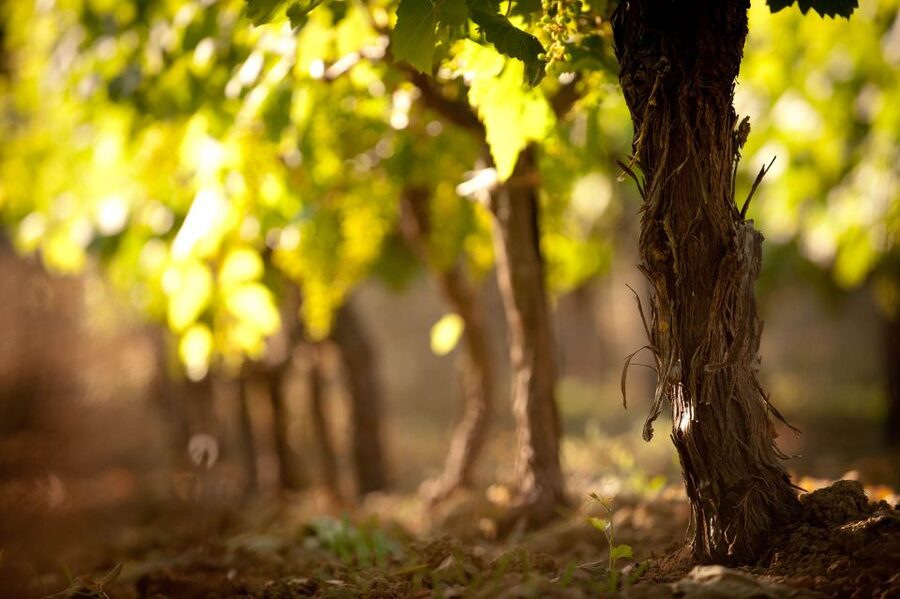
Raki on Crete isn’t just a shot. It’s part of the social fabric, and a distillery visit helps you understand why. In Stironas, you’ll do a guided tour connected with spirits, plus local snacks. The raki-focused segment is also where you taste raki and get explanations that connect the process to the flavor.
The experience includes raki tasting in the Rakokazano (Raki Distillery). That detail matters because Rakokazano is not just a name on a sign. It signals a specific setup and environment for producing and tasting, which is why it feels more authentic than a quick pour-and-go stop.
The highlights call out savoring two different rakis. That’s one of the best ways to learn. Instead of tasting one spirit and moving on, you taste more than one style, then you hear what’s driving the differences. It’s the same teaching principle as wine flight tastings, just in raki form.
Potential drawback: if you’re sensitive to strong alcohol flavors, go easy at first. Start slow, listen to the guide, and sip rather than rushing. The tour keeps you moving, and once you get ahead of your own tolerance, the rest of the day can blur.
If you’re the kind of person who asks questions, this stop rewards you. Several guides named in bookings, like Yanni and Helen, were described as friendly and quick to answer questions, which is exactly what you want when the goal is learning.
Archanes Winery: Indigenous Grapes, Tasting You Can Follow
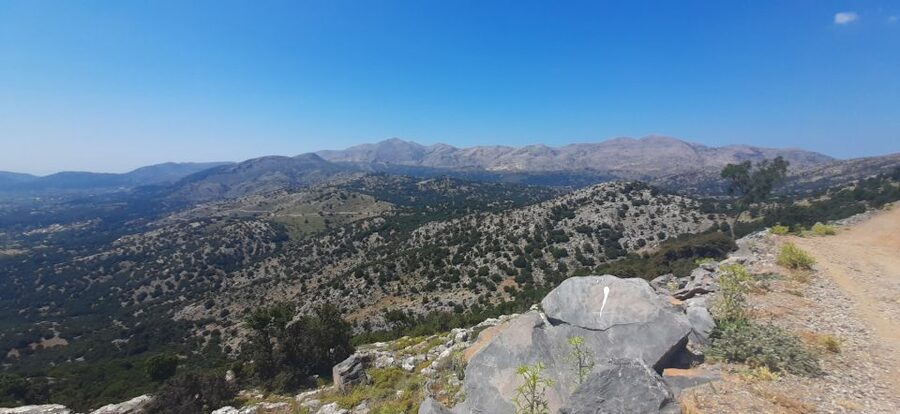
After the olive and raki stops, the day shifts into wine territory in Archanes. This is where you get a photo stop and then a guided visit that leads into a wine tasting experience. It’s also one of the most structured parts of the tour, because you’re tasting with guidance.
The included details specify a guided winery tour and a guided wine tasting of three indigenous varieties. One description also mentions tasting four distinct wines, so what you get may vary slightly by batch or how the winery structures the flight. Either way, you’ll be learning what you’re tasting, not just sampling blindly.
I like that the tasting is connected to the indigenous grape angle. It’s easy to fall into the habit of thinking all wine is the same game. Indigenous varieties help you notice how place shapes flavor. And once you taste Crete’s grapes, you start seeing the island differently, even when you later order wine at a taverna.
The guide at the winery also matters. In bookings, wine hosts like Eleni and Maria were mentioned, along with an owner and oenologist experience at the winery. That kind of hands-on hosting usually means you get pacing, questions answered, and explanations that don’t talk over your head.
One practical point: keep your palate refreshed. The tour includes a light lunch later, but you’ll still want to pay attention to how the taste evolves from the raki stop to wine. If you’re drinking at a steady pace, do it slowly. Your best tasting comes when you’re present.
Light Lunch and Cretan Food Stops: The Day Becomes Real
Food tours are only as good as the meal. Here, you get a light lunch at a winery distillery, built into the day rather than tacked on at the end. The lunch is described as generous by at least one booking, and it’s framed as Cretan delicacies with local ingredients.
This is the part where you get to taste the island’s food language. Think simple, regional flavors. You’re not just eating to fill time. You’re eating to connect the olive oil and spirit day to a table that feels like Crete.
One booking mentioned a vegetarian Greek feast. I can’t promise every menu will match that, but it’s a good sign that the kitchen can handle different dietary needs or that at least some lunches were heavy on plant-forward Greek classics.
A drawback to consider: because the tour includes tastings earlier, some people feel their appetite changes mid-day. If you tend to get heavy alcohol-on-an-empty-stomach effects, keep an easy pace during tastings and listen to your body. The lunch is part of the rhythm.
More groves, mills and farm tables
- Traditional Olive Grove and Dragon Fruit Farm Tour★ 4.8 · 118 reviews
- Heraklion: Knossos, Zeus, Villages & Olive Oil Factory Tour★ 5.0 · 88 reviews
- Crete: Olive, Wine, & Raki on a Flavorful Culinary Journey★ 4.7 · 56 reviews
How the SUV Transport Changes the Feel of the Tour
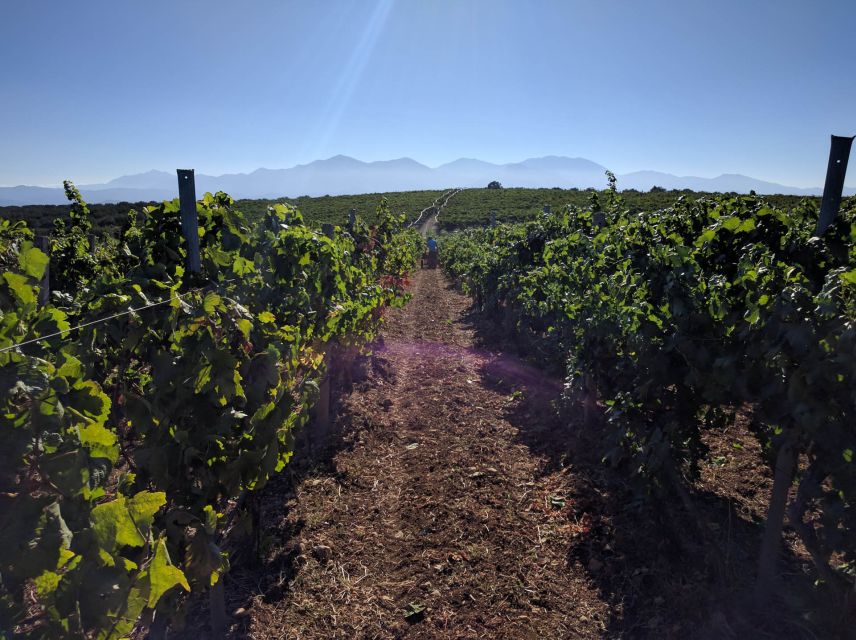
Comfort counts. This day is designed around a premium SUV or minivan, with pickup and return to your accommodation. That’s a big difference from the long bus-style tours, especially when you’re spending part of the day in rural areas.
The driving segments are relatively short between stops, like about 20 minutes from one segment to the next, plus a longer transit later (roughly 40 minutes). The schedule makes the experience feel like a series of purposeful visits rather than a nonstop checklist.
In bookings, drivers were specifically praised, including Angela, Tony, and Arula. That tells you the ride quality matters here. When the driver is friendly and the conversation stays relaxed, the day feels lighter even when you’re hitting several tastings.
Practical advice: bring sunscreen. Even if you’re not spending the entire day outside, olive groves and countryside stops mean sun exposure adds up quickly. Also, keep your phone charged, because photo moments in Archanes and around rural stops will sneak up on you.
Who This Tour Suits Best (And Who Might Skip It)
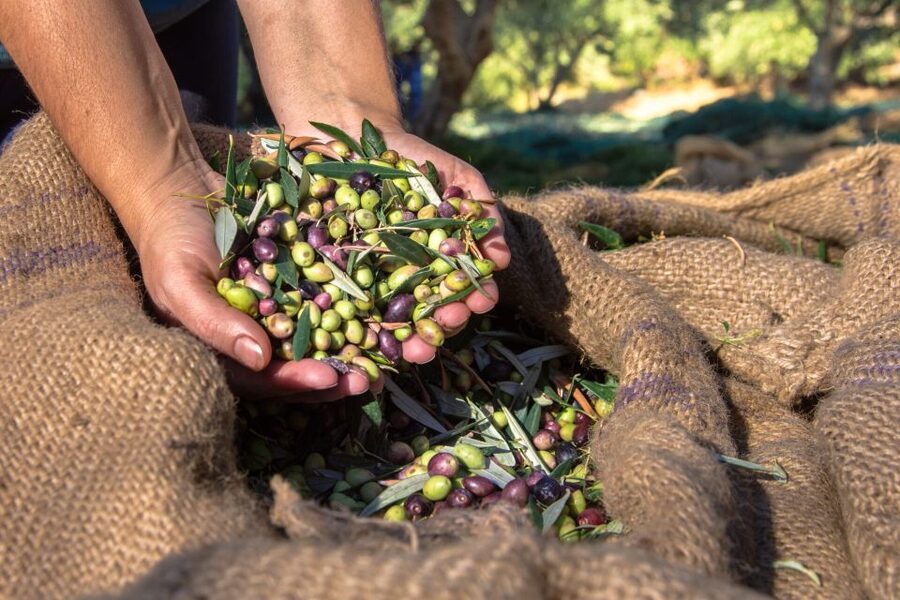
This is a great fit if you want a hands-on taste day in Crete, with guided explanations and real production stops. You’ll enjoy it most if you like food and drink culture, and you don’t mind learning by tasting.
It also suits couples, families, and friends who want structured time without feeling rushed. One booking specifically mentioned a small-group feel, like four plus the driver, which is exactly the kind of size that helps you ask questions and hear the guide clearly.
Who might not love it: people who hate alcohol tastings. Even though the tour includes a light lunch and local snacks, the raki and wine components are central. If you’re avoiding alcohol entirely, you might prefer a food-focused option without tasting built in.
Also, if you’re the type who wants total freedom with no schedule, this tour is the opposite style. It’s timed for tasting flow, with guided segments and transport between named stops.
Price, Value, and What You’re Really Paying For at $126
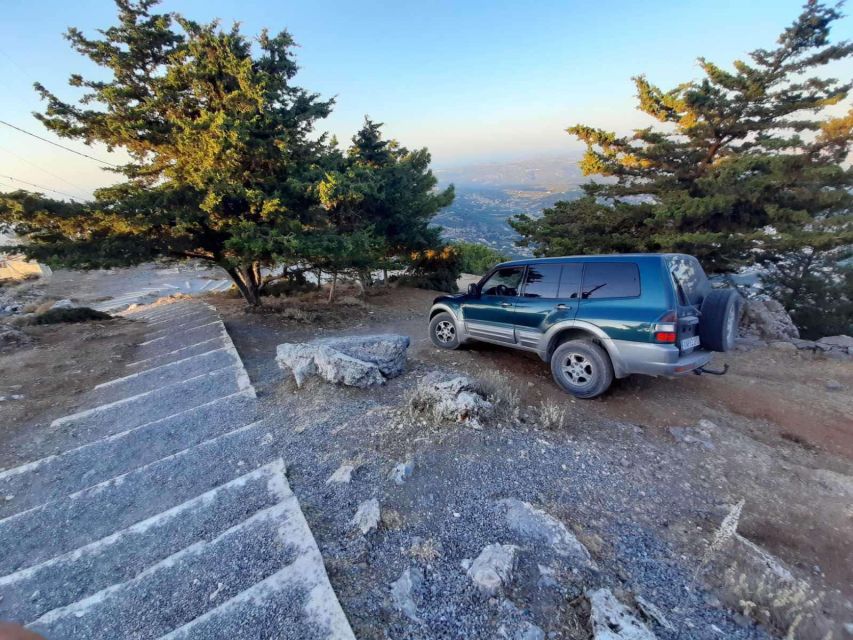
At $126 per person, you’re paying for more than samples. You’re paying for guided access to working producers: an olive grove and olive mill visit, a winery tour with guided wine tasting, and a raki distillery tour with raki tasting. That’s three different production worlds in one half-day.
You’re also paying for logistics. Pickup and return to your accommodation, plus premium SUV or minivan transport, is included. In rural areas around Heraklion, transportation can be the difference between a smooth day and a stressful scramble. Here, the day is set up so you show up, get guided, and move on without planning.
There’s also value in the structure. The tour includes tasting formats (olive oil tasting, wine flight with indigenous varieties, raki tasting with at least two rakis) that help you learn quickly. When tastings are guided, your experience feels educational, not just consumptive.
Considering the short duration (6.5 hours), this is best if you want high flavor density without losing an entire day. If you only have a limited window in Crete, this kind of compact itinerary can be a smart value play.
Should You Book This Cretan Olive, Wine, and Raki Tour?
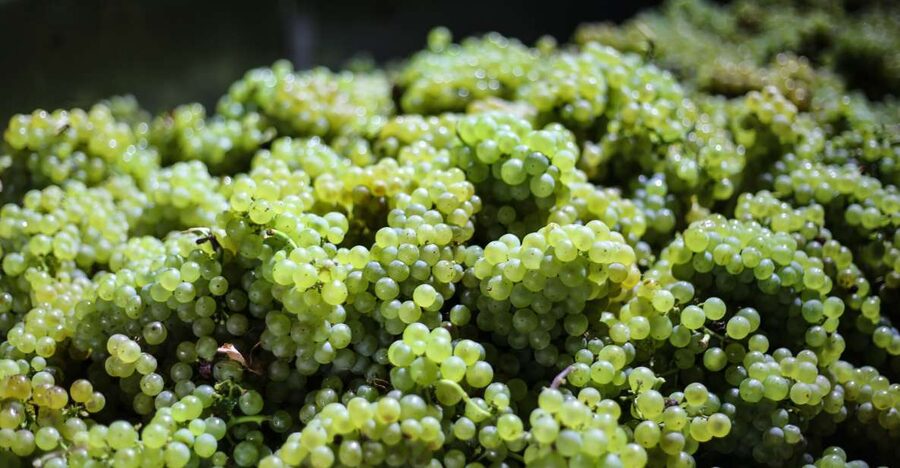
If your idea of a great day in Crete includes tasting with context, I’d say book it. The strongest draw here is the mix of olive mill learning, raki distillery storytelling, and a guided winery tasting that connects to indigenous grape varieties. The day is also set up for comfort with premium transport and hotel pickup and return.
Choose this tour if you want to leave with more than souvenirs. You’ll likely come away with a better sense of what you’re tasting, and the guide-driven explanations make it easier to remember the flavors. Plus, bookings repeatedly praised guides and hosts, including people like Angela, Yanni, Helen, Alex, Eleni, Tony, and Michael, which suggests the human side of the experience is genuinely strong.
Skip it if alcohol tastings are a deal-breaker for you, or if you’re craving a completely free-form day with no structure. Otherwise, this is a well-paced, production-focused flavor tour that fits neatly into a Crete itinerary.
FAQ
How long is the tour?
The tour lasts 6.5 hours.
What is included in the olive oil experience?
You get a tour of the olive grove and olive mill, plus an olive oil tasting.
How does the wine tasting work?
There is a guided winery tour and a guided wine tasting featuring three indigenous varieties.
Do you taste raki on the tour?
Yes. You get a guided tour of the raki distillery and a raki tasting at the Rakokazano.
Is lunch included?
Yes. A light lunch is included.
How do you get to each stop?
The tour includes transport in a premium SUV or minivan, with pickup and return to your accommodation.
Is the tour guided in English?
Yes, there is a live tour guide in English.
What kind of terrain or walking is involved?
You’ll walk through an olive grove and visit farms and production sites. The day is structured for a tasting tour rather than a long hike, but comfy shoes help.
What is the cancellation policy?
You can cancel up to 24 hours in advance for a full refund.
Is there a flexible payment option?
Yes. You can reserve now and pay later.
Every Other Heraklion Write-Up



Groves, Mills and Farm Tables
More of Crete On the List

Everything else we have written up around Heraklion


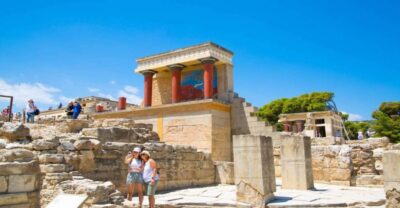
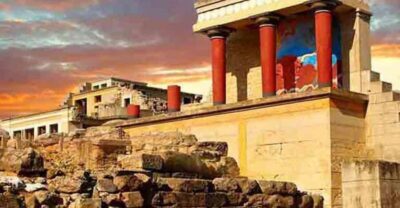
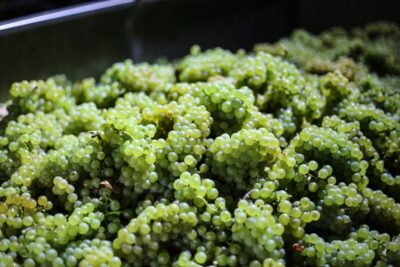



Crete Island Tours, side by side.
 ★ 4.6Crete: Day Trip to Agios Nikolaos and Spinalonga IslandFrom $444,416 reviews
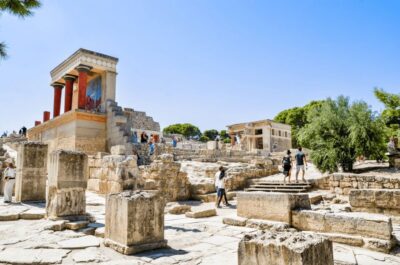 ★ 3.9Crete: Knossos Palace Entry Ticket with Optional Audio GuideFrom $302,251 reviews
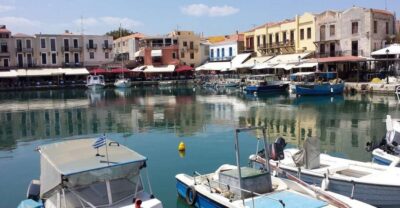 ★ 4.4Crete: Rethimno, Chania, and Kournas Lake Day TripFrom $451,694 reviews
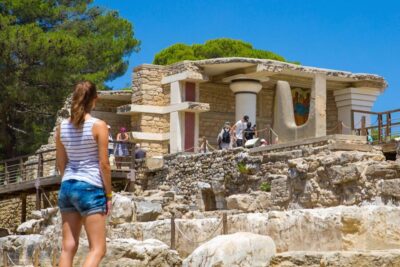 ★ 3.8Crete: Palace of Knossos E-Ticket and Audio GuideFrom $341,540 reviews
 ★ 4.4From Heraklion/Crete: Santorini Island Guided Day TripFrom $2001,448 reviews
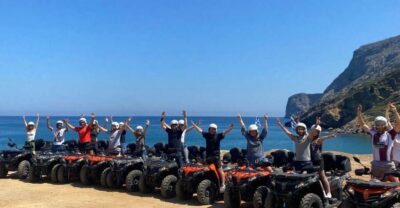 ★ 4.9Agia Pelagia Crete Quad Bike authentic backland TourFrom $501,430 reviews
 ★ 4.9Crete: Sunset or Morning Quad with Local Products TastingFrom $941,135 reviews
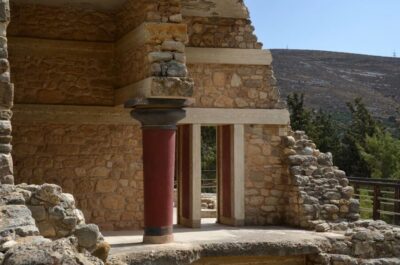 ★ 4.4Crete: Knossos Palace & Heraklion Guided TourFrom $351,127 reviews
Sits on these lists