
Review · THESSALONIKI CITY TOURS
From Thessaloniki: Aigai Royal Tombs & Pella Museum Day Trip
One of Greece’s best archaeology days starts close to Thessaloniki. This tour connects Vergina’s Royal Tombs with Pella’s museum and ruins, and you’ll see Macedonian power in a very physical way, from underground burial chambers to the city blocks where people lived. I especially loved the chance to walk through the tomb complex and museum spaces at an unhurried pace, and I also liked how the guide ties everything back to Alexander the Great’s world. The one drawback to plan for is time: the stop lengths are tight, so if you want to read every label, you’ll feel rushed.
I also found the logistics easier than most self-guided options. You get private pickup from anywhere in Thessaloniki, an English-speaking driver-assistant, and an overall 5-hour structure that fits a day of sightseeing. Still, since the route can be affected by local disruptions, you may see delays on some days, so build in flexibility.
In This Review
- Key highlights I’d target on this tour
- Thessaloniki to Vergina: the smooth start that matters
- Royal Tombs of Aigai (Vergina): Philip II underground, gold on full display
- Pella Archaeological Museum: state-of-the-art storytelling in an hour
- Walking the Archaeological Site of Pella: short, focused, and real
- How the 5-hour plan really fits your day in Thessaloniki
- Price and entrance fees: where value really shows
- Guide impact: Alexandros’ storytelling and safe, steady driving
- What to pack and how to pace yourself for comfort
- Should you book this Royal Tombs and Pella day trip?
Key highlights I’d target on this tour

- Vergina’s Royal Tombs: walk inside the subterranean structure tied to Philip II.
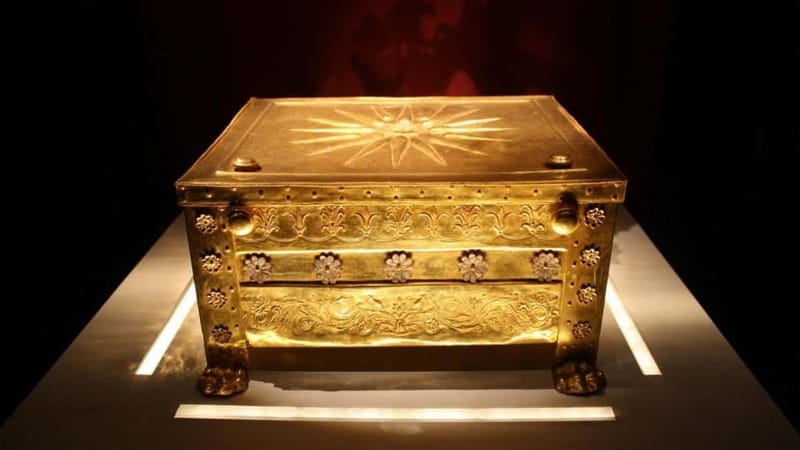
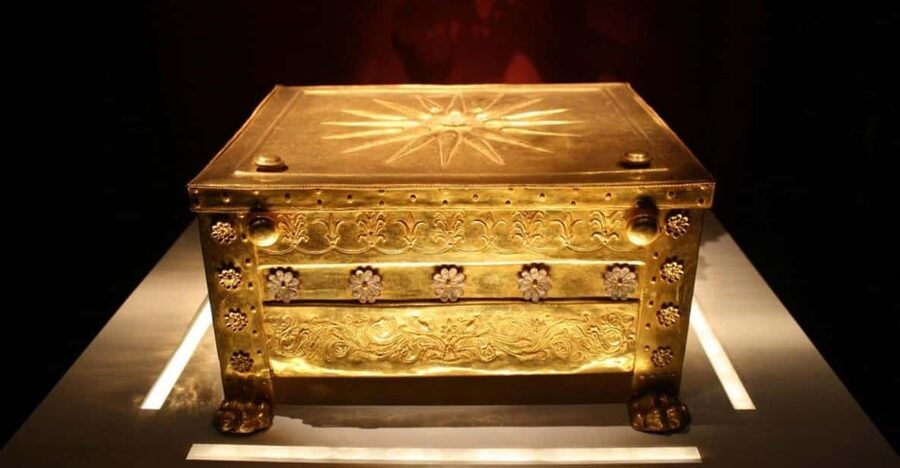
- The Philip II burial story: iconic finds like the gold diadems and the golden chest detail your guide explains.
- Pella Archaeological Museum: a state-of-the-art stop that rewards a focused hour.
- Pella ruins at walking speed: see the city layout and imagine daily life as you move between areas.
- A small group (up to 8): enough intimacy for questions, without long waits.
- Alexandros’ storytelling style: steady, passionate explanations with context on Macedon and Alexander.
More around Olympus, Vergina and Pella



Thessaloniki to Vergina: the smooth start that matters
This is a classic “ancient Macedonia in one day” route, and the first win is how easy it feels to begin. You get private pickup from any location in Thessaloniki with a car or van, plus a meet-and-greet when you’re collected. That saves you the friction of figuring out buses, taxis, and timing.
Once you’re on the road, you’re not stuck with silence. The driver-assistant builds context about what you’re about to see before you arrive at Vergina. That matters, because the Royal Tombs can feel like a collection of impressive rooms until someone helps you place the story in time, especially the link to Philip II and Alexander the Great.
The drive itself is also practical. It keeps you away from complicated transfers, and with only two major cultural stops plus a museum and a short ruin walk, the day stays organized. That’s ideal if you have limited time in Thessaloniki and want more than one site without turning your trip into a logistics project.
One extra note: even with a good plan, road conditions can change. On at least some dates, farmer protests have caused detours and delay. The key is that your guide will handle routing changes, but you should still treat this as a day that might run later than expected.
Royal Tombs of Aigai (Vergina): Philip II underground, gold on full display
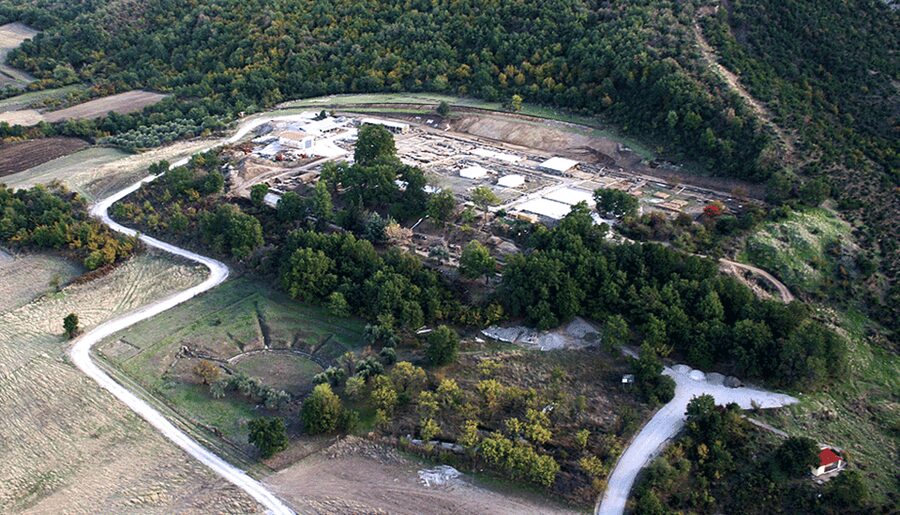
If you care about Macedon, this is the main event. Vergina, formerly linked to the ancient name Aigai, became famous in 1977 to 1978 after the discovery of the Royal Tombs by the archaeologist Andronicos. Aigai was considered the first capital of Ancient Macedonia until around 400 BC, when power shifted to Pella. The tombs are tied to the tradition of royal burials, and that makes the experience feel like a direct link to how rulers wanted to be remembered.
What makes this stop so memorable is that it’s not just looking at objects. You go inside the subterranean structure, accompanied by your guide. That walk changes the mood instantly. The space feels designed for ritual and permanence, and it’s easier to understand why these finds are so famous when you experience the scale and layout in person.
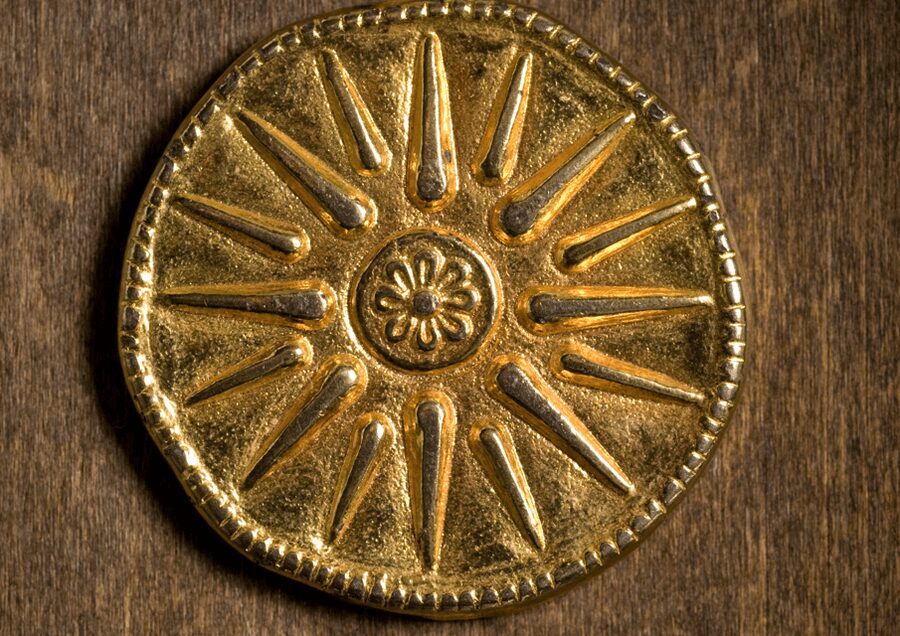
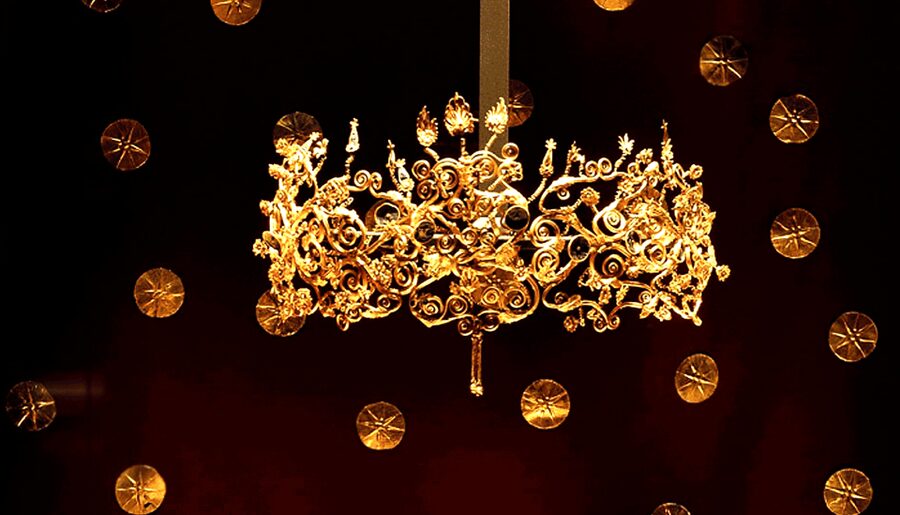
Inside, your guide points out the kinds of objects people associate with Philip II’s tomb. Expect a lineup of high-impact artifacts such as the King’s shield adorned with ivory and gold, the gold-trimmed iron breast plate, gold diadems, the golden wreath made of oak leaves, and the gold-plated collar. You may also see references to the silver burial urns.
One of the most striking parts of the story is the guide’s explanation of what was discovered inside the tomb of King Philip, including a golden chest that contained the King’s bones, described as washed with wine and wrapped in purple cloth. Your guide may also connect these details to what we know, what scholars suspect, and how burial customs worked in this royal context.
Timing is the other practical consideration. You’ll have about 80 minutes for the Royal Tombs experience. That’s enough for a solid visit, but don’t count on time to both wander and read everything at a leisurely pace. If you’re a slow museum reader, you’ll likely want to focus on the central galleries and the big interpretive moments first.
Pella Archaeological Museum: state-of-the-art storytelling in an hour

After Vergina, you head to Pella, which sits about 45 km from Thessaloniki and served as a major capital in the age of Philip II and Alexander the Great. The Archaeological Museum of Pella is built right on the site of the ancient city, so it works like a bridge between what you read on a panel and what you can still recognize outside in the ruins.
The standout here is how the museum helps you visualize everyday life, not just royal power. The building and displays make a lot of sense for visitors who want context quickly: what cities looked like, how spaces were arranged, and what material culture can tell you about people who were not kings.
You have about an hour for the museum. That’s workable if you go in with a plan. Don’t aim to see every artifact in every room. Instead, pick the areas that match your interest, then use the interpretive texts to fill in gaps as you move. The museum has multiple floors, and the time window can feel tight if you try to do it all.
This is also where the guide’s style shows. Many guides recite facts. Alexandros’ approach, as reflected in multiple bookings, leans into explanation, stories, and making connections between Macedon, mythology, and the political backdrop of Alexander’s world. You may hear theories to help you understand power struggles, and you may get a little of the mystery around Alexander’s later life, including questions about what happened to his remains. Even if you already know the basics, this kind of narrative helps the displays stick.
Practical tip: wear sunscreen and breathable clothing. You’re moving between indoor and outdoor zones, and Pella’s ruins walk later means you’ll be on your feet in the sun. Bring water, and take advantage of it when you’re offered bottle water during the tour.
Walking the Archaeological Site of Pella: short, focused, and real
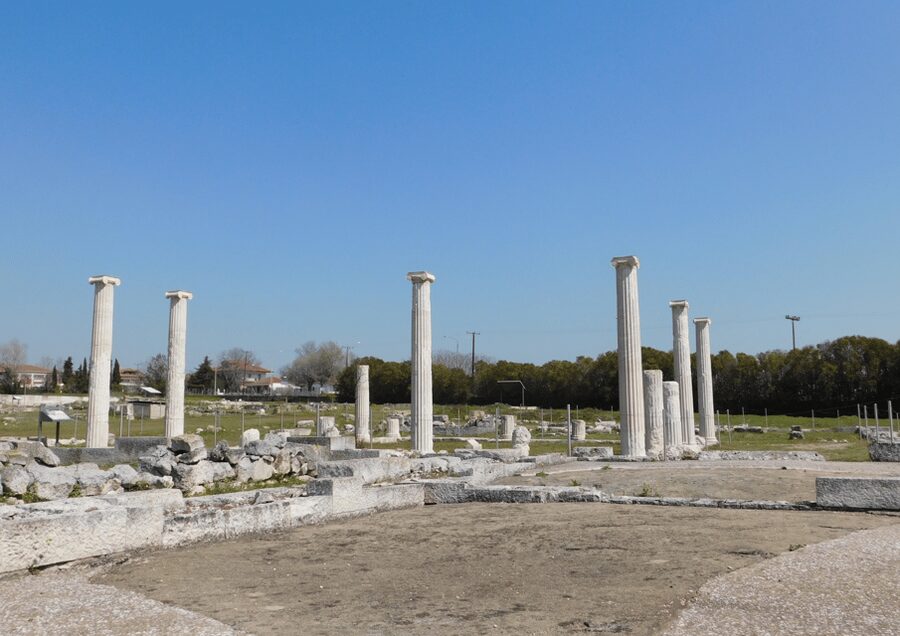
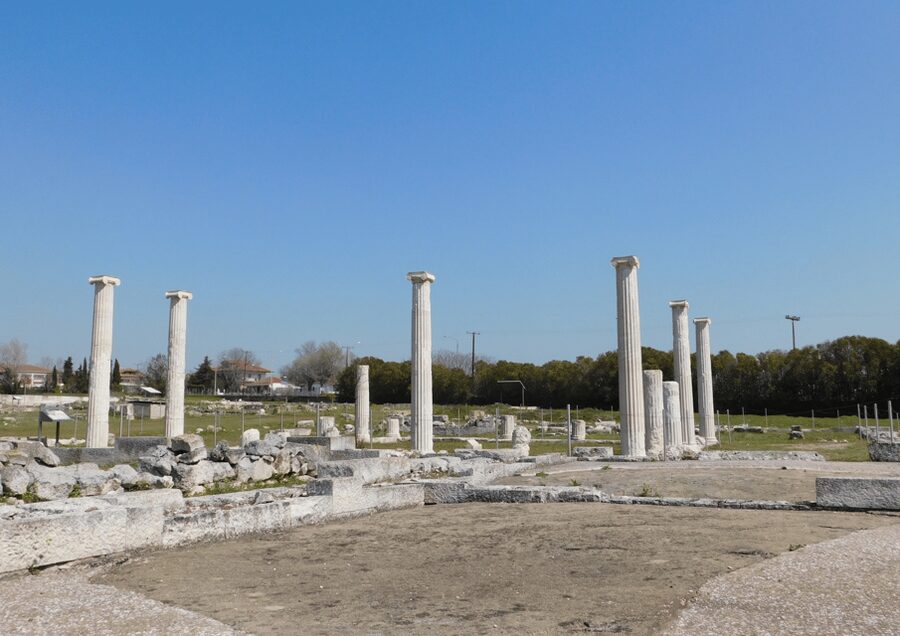
The final major stop is the Archaeological Site of Pella. This is the part that turns the day from museum time into a sense of place. You get around 30 minutes here, so the goal is not to tour the entire site. It’s to see enough of the layout to understand how the city worked.
Even in a short visit, you can get a lot out of being intentional. If you walk deeper toward key temple areas and main zones, you’ll feel the city’s plan more clearly. If you stop near the more accessible sections, you’ll still pick up the big idea, but you might miss the feeling of scale that comes from pushing farther toward the temple ruins area that includes the Mother of the Gods temple in the broader complex.
This is where you should adjust expectations. Thirty minutes is just enough to get a meaningful impression, not enough to exhaustively map the entire site. If you tend to stop and stare at mosaics, read every carved inscription, and take lots of photos, you’ll likely wish you had more time. But if you’re there to connect museum objects to the city that produced them, it’s a good match.
The ground can be uneven and some paths can be rough. Plan for some walking on unpaved or less-smooth areas. Sturdy shoes help, even if you don’t think you’ll walk much.
How the 5-hour plan really fits your day in Thessaloniki
A 5-hour day trip is a sweet spot when you have a limited schedule. This one is structured around two major sites and a museum, with transportation between them done by private vehicle. That combination keeps you from spending your energy on transit time and makes it easier to see more than you would on a half-day DIY outing.
At the same time, the schedule is not generous. Your stop windows are roughly:
- about 80 minutes at the Royal Tombs
- about 1 hour at the Pella museum
- about 30 minutes at the Pella ruins
When you’re done, you’re back in Thessaloniki.
If you’re the type who likes to linger, you’ll need to prioritize. I suggest you decide what you most want to leave with:
- If it’s the Philip II story and the tomb experience, spend your time efficiently at Vergina and use your energy to read the core explanations.
- If it’s city life and archaeology context, give the museum a first pass focused on the main floors and major themes.
- If you love walking and photos, make your Pella site walk purposeful rather than scattered.
The small group format helps here. Limited to 8 participants, you’re less likely to feel like you’re being herded by a large bus group. That can translate into fewer time sink moments like crowding at key points.
Other ways around Thessaloniki
- Thessaloniki: Full-Day Bus Trip to Meteora★ 4.8 · 3,471 reviews
- Thessaloniki: OTE Tower Rotating Experience with Light Meal★ 4.6 · 857 reviews
- Full-Day Trip to Meteora from Thessaloniki★ 4.5 · 542 reviews
- Thessaloniki Hop-on Hop-off Sightseeing Bus Tour★ 4.0 · 473 reviews
Price and entrance fees: where value really shows
The headline price is $129 per person for a 5-hour private day trip. On paper, that sounds straightforward, but value is about what you don’t have to handle yourself.
Included in that price:
- private pickup and drop-off anywhere in Thessaloniki
- meet-and-greet
- English-speaking driver-assistant
- bottle of water
- all fees and taxes tied to the tour service
Not included:
- entrance fee at the Museum of the Royal Tombs of Aigai (12 EUR)
- entrance fee for the Archaeological Museum and the Archaeological Site at Pella (8 EUR)
- lunch
So, your real cost is the tour price plus those entrance fees, plus whatever you spend for food. If you add up just the entrance tickets, you’re looking at 20 EUR total in site fees. For many people, that extra line item still feels worth it because the biggest value is the guided organization, the private transport, and the time saved.
Here’s how I’d think about it for your budget:
- If you’re traveling with a friend or small group and can split costs on a private driver anyway, this looks even better.
- If you’re traveling solo, you’ll likely pay more than you would for a shared group bus tour, but you’re buying comfort, pickup convenience, and more room to ask questions.
- If you want flexibility and don’t want to fight public transit schedules, this format is a practical win.
Also note the small group limit of 8. That keeps the experience from turning into a crowd shuffle, which can matter a lot when you only have around an hour at the museum.
Guide impact: Alexandros’ storytelling and safe, steady driving
One of the most praised parts of this tour is the human piece, and it’s very specific. Multiple bookings highlight Alexandros as the driver and guide, with a style that blends firm structure with passion for Macedon and Alexander the Great.
What stands out in the feedback is that he does more than repeat standard talking points. He’s described as attentive, patient, and willing to answer questions, including the types of “how do we know this” topics that come with archaeology. He may also share his own theories to connect dots, especially around power struggles in Alexander’s era.
That approach is a big deal because it turns the day into understanding, not just attendance. You’re not just moving from Site A to Site B. You’re building a mental timeline. And that helps you remember details like why Aigai mattered, how royal burials reflected status, and why Pella’s city context adds depth to the museum artifacts.
Driving gets praise too. In a day like this, safe and confident driving is part of the quality, especially if roads need rerouting due to local issues.
Another small but useful detail: on days when museums have later openings, the guide may adjust the route and add extra context time around the area. Even if the schedule is tight, the goal is to keep the day meaningful rather than waiting around.
What to pack and how to pace yourself for comfort
This is a one-day archaeology plan, but it includes real walking and some outdoor time. You’ll want to be prepared for sun and heat.
Bring:
- sunscreen and a hat, since you’ll be out at Pella ruins
- comfortable, closed-toe shoes for uneven ground
- water, even though bottle water is included
- sunglasses, if you’ll be photographing outside
Pacing advice:
- At the tombs and museum, pick your must-see items first.
- At the Pella site, focus on understanding the city layout rather than trying to cover every corner.
If you’re traveling with mobility needs, note that the tour is described as wheelchair accessible. Still, you’ll be best served by asking the operator how they handle the exact surface and route at the ruins.
Should you book this Royal Tombs and Pella day trip?
I’d book it if you want a high-value, well-structured day that hits two of the strongest ancient Macedonia experiences: Philip II’s Royal Tombs at Vergina and the museum plus ruins at Pella.
Book this tour if:
- you have limited time in Thessaloniki and want more than one major site
- you care about Alexander the Great, but also want the archaeology and artifacts to make the story feel real
- you like small groups with room for questions
Skip it or look for an alternative if:
- you need long, slow stays at museums and sites
- you prefer fully independent travel with lots of buffer time
- you’re very sensitive to schedule changes if road disruptions occur
Given the included private pickup, the small group size, and the guide-led interpretation, this tour is a strong choice for people who want meaningful ancient history without turning the day into a stress test.
Every Other Thessaloniki Write-Up


Other Ways Around Thessaloniki
Olympus, Vergina and Pella
Everything else we have written up around Thessaloniki





Thessaloniki City Tours, side by side.
 ★ 4.8Thessaloniki: Full-Day Bus Trip to MeteoraFrom $583,471 reviews
 ★ 4.7From Thessaloniki: Pozar Thermal Baths and Edessa Day TripFrom $581,243 reviews
 ★ 4.7From Thessaloniki: Day Trip to Dion and Mount Olympus ParkFrom $581,046 reviews
 ★ 4.6Thessaloniki: OTE Tower Rotating Experience with Light MealFrom $21857 reviews
 ★ 4.8Thessaloniki: Vergina and Pella Day TripFrom $58673 reviews
 ★ 4.5Full-Day Trip to Meteora from ThessalonikiFrom $59542 reviews
 ★ 4.0Thessaloniki Hop-on Hop-off Sightseeing Bus TourFrom $18473 reviews
 ★ 4.9From Thessaloniki: Sithonia Beaches and Scenic Villages TourFrom $100328 reviews
Sits on these lists