
Review · THESSALONIKI CITY TOURS
Thessaloniki: Walking Tour
Thessaloniki tells its story best on foot. This 3-hour walking tour strings together the city’s big landmarks, from the iconic White Tower to the church of St Demetrios, with Roman and Byzantine layers in between. I love how the route stays walkable while still hitting major sites, and I also like that you get a live guide who makes the timeline feel clear instead of random.
The professional local guide experience is the star here. If you catch Nikos, his delivery tends to be energetic and well organized, and he adapts when the group has different interests, not just one set script. A possible drawback: this is a walking tour, so comfortable shoes matter, and you may have a few stop-and-go moments if you want to read inscriptions or linger at mosaics.
In This Review
- Key highlights you will feel right away
- Starting at the White Tower, then walking through Thessaloniki’s layers
- White Tower orientation stop: why this start works
- Galerian Complex: Hippodrome, Arch, and Rotunda tied to Caesar Galerius
- Temple of Archeiropoietos: one of the oldest churches and its mosaics
- Roman Forum on foot: where money and administration once lived
- St Demetrios church: finishing with Thessaloniki’s patron saint
- How the 3-hour timing actually feels on the ground
- Price and value: what $70 buys, and what you may pay separately
- Who this tour suits best in Thessaloniki
- Practical vibe: meeting point, language, and the essentials
- Should you book this Thessaloniki walking tour?
- FAQ
- Where does the tour meet?
- How long is the Thessaloniki walking tour?
- Is the tour guided in English?
- What is included in the price?
- What is not included?
- Is free cancellation available?
- Are children allowed?
Key highlights you will feel right away
- White Tower orientation: start at the city symbol and get your bearings fast
- Galerian Complex: Hippodrome, Arch, and Rotunda tied to Caesar Galerius
- Archeiropoietos mosaics: one of the oldest churches with preserved mosaic decoration
- Roman Forum: the administrative and financial center, explained in plain language
- St Demetrios: the patron-saint church and a major emotional finale
- English-speaking guide: stories that connect Greek, Roman, Byzantine, Ottoman, and Jewish threads
Other ways around Thessaloniki


Starting at the White Tower, then walking through Thessaloniki’s layers
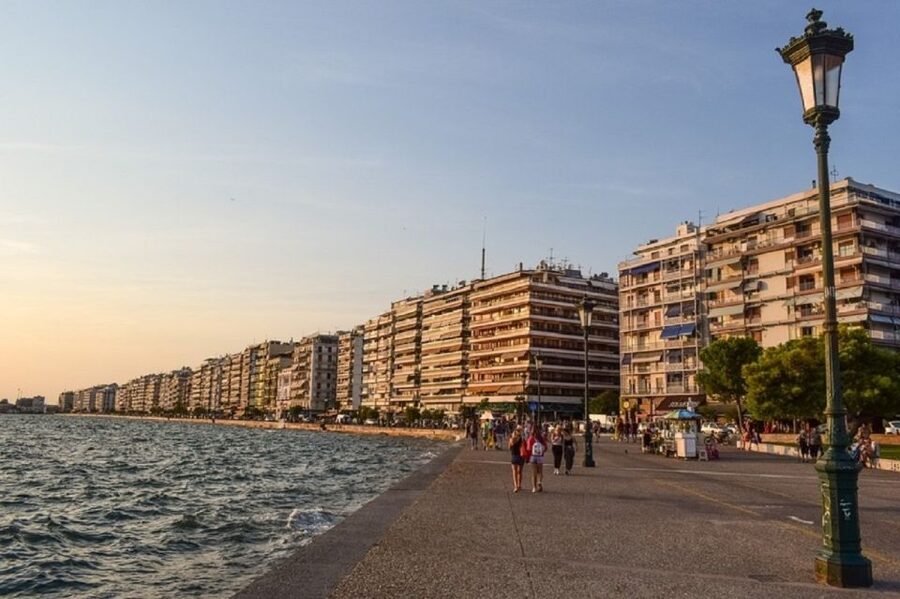
If you want Thessaloniki to make sense quickly, start with a guide who can stitch the eras together. This tour does that by beginning at the city’s most famous landmark, then moving from Roman-era power to early Christian worship without turning your brain into alphabet soup.
I like the way the pacing is set up for a first or second visit. In about three hours, you cover key monuments across different centuries, so you leave with a map in your head, not just photos on your phone. The route also has a practical rhythm: you stop, you look, you learn, you walk again.
The other big plus is the guide style. People consistently note that Nikos (the name that comes up again and again) brings the city to life with clear explanations and good English. That matters because Thessaloniki is layered, and you need someone to help you connect what you see to what it meant.
White Tower orientation stop: why this start works
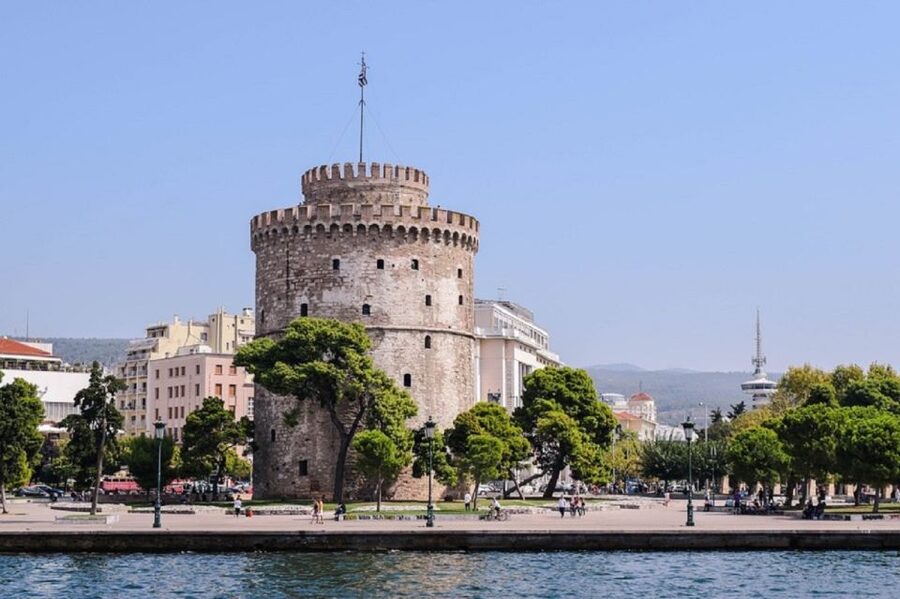
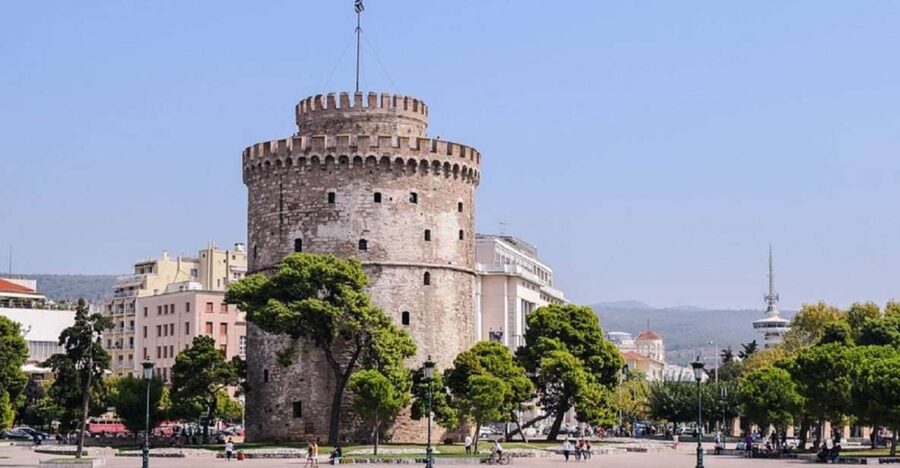
Your tour starts next to the White Tower of Thessaloniki, a logical first stop because it’s instantly recognizable and it anchors your sense of place. Even if you only know Thessaloniki from a few images online, the White Tower gives you a visual starting point right away.
Here’s what you can expect at this opening: a quick orientation, then a setup for how the city grows over time. Your guide explains the major shifts in power and culture that shaped what you’ll see next. It’s not just a photo op. It’s the beginning of a story that you’ll keep hearing throughout the walk.
One practical note: since this is a walking tour that begins outdoors, dress for weather and bring footwear that can handle uneven sidewalks. A guide can keep the tour moving, but your comfort still comes from what you wear.
Galerian Complex: Hippodrome, Arch, and Rotunda tied to Caesar Galerius
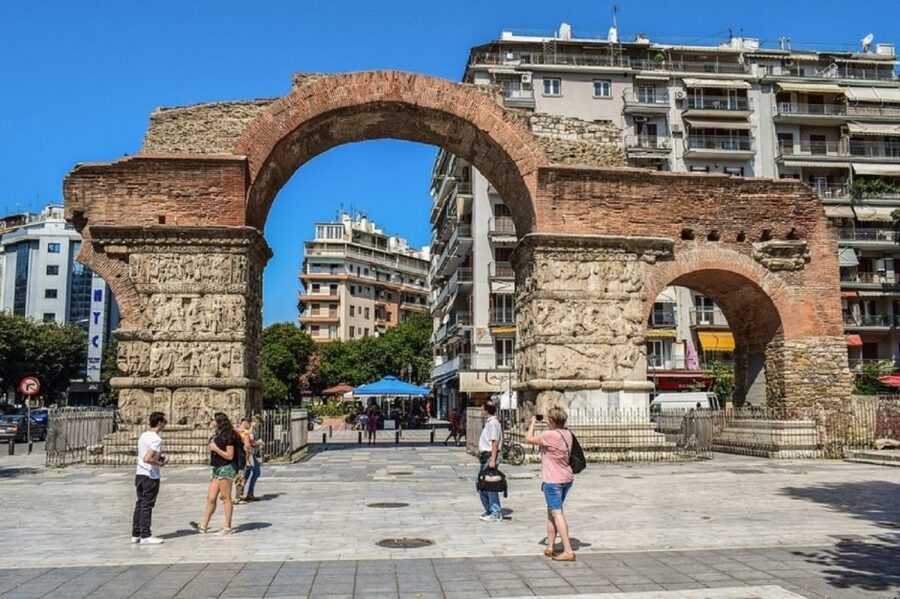
After the White Tower, you head to the Galerian Complex, a cluster of Roman buildings associated with Emperor Caesar Galerius. This is one of the most useful stops for understanding how Thessaloniki fit into the Roman world.
The complex includes:
- Hippodrome
- Arch
- Rotunda
What makes this stop valuable is how the guide connects structures to daily life and imperial image-making. A Hippodrome tells you about spectacle and crowd energy. An arch is Roman propaganda in stone form, built to mark power. The Rotunda gives you a sense of the scale of the Roman ambition here.
Drawback to consider: Roman sites can feel like “more ruins” if you only look at them as leftover stone. If you want meaning, lean into the guide’s explanations and take a moment to visualize what the area would have looked like during its height.
Temple of Archeiropoietos: one of the oldest churches and its mosaics
Next comes the Temple of Archeiropoietos, highlighted as one of the oldest churches in Thessaloniki that still preserves beautiful mosaics. This stop is where the tour shifts from Roman public space to early Christian religious life.
Look for what the guide points out: why mosaics mattered, how they functioned as storytelling, and why preservation is such a big deal. When you see mosaics in person, you usually notice two things fast: the colors tend to stay striking, and the images feel carefully planned rather than decorative.
This is also a stop that rewards a slower pace. Even if you’re not a “church person,” mosaics are visual communication, and your guide helps you read them. If you’re short on time in Thessaloniki, this is the kind of stop that makes that time feel well spent.
Practical consideration: church interiors can mean shaded or cooler spots, but they also mean you should be respectful with how you move, pause, and photograph. Comfortable clothes help, especially if you’re weaving between sun and indoor shadow.
Roman Forum on foot: where money and administration once lived
Then the tour takes you to the Roman Forum, described as the center of financial and administrative activity during Roman times. This is one of the more “real life” stops on the route because a forum is not just architecture. It’s where decisions happened.
What I like about this segment is the explanation style. Instead of treating the forum like a museum display, the guide frames it as a place full of activity: people arriving for business, officials working, and the city’s economy moving through public space. You start to see the geometry of the area as a system built for movement and authority.
A fair warning: ruins can be tricky to interpret if you try to do it alone. If you find yourself squinting at stones and thinking, Where is the rest of it? That’s normal. The guide’s job is to make the missing pieces feel understandable, so follow along and let the context do the heavy lifting.
More of Thessaloniki taken slowly on foot
- Thessaloniki: Customized Private Walking Tour with a Local★ 4.6 · 129 reviews
- Thessaloniki: Walking Open Market Food Tour and Tasting★ 5.0 · 75 reviews
- Half Day Food and Walking Tour with Tastings in Thessaloniki★ 5.0 · 41 reviews
- Thessaloniki Private Walking Tour with a Local★ 4.5 · 30 reviews
St Demetrios church: finishing with Thessaloniki’s patron saint
The last major stop is the church where Thessaloniki’s city patron saint is worshiped, St Demetrios. Ending here makes sense emotionally. After Roman administration and Christian mosaic artistry, you land in a place tied to living devotion and city identity.
What you should expect is a shift in tone. The guide brings together the significance of St Demetrios to the city and helps connect the church to the bigger story you’ve been walking through. This is where you feel why Thessaloniki’s religious history matters beyond architecture.
This is also a good finale for photos, as long as you are patient with the indoor lighting and keep an eye on where you are allowed to stand. If your phone struggles indoors, don’t panic. Focus on absorbing the setting first, then shoot what you can after.
How the 3-hour timing actually feels on the ground
A 3-hour walking tour is a sweet spot if you want value without turning your day into a full-on endurance event. You’ll cover the White Tower, the Galerian sites, a major early church, the Roman Forum area, and St Demetrios. That’s a lot of “headline stops” for one half-day window.
Here’s the reality check: a tour like this still includes time to walk between sites, listen to stories, and stop for photos. If you’re the type who needs to read every plaque slowly, you might feel a little rushed, especially in busy weather.
Bring:
- Comfortable shoes
- Comfortable clothes
If rain shows up, you’ll still likely keep moving because this kind of city walking tour is designed to handle normal weather interruptions. The guide can adjust the flow so the tour stays coherent instead of turning into a series of hurried sprints.
Price and value: what $70 buys, and what you may pay separately
The price is listed at $70 per person for a 3-hour experience with an English-speaking guide and all taxes included. For a tour that covers multiple major monuments and historical periods, that pricing feels reasonable, especially if you’d otherwise pay separate admission fees and spend time piecing together context on your own.
What’s not included is important:
- Entrance fees
- Coffee or other beverages
- Personal expenses
So the smartest value move is to budget a little extra for any site entry you want beyond what the tour covers. The tour description specifically notes entrance fees aren’t included, which usually means some stops may require paying if you want full interior access.
How to decide if it’s good value for you: if you enjoy learning how different eras overlap in one city, this tour saves you the effort of researching before you arrive. If you prefer to wander independently with minimal talking, you might do just as well on your own with a good map and a self-guided approach. But if you want the connections explained clearly, the guide is the value driver.
Who this tour suits best in Thessaloniki
This tour is a great fit if:
- You want a structured introduction to the city’s biggest landmarks
- You like history that connects eras, not history that feels like separate chapters
- You want to see Roman, Byzantine, and later layers in one walking route
- You appreciate a guide who can keep a consistent thread of explanation
It’s also a good choice for mixed groups. People often have different interests, and Nikos is noted for adapting the content to the companions. That kind of flexibility matters when one person wants church mosaics and another wants Roman sites.
Who might not love it:
- If you hate walking or have mobility issues that make short stops hard to manage
- If you only want museum-style interiors and dislike outdoor ruin explanations
- If you prefer full control of pacing and long solo pauses
Practical vibe: meeting point, language, and the essentials
You’ll meet next to the White Tower of Thessaloniki at Thessaloniki 546 21, Greece. The tour runs in English with an English-speaking guide, and it’s described as a live guided experience.
Timing tip: arrive a few minutes early so you’re not scrambling at the start. The first segment often sets the tone, and it’s easier to settle in when you begin with your bearings.
Should you book this Thessaloniki walking tour?
I’d book it if you want a time-efficient way to understand Thessaloniki’s layers. The route is built around the city’s major symbols and major historical sites, and the strongest selling point is the guide experience, especially the way Nikos brings order to a multi-era story.
Skip it if you already know the city well, plan to spend most of your time in museums and paid interiors, or you want a very relaxed, unguided wander. Even then, consider booking for the guide component, because Roman Forum explanations and the meaning behind mosaics are hard to replace with casual reading.
If you’re on your first visit, this tour is one of the clearest ways to get your bearings, then keep exploring afterward with more confidence.
FAQ
Where does the tour meet?
The meeting point is next to the White Tower of Thessaloniki, Thessaloniki 546 21, Greece.
How long is the Thessaloniki walking tour?
The duration is 3 hours.
Is the tour guided in English?
Yes. It includes an English-speaking guide.
What is included in the price?
The price includes the English-speaking guide and all taxes.
What is not included?
Entrance fees are not included, and coffee or any other beverage plus personal expenses are also not included.
Is free cancellation available?
Yes. You can cancel up to 24 hours in advance for a full refund.
Are children allowed?
Children under 2 years old can join the tour for free.
The Rest of Thessaloniki





Every Other Thessaloniki Write-Up

Other Ways Around Thessaloniki
Everything else we have written up around Thessaloniki


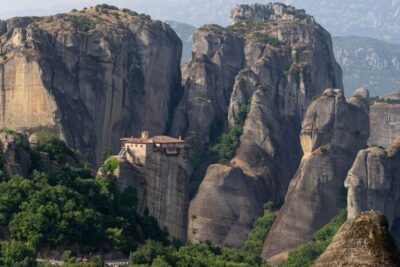

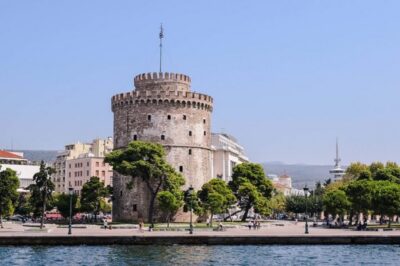

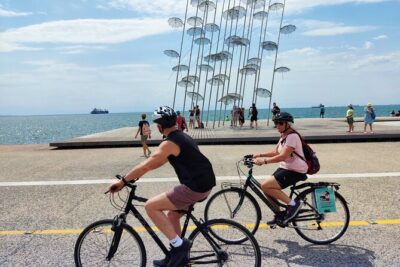
Thessaloniki City Tours, side by side.
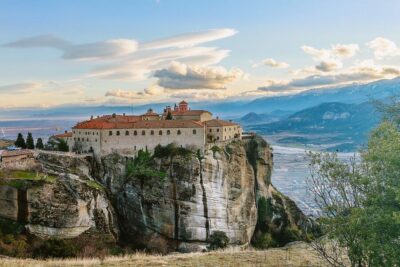 ★ 4.8Thessaloniki: Full-Day Bus Trip to MeteoraFrom $583,471 reviews
 ★ 4.7From Thessaloniki: Pozar Thermal Baths and Edessa Day TripFrom $581,243 reviews
 ★ 4.7From Thessaloniki: Day Trip to Dion and Mount Olympus ParkFrom $581,046 reviews
 ★ 4.6Thessaloniki: OTE Tower Rotating Experience with Light MealFrom $21857 reviews
 ★ 4.8Thessaloniki: Vergina and Pella Day TripFrom $58673 reviews
 ★ 4.5Full-Day Trip to Meteora from ThessalonikiFrom $59542 reviews
 ★ 4.0Thessaloniki Hop-on Hop-off Sightseeing Bus TourFrom $18473 reviews
 ★ 4.9From Thessaloniki: Sithonia Beaches and Scenic Villages TourFrom $100328 reviews
Sits on these lists