
Review · CRETAN & GREEK COOKING CLASSES
Half-Day Greek Cooking Class of Zakynthian Culture with Lunch
Greek food stories start at 10:30. This half-day class at Green Frog in Argassi is interesting because you cook Zakynthian dishes with the family behind the place, while learning how the island’s food culture grew. I love the hands-on format where you actually make several recipes, not just watch, and I love how Alex and the team connect each plate to everyday island life and food traditions. One possible drawback: it is an active class in an outdoor garden setting, so plan for some time standing, chopping, and cooking in the sun or heat.
You’ll join small groups of up to 12, start at 10:30am, and finish back where you began after about four hours. The menu changes by day (Tuesday, Friday, or Saturday), but lunch is built into the experience, along with tastings like local wines, olives, cheeses, and ingredients you can actually find back home.
In This Review
- Key things to know before you go
- Green Frog in Argassi: your garden kitchen base
- The 10:30 start: how the morning gets you into Greek food mode
- The core menu on Fridays: Stiffado, pies, dips, and orange cake
- Tuesday Greek classics: Mousaka, baklava rolls, saganaki, and tsatsiki
- Saturday vegetarian Zakynthian comfort food
- Lunch under shade: tastings, wine, and eating what you made
- Skills you’ll actually use at home (especially filo)
- Price and value for a 4-hour half-day with lunch
- Should you book this Zakynthos cooking class?
- FAQ
- What time does the cooking class start?
- Where does the class meet in Zakynthos?
- How many people are in the class?
- What meals and drinks are included?
- Which days does the class run, and does the menu change?
- Does the class include filo pastry?
- Can the class accommodate allergies?
- What happens if the experience is canceled due to weather?
Key things to know before you go
- Small-group cooking (max 12), so there’s real interaction instead of shouting over everyone
- Day-specific menus across Tuesday, Friday, and Saturday
- Hands-on practice with filo pastry and classic Greek techniques
- Lunch in a shady garden, plus tastings as you go
- Recipe take-home email, so you can cook the dishes again later
- Family-led island stories, with names you’ll hear all morning, like Alex and Mandy
Not settled on one yet? These are the other Zakynthos trips that made our review list.



Green Frog in Argassi: your garden kitchen base
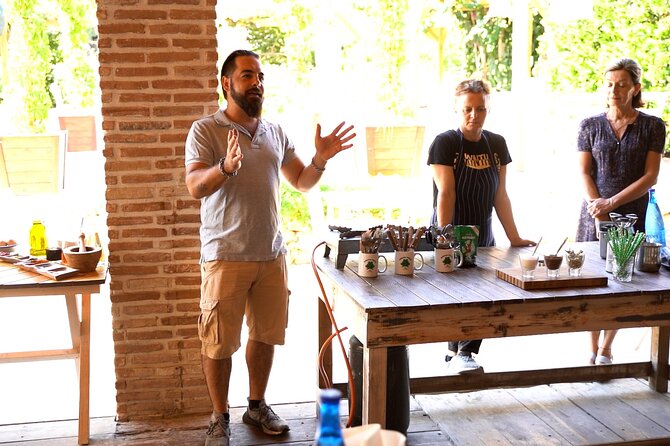
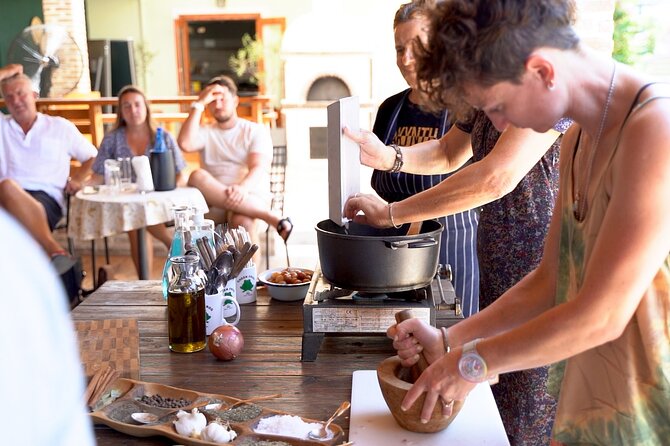
Meet at Green Frog on the Main Road in Argassi, a convenient starting point in the Zakynthos area. The experience is built around a family-run setup, not a huge tour operation. That matters because you get more personal teaching and quicker help when something doesn’t go right on the first try.
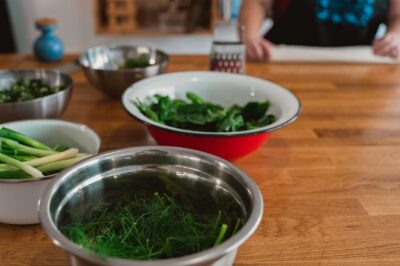
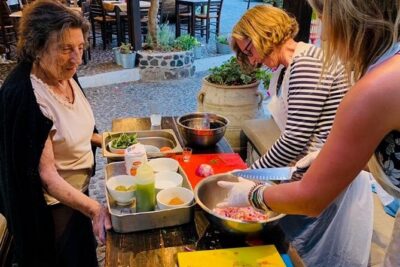
What you’re stepping into is a cooking space that feels like a real home kitchen turned into a classroom. Several dishes are prepared during the session, and you eat the results as lunch. The setting is also a big part of the value here. One standout detail from people who do this is the outdoor kitchen feel and the comfort of sitting down with the meal in a garden environment.
Bring practical expectations: you’ll be moving through tasks like assembling, rolling, mixing, and baking within the same morning. If you’re the type who wants to observe quietly, this may feel too hands-on. If you like learning by doing, you’ll probably love it.
The 10:30 start: how the morning gets you into Greek food mode
The class starts at 10:30am and runs for about four hours, with the experience ending back at the meeting point. The schedule is designed to keep momentum, so you’re not waiting around too long between cooking and eating.
A fun twist is how the morning begins. On Fridays, the day starts the Greek way with iced coffee and/or a healthy mountain tea. The group makes these themselves, which is a small step that makes the whole experience feel more like a shared morning than a lesson.
Then you move into cooking right away. The instructors weave in stories as you go, so you’re not stuck in a purely technical class either. Expect island and food talk between courses, with context on how the Mediterranean diet took shape and why certain ingredients became staples. That storytelling is useful, because it gives your cooking choices meaning, not just steps.
The core menu on Fridays: Stiffado, pies, dips, and orange cake
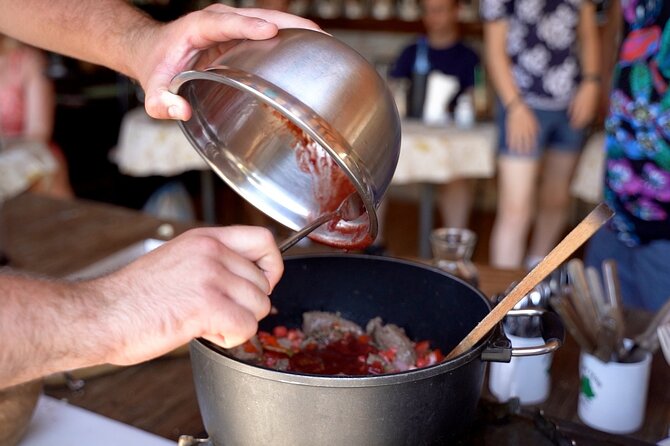
On Fridays, the morning has a clear anchor dish: Stiffado. It’s a slow-cooked beef and tomato casserole with baby onions and Greek herbs and spices. The reason this works so well in a class is simple: you get a sense of Greek comfort food without needing complex timing at home. Plus, it’s the kind of dish people build dinner parties around.
After Stiffado, the menu expands into appetizers and tastings. You’ll also prepare things like spinach and feta pie, learn how dolmades are made, and work with a spicy cheese dip and a basic Greek salad that people genuinely rave about because it’s so easy and so good.
Then comes the dessert, and it’s a smart one for beginners. You’ll make orange cake, described as a traditional Zakynthian syrup cake, and it’s a make-ahead style dessert. That’s practical for you, because it teaches timing and flavor-building, not only last-minute baking.
One of the quiet benefits of the Friday flow is that you’re tasting as you go: different products, plus local wines sampled during the session. If you want to understand what Greek ingredients taste like in the context of actual recipes, this structure does it.
Tuesday Greek classics: Mousaka, baklava rolls, saganaki, and tsatsiki
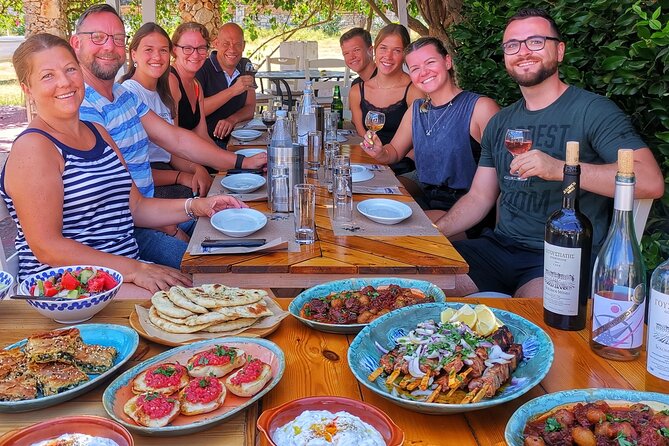
If you want the most recognizable Greek hits, choose Tuesday. The format stays the same, but the dishes shift to what the class calls the Greek classics.
On Tuesday, expect to cook:
- Mousaka
- Baklava rolls
- Saganaki
- Greek salad
- Tsatsiki
This day is a great fit if you’re building your home cooking plan around classic dishes you can actually name and recreate. Also, baklava rolls are where the class’s filo pastry training becomes very real. You’re not just told filo is delicate, you practice working with it and see how it behaves in a recipe.
Saganaki and tsatsiki add a nice balance too. You get a mix of hot and cold components, plus a mix of cooking styles, which makes your final lunch more varied and more satisfying.
Saturday vegetarian Zakynthian comfort food
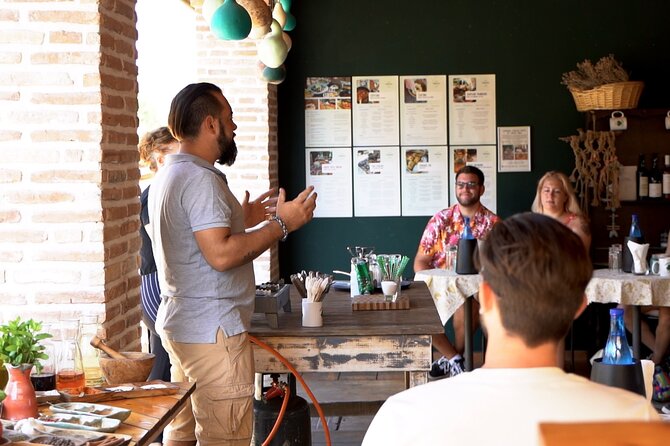
Saturday is the option if you want vegetarian without feeling like you’re eating a compromise. The menu is focused on Zakynthian comfort flavors, with dishes that lean into vegetables and baked or stuffed items.
The Saturday class includes:
- Stuffed tomatoes
- Courgette fritters
- Spicy baked cheese
- Kataifi
Kataifi is the kind of ingredient and technique that many visitors only hear about in passing, so it’s a strong choice if you want something more specific than generic Greek vegetarian. The stuffed tomatoes and fritters also give you concrete home-cooking tools, because you’ll learn methods that adapt well with pantry staples.
If you’re traveling with a picky eater or someone who does not want meat, Saturday is a simple way to keep everyone happy while still getting a full cooking-and-lunch experience.
Shorter Zakynthos bookings, half a day each
- Zakynthos: Half-Day Tour to Turtle Island and Keri Caves★ 4.2 · 640 reviews
Lunch under shade: tastings, wine, and eating what you made
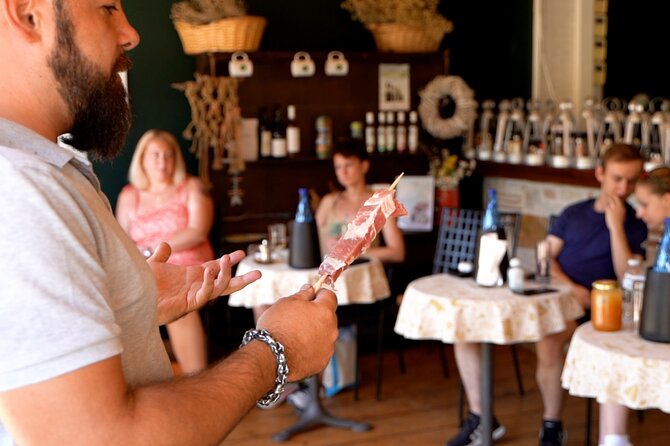
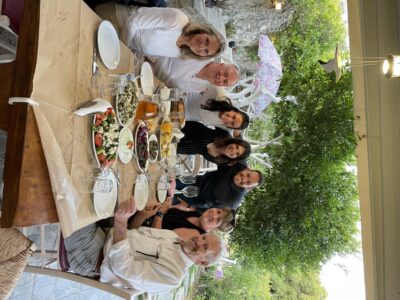
Lunch is not a rushed add-on here. It’s part of the teaching arc. By the time you sit down, you’ve already worked on multiple dishes, so the meal feels like a reward that you helped build.
You can also expect tastings woven throughout the morning. The class setup includes product tasting, and people mention trying local ingredients like olive oils and cheeses. There’s also wine sampling during the session, which pairs naturally with the food you’re making, especially if you like learning how ingredients connect on the plate.
Another very practical detail: you should leave with recipes you can cook again later. People describe receiving an email with the recipes after the class. That’s a big value point, because it turns your memory into a usable grocery list and step-by-step cooking guide.
Some people also mention leaving with extra food to take home, like doggie bags. Even if your class day varies, plan to enjoy lunch first, then consider whether you want leftovers for an easy next meal.
Skills you’ll actually use at home (especially filo)
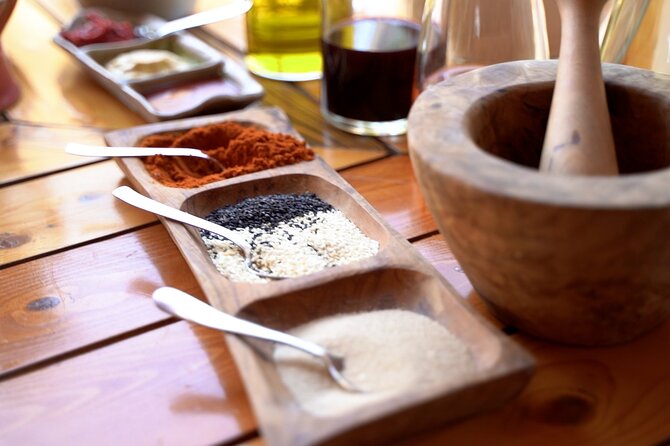
The biggest reason this class is worth it, beyond the food itself, is the technique focus. You learn the kind of skills that make Greek cooking easier when you try it later.
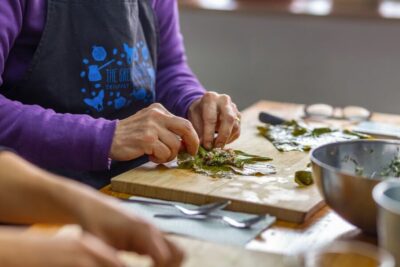
Filo pastry is the headline skill. The class highlights learning how to use filo pastry, and that fits perfectly with menu items like baklava rolls. Filo scares many beginners. In a hands-on class, you get correction early, plus a sense of how thin layers work when assembled properly.
You’ll also pick up smaller, high-impact know-how. Examples from what people talk about include tasting and comparing different olive oils and cheeses, and getting practical tips to improve ingredients at home. One person even mentions the idea of olive oil in a tin, which is the kind of detail that makes your pantry decisions better, not just your cooking plan.
Finally, you’re learning food culture through stories, not lectures. That matters because it helps you understand why recipes are built the way they are, and it makes the dishes feel connected to the island rather than generic Greek food.
Price and value for a 4-hour half-day with lunch
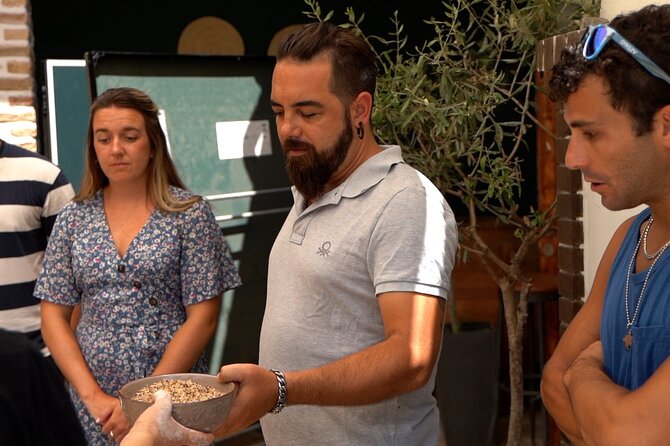
The price is $108.89 per person for about four hours, including lunch. At first glance, it’s not a bargain. But when you break down what you’re getting, it feels more reasonable.
You get:
- A small-group cooking class (max 12)
- Several hands-on recipes
- Lunch in a garden setting
- Tastings, including wine sampling
- Recipe take-home support by email
That bundle is where the value comes from. If you tried to recreate this on your own, you’d spend time finding ingredients, paying for course-by-course lessons, and figuring out techniques like filo. Here, you’re paying for guided practice and a guided meal in one morning.
Also, it is English-taught and comes with a mobile ticket, which keeps things simple if you’re juggling a vacation schedule. One more detail that affects value: many people book these classes ahead (on average about 36 days). That’s a sign the experience fills up, especially around popular travel weeks.
Should you book this Zakynthos cooking class?
If you want a half-day activity that’s more than sitting and looking, this is an easy yes. You’ll cook, taste, and learn, and the pace is designed so you don’t leave hungry or bored. It’s especially worth booking if you like classics like mousaka and tsatsiki, or if you’d like a vegetarian route that still feels like real Zakynthian comfort food.
Book it early in your trip if you want the recipes to shape what you eat and cook afterward. Choose your day based on what you want to bring home: Friday for Stiffado and the full appetizer spread, Tuesday for Greek classics and baklava rolls, or Saturday for vegetarian staples like stuffed tomatoes and kataifi.
The only real caution is practical: wear sunscreen and plan for some outdoor cooking time in the garden kitchen. If you can handle that, you’ll likely walk away with both recipes you can cook and stories that make Zakynthos feel closer.
FAQ
What time does the cooking class start?
The class starts at 10:30am and runs for about 4 hours, ending back at the meeting point.
Where does the class meet in Zakynthos?
You meet at Green Frog, Main Road Argassi, 29100 Zakynthos, Greece.
How many people are in the class?
The group size is limited to a maximum of 12 travelers.
What meals and drinks are included?
Lunch is included, and the class includes tastings such as wines sampled. On Fridays, the morning also starts with iced coffee and/or healthy mountain tea.
Which days does the class run, and does the menu change?
The class runs Tuesday, Friday, and Saturday, and the dishes differ by day, including different mains, sides, and desserts.
Does the class include filo pastry?
Yes. The class includes learning how to use filo pastry as part of the cooking experience.
Can the class accommodate allergies?
One participant reports that the hosts accommodated allergies with separate portions so they could taste everything.
What happens if the experience is canceled due to weather?
This experience requires good weather. If it is canceled due to poor weather, you will be offered a different date or a full refund.
Half a Zakynthos Day
Every Other Zakynthos Write-Up

Everything else we have written up around Zakynthos



Cretan & Greek Cooking Classes, side by side.
 ★ 5.0Athens: Classic Cooking Class with Market Visit and WineFrom $831,101 reviews
 ★ 4.9Athens: Food Market Visit and Cooking Class with WineFrom $811,087 reviews
 ★ 5.0Greek Cuisine Cooking Class in Santorini with Recipes and WineFrom $145969 reviews
 ★ 5.0Naxos: Half-Day Cooking Class at Basiliko Family TavernFrom $117887 reviews
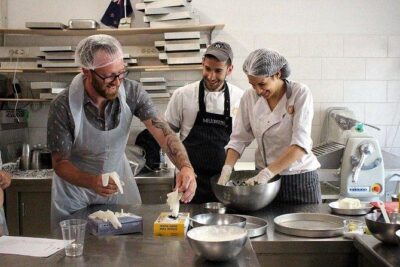 ★ 5.0Greek Cooking Class in Athens Including Rooftop Dinner with Acropolis ViewFrom $120826 reviews
 ★ 5.0Greek Small-Group Athens Cooking Class & DinnerFrom $118574 reviews
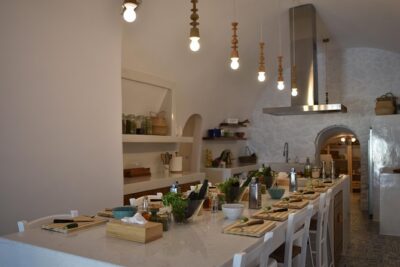 ★ 5.0Exclusive Cooking Experience in our Cave Home by Petra KouzinaFrom $266572 reviews
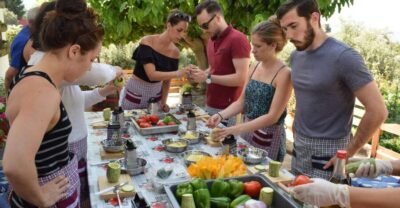 ★ 4.9Chania: Authentic Cooking Class in the White MountainsFrom $129529 reviews