
Review · MUSEUMS
Hellenic Motor Museum Entrance Ticket
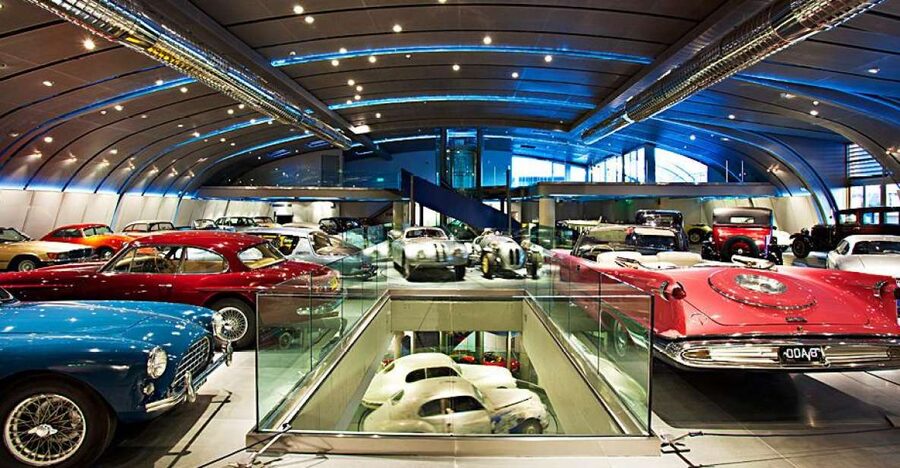
Cars tell stories in seconds. At the Hellenic Motor Museum in central Athens, you walk past 19th and 20th century cars and follow how the wheel shaped vehicles from ancient times onward.
I really like the way the collection is spread across three floors, with clear layout and lots of signage so you can read while you look. I also love that there’s an included English audio guide, which helps you connect the exhibits without needing a person to explain every detail.
One thing to consider: the museum is on the top floor of Capitol Mall, and the road signage isn’t super clear, so you may need a couple minutes to orient yourself. Once you’re inside, the rooms feel well set up for a relaxed visit.
In This Review
- Key highlights to focus on
- Finding the Hellenic Motor Museum in Capitol Mall
- Ticket value: 110+ vehicles for one day in Athens
- Three floors of cars, tools, and automotive evolution
- The spiral ramp: 300 B.C. to the late 20th century
- The old car workshop you can almost hear
- Cars from makers that no longer exist, plus fun surprises
- What the audio guide adds (and when you might skip it)
- Comfort and photo realities inside the exhibits
- Timing your visit: opening hours and last admission
- Who should buy this ticket
- The one drawback to plan around
- Should you book the Hellenic Motor Museum ticket?
- FAQ
- Where is the Hellenic Motor Museum and how do I meet it?
- How much time should I plan for this visit?
- What are the opening hours?
- What is included with the entrance ticket?
- Is there a wheelchair accessible route?
- Are food and drinks included?
Key highlights to focus on
- 110+ global car exhibits across 3 floors, including makers that no longer exist
- A spiral ramp route with 72 exhibits that span from 300 B.C. onward
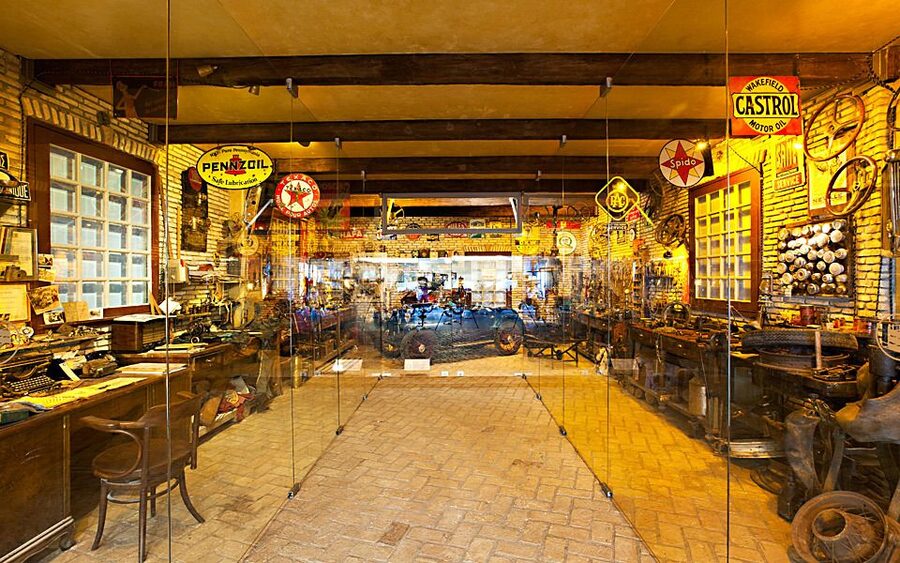
- A full old car workshop with details that make you feel like repairs were happening right now
- A rotating collection, so some cars and surprises can change over time
- Easy comfort perks, like air conditioning on hot days and bright display lighting
More Athens museums we have been round




Finding the Hellenic Motor Museum in Capitol Mall
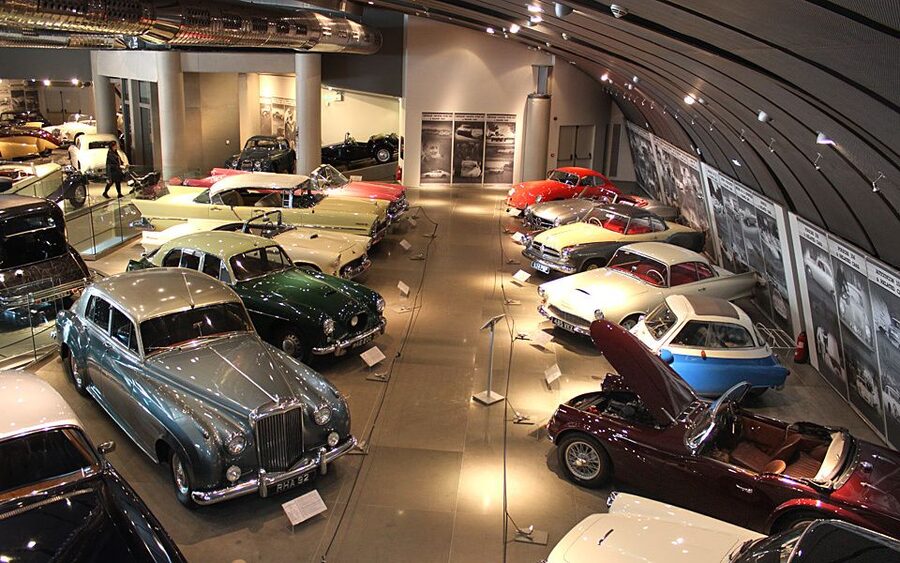
The Hellenic Motor Museum is inside Capitol Mall, in central Athens. The official meeting point is IOULIANOU 33 to 35 & C’SEPTEMVRIOU 74 to 78, Athens, which is handy when you’re plugging it into a map app.
Here’s the practical catch: the museum is on the top floor. Several people note it can be a little tricky at first because the building has other offices and you do not see it instantly from the street, and outside signage can be vague. My advice, get there a bit earlier than you think, and give yourself time to find the entrance before you start the clock.
Once you locate the right level, the museum experience is straightforward. You follow the internal flow upward through the main display areas, and the exhibits are grouped so you’re not zigzagging all over the place.
Ticket value: 110+ vehicles for one day in Athens
A one-day entrance ticket is listed at $14 per person. For that price, you’re paying for access to more than 110 unique exhibits, a rotating collection, and an included English audio guide, all without needing extra add-ons.
This is also a smart break from Athens heat and walking intensity. The museum layout keeps you moving at a comfortable pace, and people often use it as an hour or so of indoor air-conditioned time. Even if you only focus on the cars, you still come away with a sense of how automotive design changed over time, not just a random lineup of metal.
Food and beverages are not included, so plan to grab a drink elsewhere before or after your visit. If you’re visiting with kids or family, keep that in mind so you’re not caught trying to power through displays on an empty stomach.
Three floors of cars, tools, and automotive evolution
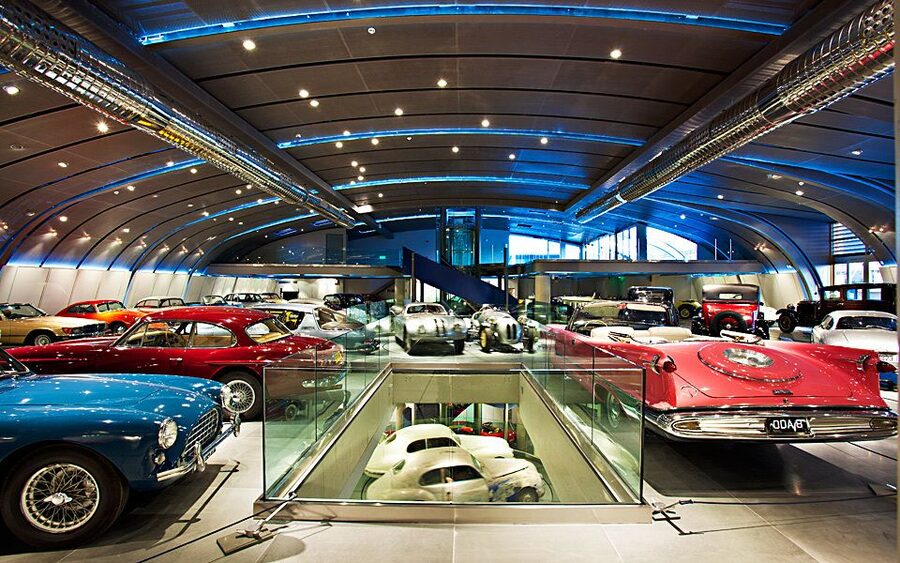
The museum takes up 3 floors and is part of the Theodore and Joanne Charagionis Foundation, created in 1977. That matters because the building is designed like a purposeful collection, not a storage room full of cars.
What you’ll notice first is the “read and look” balance. There are enough labels and context that you can understand why a car matters, even if you’re not a lifelong car expert. If you are a gearhead, you’ll still enjoy the visual details and the range of eras, but the museum works even if cars are just your side interest.
Also, the collection isn’t frozen in time. It’s described as rotating, meaning you may see different examples across visits. That keeps repeat visits interesting and helps the museum avoid becoming predictable.
The spiral ramp: 300 B.C. to the late 20th century
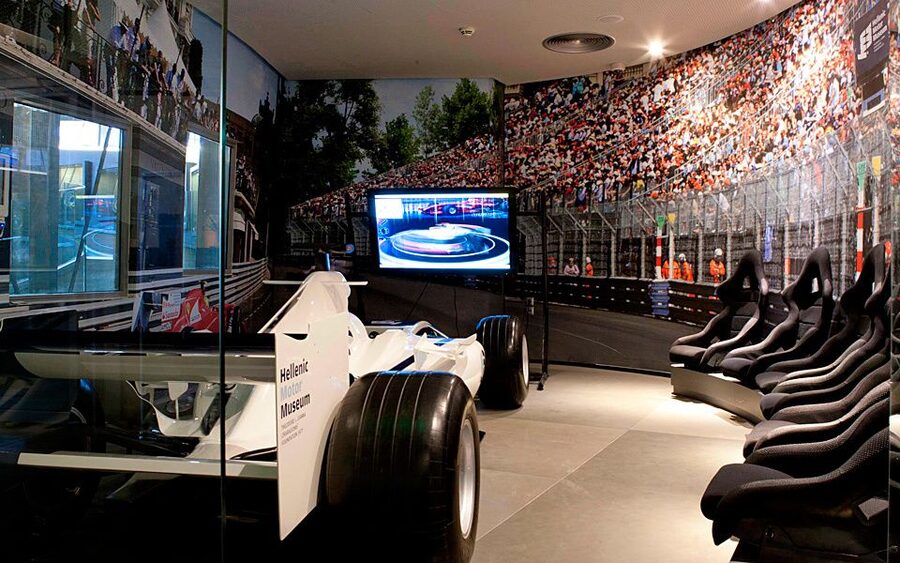
One of the best ways to understand the collection is by following the spiral ramp. As you ascend, you can admire 72 unique exhibits dating from 300 B.C. up to the end of the 20th century.
This part is not just about cars. It’s about how the technology behind motion evolved, and the wheel becomes the anchor idea. You see the long arc of design thinking, from early forms of wheels to later automotive engineering.
If you like museums where the story is built into the physical space, you’ll appreciate this. The upward movement gives the exhibits a natural rhythm: you go from earlier foundations to later breakthroughs without feeling like you’re jumping around randomly.
The old car workshop you can almost hear
A major highlight is the old car workshop. The museum lets you walk through an area with workshop features, which turns the visit from “spot the car” into “imagine the work.”
I like this section because it adds context. Cars are easier to appreciate when you also see the environment that kept them running, the tools, and the idea that maintenance was a hands-on job. It helps you understand why certain design choices mattered, especially as engines, components, and systems became more complex over time.
If you’re visiting with kids, this is often the moment where attention locks in. You get something a little more interactive and scene-like than a basic showroom.
Other Athens entries worth booking early
- Athens: Acropolis Ticket with Audio Guide★ 4.0 · 3,575 reviews
- Athens All Included: Acropolis and Museum Guided Tour with Ticket★ 4.5 · 2,673 reviews
- Athens: Acropolis Museum Ticket with optional Audio Guide★ 4.4 · 2,652 reviews
- Athens: Guided Tour of Acropolis & Parthenon with Tickets★ 4.7 · 2,049 reviews
Cars from makers that no longer exist, plus fun surprises
The museum focuses on the global automotive industry, with more than 110 unique examples. You’ll see cars from automobile makers that no longer exist, which makes the collection feel like a time machine.
Even if you care more about modern brands, these older and lesser-known names can be a great learning payoff. It’s one thing to recognize a logo, and another to understand that today’s familiar brands are only part of a much bigger story. The rotating nature of the collection can also bring in different highlights depending on the current display set.
There are also pop-culture style surprises in the mix. One example people mention is seeing Lightning McQueen and the Flintstones Mobile. You might not expect those kinds of recognizable references inside a serious museum collection, but they help make the experience friendlier for families and first-time visitors.
What the audio guide adds (and when you might skip it)
The audio guide is included and offered in English. In practice, audio works best when you do not try to read every label. You can use it like a guided overlay, then spend your eyes on details like body shape, signage, and the way different vehicles solved similar problems.
You may also find the audio helpful if you want to understand the evolution of ideas behind the scenes, not just the names and dates. The museum’s theme, the evolution of the automobile and the wheel, needs a bit of connecting tissue, and the audio provides that.
If you’re the type who likes quiet looking, you can still go at your own pace and treat the audio as optional. But if you’re traveling with someone who reads captions slowly, audio can keep your whole group synced.
Comfort and photo realities inside the exhibits
The museum is described as well maintained, bright, and air-conditioned. That’s a big deal in Athens, and it helps you enjoy the displays rather than rushing through them just to escape the heat.
At the same time, don’t expect wide-open space between every vehicle. Some people note that certain cars are best viewed from specific angles and that there can be limited space around some displays. If you’re a photographer, you’ll want to plan for quick repositioning and use your time efficiently, rather than trying to set up for a perfect shot at every stop.
Good lighting helps, though, and the overall layout is designed so you can still see the cars clearly while reading enough to connect the story.
Timing your visit: opening hours and last admission
The museum’s opening hours are:
- Monday to Friday: 10:00 to 17:00
- Saturday to Sunday: 11:00 to 18:00
Last admission is 30 minutes before closing. That means if you arrive late, you could lose the chance to fully experience the upper floors and the spiral ramp route.
For a smooth visit, aim to get in with at least an hour or two left before closing, especially if you want to read signage and not just scan. If your goal is only to catch the workshop area and main cars, you can likely keep it shorter, but giving yourself buffer time will make the visit feel less rushed.
Who should buy this ticket
This is a great fit if any of these describe you:
- You love cars and want a compact museum experience in central Athens
- You like technology stories, especially how the wheel connects centuries of design
- You’re traveling with family, because the workshop setting and recognizable references can hold attention
- You want an indoor activity that feels different from the usual museum routine
Car lovers will appreciate the variety, including classic models and exhibits from companies that no longer exist. Casual visitors will likely enjoy the readable layout and the fact that you can pace yourself without needing expert knowledge.
The one drawback to plan around
The main downside is access and wayfinding. Because the museum is on the top floor inside Capitol Mall, you might spend more time locating it than you expect, especially if you are relying on street-level signs.
If you hate wasting time in complex buildings, arrive with a little patience. Once you find it, the visit itself is highly structured and easy to navigate.
Should you book the Hellenic Motor Museum ticket?
Yes, I’d book it if you want a worthwhile, indoor Athens stop that blends car spotting with a clear technology story. For $14, the combination of 3 floors, more than 110 exhibits, and an included English audio guide makes it a strong value choice, especially on a hot day.
Skip it only if cars and machinery history genuinely leave you cold. If you’re not interested in vehicles or how design evolved, the workshop and wheel-focused story may feel like too much “tech talk” and not enough broad art or culture.
If you are even mildly curious about cars, or you’re traveling with someone who is, this is the kind of museum that can turn a rainy hour or a midday break into a memorable one.
FAQ
Where is the Hellenic Motor Museum and how do I meet it?
The meeting point is IOULIANOU 33 to 35 & C’SEPTEMVRIOU 74 to 78, Athens. The museum is located in Capitol Mall in central Athens.
How much time should I plan for this visit?
The ticket is valid for one day, and it’s designed as a museum visit you can complete in a shorter indoor session. Plan around the amount of time you want to spend reading the exhibits and using the audio guide.
What are the opening hours?
Monday to Friday are 10:00 to 17:00. Saturday to Sunday are 11:00 to 18:00. Last admission is 30 minutes before closing time.
What is included with the entrance ticket?
Your ticket includes entrance to the museum and an audio guide in English.
Is there a wheelchair accessible route?
Yes, the museum is wheelchair accessible.
Are food and drinks included?
No, food and beverages are not included with the ticket.
Entries to Book in Athens





Museums Around Athens
Every Other Athens Write-Up
- All Day Cruise -3 Islands to Agistri,Moni, Aegina with lunch and drinks included
★ 5.0 · 4,958 reviews





Everything else we have written up around Athens







Museums, side by side.
 ★ 4.8Athens: Acropolis, Parthenon & Acropolis Museum Guided TourFrom $409,316 reviews
 ★ 4.6Athens: Mythology of Delphi, Museum and Arachova Guided TourFrom $314,008 reviews
★ 4.8Athens: Acropolis, Parthenon & Acropolis Museum Guided TourFrom $413,579 reviews
★ 4.6Athens: Mythology of Delphi, Museum and Arachova Guided TourFrom $314,008 reviews
★ 4.8Athens: Acropolis, Parthenon & Acropolis Museum Guided TourFrom $413,579 reviews
 ★ 5.0Acropolis monuments & Parthenon Walking Tour with Optional Acropolis MuseumFrom $422,678 reviews
 ★ 4.5Athens All Included: Acropolis and Museum Guided Tour with TicketFrom $1652,673 reviews
 ★ 4.4Athens: Acropolis Museum Ticket with optional Audio GuideFrom $302,652 reviews
 ★ 4.8From Athens: Small-Group Delphi, Museum & Arachova Day TripFrom $342,476 reviews
 ★ 4.1Parthenon & Acropolis Museum with Audio or Live Tour OptionFrom $702,446 reviews
Sits on these lists