
Review · AGIOS NIKOLAOS & SPINALONGA
Lasithi –Plateau Traditional Vilages
Windmills and Zeus myths in one day. I like how this trip stays small-group (max 10) and you travel in an air-conditioned vehicle, so you start the mountain day with energy. I also love that lunch is built in, a real local meal that keeps you going between village stops.
Just keep one thing in mind: you’ll likely face some uphill walking and hot sun, and the biggest paid sights have extra costs, since sightseeing entrance fees are not included.
In This Review
- Key highlights
- Lasithi Plateau Traditional Villages: why this route feels so different
- Price and logistics you should actually care about
- The easy rhythm of the 6-hour loop from Agios Nikolaos
- Stop 1: Kritsa village, legends gorges, and old monuments
- Stop 2: Katharo Plateau at 1,250m and the dwarf hippo fossil story
- Stop 3: Lasithi windmills, 10,000 machines, and the Zeus cave area at Psychro
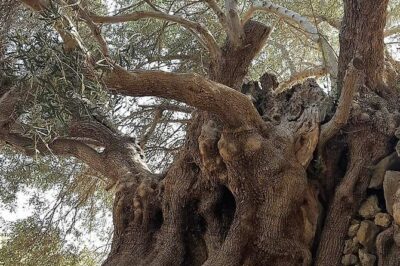
- Stop 4: Krasi village and the 2,400-year plane tree tied to Kazantzakis
- Lunch, water, and the heat management that keeps the day fun
- What stands out most: personalized guiding and a day that feels tailored
- Trade-offs and who might feel uncomfortable
- Should you book Lasithi Plateau Traditional Villages?
- FAQ
- How long is the Lasithi Plateau Traditional Villages tour?
- Where does the tour start?
- Is pickup included?
- What’s included in the price?
- Are entrance fees included for the stops?
- What group size is this tour?
- When does the tour run?
Key highlights
- Max 10 people means more personal attention and easier conversation with your driver-guide
- Air-conditioned transport makes the mountain day far less tiring
- Lunch and bottled water included so you can focus on the views and stories
- Kritsa, Katharo Plateau, Lasithi windmills, and Krasi in one smooth loop
- Diktaio Cave area visit at Psychro ties the Zeus myth to real geography
Other trips to Spinalonga and the gulf


Lasithi Plateau Traditional Villages: why this route feels so different
If you picture Crete as beaches plus one or two archaeological sites, this tour nudges you somewhere else. You move off the coast and into the Lasithi Plateau area, where villages sit under slopes, gorges shape the routes, and stories feel tied to the ground you’re standing on. The big draw is that you get multiple “layers” of the island in one day: legend and faith, Ottoman-era tales, and the very physical history of how people worked this high plateau.
What I find especially appealing is that it is not just drive-by sightseeing. You pause in Kritsa, step onto Katharo Plateau, then tackle the windmills story on Lasithi Plateau before ending with a famous centuries-old plane tree in Krasi. Even the way the stops are timed makes sense for a half day: each place gets enough time to take photos and absorb what the area is known for, without rushing you off the moment you’re ready.
This also works as a cultural nature day. The geology and altitude are not background decoration. They shape everything from how towns developed to why certain myths became attached to certain spots.
Price and logistics you should actually care about
At $106.65 per person for about 6 hours, the price is mostly paying for two things: a guided, multi-stop route and easy transport up into the plateau zone. With lunch and bottled water included, you avoid the annoying add-ons that can creep into a day trip. The air-conditioned vehicle is not just a comfort perk either, because Lasithi Plateau days can come with strong sun and steep stretches.
There are a few practical points to plan around:
- Pickup is offered, and the activity runs in the 9:00 AM to 10:00 AM window on Wednesdays.
- Your ticket is mobile, which makes check-in simple.
- The group maximum is 10 travelers, so it’s small enough to feel personal.
One caution worth flagging: sightseeing entrance fees are not included. That means paid stops, such as the cave area at Psychro, may cost extra on top of the tour price. If you budget with that in mind, there are no surprises.
The easy rhythm of the 6-hour loop from Agios Nikolaos
The day is designed as a sequence of short-to-medium stops rather than one long hike. You start with Kritsa, then move to Katharo Plateau, then Lasithi Plateau windmills and the Zeus cave area connection, and finally a quick photo stop in Krasi.
Here’s what that flow means for you. First, you get village time early in the day (Kritsa is a full hour). Second, you’re not stuck with the toughest part for last; the steepest-feeling moment tends to come during the Zeus cave area visit at Psychro, but you’re also given time to manage it. Third, you end with Krasi, a shorter 30-minute stop that’s perfect when you’re already warm and sun-drained.
The route is also altitude-aware on paper. Katharo Plateau sits around 1,250m, Lasithi Plateau around 1,150m, and Psychro around 840m. In practice, that can mean a slightly cooler feel higher up, then a warmer return downhill toward sea-level areas. Either way, pack for heat.
Stop 1: Kritsa village, legends gorges, and old monuments
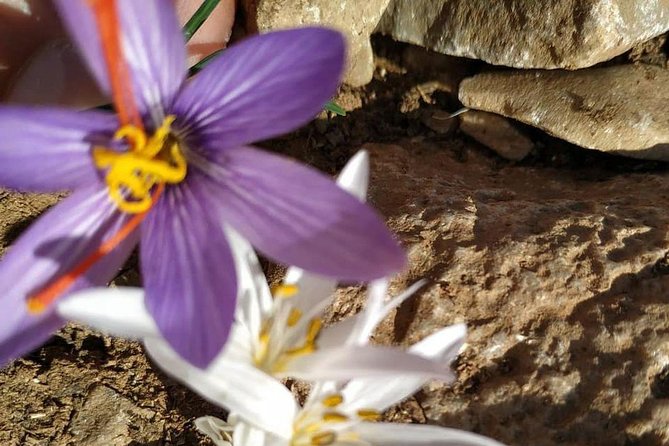
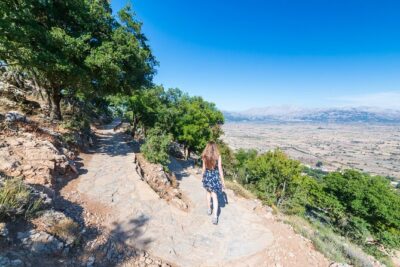
Kritsa is your first proper taste of Cretan village life. You’re there for about an hour, which is enough time to walk a bit, take photos, and connect the geography to the stories tied to it. This village is described as historic, with legends and gorges in the surrounding area, plus archaeological and religious monuments.
Why this stop matters is that it sets the tone. Before you get into plateau myths and windmills, you see a living village that people still associate with older traditions. Even if you only catch pieces of the explanation, the setting helps the rest of the day click into place.
Practical tip: wear shoes you’re comfortable in on uneven ground. Kritsa is the kind of place where you may not notice the footing until you’re stepping off a curb or crossing a rough patch for a better photo angle. Nothing extreme, but it’s village terrain.
Stop 2: Katharo Plateau at 1,250m and the dwarf hippo fossil story
Katharo Plateau is where the day turns from village life toward natural history. At around 1,250m, it’s famous for fossils linked to the Crete dwarf hippopotamus. You’ll also hear that the plateau’s stories and legends stretch back to the Ottoman era.
This is a smart balance in the itinerary. Kritsa covers human history and religious monuments. Katharo Plateau adds the kind of natural timeline that makes you rethink scale. Fossils are not just trivia. They hint that Crete’s environment has shifted over long stretches of time, which is a theme you’ll feel again when you look at the plateau’s windmill history later.
Expect views and walking that’s more about standing, looking, and absorbing than about tackling a major trail. You get about an hour, which is a good match for this kind of stop, especially if you’re trying to beat midday heat.
- Zeus Cave, Lassithi Plateau, Olive Oil Factory, Kritza, Pottery★ 5.0 · 362 reviews
- Sarakina Gorge, Kritza, Oliveoil Tasting, Mountains, South Coast★ 5.0 · 92 reviews
- Jeep Driving Tour to Thripti Mountains and typical villages★ 4.9 · 84 reviews
- Richtis Waterfall, History, Azoria, OliveTasting, NorthCoast★ 5.0 · 83 reviews
Stop 3: Lasithi windmills, 10,000 machines, and the Zeus cave area at Psychro
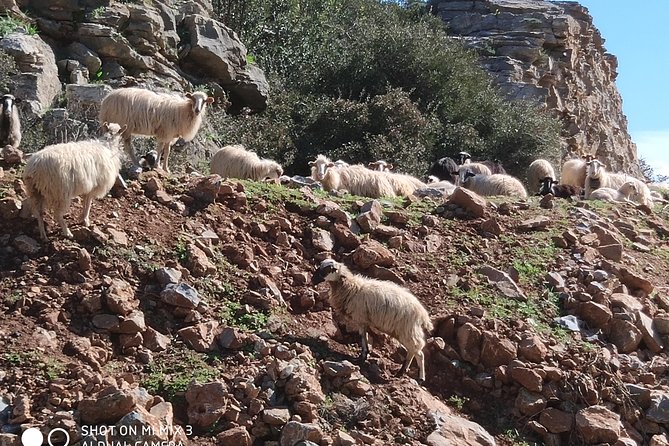
Lasithi Plateau is the headline. You’ll spend about two hours here, and the story is big: historically, there were more than 10,000 traditional windmills operating on the plateau. It’s also said that the plateau was one of the earliest wind farm areas in Europe, especially during the 1950s and 1960s.
That windmill detail is more than a fun fact. It explains how people survived in a high, demanding environment. Wind power mattered because you could harness it without burning fuel. So when you picture those windmills, you’re really picturing an entire system for water and agriculture. This is where the plateau stops feel connected to daily life, not just photo ops.
Then you connect to the myth. The Diktaio Cave, described as the birthplace of Zeus, is located in the village of Psychro (around 840m). This is the part of the day that can involve more effort, depending on how you choose to handle the climb and time in the area.
A couple of real-world tips based on what you should expect:
- Cave and uphill moments can be tough in strong heat. Plan on taking your time.
- If you choose donkey transport for a steep stretch, think about comfort and safety. Some visitors feel strongly about how these rides are handled and who should use them, so go in with a clear sense of what you’re comfortable supporting.
If you’re chasing the Zeus connection, this stop is the one to prioritize. Keep your camera ready, but also take a few minutes to look around before you rush into the cave area. The point is the setting.
Stop 4: Krasi village and the 2,400-year plane tree tied to Kazantzakis
After the plateau segment, you descend and get a shorter stop in Krasi. You’ll have about 30 minutes here, mainly for photos and a quick story.
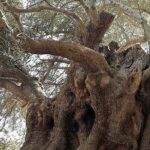
The star is a plane tree associated with the famous Cretan writer Nikos Kazantzakis, described as his favorite. The tree’s perimeter is said to be about 24 meters and it’s estimated at around 2,400 years old. There’s also an old saying attached to the tree, that each measure of its perimeter corresponds to 100 years of age.
This is one of those stops that feels almost mythic in the way locals use time. It’s not a museum object. It’s a living, enormous tree. Even if you don’t remember every detail, the image sticks: a huge plane tree that looks like it has outlasted every political shift and every generation of village life.
Photo tip: try to shoot the tree from angles that show scale, not just the trunk. If it’s very sunny, switch your camera to shade mode or adjust exposure so the branches do not blow out.
Lunch, water, and the heat management that keeps the day fun
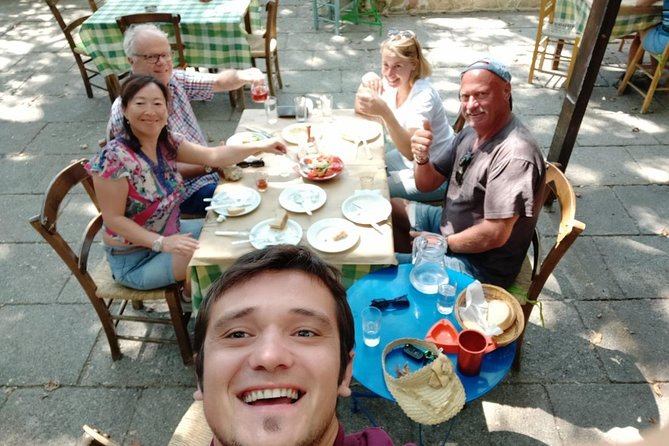
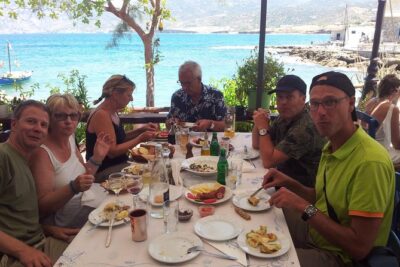
The tour includes lunch and bottled water, which is a big quality-of-day factor. Without that, plateau tours often become a scramble for food, and you end up too hot and tired to enjoy the story stops.
What I suggest you do with the lunch break and water:
- Eat before you feel hungry, not after you feel cranky.
- Use the included water early, not only during the cave area.
- Protect yourself from sun. Hat, sunglasses, and sunscreen are practical here.
In the steep, sun-heavy moments, pace matters more than speed. If you’re trying to make it to every viewpoint quickly, you’ll likely feel worse, not better. The cave area visit can be a lot, and if you take your time, you’ll enjoy it more.
Also, since you’re moving across villages and different altitude zones, your body temperature can swing. Lightweight layers are useful if you end up feeling cooler in the higher area, then warmer as you head back.
What stands out most: personalized guiding and a day that feels tailored
The small group size is a major plus. When you’re with up to 10 people, you’re not just a number in a van. The guide can explain more clearly, keep track of questions, and adjust the pace to the group in front of them.
The guiding style also seems to be a key part of the experience. In at least one case, the host and driver named Nikos was specifically praised as an amazing guide. That kind of attention matters when the day includes both myth storytelling and practical movement up and down the plateau.
One balanced note, though: not every day trip runs with perfect fluidity for every guest. If you’re the type who really dislikes crowding or wants very detailed explanations before every transfer, you should go in mentally prepared. On vehicle days, seating can feel tight, and regrouping moments can be brief. Your best defense is simple: listen carefully at each handoff and ask for clarification right away instead of waiting until you’re already walking away.
Trade-offs and who might feel uncomfortable
This tour is built for most people, but it is not a flat sightseeing stroll. You should assume some uphill effort, especially around the cave area connection at Psychro. Even if the walking is manageable, the combination of heat, sun, and altitude can be demanding.
Another consideration is that entrance fees are not included. If you hate surprise costs, plan ahead by budgeting for at least the cave-related fee.
Finally, the donkey option, if available during the steep sections, is something to think through. Some visitors appreciate having a way to reduce the climb. Others worry about how animals are treated when adult weight is involved. If you are morally uncomfortable with that, walking may be the better choice for you.
Should you book Lasithi Plateau Traditional Villages?
I’d book this tour if you want a culture plus nature day that actually connects stories to place. It’s a strong fit for travelers who like village atmosphere, want the windmills history, and are curious about the Zeus myth tied to the Diktaio Cave area. The included lunch and bottled water also make it good value for a 6-hour day.
I’d hesitate if you are very sensitive to heat, dislike any uphill walking, or want all entrance fees fully covered in the price. Also, if you hate unclear regrouping or you’re uncomfortable with tight vehicle seating, you may want to approach this with extra attention during the transfers.
If you’re the flexible type, though, this is a satisfying way to spend time away from the coast and into a corner of Crete where myths, agriculture, and village memory all overlap.
FAQ
How long is the Lasithi Plateau Traditional Villages tour?
The tour lasts about 6 hours.
Where does the tour start?
It’s located in the Agios Nikolaos, Greece area.
Is pickup included?
Yes, pickup is offered.
What’s included in the price?
The tour includes an air-conditioned vehicle, lunch, and bottled water.
Are entrance fees included for the stops?
No. Sightseeing entrance fees are not included.
What group size is this tour?
The maximum group size is 10 travelers.
When does the tour run?
It runs on Wednesdays, with the activity time listed as 9:00 AM to 10:00 AM during the overall operating dates provided.
Every Other Agios Nikolaos Write-Up

Spinalonga and the Gulf
Everything else we have written up around Agios Nikolaos



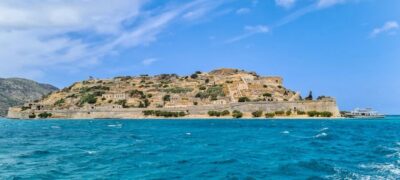
Agios Nikolaos & Spinalonga, side by side.
 ★ 4.6Crete: Day Trip to Agios Nikolaos and Spinalonga IslandFrom $444,416 reviews
 ★ 4.0From Ierapetra: Cruise to Chrissi Island with SwimmingFrom $471,040 reviews
 ★ 4.8Crete: Lasithi Plateau and Cave of Zeus Off-Road Safari TourFrom $104886 reviews
 ★ 4.2From Ag. Nikolaos: Spinalonga & Kolokytha Cruise with LunchFrom $35735 reviews
 ★ 4.1Agios Nikolaos: Semi-Submarine CruiseFrom $18670 reviews
 ★ 4.3Heraklion: Spinalonga and Agios Nikolaos Cruise with LunchFrom $58432 reviews
 ★ 4.4Crete: Road-trip to Lasithi Plateau & Olive Mill FarmFrom $39420 reviews
 ★ 4.5Crete: Agios Nikolaos, Plaka and Spinalonga Island TourFrom $35402 reviews
Sits on these lists