
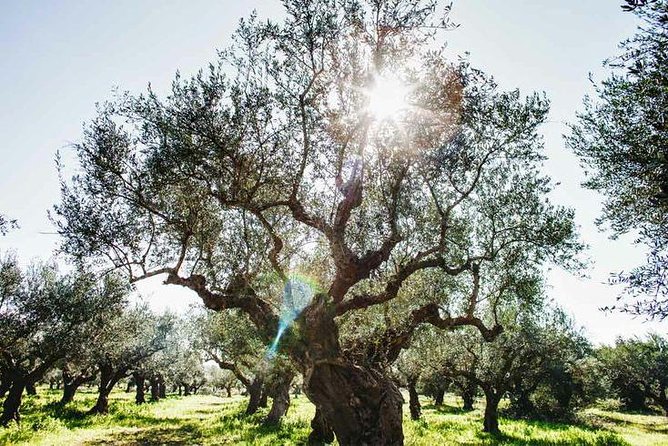
Review · FOOD & DRINK
Olive Tour & Tasting
Olive oil comes from more than a bottle. This Ben Olive Mill visit mixes a real olive mill tour with a guided olive oil tasting, plus classic Greek snacks that make the whole thing taste like Greece. I also love how the hosts, Pavlos and Olga, explain the Kalamata olive world in a way that stays practical, not just lecture-y. The main drawback to plan around is that there is no alcohol included, so if you want a wine-style drinking experience, this is a food and oil focus instead.
I think it is a smart choice if you want hands-on food education in a short window. It is private, so you are not stuck watching a group and hoping the guide’s attention lands on you. You will finish back where you started, with the option to buy local products and handmade souvenirs.
The tour runs about 90 minutes, starting at 11:00 am at Ben Olive Mill in Oichalia, Parapougki, 240 08.
In This Review
- Quick hits before you go
- Where Ben Olive Mill fits in the Peloponnese
- What the 90-minute schedule really feels like
- Entering the traditional factory building at Ben Olive Mill
- The guided olive oil tasting, and how to get more from it
- Greek snacks and the traditional starter that turns into lunch
- The waterfall and spring water stop you did not expect
- Souvenirs, local products, and what to look for
- Price and value: is $63.67 a good deal?
- Who this olive tour suits best
- A few practical notes so your day runs smoothly
- Should you book the Ben Olive Mill Olive Tour & Tasting?
- FAQ
- Where is the tour meeting point?
- What time does the experience start?
- How long is the Olive Tour & Tasting?
- What is included in the price?
- Are alcoholic beverages included?
- Is this a private tour?
- What happens if the weather is bad?
- What is the cancellation policy?
Quick hits before you go
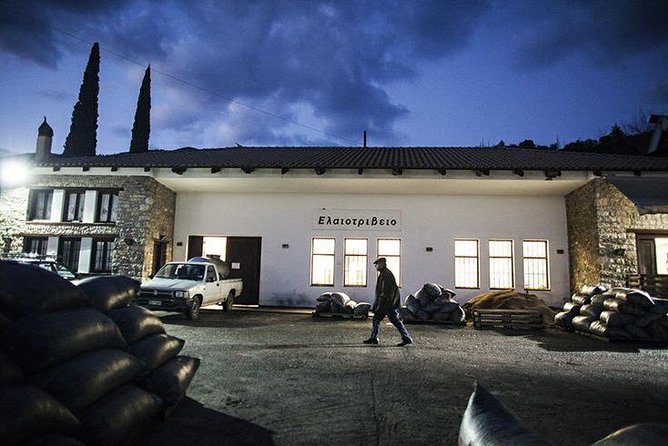
- Ben Olive Mill inside a traditional factory building: you see how the olives are processed, not just the end product.
- A guided, comparison-style tasting: you taste and learn how different oils vary.
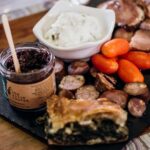
- Greek snacks as the lesson soundtrack: Kalamata olives, local cheese, bread with olive oil and herbs, figs, and more.
- A nature bonus after the tour: you visit a waterfall and taste fresh water from the springs.
- You leave with buying options: local products and handmade souvenirs are available for purchasing.
- It runs as a private experience: only your group participates.
More Peloponnese eating and drinking on the list

Where Ben Olive Mill fits in the Peloponnese
If you are using the Peloponnese to build a food trip, this kind of tour is exactly the right move. Olive oil is not a side character here. It is part of daily meals, local pride, and the long routine of farming and processing.
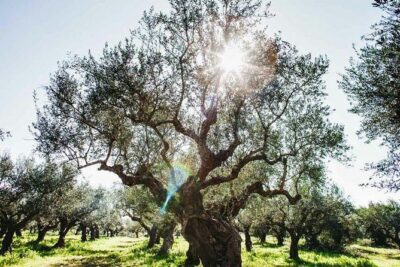
Ben Olive Mill sits in the Oichalia area of the Peloponnese (meeting point address: Parapougki 240 08). That matters because you get out of the usual tourist loop and into the working rhythm behind Kalamata olives and olive oil production. The hosts also talk through the wider region as you move around, including the road trip kind of context toward Kalamata, Olympia, and ancient Messini, so it feels connected instead of random.
What the 90-minute schedule really feels like
This is a compact tour by design, about 1 hour 30 minutes. That time window is good value if you want something meaningful without carving out half a day.
You start at Ben Olive Mill at 11:00 am and the experience stays centered on the mill itself. The plan is:
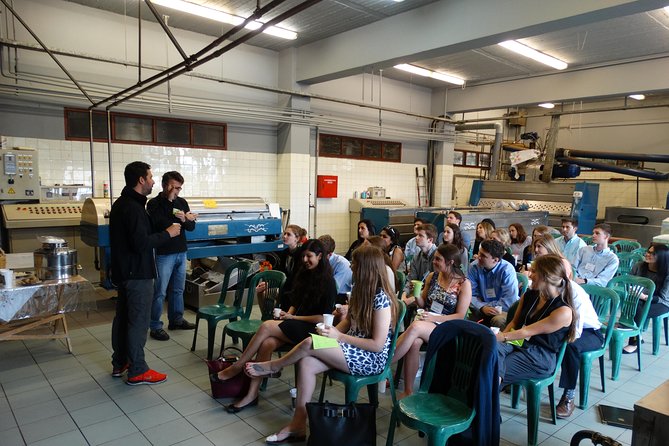
- You get a farm and olive mill tour, with time inside the traditional factory building.
- You get guided olive oil tastings, including a fun lesson approach (they explain the how and why as you taste).
- You eat classic local snacks and a traditional lunch-style starter.
- After the main mill portion, you visit a nearby waterfall and taste fresh water from the springs.
- Then you head back to the meeting point.
Because the tour returns to where it starts, it is easy to plug into your day. It is also the kind of stop that works even if the rest of your itinerary is museums or driving, because the focus is sensory and hands-on.
Entering the traditional factory building at Ben Olive Mill
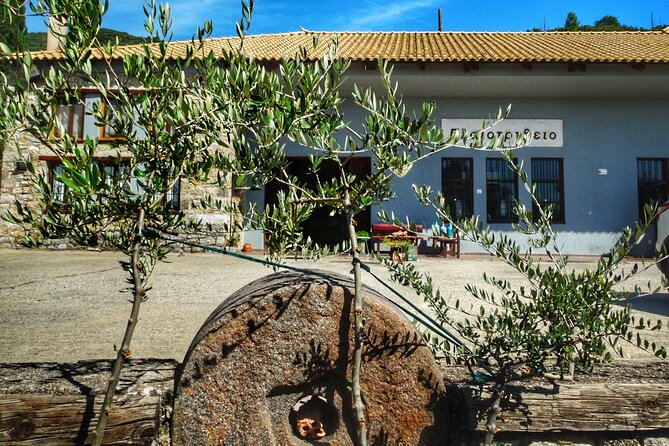
The heart of the experience is the mill tour inside the traditional factory building at Ben Olive Mill. This is not just walking past equipment. You get guided time inside, with the hosts showing you the process behind olive oil production.
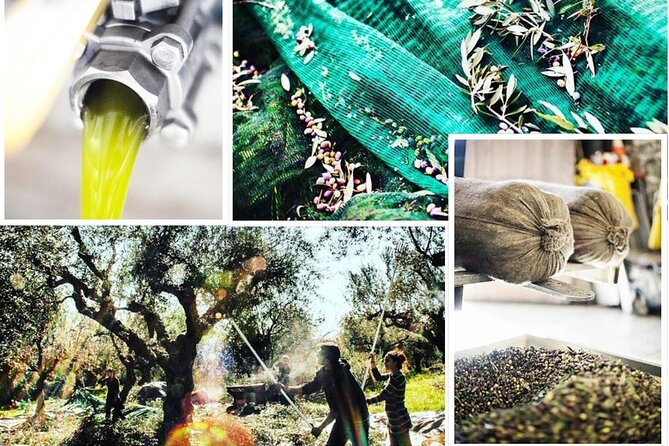
From a practical traveler perspective, this is the part that makes the tasting meaningful. When you understand how olives are cultivated, harvested, and processed (at least at the level they explain on the tour), tasting different oils stops being a guessing game. It becomes a story you can taste.
You also get context on what makes the Kalamata region and its olives special. You are not just hearing facts. You are getting the logic, like how the oil’s qualities connect to handling, storage, and production choices.
The guided olive oil tasting, and how to get more from it
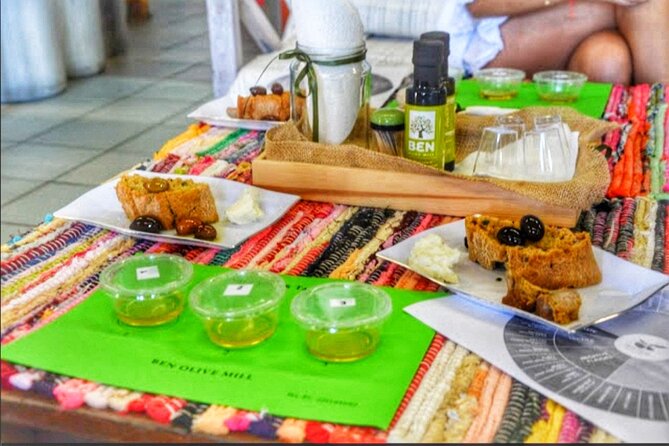
The olive oil tasting is one of the best reasons to book this. The tour includes an olive and oil tasting lesson, and the key word here is comparison.
Here is how I would approach it if I were doing it fresh:
- Taste slowly, so you can notice differences instead of chasing one flavor.
- Pay attention to any guidance about how oil changes with storage and time. This is exactly the kind of detail that helps you at home, when you buy bottles later.
- Don’t treat it like a test. Treat it like learning how to describe flavor.
The tasting is paired with snacks, so your palate has support. That matters because olive oil can be intense on an empty stomach, and you will get a more enjoyable experience with bread, olives, herbs, and cheese in the mix.
If you care about what makes Kalamata oil stand out, you will like that the hosts keep it connected to the region and the actual product you are tasting, including what they call PDO Kalamata oil in at least one review. Even if you are not deep into labels, the tasting helps you understand the difference you can actually taste.
Greek snacks and the traditional starter that turns into lunch
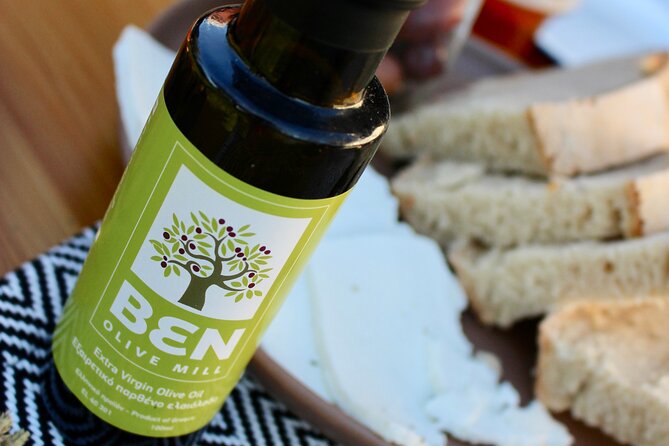
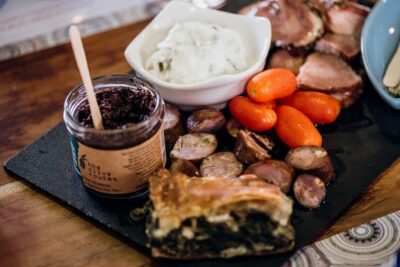
Food is not an afterthought here. The tour includes local traditional snacks during the experience and a starter that functions like a local lunch component.
The kinds of foods listed include:
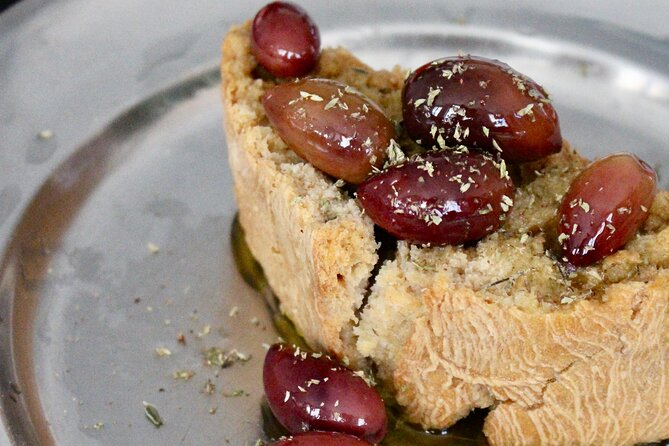
- Traditional bread with olive oil and herbs from their farm
- Kalamata olives
- Local cheese
- Smoked pork
- Extra snacks such as figs, oregano, homemade bread, and olives
From a value standpoint, this pairing is strong. A lot of tours give you a cookie and call it a day. This one builds a real tasting table around olive oil, so you are not paying just for admission to the mill. You are paying for an edible explanation of how olives and olive oil fit into everyday Greek eating.
One practical tip: if you are sensitive to rich foods, pace yourself. Olive oil, cheese, and cured items can add up fast. The good news is that bottled water is included, so you can stay comfortable.
- Ancient Olympia: Archaeological Site and Museum Entry Ticket★ 4.3 · 555 reviews
- Kalamata- Olive oil & Wine Tour with traditional lunch★ 5.0 · 117 reviews
- Canyoning and Zipline in Polylimnio Waterfalls★ 5.0 · 39 reviews
The waterfall and spring water stop you did not expect
After the mill portion, the experience includes a visit to a waterfall and a taste of fresh water from local springs. This is a nice change of pace because it breaks the experience into two modes: the working production education, then a short nature reset.
This stop also makes the tour feel like it belongs to the Peloponnese, not like you are simply in a tasting room. It is the “walk, look, taste” kind of moment that helps the olive lesson stick, because it ties the product back to the place.
Souvenirs, local products, and what to look for
There is time for purchasing local products and handmade souvenirs. I like this approach because it lets you decide after you taste and understand what you are buying. Instead of shopping first and learning second, you get the reverse.
If you are buying oil, keep one idea in mind: ask questions about storage. The hosts cover storage basics during the tasting lesson, and that same advice will help you take care of what you bring home.
Even if you do not buy olive oil, the handmade souvenirs are a solid way to translate a food-based experience into something you can take back.
Price and value: is $63.67 a good deal?
At $63.67 per person, this is not the cheapest thing you can do in the Peloponnese. But it is also not pretending to be a bargain.
Here is what you are actually paying for:
- A guided mill tour inside a traditional factory building
- An olive oil tasting lesson with comparisons
- A meal-style starter and local snacks (bread, olives, cheese, smoked pork, figs, oregano, and olive oil)
- Bottled water and free Wi‑Fi
- Time outside at a waterfall and spring water tasting
- A private setup where only your group participates
When you line those up, the price starts to make sense. You are getting food value plus education plus a nature break. If you would otherwise spend money on a meal and a separate activity, this often works out as a smarter package.
The other plus is time efficiency. At about 90 minutes, you are not burning a whole day to get a small taste of the region’s food culture.
Who this olive tour suits best
This is best for you if:
- You want a food-first way to understand Greek culture
- You like learning by doing, especially with tastings
- You are interested in Kalamata olives and olive oil production
- You prefer a private, guided experience over big bus tours
It can also work well for families, mainly because the experience includes snacks and tastings that hold kids’ attention better than a pure lecture. Still, since it is focused on tasting and discussion, I would assume it leans more adult-friendly than a playground-style activity. The good news is that the food component does the heavy lifting.
If you are the type who wants a quiet, slow, restaurant-style meal, you might find the timing a little fast. This tour is structured and efficient, not a long dining experience.
A few practical notes so your day runs smoothly
This experience requires good weather. If weather is poor, the tour may be rescheduled or refunded. Also, alcoholic beverages are not included, though bottled water is.
You will get a mobile ticket, and confirmation is received at booking. The “most travelers can participate” note suggests it is broadly approachable for different visitors, but the tour is still an organized activity, so comfortable walking and standing time will help.
Should you book the Ben Olive Mill Olive Tour & Tasting?
I would book it if you want a compact, high-impact olive oil experience in the Peloponnese that includes real food, a guided mill tour, and a tasting lesson built around comparisons. The strongest reasons are simple: you learn how olive oil is made, you taste the differences, and the snacks keep it fun instead of stiff.
Skip it if your ideal day is a longer, alcohol-based tasting tour or if you want a lot of downtime. This one is structured, focused, and best when you come hungry and curious.
FAQ
Where is the tour meeting point?
The tour starts at Ben Olive Mill, Oichalia, Parapougki 240 08, Greece. The activity ends back at the same meeting point.
What time does the experience start?
The start time listed is 11:00 am.
How long is the Olive Tour & Tasting?
The duration is approximately 1 hour 30 minutes.
What is included in the price?
The experience includes the olive mill tour admission, local snacks (including traditional items such as olives, bread with olive oil and herbs, cheese, smoked pork, figs, and oregano), an olive and oil tasting lesson, Wi‑Fi, and bottled water.
Are alcoholic beverages included?
No. Alcoholic beverages are not included.
Is this a private tour?
Yes. It is private, so only your group will participate.
What happens if the weather is bad?
This experience requires good weather. If it is canceled due to poor weather, you will be offered a different date or a full refund.
What is the cancellation policy?
You can cancel for a full refund up to 24 hours in advance of the experience’s start time. If you cancel less than 24 hours before the start, the amount paid will not be refunded.
What to Eat and Drink Around Peloponnese
The Rest of Peloponnese
Every Other Peloponnese Write-Up

Everything else we have written up around Peloponnese

Food & Drink, side by side.
 ★ 5.0Greek Food Walking Tour in AthensFrom $874,740 reviews
 ★ 4.9Athens: Street Food Tasting TourFrom $672,557 reviews
 ★ 5.0Small Group Greek Traditional Food Tour in Athens 20+ TastingsFrom $841,759 reviews
 ★ 5.0Tour and Wine Tasting in Mykonian LandFrom $821,357 reviews
 ★ 5.0Santorini Wine Stories: Sunset Tour with Tasting & DinnerFrom $2091,285 reviews
 ★ 4.9Crete: Sunset or Morning Quad with Local Products TastingFrom $941,135 reviews
 ★ 4.9Athens: Food Market Visit and Cooking Class with WineFrom $811,087 reviews
 ★ 4.9Crete: Quad Safari, Olive Mill with Tasting & Ghost VillageFrom $931,004 reviews
Sits on these lists