
Review · CRETE ISLAND TOURS
Rethymno: Traditional Cooking Class in a Cretan Village
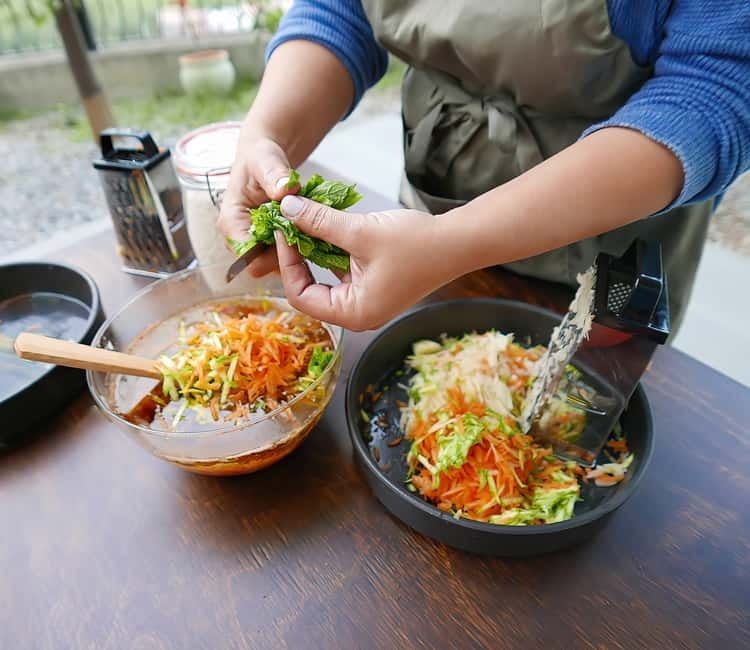
The wood oven is the star of Crete. In Rethymno, you cook with Chrysoula, then sit down to a full meal made from your own hands, with local wine and raki included. I love the hands-on cooking flow, and I love that the whole experience feels like a real home kitchen in a village setting, not a staged performance.
The main thing to plan for is time. This is a 3.5-hour block, so come ready to work and then eat, because you will finish the class feeling comfortably stuffed.
In This Review
- Key Things That Make This Cretan Cooking Class Worth It
- Why This Rethymno Cooking Class Feels More Like Family Time Than a Lesson
- Your Welcome Spread: Coffee, Lemonade, and Village-Simple Snacks
- Cooking Starters the Cretan Way: Dakos, Tzatziki, and Greek Salad
- Main Dishes + the Wood Oven: Gemista and Mousaka
- Desserts Built for Real Cravings: Tyropitakia, Honey, Ice Cream, and More
- Drinks With Dinner: Wine and Raki at the Table
- Ingredient Sourcing: Farm-Friendly Flavor Without the Foodie Hype
- What You Get for $110, and When It Feels Like a Smart Value
- Tips for Getting the Best Results From Your Cooking Time
- Who This Cooking Class Suits Best in Your Crete Plan
- Should You Book the Rethymno Traditional Cooking Class?
- FAQ
- How long is the cooking class?
- What is included in the menu?
- Do they offer vegetarian options or handle allergies?
- Is the cooking done in a wood oven?
- What language is the host available in?
- How much does it cost?
- Is local wine and raki provided during the meal?
- Is the activity wheelchair accessible?
- What is the cancellation policy?
- Can I reserve without paying right away?
Key Things That Make This Cretan Cooking Class Worth It
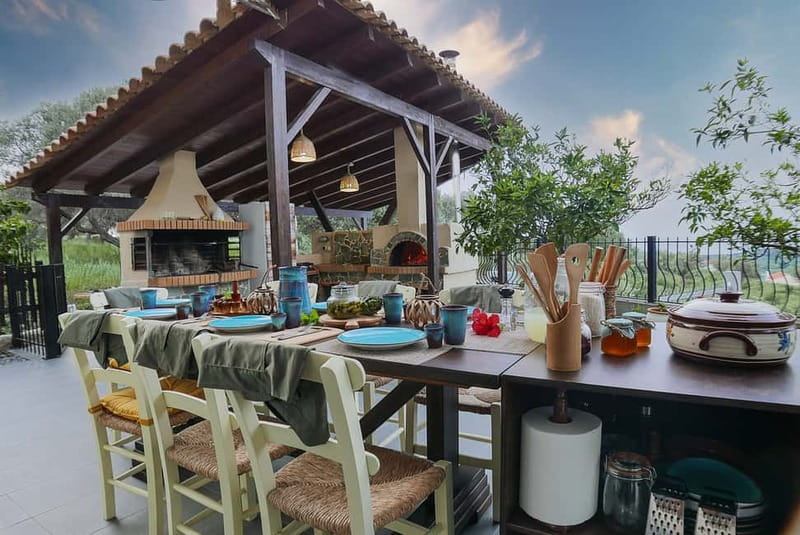
- Wood oven cooking: You learn how Cretan food gets its flavor through traditional, wood-fired heat.
- A real village-home welcome: Greek coffee or herbal tea, lemonade, and small bites set the tone from the start.
- Hands-on dishes from the island: Dakos, tzatziki, gemista, mousaka, and more.
- Starter, main, dessert in one sitting: You get the full menu, not just a sampler.
- Flexible for vegetarian and allergies: The menu can be adjusted for different needs.
- Chrysoula and her crew: You cook and chat with the hosts in a warm, joke-friendly way.
More of Rethymno and the south coast





Why This Rethymno Cooking Class Feels More Like Family Time Than a Lesson
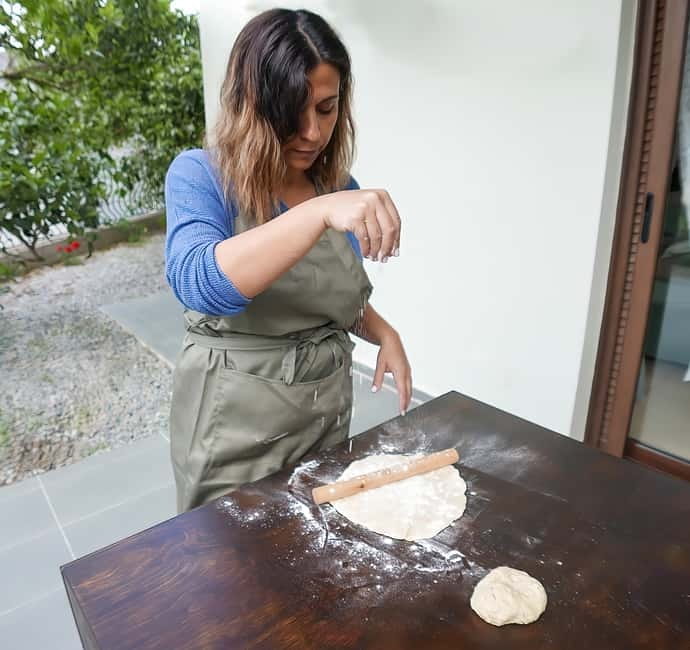
If you want a Cretan cooking class that actually teaches, this one hits the mark. You are not just watching recipes. You are chopping, assembling, and cooking alongside a local host who clearly cares about how the food is made.
I like that it comes with personality, not just technique. Chrysoula leads the way, and it also sounds like Dee and Kostas help keep the mood easy and the class moving. The result is a class where you learn recipes, then share laughs while you cook and eat.
Here’s the best part for your trip planning: you leave with full stomach satisfaction. Between the starter, main, dessert, and drinks, this is not a quick snack stop. It’s a meal experience that replaces dinner plans for many people.
Your Welcome Spread: Coffee, Lemonade, and Village-Simple Snacks
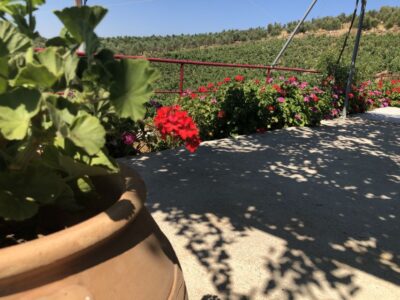
You start in the host’s home setting, in a cozy garden-like area with views, before you go to work. The vibe is friendly and unhurried, which matters because good cooking classes depend on comfort. If you feel relaxed, you pick up tips faster.
You get Greek coffee or herbal tea, plus homemade lemonade. Then small traditional bites come out, including ladokouloura and other treats like loukoumakia, and olive-oil rolls. This is a nice setup because it turns the class into an actual get-together, not just a schedule you race through.
One practical note: these early bites can be deceptively satisfying. If you tend to snack lightly while traveling, you still want to arrive hungry, because the menu later gets serious.
Cooking Starters the Cretan Way: Dakos, Tzatziki, and Greek Salad
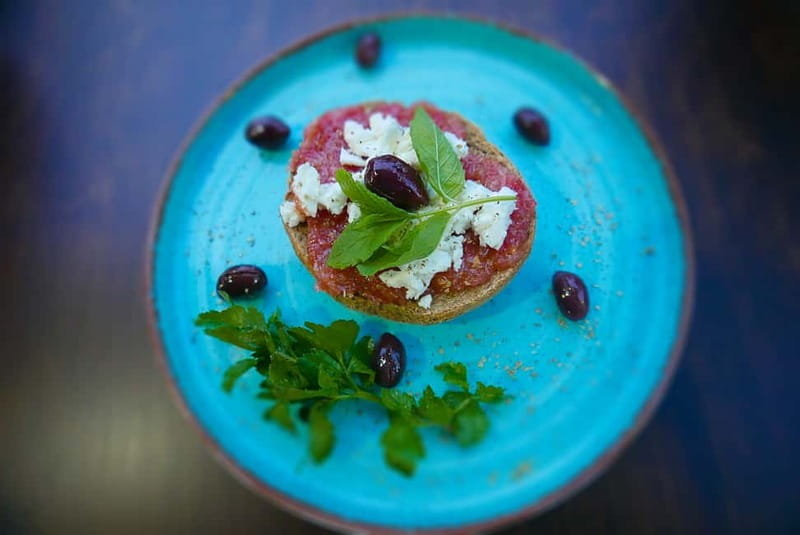
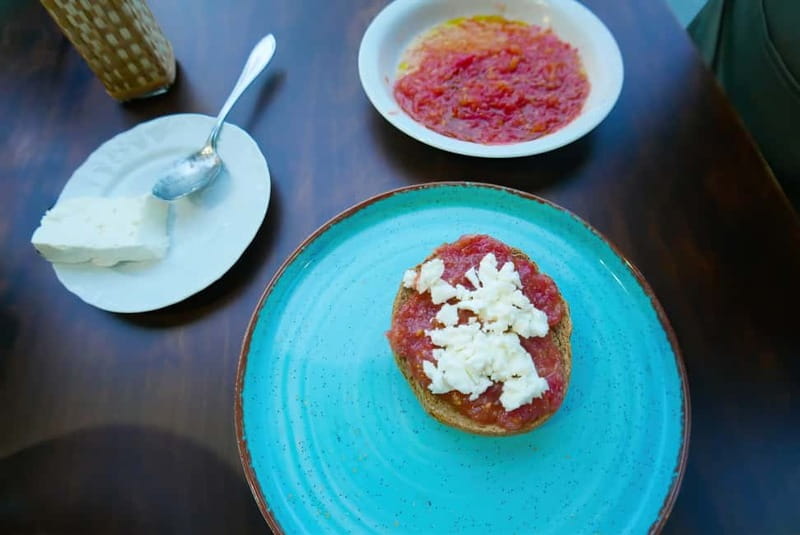
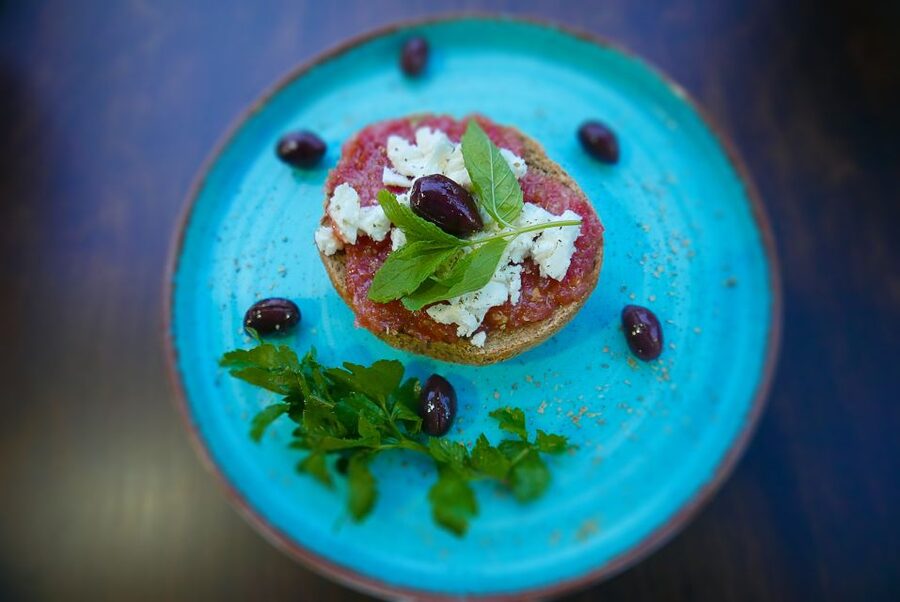
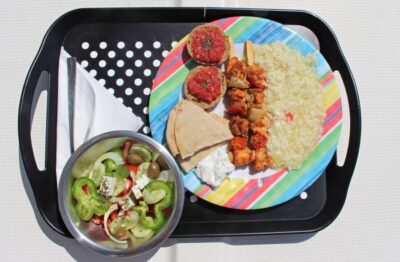
The class builds your meal in steps, starting with starters that show how Cretans layer flavor. You will learn how to put together dakos, a Cretan salad built around tomato, cheese, olive oil, and herbs. This is one of those dishes where the ingredient quality matters, and it teaches you to think in terms of freshness and balance.
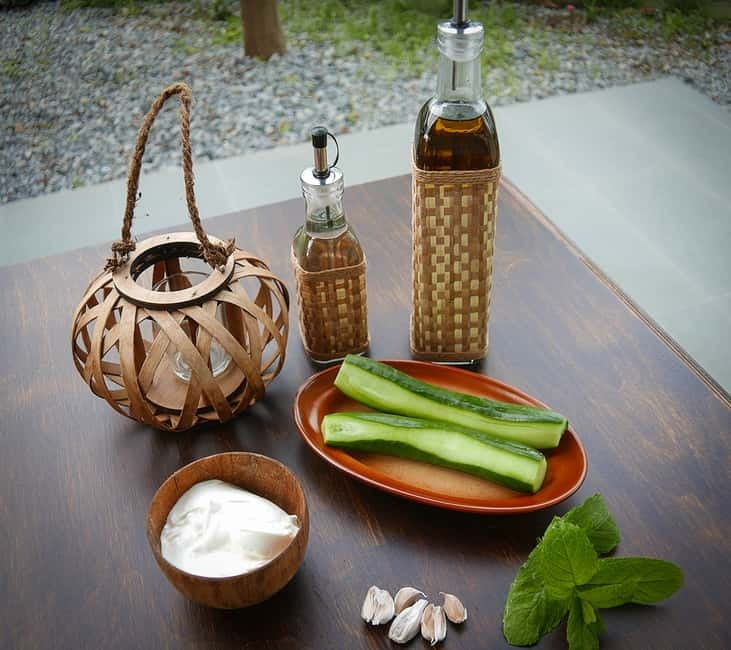
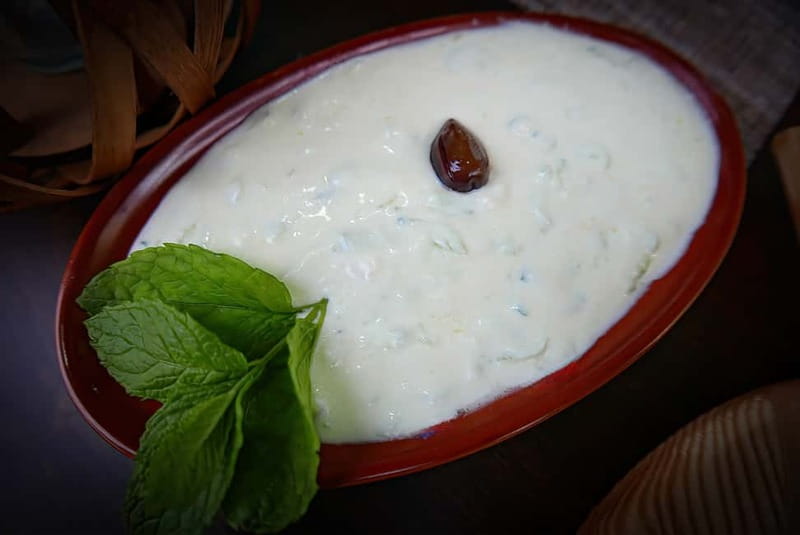
You’ll also make tzatziki, the famous Greek yogurt and cucumber dip. It’s a great starter lesson because it’s part technique, part taste-checking. You learn how texture and seasoning come together.
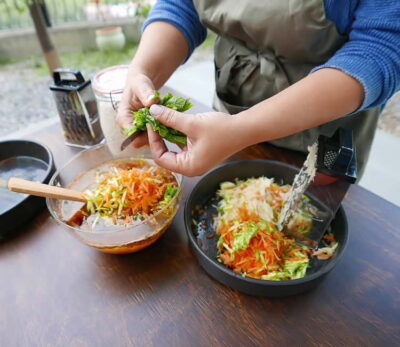
On top of that, you create a Greek salad. That may sound simple, but in a Cretan cooking class, it becomes a lesson in how olive oil, herbs, and vegetables work as a team. These are the kinds of recipes you can repeat back home without needing special equipment.
Main Dishes + the Wood Oven: Gemista and Mousaka
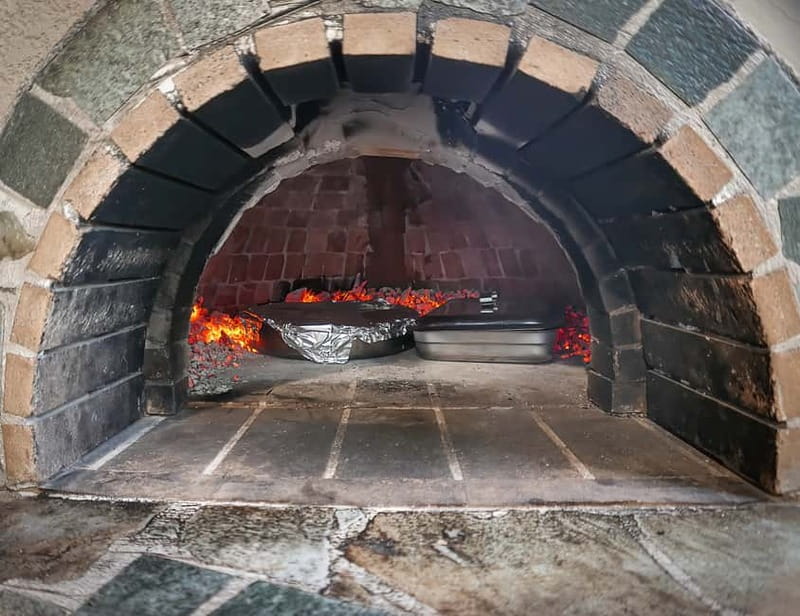
Now the class gets more hands-on, and more fun. You move from assembling to cooking, using the traditional wood oven. This is a key reason to book, even if you’ve taken other cooking classes. Wood-fired heat changes the way food tastes and cooks, and you can learn what to look for while the oven does its job.
For mains, you’ll cook dishes like gemista and mousaka. Gemista is stuffed vine leaves, zucchini flowers, tomatoes, zucchini, and pepper. It’s a packed dish, and the class format helps you understand what goes where and why.
Mousaka is the other big main, giving you a classic Greek baked comfort feel. Even if you have cooked something similar before, the method and seasoning style from a local home kitchen tends to be the difference-maker.
You also get to chat with Chrysoula during the process. That conversation part matters because you’re not only copying recipes, you’re learning the logic behind them, including how traditional practices shape modern home cooking.
Desserts Built for Real Cravings: Tyropitakia, Honey, Ice Cream, and More
After savory dishes, you finish strong. Dessert in this class is not an afterthought. You learn and enjoy traditional pies like tyropitakia, made with homemade cheese.
Honey, cinnamon, and the sweet-and-spice combo are part of the dessert story. You’ll also have options like homemade ice cream and seasonal fruit. The timing works well here because you get a chance to slow down after the wood oven and focus on enjoying what you made.
If you have a sweet tooth, this course delivers. If you don’t, you’ll still probably taste everything, because it’s hard to resist when the dessert table includes both traditional pies and a creamy finish.
Other Crete write-ups on the list
- Rethymno Old Town: A Traditional Cretan Food Tour★ 4.9 · 103 reviews
- Agia Galini: South Crete Sailing Trip with Optional Lunch★ 4.6 · 92 reviews
- Crete Private Tour: The Secrets of Wine, Olives & Honey★ 4.5 · 59 reviews
- From Rethymno: Santorini Guided Tour and Cruise from Crete★ 4.4 · 46 reviews
Drinks With Dinner: Wine and Raki at the Table
One detail people mention again and again is the drinks. Local wine and raki are included with your meal, and raki shows up at the end in a way that feels like part celebration, part tradition.
This is a great pairing with Cretan food. Strong spirits work well after savory dishes, and raki tends to turn the meal into something social. It also means you should plan your evening thoughtfully. If you need to be bright-eyed and sober afterward, you might want to limit what you drink.
If you do drink, do it slowly. The class includes conversation and multiple dishes, so you’re tasting in a relaxed rhythm.
Ingredient Sourcing: Farm-Friendly Flavor Without the Foodie Hype
A lot of cooking classes claim fresh ingredients. This one leans into it more realistically. You learn the dishes using fresh products sourced from the cook’s family farm or local farmers. One review detail also mentioned that staples like rice come from a store, while many other items come locally.
That matters for you because it changes the flavor you experience. You’re not cooking with generic supermarket produce and then hoping it turns out. You’re working with ingredients chosen for local taste.
You also learn what to look for when building Cretan dishes, like how olive oil and herbs support tomatoes and cheese, and how stuffing and baking techniques affect the final bite.
What You Get for $110, and When It Feels Like a Smart Value
At $110 per person for 3.5 hours, the price can sound like a splurge until you map it to what’s included. You are paying for instruction, a wood oven cooking experience, and a full meal built around starter, main, and dessert. Then you add in local wine and raki, which many people would otherwise pay for separately.
So the value really comes from combining three things most travelers pay for one at a time:
1) A local cook guiding you through Cretan recipes
2) The wood oven setting, which is not something you get in most cooking classes
3) Dinner-like food and drinks, not just a small tasting
If you’re doing other tours that evening, consider switching plans. This class is designed to be your main food event.
Tips for Getting the Best Results From Your Cooking Time
Come hungry, then stay hungry in a good way. The welcome snacks are delicious, but they’re only the opening act.
Be ready to get your hands involved. This isn’t a sit-and-take-notes format. You’ll be building dishes from scratch and learning by doing.
Ask questions. If Chrysoula or the assistants, like Dee or Kostas, are talking while you cook, that’s when you’re most likely to learn practical tips you can actually use later.
And take the end-of-meal raki seriously, even if you think you can handle it. People call it out for a reason, and it’s part of how the host signals the class is complete.
Who This Cooking Class Suits Best in Your Crete Plan
This is a strong fit if you want an authentic Cretan experience with food at the center. It’s also a good match if you like being part of the meal rather than just ordering it.
I’d especially recommend it for couples, small groups, and anyone staying around Rethymno who wants something different from beach time and sightseeing. The format also works well if you want a cultural connection through cooking, conversation, and shared table time.
If you dislike alcohol or you have strict dietary restrictions, it may still work, because the menu can be adapted for vegetarian friends and those with allergies. That said, since wine and raki are included, you should think ahead about what your limits are.
Should You Book the Rethymno Traditional Cooking Class?
Yes, if you want real Cretan home cooking in a village setting, and you care about the method as much as the dishes. The combination of wood oven cooking, a full starter-main-dessert menu, and hosts like Chrysoula (with support from Dee and Kostas) makes it feel like an evening you’ll remember for the food and the human warmth.
Book it when you can actually let it be your big food moment. If you’re trying to squeeze in a late dinner elsewhere right after, plan to reschedule, because you’ll likely not want another meal.
If you want, I can also help you pair this with a simple Rethymno day plan around it, so your timing and hunger level line up nicely.
FAQ
How long is the cooking class?
It lasts 3.5 hours.
What is included in the menu?
You’ll make and enjoy a starter, a main dish, and a dessert. Local wine and raki are included as well.
Do they offer vegetarian options or handle allergies?
Yes. The menu can be adapted for vegetarian friends and for those with allergies.
Is the cooking done in a wood oven?
Yes. You cook and bake your creations in a traditional wood oven.
What language is the host available in?
English.
How much does it cost?
The price is $110 per person.
Is local wine and raki provided during the meal?
Yes, local wine and raki are included.
Is the activity wheelchair accessible?
Yes, it is listed as wheelchair accessible.
What is the cancellation policy?
Free cancellation is available up to 24 hours in advance for a full refund.
Can I reserve without paying right away?
Yes. It offers a reserve now, pay later option.
More of Crete On the List



Rethymno and the South Coast

Everything else we have written up around Rethymno





Crete Island Tours, side by side.
 ★ 4.6Crete: Day Trip to Agios Nikolaos and Spinalonga IslandFrom $444,416 reviews
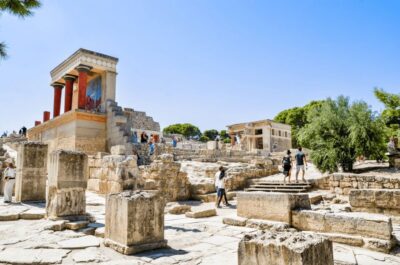 ★ 3.9Crete: Knossos Palace Entry Ticket with Optional Audio GuideFrom $302,251 reviews
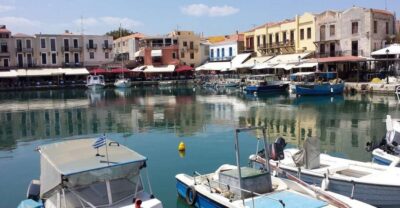 ★ 4.4Crete: Rethimno, Chania, and Kournas Lake Day TripFrom $451,694 reviews
 ★ 3.8Crete: Palace of Knossos E-Ticket and Audio GuideFrom $341,540 reviews
 ★ 4.4From Heraklion/Crete: Santorini Island Guided Day TripFrom $2001,448 reviews
 ★ 4.9Agia Pelagia Crete Quad Bike authentic backland TourFrom $501,430 reviews
 ★ 4.9Crete: Sunset or Morning Quad with Local Products TastingFrom $941,135 reviews
 ★ 4.4Crete: Knossos Palace & Heraklion Guided TourFrom $351,127 reviews