

Review · ACROPOLIS & PARTHENON TOURS
Athens: Acropolis, Parthenon & Acropolis Museum Guided Tour
The Acropolis feels mythic in daylight. This guided tour turns the stones into stories, and the optional Acropolis Museum makes the sculptures much easier to understand.
I like that you get licensed guidance while you walk key stops like the Parthenon and the Theater of Dionysus, with lots of photo-friendly overlooks. One thing to plan for: you still pay entrance tickets separately, and the site involves a steep climb and uneven ground.
In This Review
- Key things I’d bet on
- First, why this Acropolis tour feels different
- Price and value: what the $70 covers, and what doesn’t
- Meeting point at Athens Walks, and how check-in works
- What the 2 to 4 hour plan actually feels like
- The Acropolis hill: Temple of Athena Nike, Propylaea, and the Parthenon
- Erechtheion Caryatids and the Theater of Dionysus
- Adding the Acropolis Museum: why sculptures make sense here
- What to pack so the climb doesn’t steal your energy
- A note on tickets: plan ahead to keep the day smooth
- Guide quality is the real differentiator here
- Who this tour fits best, and who should rethink it
- Should you book this Acropolis and Museum guided tour?
Key things I’d bet on
- Licensed guide, multiple languages, plus hearing devices so you can actually follow the story on the move
- Acropolis highlights in a smart order, including Temple of Athena Nike, the Propylaea gateway, and the Parthenon
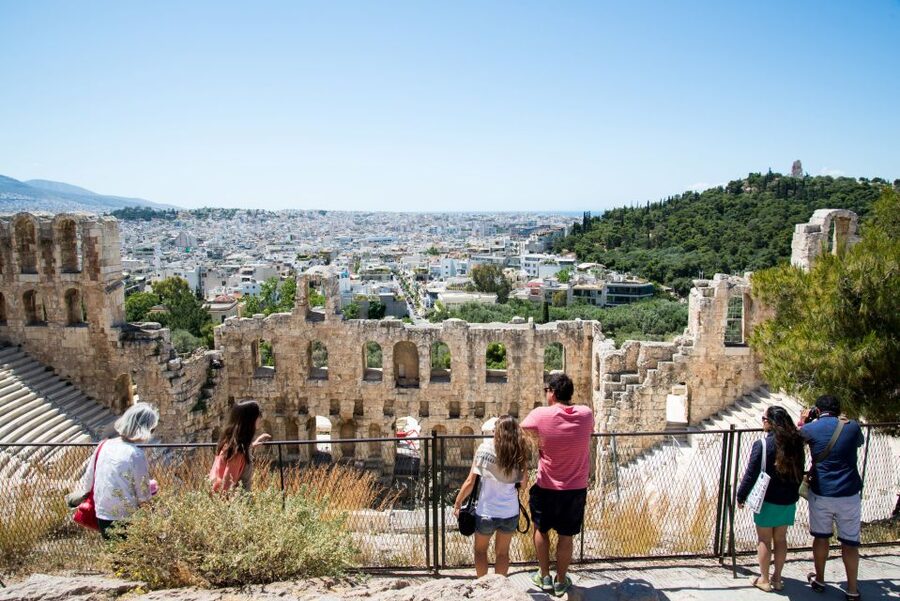
- Erechtheion and the Caryatids, plus a walk by the Theater of Dionysus for context beyond the postcard view
- Acropolis Museum galleries that explain what you’re seeing outside, including major sculpture displays
- Short enough to manage, but it still takes real walking, so comfortable shoes are not optional
Other ways up the Acropolis, side by side




First, why this Acropolis tour feels different
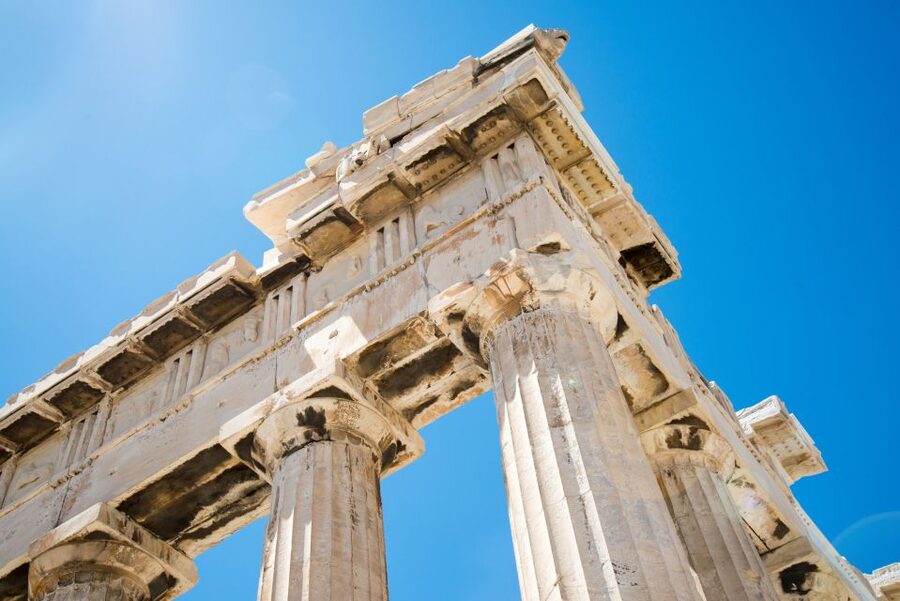
The Acropolis is famous for a reason, but doing it alone can turn into a lot of staring and not much understanding. This tour is built around guided pacing, so you get meaning as you move from one monument to the next.
The second big win is the museum add-on. Seeing the sculptures in the Acropolis Museum helps you connect the dots between what remains on the hill and what was meant to represent religious and political power.
That pairing is what makes the tour worth your time. You are not just ticking sites off a list, you are learning how Athens wanted to be remembered.
Price and value: what the $70 covers, and what doesn’t
The tour price is $70 per person, and it includes a licensed guide. What it does not include are entrance tickets: the Acropolis is 30€ per person, and the Acropolis Museum runs about 10€ to 20€ per person depending on category and pricing rules.
So does it still feel like good value? Usually, yes, because the guide time is the main product here. A good guide saves you from common pitfalls, like wandering past important details, missing why specific buildings matter, or not knowing what you are looking at when the view opens up.
Also, the tour is described as skip-the-ticket-line, which is a real advantage at a hot, crowded site. Still, you will want to confirm you handle your entrance tickets correctly in advance, since tickets are not bundled into the price.
Meeting point at Athens Walks, and how check-in works
You meet your guide at the Athens Walks office, Porinou 5, 11742. Check in at the ground floor office of Athens Walks, and plan to arrive at least 15 minutes early.
The tour provides hearing devices, and you will be assigned to your group. Only one person from your group needs to check in indoors, which makes the start smoother if you are traveling with family.
If you are prone to arriving late because of street confusion, give yourself extra buffer time. Porinou Street is easy once you find it, but Athens side streets can be sneaky on your first day.
What the 2 to 4 hour plan actually feels like
This is a walking tour with a flexible time window of 2 to 4 hours. That range matters because the site can slow you down: crowds, sun, and the natural rhythm of climbing steps all affect pace.
Expect frequent stops for explanations, plus time to look outward. You will also want moments for photos, because the guide will point you toward angles you might otherwise miss.
One honest note: this is not a smooth wheelchair-friendly route. The tour is not suitable for wheelchair users, so if mobility is limited, you’ll need to reconsider or make a different plan.
The Acropolis hill: Temple of Athena Nike, Propylaea, and the Parthenon
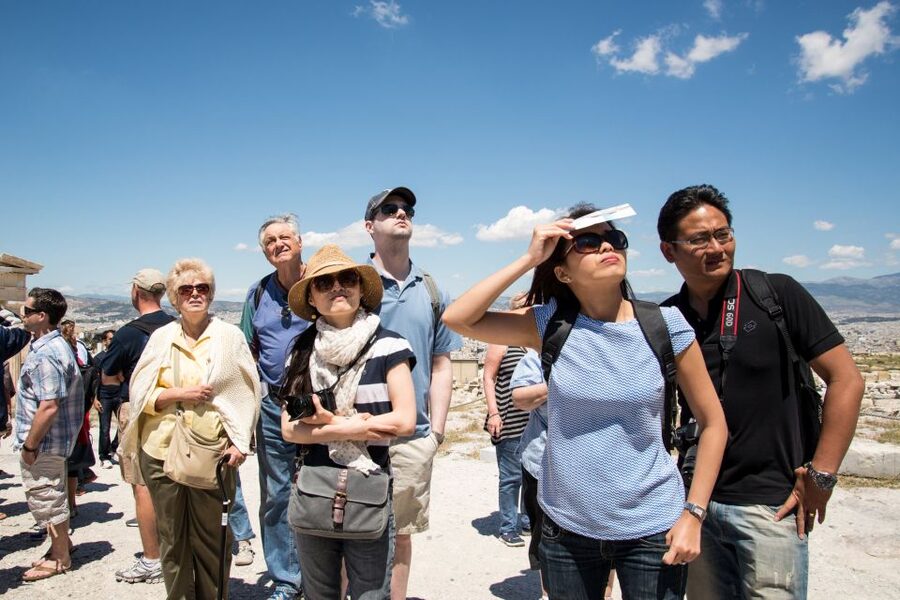
The tour starts at the most monumental site, and it does so in a way that helps your brain build the site as you go. You begin with key “entry” architecture and then work toward the heart of the complex.
You will see the Temple of Athena Nike, sometimes called the Temple of Wingless Victory. The name alone is worth attention, because it hints at how Athens framed victory in religious terms, not just battlefield terms.
Next comes the gateway of the Propylaea. Even if you only think of it as a fancy entrance, the guide will explain why gateways in classical architecture were never just about moving people forward. They were about controlling the sequence of experience and signaling importance.
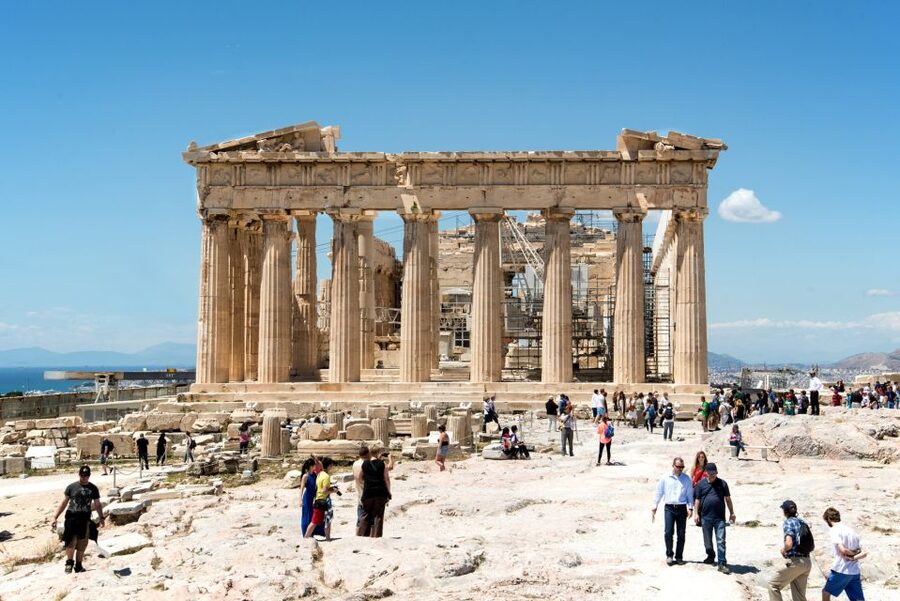
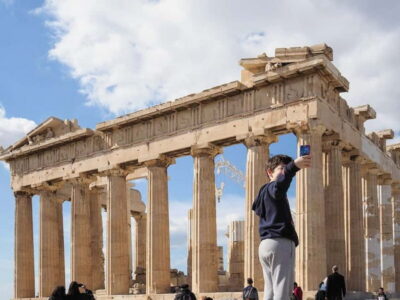
Then comes the Parthenon, the crowning glory. Here, the value of a guide is obvious: you do not just look at a building, you learn what it represented in the center of classical civilization and why the details were built to communicate power.
More Acropolis Museum entries we have checked
- Acropolis monuments & Parthenon Walking Tour with Optional Acropolis Museum★ 5.0 · 2,678 reviews
- Athens: Acropolis Museum Ticket with optional Audio Guide★ 4.4 · 2,652 reviews
- Athens: Acropolis, Parthenon and Acropolis Museum Guided Tour★ 5.0 · 1,778 reviews
- Acropolis of Athens and Acropolis Museum Tour★ 4.5 · 944 reviews
Erechtheion Caryatids and the Theater of Dionysus
The Erechtheion is where the tour shifts from big-picture monuments to human-scale symbolism. The headline feature is the Caryatids, sculpted female figures that act like architectural supports. If you only see them as statues, you miss their real job: they blend myth, religion, and design into a single statement.
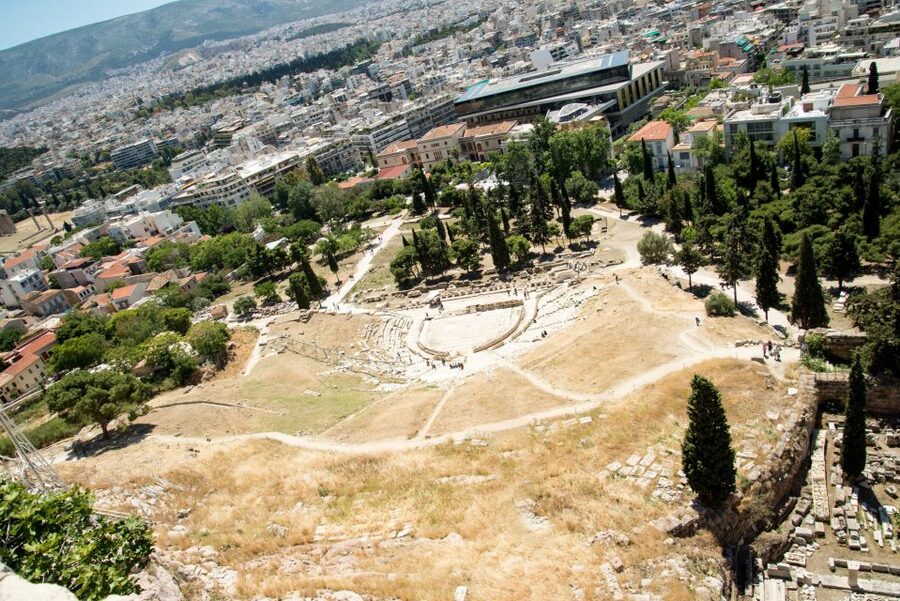
From there, you walk by the Theater of Dionysus. This is a crucial stop because it connects Athens architecture to Athens culture. You are not only seeing sacred buildings, you are seeing how the city supported drama, story, and public life.
The guide’s role here is to link what you see to the bigger idea that Athens influenced how later societies thought about theater and civic life. And yes, the walk by the theater often gives you a nice chance to take photos down toward the city below.
Adding the Acropolis Museum: why sculptures make sense here
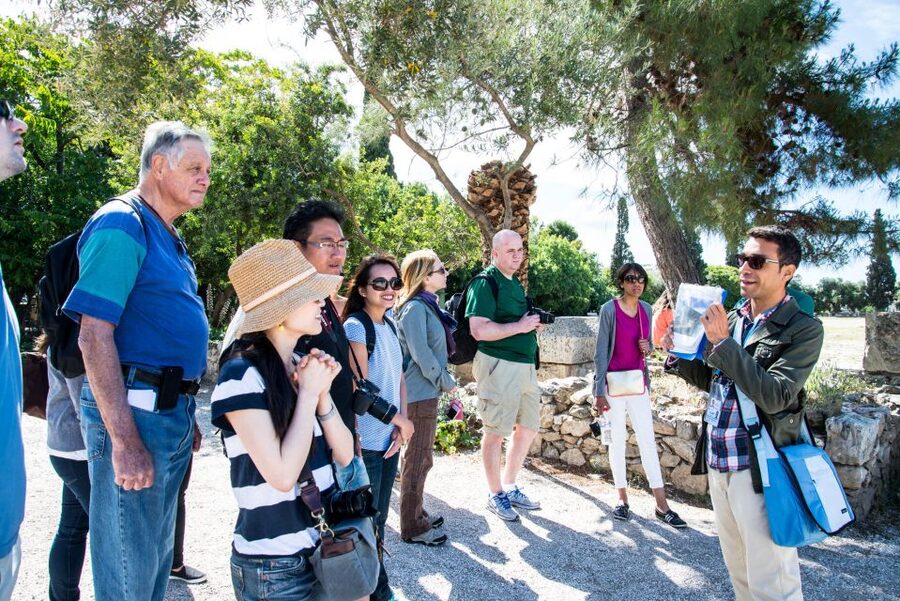
If you choose the option that includes the Acropolis Museum, you get a major advantage: context. Outside on the hill, you see fragments, shapes, and building outlines. In the museum, you see the sculptures more clearly, and you can study how they were originally meant to be understood.
The museum is described as state-of-the-art, with galleries made for understanding relics from Ancient Greece. That matters because the collection is not just displayed, it is presented in a way that makes the story easier to follow.
This is the stop that helps the Parthenon feel less like a distant landmark and more like a living program of meaning. When the guide ties the outdoor stops to what you see indoors, the sculptures stop being random art objects and start being political and religious messages in stone.
What to pack so the climb doesn’t steal your energy
Bring the basics that actually help you enjoy the tour: comfortable shoes, sunscreen, sunglasses, and a sun hat. The tour is short, but the Acropolis heat can still hit hard.
Also bring water. The tour does not list water as included, so you’ll want to handle hydration on your own.
If you plan to qualify for reduced or free tickets, bring your passport or ID card. The tour info notes that people under 18 get free access, and anyone with an EU passport under 25 gets free access as well. Students should bring their passport too, to ensure they qualify for reduced ticket fees.
A note on tickets: plan ahead to keep the day smooth
Entrance tickets are not included, so you’ll need to buy them separately. The Acropolis ticket is 30€, and the museum ticket is 10€ to 20€.
The tour info also asks you to book entrance tickets online in advance at the official website before the tour. That’s the simplest way to protect your time, because you will want less waiting and more time listening and looking.
This is one of those “small planning, big payoff” moments. If you show up unprepared, you can lose the very advantage you paid for, the time you could spend learning instead of queuing.
Guide quality is the real differentiator here
You are paying for a guide, not just for access to famous rocks. The reviews attached to this experience strongly point to guides who explain myth and history in a way that sticks.
For example, you might encounter guides like Hermes, described as a big-brain communicator who set expectations and engaged questions. You might also meet guides like Maria, praised for handling heat and tired kids with flexibility. Names like Rosa, Katerina, Rosa, Thanasis, Anna, and Elizabeth show up in the kind of feedback that matters: clear storytelling, good pacing, and a willingness to adjust when someone needs a slower moment.
If you want to get the most out of the tour, show up with one question you care about. Ask why a monument matters, or what Athena and victory meant to Athenians. Good guides love that. You’ll leave with a framework, not just facts.
Who this tour fits best, and who should rethink it
This tour is great for first-timers who want the fastest path from wow to understanding. It also suits families, since guides are described as patient and capable with kids, keeping everyone engaged instead of rushing.
You’ll enjoy it most if you like walking a bit, listening for details, and taking photos from viewpoints the guide helps you notice. A short attention span can make the museum part harder, but the guide pacing is designed to keep the flow moving.
If you use a wheelchair, the tour is listed as not suitable for wheelchair users, so it likely will not work for your needs as offered.
Should you book this Acropolis and Museum guided tour?
Yes, I’d book it if you want the Acropolis to feel like a story you understand. The combination of licensed commentary outdoors plus the Acropolis Museum is the reason this tour works, because it turns stonework into meaning.
Skip it only if you already know the basics and plan to spend most of your time wandering independently with an audio guide. And seriously consider passing if mobility is an issue, since it involves walking and uneven, steep terrain.
If you are doing Athens for the first time and only have half a day to do the big things, this tour is one of the most efficient ways to get real value from the Acropolis.
Every Other Athens Write-Up
- All Day Cruise -3 Islands to Agistri,Moni, Aegina with lunch and drinks included
★ 5.0 · 4,958 reviews



Acropolis Museum, Other Entries




The Acropolis, Other Ways Up

Everything else we have written up around Athens





Acropolis & Parthenon Tours, side by side.
 ★ 4.4Athens: Acropolis & up to 5 Archaeological Sites Combo PassFrom $4812,619 reviews
 ★ 4.2Athens: Acropolis Ticket with Optional Audio or Live GuideFrom $4211,055 reviews
 ★ 4.8Athens: Acropolis, Parthenon & Acropolis Museum Guided TourFrom $409,316 reviews
 ★ 4.6Athens: Acropolis and Parthenon Guided Walking TourFrom $385,882 reviews
★ 4.8Athens: Acropolis, Parthenon & Acropolis Museum Guided TourFrom $413,579 reviews
★ 4.6Athens: Acropolis and Parthenon Guided Walking TourFrom $385,882 reviews
★ 4.8Athens: Acropolis, Parthenon & Acropolis Museum Guided TourFrom $413,579 reviews
 ★ 4.0Athens: Acropolis Ticket with Audio GuideFrom $473,575 reviews
 ★ 4.7Acropolis: Acropolis and Parthenon Guided Walking TourFrom $363,442 reviews
 ★ 5.0Acropolis monuments & Parthenon Walking Tour with Optional Acropolis MuseumFrom $422,678 reviews
Sits on these lists