
Review · ACROPOLIS & PARTHENON TOURS
Athens: Acropolis Visit and City Night Tour
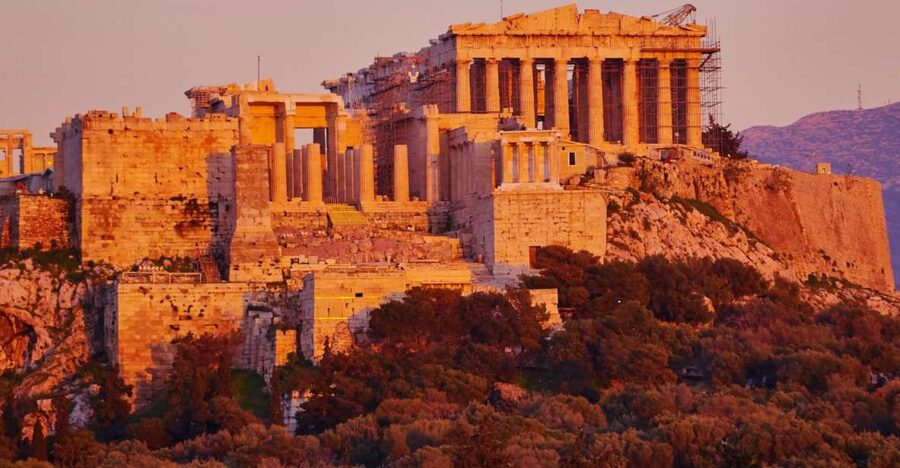
Two Athens, one tour. I love the Acropolis visit in the quieter afternoon light, and I love that the day-to-night pairing gives you a full mental map of the city, from Parthenon heights to lit-up streets below. The Spanish guide style matters here too, with story-driven stops at places like the Theatre of Dionysus and the Erechtheion, so the ruins feel connected instead of scattered. On at least one Acropolis run, the Spanish guide Bárbara even used a folder with simulations, which helps you picture what you are seeing.
The main thing to watch is the Acropolis site tickets. They are not included, and you must buy the right timed entry for your tour slot, or arrive early near the South entrance ticket office to sort it out.
In This Review
- Key things that make this tour worth your time
- Why this Athens day-to-night combo makes sense
- The Acropolis walk: starting off the busiest path
- Parthenon, Propylaea, and the key monuments you can’t skip
- Theatre of Dionysus to the Erechtheion: stories behind the ruins
- Caryatids and Temple of Athena Nike: small stops with big payoff
- Use your Acropolis free time wisely
- Night Athens starts at the National Library and keeps building
- Panathinaiko Stadium, Zappeion, Hadrian’s Arch, and Zeus
- Finish near Monastiraki and the Greek Agora views
- The guide: Spanish storytelling that actually helps you look
- Price and value: what $53 covers, and what to budget for
- Tickets and timing: the one logistics hurdle to plan for
- What to wear and bring for the Acropolis portion
- Who this tour fits best
- Should you book it? My practical decision guide
- FAQ
- How long is the Athens Acropolis visit and city night tour?
- What language is the guide?
- Where do I meet for the afternoon Acropolis part?
- Where do I meet for the evening night tour part?
- Are the Acropolis tickets included in the price?
- What are the ticket time-slot rules for different start times?
- Is the tour suitable for wheelchair users?
- Are food and drinks allowed during the tour?
Key things that make this tour worth your time
- Acropolis at a calmer hour, so you can actually focus on the details
- A smart entry route, starting from the south-east side to avoid the busiest entrance
- Myth and history told step-by-step, from Athena’s sacred ground to Dionysus festivals
- Night highlights with context, not just photos, starting at the National Library
- Major Athens landmarks in one loop, including Syntagma Square, Panathinaiko Stadium, and Monastiraki
- Free time after the Acropolis, so you can linger where your interests pull you
Other ways up the Acropolis, side by side


Why this Athens day-to-night combo makes sense
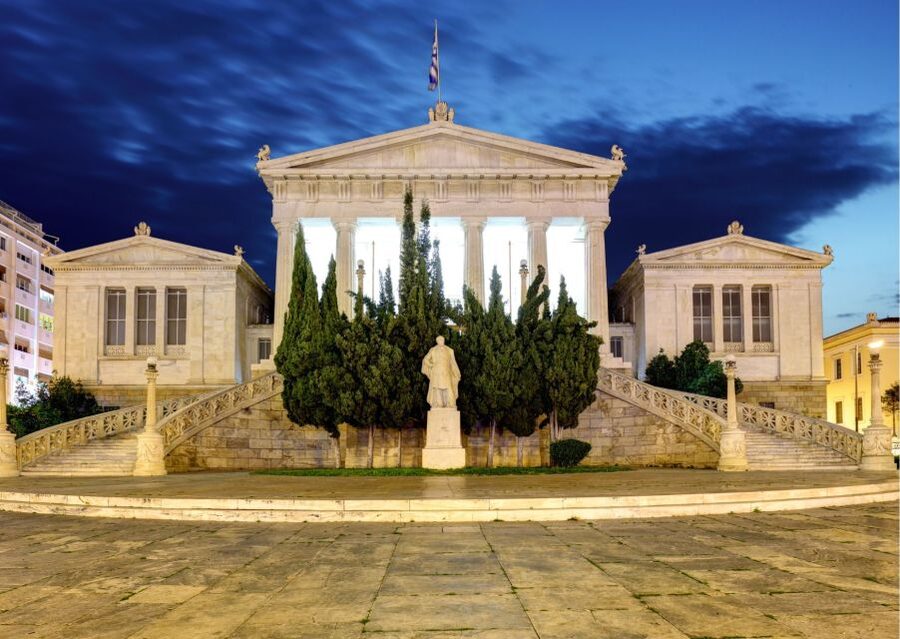
This is the kind of tour that respects how you actually experience cities. You get the Acropolis when the crowds are typically lighter and the sun is more forgiving, then you switch to night, when Athens looks completely different. In about 5 hours, you’re building a “top to bottom” understanding of the capital.
At a glance, it sounds like two separate tours glued together. But the payoff is that the night route helps you place what you saw in the afternoon. When you finish near the Greek Agora with views back toward the Acropolis, you start seeing connections between monuments, neighborhoods, and the major squares.
It also offers good value for first-timers. The price is $53 per person, and the guide is licensed and in Spanish for the full experience, while the Acropolis tickets are the only major extra. If you want a guided way to cover key sights without spending half a day figuring things out yourself, this format is practical.
The Acropolis walk: starting off the busiest path
The Acropolis portion begins from the south-east side, not the main entrance that tends to run crowded. That small choice changes your whole mood. You spend less time funneling with everyone else and more time getting oriented on the ground you came to see.
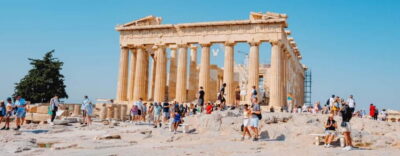
Your guide walks you through the central monuments tied to Athens’ identity, starting with the Acropolis dedicated to Athena. You visit the Parthenon and the Propylaea, the monumental gateway into the site, and you hear the legends and stories that historically helped people make sense of what they were building. Even if you know the basic names, the guided flow helps you see them as part of one plan, not isolated photo stops.
One reason I like this setup is that the guide isn’t just reciting dates. You’re also learning how the myths, religious roles, and civic celebrations shaped what stood where. You’ll also stop at the Theatre of Dionysus, which could seat 17,000 spectators and hosted festivals honoring the Greek god.
Parthenon, Propylaea, and the key monuments you can’t skip
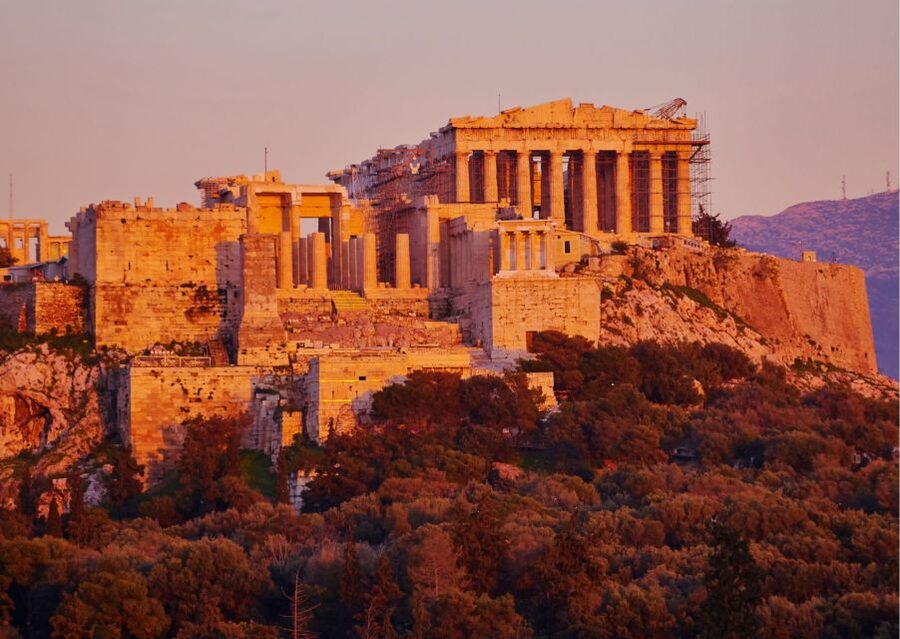
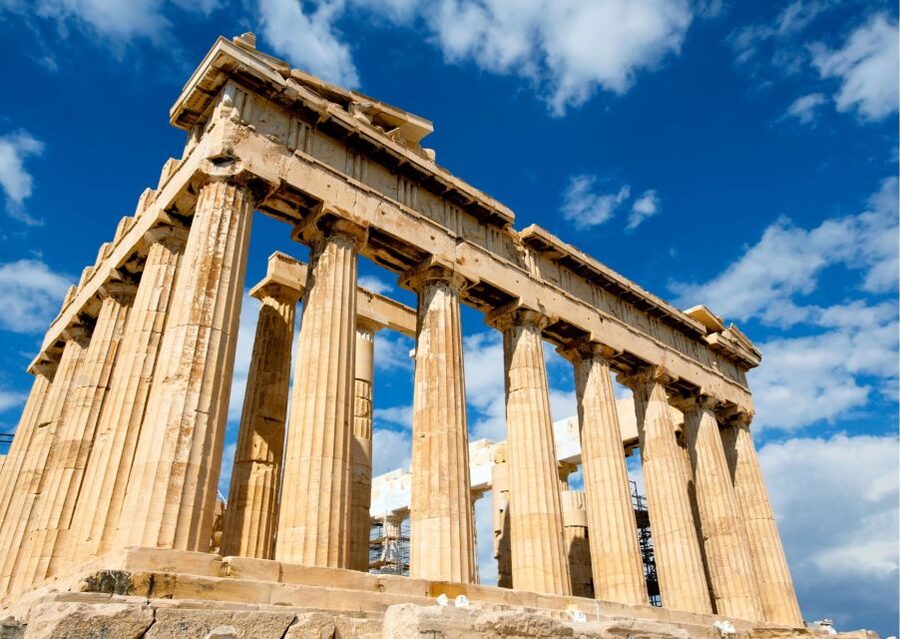
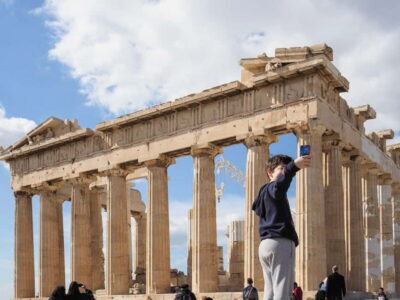
The Parthenon is the obvious star, but the real trick is learning how to look at it. With a guide, you get a way to connect the building’s purpose and symbolism to what surrounds it. When you’re not doing that, it’s easy to feel like you are just walking past major stone blocks.
Next comes the Propylaea, the gateway that frames the transition into the sacred zone. It’s one of those spots where a few good explanations make a difference. You start to understand why this approach matters, not just that the structure is impressive.
A guided Acropolis visit also helps you notice how the complex layout works. Instead of wandering and guessing, you follow a route that takes in the temples and monuments in a way that supports comprehension. That’s where the “guided walking” format pays off.
Theatre of Dionysus to the Erechtheion: stories behind the ruins
If you care about drama and ritual, the Theatre of Dionysus is a highlight. Learning that it held 17,000 people for festivals immediately gives the space a social weight. It stops being only an archaeological site and starts feeling like a place where people gathered for shared meaning.
Then you move to the Erechtheion, named after the demigod Erechtheus. This is where myth and architecture start to feel tightly linked. You’re not just seeing another temple, you’re hearing how the legends shaped how Athenians interpreted sacred space.
You’ll also see the Odeon of Herodes Atticus, another major performance setting in the Classical world. The common mistake on the Acropolis is treating everything like it’s equally “random.” With a guide, the cultural purpose of each stop comes through more clearly.
Caryatids and Temple of Athena Nike: small stops with big payoff
Two of the most rewarding moments on this route are the smaller, detail-focused sights. The Caryatids are famous for a reason, but a guide helps you look beyond the obvious. You’re encouraged to examine the stone carvings and understand what makes these figures distinct as part of the temple experience.
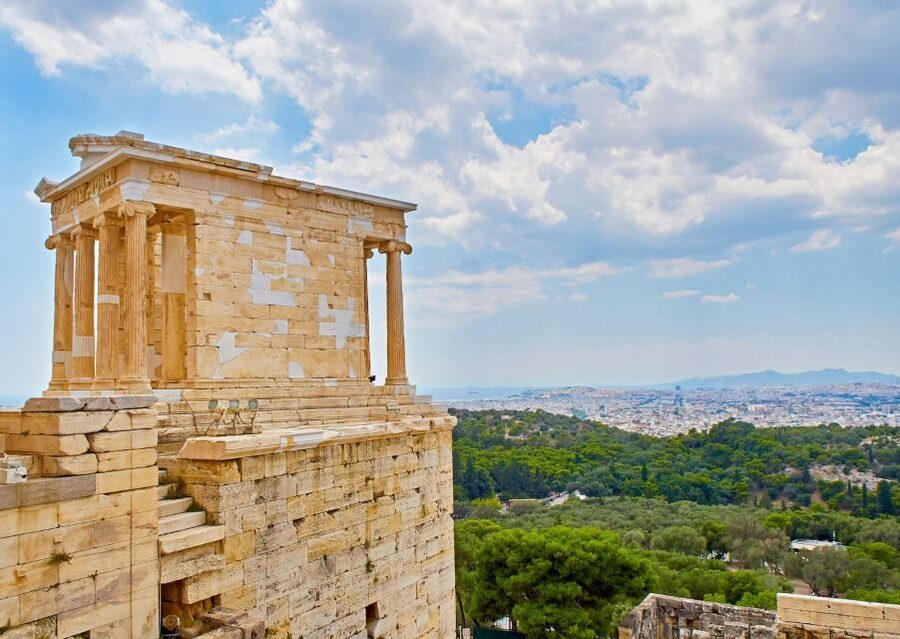
You’ll also visit the Temple of Athena Nike, noted as the smallest temple on the Acropolis. That size detail matters, because it changes how you experience it. A small temple can feel easier to understand and easier to appreciate up close, especially when your guide points out what to look for.
If your goal is to leave with a richer mental picture, these stops help you do it. They shift you from monument-scale appreciation to human-scale attention, and that is where many people start to feel the Acropolis magic.
Other ways to get round Athens
- Athens: City Sightseeing Hop-On Hop-Off Bus Tour★ 4.3 · 4,520 reviews
- Athens:City Pass with Acropolis, Museums, Hop-On Hop-Off Bus★ 3.9 · 586 reviews
- Athens: City Highlights Bike tour★ 4.9 · 453 reviews
- The Acropolis, Athens Walking City Tour and Acropolis Museum★ 5.0 · 442 reviews
Use your Acropolis free time wisely
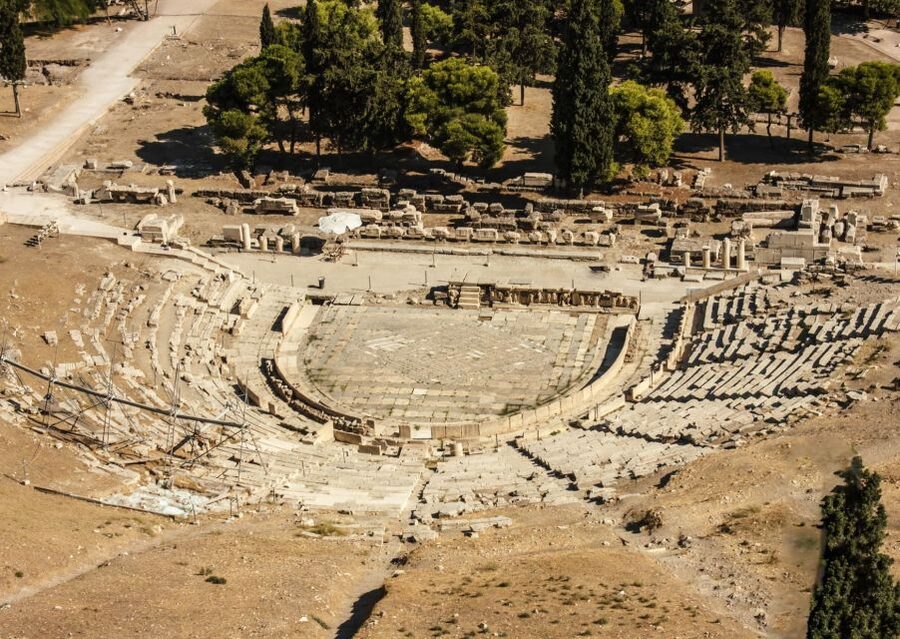
After the guided portion, you get free time to stay longer and explore at your own pace. I like this structure because it balances guidance with control. You can return to the spots that grabbed you, slow down where you want more time, and skip the moments that didn’t land.
If you want to get the most out of free time, choose one mission. Either focus on the views, or focus on details, like carvings or gateways, or focus on making sense of the layout. With the guide already giving you context, your self-guided time becomes much more productive.
Night Athens starts at the National Library and keeps building
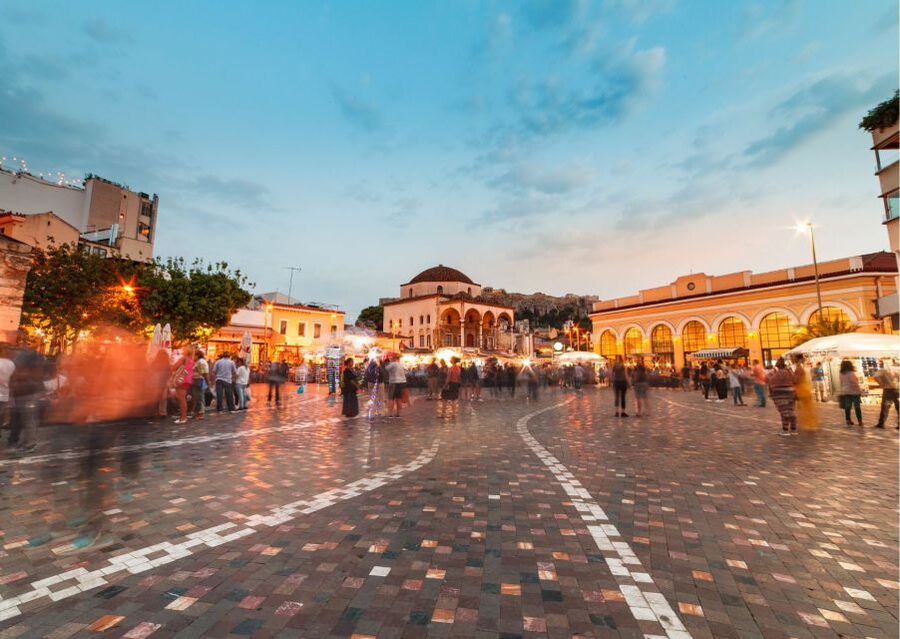
The evening portion starts at the National Library of Greece. From there, you visit part of Athens’ neoclassical power corridor, including the University and the Academy of Athens. It’s a good opener because it sets the tone: this isn’t just a random lights tour, it’s a planned route through major civic spaces.
Next you head to Syntagma Square, where you stop at the Greek Parliament to see the presidential guard. This is one of those “if you’re here, do it once” sights. Even if you are not obsessed with protocol, it gives you a snapshot of modern Athens identity.
One nice thing about the timing is that night helps you see how the city “works” around its monuments. You’re moving through squares, gardens, and institutional buildings, not only through heritage ruins.
Panathinaiko Stadium, Zappeion, Hadrian’s Arch, and Zeus

A major turning point in the night route is the stop for Zappeion in the National Gardens area, described here as an ancient Olympic Village setting. Then you move to the Panathinaiko Stadium, called the first Olympic stadium in modern history.
That matters because it connects the ancient Olympics story you associate with Greece to a modern rebuilding of that idea. It makes Athens feel less like a museum and more like a city that keeps reusing its own symbolism.
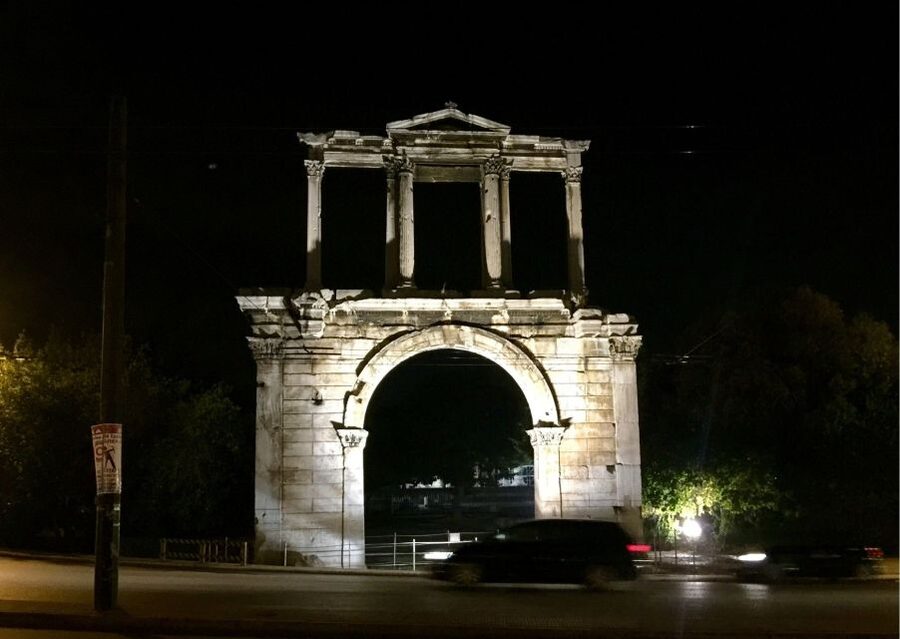
After that, you pass Hadrian’s Arch and the Temple of Zeus. This is where night viewing becomes extra satisfying. Big stone silhouettes can look more dramatic after dark, and the walking loop helps you keep the story moving instead of treating each monument separately.
Finish near Monastiraki and the Greek Agora views

You round out the night with stops that shift you from grand monuments to lively public squares. You visit the Metropolitan Cathedral and Little Mitropolis, then head to Monastiraki Square to end near the Greek Agora.
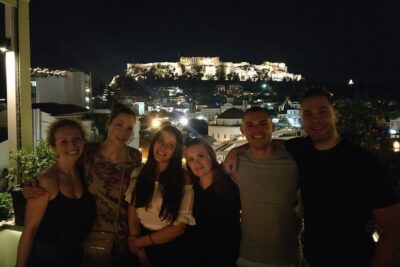
The payoff is the view back toward the Acropolis. Once you’ve been on the hill in the afternoon, seeing that connection from below can click fast. Suddenly the city stops feeling like separate attractions and starts feeling like one system.
Monastiraki is also a practical ending point, since it is easy to continue on foot or jump into dinner plans after the tour. You are already in the right part of the city to keep the evening going.
The guide: Spanish storytelling that actually helps you look
This experience lives and dies by the guide. The tour is led by a licensed guide in Spanish, and that language element is more than convenience. When the commentary is clear, you spend less time translating inside your head and more time absorbing what you see.
In one Acropolis run, the Spanish guide Bárbara impressed with teaching tools like a folder of simulations, which can help you visualize how the Acropolis looked in its earlier forms. Another guide, Juan, focused heavily on history and the story of the city, making the overall route feel coherent rather than a checklist.
If you love historical context, you’ll likely enjoy this style. If you prefer quick, basic city facts right away, you may wish the guide sprinkled in a bit more everyday context alongside the big myth and monument themes. That kind of add-on can help some people anchor the history in real-life Athens.
Price and value: what $53 covers, and what to budget for
The headline price is $53 per person for a 5-hour experience. That sounds straightforward, but here is the value math that matters.
What you get for the price:
- Licensed guide in Spanish for both the afternoon Acropolis portion and the evening city tour
- A guided route that includes key monuments on the Acropolis
- A night loop that hits major squares and historic landmarks
What you should budget extra for:
- Acropolis archaeological site tickets, which are not included
So the tour fee is paying for the guidance, pacing, and the night route organization. If you were to do the Acropolis alone, you would still spend time figuring out where to go and what to focus on. This format reduces that friction, and it pairs the hill with the city at night, which is hard to do well on your own in one evening.
Tickets and timing: the one logistics hurdle to plan for
You must buy your Acropolis tickets before the activity starts, and you should match your tour’s time slot. The details given depend on the season and your departure time.
For example:
- For a 15:00 tour, you need the 15:00 to 16:00 entry slot
- For 17:00, you need 17:00 to 18:00
- For 17:45, you need 18:00 to 19:00
If you do not have your ticket, the guidance is to go to the ticket office area near the South entrance about 30 minutes earlier to allow for waiting in line. Once you have tickets, you move to the meeting point, which is described as under two minutes on foot from the ticket office area.
The practical takeaway: buy tickets online ahead of time if you can. It saves stress and keeps your day moving. If online availability fails, there is help available from the tour team if you cannot get the ticket.
What to wear and bring for the Acropolis portion
This is not a “sit down and admire” day. The rules list no high-heeled shoes, and no baby strollers or baby carriages. Food and drinks are also not allowed, so plan to handle that outside the tour.
Also note that it is not suitable for wheelchair users. That affects who can comfortably enjoy the walking nature of the experience.
For most people, the best approach is simple: wear comfortable shoes you can walk in for hours, and keep your hands free. You’ll enjoy the guide’s explanations more if you are not fighting your footwear or struggling with bulky items.
Who this tour fits best
This experience works especially well if:
- You want a strong first Athens outline without planning your own day-to-night routes
- You like guided storytelling that ties myths to the actual monuments
- You want to see the city at night from important civic locations, not only from a viewpoint
It is also ideal for visitors who are comfortable walking a full afternoon into the early night, and who specifically want a Spanish guide.
If you only want museum-style stops with minimal walking, or if mobility is an issue, this may not be the right fit. The experience is built around a walking route and the Acropolis site.
Should you book it? My practical decision guide
Book this tour if you want efficiency and clarity. The afternoon Acropolis walk gives you the core Athens identity, and the night tour stitches together what you saw with how the city looks after dark. I especially like that the Acropolis route starts from the south-east side, which helps you get into the experience sooner rather than waiting in the busiest flow.
Skip it or reconsider if:
- You are not willing to handle Acropolis ticket logistics for timed entry
- You need wheelchair-friendly accommodations
- You prefer to move at your own pace with no structured stops
If you are a first-timer and you want to get your bearings fast, this is a solid value. It turns the Acropolis from a set of famous names into a guided story, then shows you the city around it, lit and lived in.
FAQ
How long is the Athens Acropolis visit and city night tour?
The total duration is 5 hours.
What language is the guide?
The tour guide is licensed and leads in Spanish.
Where do I meet for the afternoon Acropolis part?
Meet at the Acropolis metro station, about 10 minutes before the tour starts.
Where do I meet for the evening night tour part?
Meet at the National Library of Greece at the address listed: Εθνική Βιβλιοθήκη, Panepistimiou 32, Athina 106 79, Greece.
Are the Acropolis tickets included in the price?
No. Acropolis archaeological site tickets are not included, and you must buy them before the activity starts.
What are the ticket time-slot rules for different start times?
For a 15:00 tour, you need the 15:00-16:00 time slot ticket. For a 17:00 tour, you need 17:00-18:00. For a 17:45 tour, you need 18:00-19:00.
Is the tour suitable for wheelchair users?
No, it is not suitable for wheelchair users.
Are food and drinks allowed during the tour?
No, food and drinks are not allowed.
The Rest of Athens



Every Other Athens Write-Up
- All Day Cruise -3 Islands to Agistri,Moni, Aegina with lunch and drinks included
★ 5.0 · 4,958 reviews



The Acropolis, Other Ways Up

Everything else we have written up around Athens





Acropolis & Parthenon Tours, side by side.
 ★ 4.4Athens: Acropolis & up to 5 Archaeological Sites Combo PassFrom $4812,619 reviews
 ★ 4.2Athens: Acropolis Ticket with Optional Audio or Live GuideFrom $4211,055 reviews
 ★ 4.8Athens: Acropolis, Parthenon & Acropolis Museum Guided TourFrom $409,316 reviews
 ★ 4.6Athens: Acropolis and Parthenon Guided Walking TourFrom $385,882 reviews
★ 4.8Athens: Acropolis, Parthenon & Acropolis Museum Guided TourFrom $413,579 reviews
 ★ 4.0Athens: Acropolis Ticket with Audio GuideFrom $473,575 reviews
 ★ 4.7Acropolis: Acropolis and Parthenon Guided Walking TourFrom $363,442 reviews
 ★ 5.0Acropolis monuments & Parthenon Walking Tour with Optional Acropolis MuseumFrom $422,678 reviews
Sits on these lists