
Review · PELOPONNESE & MONEMVASIA
Kalamata : Historical Gossip Tour
Gossip can sound petty. This one turns Kalamata’s historic center into a living story map, using crusaders, pirates, cursed princesses, and ruthless rulers as your thread. I like that the tour mixes European-scale intrigue with very local Kalamata details, so the streets feel connected to big events.
My second favorite part is the focus on the human side of power, the love affairs, secret missions, and brutal episodes that official documents and diaries kept quiet. One drawback to plan for is that this is a walking tour and it is not suited for wheelchair users or people with mobility impairments.
Key highlights at a glance
- Shadow-side storytelling built around crusaders, pirates, lovers, traitors, and rulers, all tied to places in old town
- Liberation after 400 years of Ottoman rule, with the darker angle you rarely hear
- Cold-war level intrigue energy, including allied spy themes and a mission tied to victory against the German Reich
- Scandals with major names, including a connection to Catherine the Great
- Classified mystery mentioned, a murder case said to remain unopened in the British Foreign Office
- Live guide in Greek or English, and recent guides like Tina and Photina bring high-energy narration
In This Review
- Where the “gossip” turns into history you can walk through
- Meeting at the statues, then following footsteps through old town
- The 2-hour structure: pace, focus, and what you should expect to cover
- Why the Ottoman liberation story feels personal, not textbook
- Spies, lovers, traitors, and the international stories that orbit Kalamata
- Walking past famous sites while listening for the “scandal behind the wall”
- Churches, religious icons, and the royal curse theme
- Tina and Photina style: what the guide presence changes for you
- Price and value: what $41 gets you in Kalamata
- What to bring for a smooth walk in Kalamata
- Who should book this tour, and who should skip it
- Should you book the Kalamata Historical Gossip Tour?
- FAQ
- How long is the Kalamata Historical Gossip Tour?
- What does the tour cost?
- Where do I meet for the tour?
- What is included in the price?
- What is not included?
- What languages are available for the tour?
- Is the tour refundable?
- Does it offer a pay later option?
- What should I bring?
- Is the tour suitable for wheelchair users or mobility impairments?
Where the “gossip” turns into history you can walk through
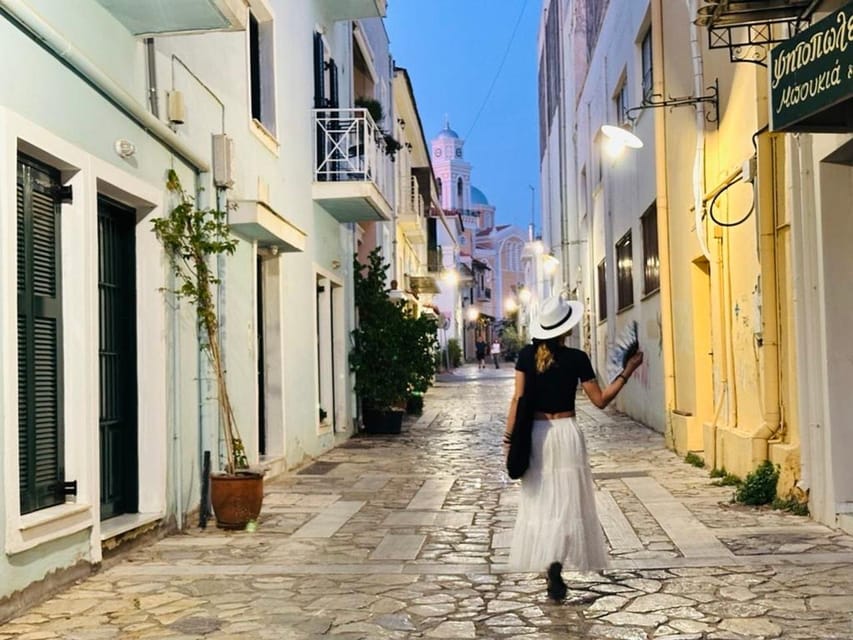
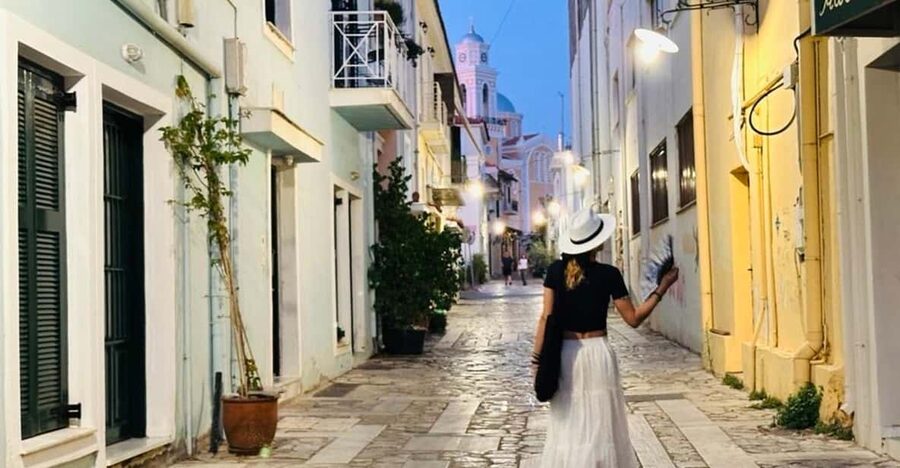
Kalamata’s old streets have a talent for making the past feel close. This tour leans into that. Instead of starting with dates and ending with dates, it starts with characters, secrets, and consequences. You are guided through the historic center in a story-first way, with the timeline acting like a backstage crew.
I like the tone because it stays serious without pretending everything was clean and noble. The tour promises the dark version of heroes: the double lives, the scandals, and the moments where loyalty and romance stop lining up. You get to hear how events and myths were written into official records, articles, and diaries, then carried forward through local memory.
One reason it works is that it is specific. It does not just say Ottoman rule happened, or that a European war was important. It frames Kalamata as a place where alliances formed, information mattered, and people made choices that echoed well beyond the Peloponnese.
Further into the Peloponnese



Meeting at the statues, then following footsteps through old town

You meet at the statues in the middle of the square. That matters more than it sounds. Starting right in the center gives you quick orientation, and it sets the pace for the rest of the walk.
From there, you follow the guide through Kalamata’s historic center, with the route built around “protagonists footsteps.” The tour’s central idea is that famous buildings hide real stories behind their walls. You are not just looking at architecture. You are hearing what happened near it, including episodes tied to crusaders and pirates, and the kind of drama that turns up when power gets paranoid.
The fact that the tour includes access to famous buildings and sites also changes what you expect. You are not only viewing from a distance. Even without the details of every doorway, you should anticipate moments when the guide takes you closer to meaningful places and explains the context that makes them matter.
The 2-hour structure: pace, focus, and what you should expect to cover
This is a 2-hour guided walking tour. That time limit shapes everything. You will not get a full museum-style, stop-at-every-thing experience. Instead, you get a dense run of stories that connect places to events, and events to people.
A smart way to think about it is like this: the guide pulls one story thread at a time, then uses the next street to continue the thread. The tour themes you are told up front, crusaders, pirates, cursed princesses, lovers and traitors, bloodthirsty rulers, are not random spooky labels. They are the tour’s method for making the political history readable.
You will likely spend a good chunk of the walk on three big blocks:
- Kalamata’s long shadow before liberation, including the Ottoman period and the pressure it brought
- The liberation moment, positioned as the first town liberated after 400 years of Ottoman rule, with the cost and conflict that came with it
- The European intrigue after that, where spies, classified cases, and international intrigue appear in the narrative mix
Because the tour is live and story-driven, the pacing depends on the guide. Recent feedback highlights high energy and humor, plus a strong sense of how to keep the group moving without losing the point of each stop.
Why the Ottoman liberation story feels personal, not textbook
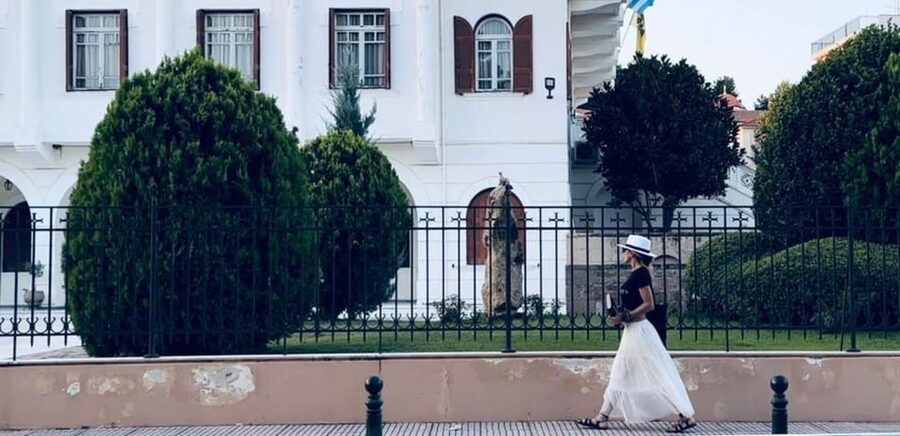
The tour’s big historical claim is that Kalamata became the first town liberated after 400 years of Ottoman rule. You hear that framed not as a clean victory lap, but as a turning point with complicated fallout.
What I appreciate here is the emphasis on the “dark side.” That does not mean sensationalism for its own sake. It means you get the sense that liberation creates its own problems: power vacuums, rival claims, revenge cycles, and the risk of new forms of oppression replacing old ones.
This is also where the tour’s “official documents, articles, diaries” angle becomes practical. Rather than treating the past like a ghost story, the guide ties the narrative to written sources. You are meant to understand that these events were recorded, argued about, and in some cases deliberately quieted.
If you like history that reads like human behavior, not just politics, this section is where it clicks. You start seeing the city as a stage where different groups fought over control, legitimacy, and information.
Spies, lovers, traitors, and the international stories that orbit Kalamata
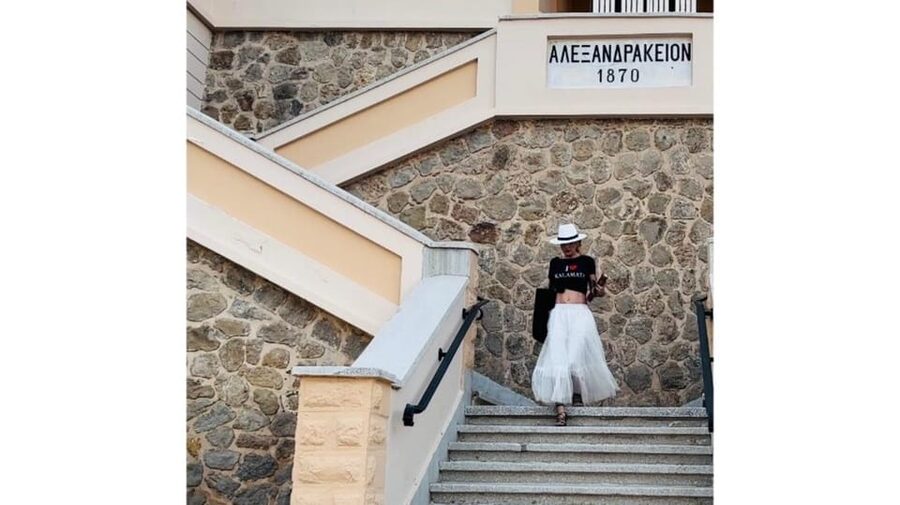
The tour leans hard into espionage and secret missions. You are told themes about the biggest number of spies of the allied forces, plus a secret mission connected to victory against the German Reich. Even if you already know general WWII outlines, this framing brings it back to places and people.
Then come the love-and-power angles. The tour specifically asks a question you may not expect: what the relationship is between Kalamata and scandalous love affairs of Russian Empress Catherine the Great. That kind of international name-drop can feel gimmicky on some tours, but here it is presented as part of the city’s tangled story web.
You also hear about a famous murder case that is described as still filed as classified in the British Foreign Office and remains unopened. That is the sort of detail that gives the walk an extra edge, because you are not only hearing about battles and rulers. You are hearing about the mysteries that linger in bureaucratic drawers.
A balanced expectation: these topics are presented as stories with a historical spine. The value is not that every claim will feel like a courtroom proof. The value is that the guide connects Kalamata to the wider European narrative in a way that makes the city feel relevant, not just picturesque.
Walking past famous sites while listening for the “scandal behind the wall”
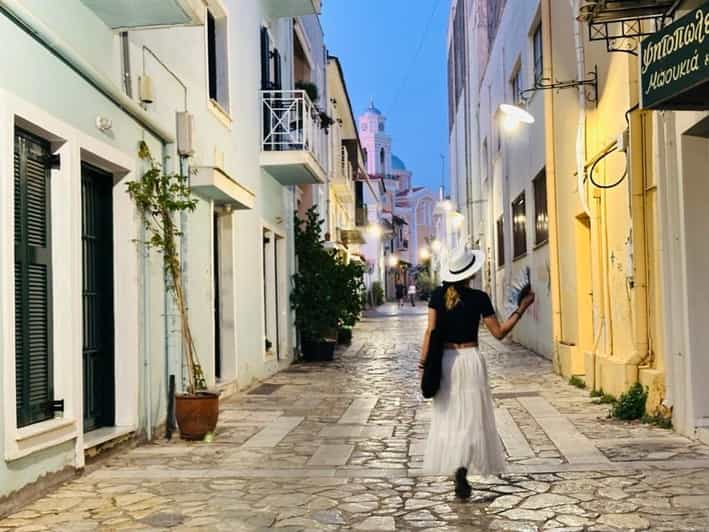
The tour promises stories of mythical battles, secret scandals, and brutal murders tied to Kalamata’s sites and buildings. Since the exact stops are not listed here, you should expect the guide to point out specific places and then reveal what those places represent in the storyline.
Here is how to get the most out of this part: listen for what the guide says about motives. When the tour talks about love affairs, it is not only romance. It is leverage. When it talks about rulers and bloodthirsty episodes, it is not only violence. It is control and fear. When it talks about pirates and crusaders, it is not only adventure. It is disruption and power grabs.
One of the reasons this format works is that it turns the city into a set of clues. You start building a mental map where each street feels like it has a past agenda. That is how you end up seeing Kalamata in a new light, more intense than you expected.
And yes, the tour uses the idea that the past is still present in official records and quiet diaries. If you like stories where the tone feels slightly dangerous, this is your lane.
- Sea Kayak in Kardamili★ 5.0 · 438 reviews
- Sea Kayaking in Navarino Bay★ 5.0 · 210 reviews
- Rafting Lousios river★ 5.0 · 36 reviews
- Navarino Bay: Sea Kayaking with Lunch★ 4.7 · 31 reviews
Churches, religious icons, and the royal curse theme
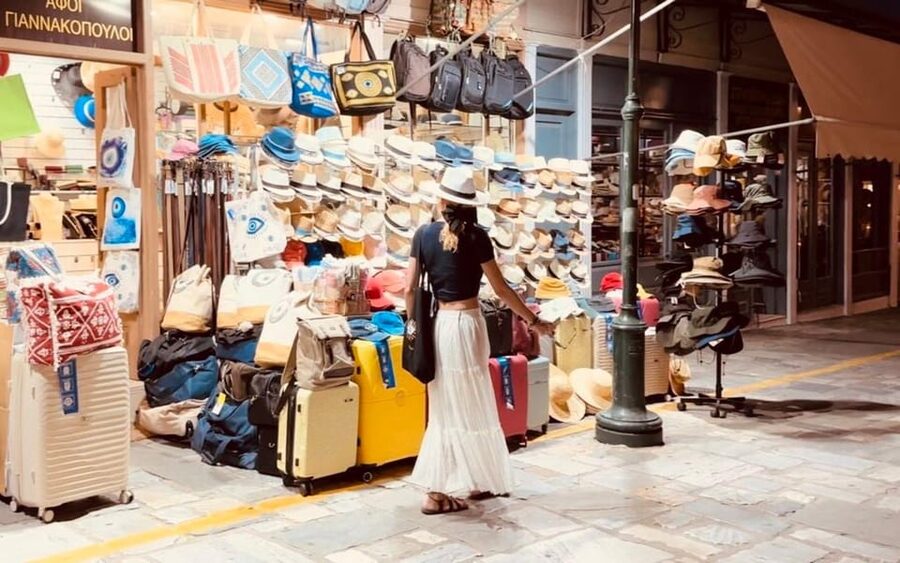
Some of the strongest feedback points to the guide’s ability to bring myth and religion into the conversation without making it feel childish. One guest highlighted the religious icon and the church stories, while another loved the royal curse style narrative.
You should expect that these moments come as part of the walking storytelling, not as a separate liturgy-style visit. The guide likely uses the church context to explain what symbols meant to locals, and how myths or curses carried moral lessons in the public imagination.
The royal curse angle, in particular, is useful because it shows how people processed fear and uncertainty. In times of political stress, curse stories and symbolic narratives become a way to talk about guilt, betrayal, and fate without saying the quiet part out loud. That fits the tour’s overall theme: what was written down, what was said carefully, and what was repeated because it helped people make sense of chaos.
Tina and Photina style: what the guide presence changes for you
The tour is live with a guide in Greek and English. Reviews from recent departures consistently praise the guides for being engaging and energetic, and for making history fun without turning it into nonsense.
Names you may see in recent runs include Tina and Photina. The repeated pattern is clear: the tour feels like a performance built on research, with humor and high energy. That matters, because the subject matter is dark. If the guide were flat, you would lose the thread. When the guide brings momentum, you stay with the story long enough for the details to connect.
Practical tip: if you care about understanding everything, sit close to the guide when you can. In a walking group, the best view is often the best hearing too.
Price and value: what $41 gets you in Kalamata
At $41 per person for 2 hours, this tour sits in the budget-friendly to mid-budget zone. The value comes from three things that are explicitly included:
- A guided walking tour of Kalamata’s historic center
- Stories of historical figures and events
- Access to famous buildings and sites
What is not included is also clear. There are no meals or drinks included, and there are no museum entrance fees included. If you want to add anything afterward, plan to pay separately.
So the value question becomes: do you enjoy guided storytelling more than you enjoy self-paced exploration? If yes, you are paying for a trained narrator who connects the dots. If you prefer quiet wandering with a map, you might feel like you are paying for someone else’s version of the city.
The good news is that this tour is designed to be high impact for a short time. Two hours is long enough to build a narrative arc, but short enough that you can still do your own stuff after.
What to bring for a smooth walk in Kalamata
The practical list is simple and worth following:
- Comfortable shoes
- Sun hat
- Camera
- Sunscreen
- Water
You will be walking through the historic center, and Greece sun can turn a pleasant stroll into a sweaty slog. Hydration and shade help you stay comfortable enough to actually listen.
Also, don’t plan on this being a casual, slow shuffle. It is a tour with a steady flow of stops and stories, so shoes matter more than looks.
Who should book this tour, and who should skip it
This experience is best for you if you:
- Like history told through people, not just dates
- Want Kalamata to connect to broader European events and international intrigue
- Enjoy spy stories, scandal themes, and myth flavored with historical context
- Prefer a guided walk over reading a guidebook alone
You should skip it if:
- You use a wheelchair or have mobility impairments
- You cannot comfortably do a walking tour for the duration
If you are unsure, think about the walking itself. The tour’s main content is delivered through movement, so it is not the kind of experience that automatically works if you need frequent sitting or reduced walking.
Should you book the Kalamata Historical Gossip Tour?
I’d book it if you want Kalamata to feel like a living mystery box, full of secrets tied to real places. At $41 for 2 hours, the price feels fair for a guided story walk that hits liberation after Ottoman rule, allied spy themes, Catherine the Great connections, and a classified murder mystery thread.
Skip it only if mobility limits you, or if you need a straightforward, academic-style history lesson with lots of museum time. Otherwise, this is the kind of tour where you finish thinking about the city differently, and where the streets feel like they still remember names.
FAQ
How long is the Kalamata Historical Gossip Tour?
The tour lasts 2 hours.
What does the tour cost?
It is priced at $41 per person.
Where do I meet for the tour?
You meet at the statues in the middle of the square.
What is included in the price?
You get a guided walking tour of Kalamata’s historic center, stories of historical figures and events, and access to famous buildings and sites.
What is not included?
Meals and drinks are not included, and hotel pickup and drop-off are not included. Entrance fees to museums or attractions are also not included.
What languages are available for the tour?
The guide speaks Greek and English.
Is the tour refundable?
Yes, it offers free cancellation. You can cancel up to 24 hours in advance for a full refund.
Does it offer a pay later option?
Yes. You can reserve now and pay later.
What should I bring?
Bring comfortable walking shoes, a sun hat, sunscreen, a camera, and water.
Is the tour suitable for wheelchair users or mobility impairments?
No. The tour is not suitable for wheelchair users or people with mobility impairments.
The Rest of Kalamata
Every Other Kalamata Write-Up



Further Into the Peloponnese

Everything else we have written up around Kalamata



Peloponnese & Monemvasia, side by side.
 ★ 4.5Athens: Peloponnese Highlights Day Trip and V.R. Audio GuideFrom $331,425 reviews
 ★ 5.0Rock Climbing at Kardamili- West ManiFrom $102192 reviews
 ★ 5.0Kalamata- Olive oil & Wine Tour with traditional lunchFrom $108117 reviews
 ★ 5.0PELOPONNESE HIGHLIGHTS PRIVATE: Corinth Mycenae Nafplio EpidaurusFrom $376103 reviews
 ★ 5.0Kalamata: The Olive Oil Routes TourFrom $10673 reviews
 ★ 4.9Kardamyli: Sea Kayaking With LunchFrom $9469 reviews
 ★ 5.0Organic Olive Grove tour & Olive oil tasting & lunch in Kalamata!From $14461 reviews
 ★ 5.0Ancient Sparta Ancient Corinth Private Tour from Athens/ NafplioFrom $26558 reviews
Sits on these lists