
Review · PELOPONNESE & MONEMVASIA
Kalamata: The Olive Oil Routes Tour
Olive oil here comes with stories and snacks. The Kalamata Olive Oil Routes Tour links the 13th century Castle of Androusa, perennial olive trees, and a hands-on tasting led by a certified professional. You also build your own olive oil and food pairings, so it is not just sitting and listening.
Two things I especially like are the walk through olive groves around Androusa and the structured tasting that teaches you what makes extra virgin olive oil taste the way it does. One consideration is logistics, you meet the guide outside the castle on the main road and there is no hotel pickup, so plan on getting there by taxi or car.
In This Review
- Key things you should know before you go
- Kalamata in a half-day: how this tour actually feels
- Androusa Castle to olive groves: the walk part is the mood-setter
- In Androusa village: touring a family olive oil press and mill
- Certified tasting session: learning the language of extra virgin olive oil
- Pairing oils with Greek food: you build your own flavor combinations
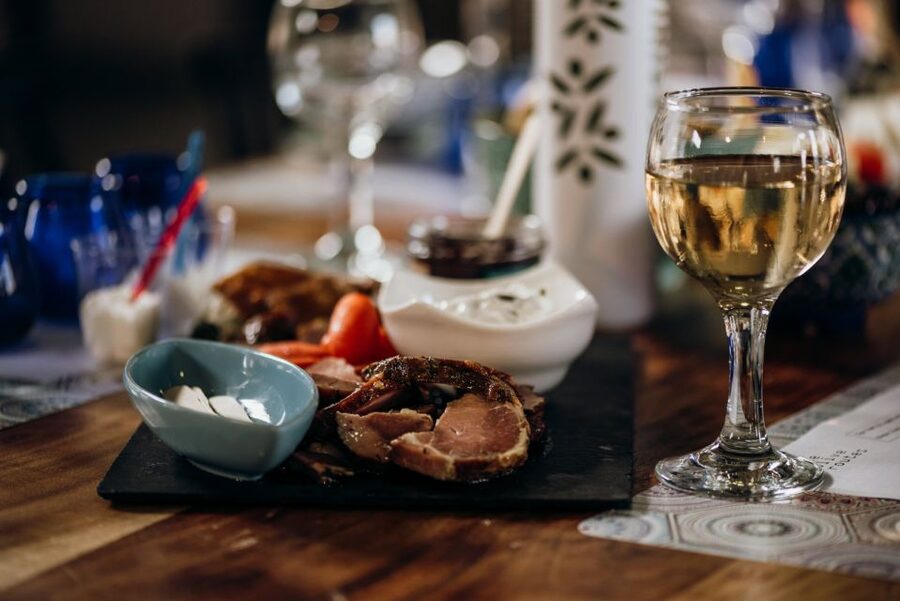
- What you actually eat: olive based plates from Messinia
- Price and value: is $106 fair for 3.5 hours?
- Who should book this olive oil route tour
- Should you book the Kalamata Olive Oil Routes Tour?
- FAQ
- Where is the meeting point for the tour?
- Is hotel pickup and drop-off included?
- How long does the tour last?
- What is included in the price?
- What olive oils will you taste?
- What food items are paired with the olive oils?
- Will the guide speak English?
- What should I bring for the walk and tasting?
- Can I cancel, and do I get a full refund?
Key things you should know before you go

- Meet outside the Castle of Androusa, a great landmark that makes the start easy to find
- Family-run olive mill visit in Androusa village, where extraction and storage are explained
- Certified olive oil taster guides you through flavor recognition in blue tasting glasses
- You sample Koroneiki plus other Greek extra virgin varieties like Manaki, Xalkidikis, and Mavroelia
- Pair oils with tzatziki, kalamata olives, olive paste, lalagia, pasto (smoked ham), and local cheeses
- Small group vibe, which makes it easier to ask questions during the food and tasting parts
Further into the Peloponnese

Kalamata in a half-day: how this tour actually feels
This is a 3.5 hour small group tour, built like a chain: groves first, then production, then tasting, then food pairings. The best part is that each stop answers the next question. You see the trees, you learn how oil is made, and then you taste what those differences become on your tongue.
At $106 per person, the value comes from stacking multiple paid components into one experience. You get entrance fees, guided tastings, food tastings with olive based items, and a certified taster, plus taxes and included photos. The only thing you need to handle is getting yourself to the meeting point.
Androusa Castle to olive groves: the walk part is the mood-setter
You start outside the 13th century Castle of Androusa on the main road. From there, you drive about 20 minutes from Kalamata and roughly 10 minutes from Ancient Messene, so you are in the right pocket of Messinia without spending the whole day in transit.
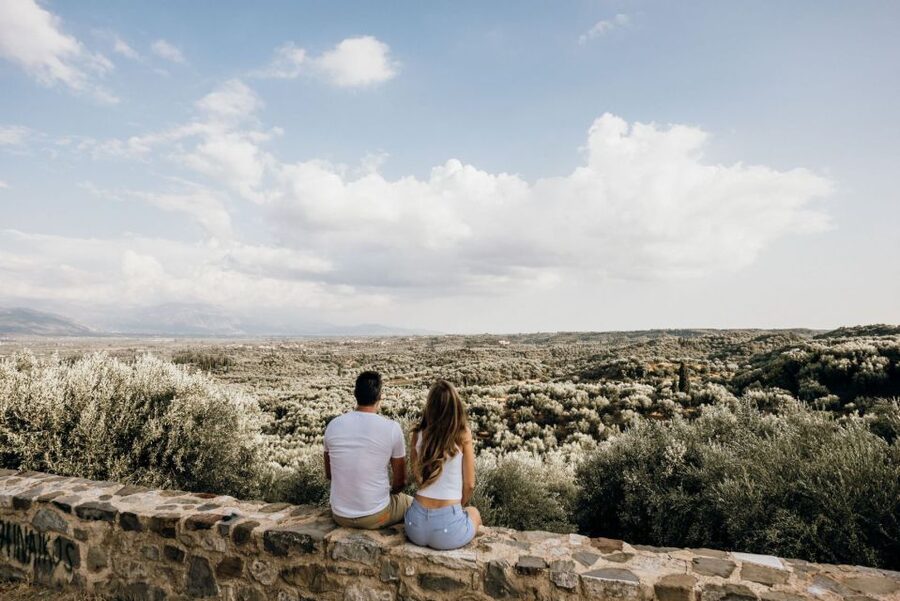
Then comes the olive walks, where the guide gives you the background that makes the landscape make sense. You hear how the olive groves tie into local life, plus history and myth connected to the castle olive trees. It sounds like storytelling, but it actually helps your tasting later, because you understand why certain varieties matter and why timing and handling of the fruit are taken seriously.
Practical note: wear comfortable shoes and expect walking on uneven ground in an olive growing area. You also want sunscreen and a sun hat, because you are outside for a real chunk of the tour.
In Androusa village: touring a family olive oil press and mill
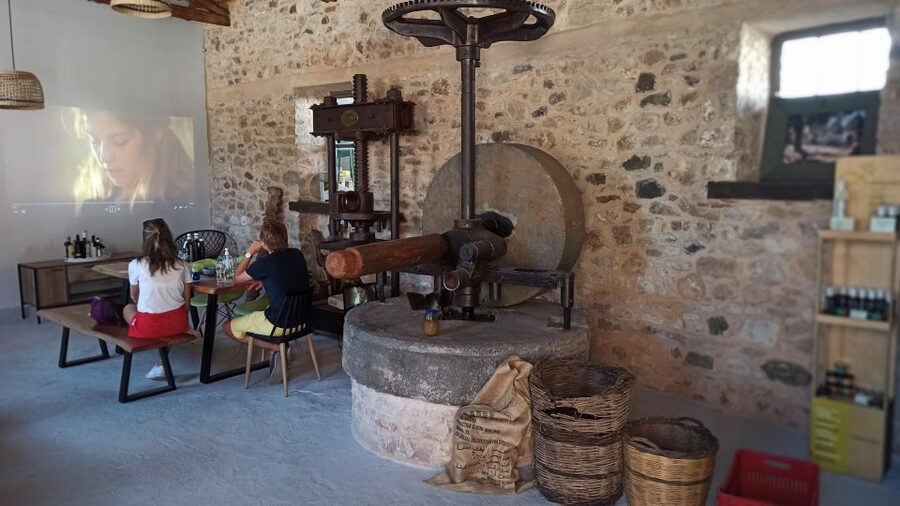
The grove walk leads into the center of Androusa village, where you visit a unique olive oil press and mill that has been operating for more than 120 years. This is not a distant museum stop. You are on site with a family operation, and the fifth generation owner explains how the olives move through the process into extra virgin olive oil.
You get a clear overview of the steps, including extraction, storage, and how they approach standardization. That matters because olive oil quality is not only about the tree variety. It is also about what happens right after the olives are harvested and how the oil is handled afterward.
One subtle benefit here is pacing. The tour does not rush you through production and then immediately ask you to taste. You learn what you are tasting first, then you taste with context.
Certified tasting session: learning the language of extra virgin olive oil

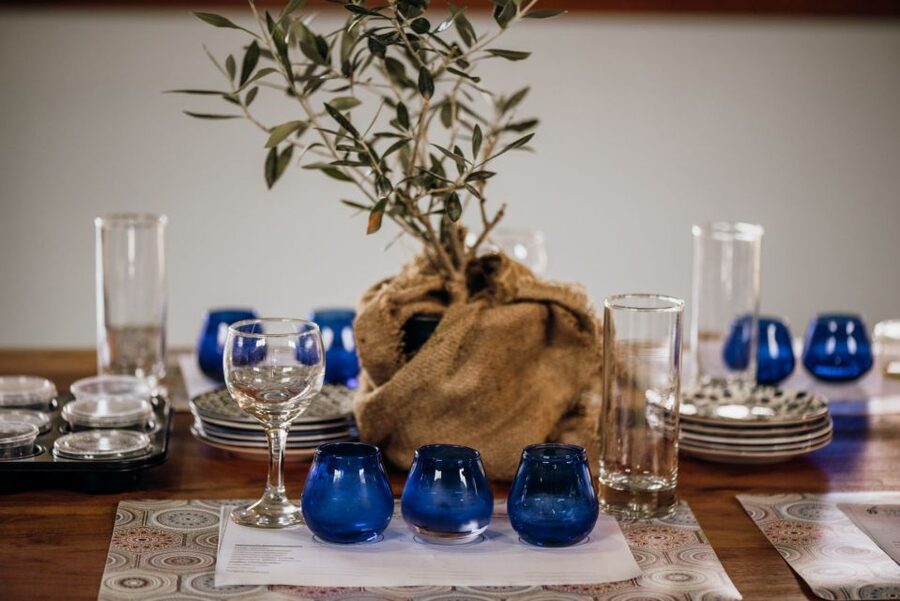
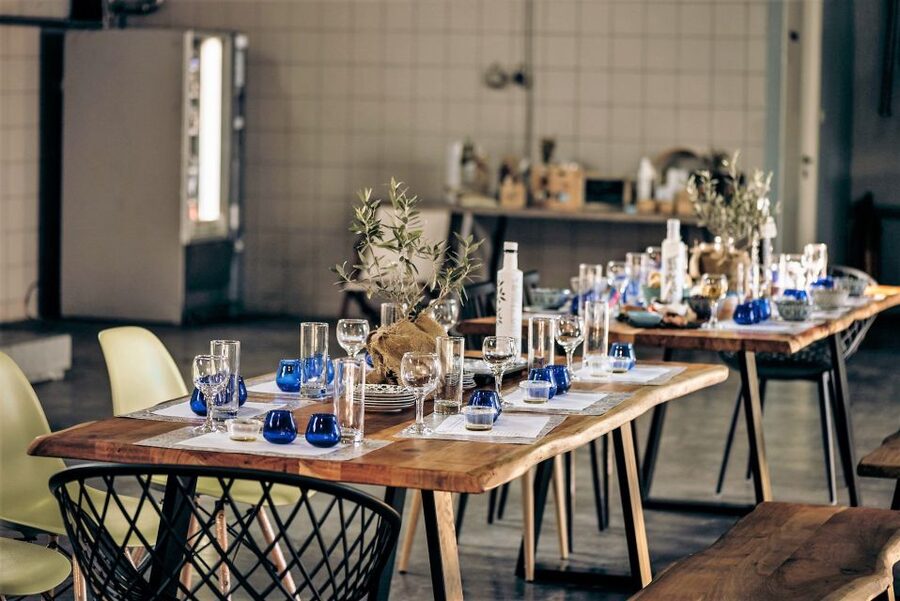
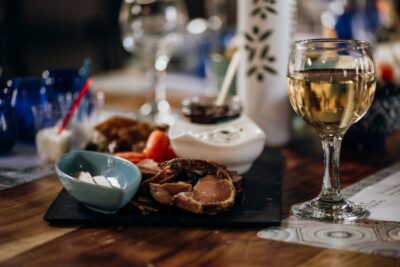
The tasting is led by a certified olive oil taster, and the setup is designed for learning. There is a table with blue olive oil tasting glasses, so you can focus on aroma and flavor without the distraction of looking at labels.
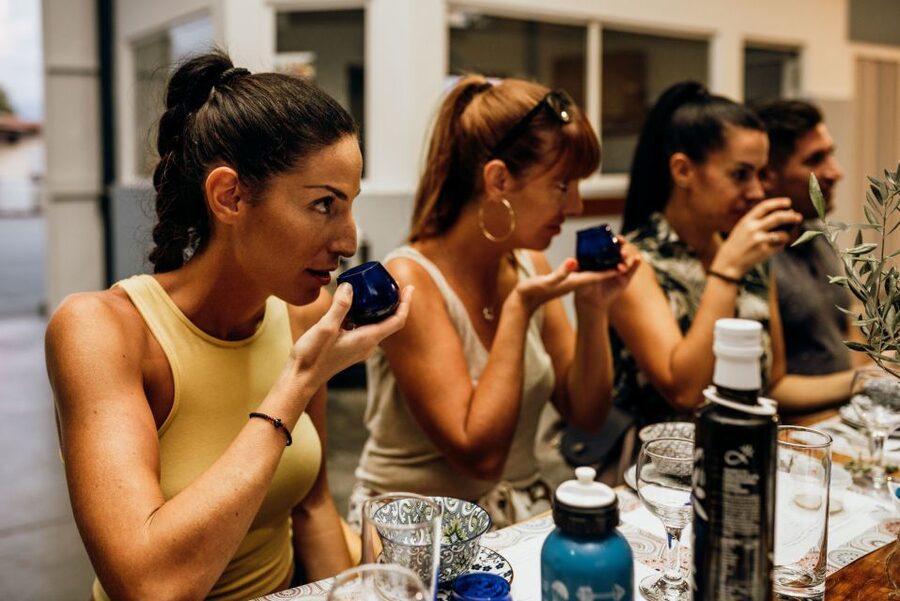
You start with Koroneiki, and the taster guides you through its organoleptic characteristics, meaning the smell and taste components you should notice. You also learn to recognize the elements that define good extra virgin olive oil, which makes the rest of the tasting more meaningful.
Next you taste several other Greek varieties, including Manaki, Xalkidikis, and Mavroelia. The goal is not just to say which one is best. You evaluate how they differ in flavor, so by the end you have a practical sense of how olive oil personality changes with variety.
If you are the type who usually orders oil by guesswork at home, this is the part that can change your habits fast. Not because you will become a judge overnight, but because the tasting teaches you what to pay attention to.
Pairing oils with Greek food: you build your own flavor combinations
After the tasting flights, you move into food pairings. Here is the smart design of this tour: you taste olive oil, then you taste what it does with real local dishes.
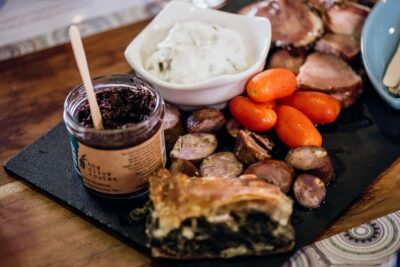
You match extra virgin olive oil with traditional recipes and small plates, including items like tzatziki and kalamata olives. The tour also includes olive based goods such as olive paste, lalagia, and pasto (smoked ham), plus local cheeses.
There is also an interactive element that I really like: you combine olive oil with at least four different plates and make your own olive taste combinations. That gives you something you can remember, and it turns tasting into a mini game instead of a lecture.
If you have dietary restrictions, you should double check with the operator when you book, but you should know the tour format is built around multiple small plates rather than one fixed dish. Also, from experience on similar food tours, this style tends to be easier to adapt than a single-course sit-down meal.
- Sea Kayak in Kardamili★ 5.0 · 438 reviews
- Sea Kayaking in Navarino Bay★ 5.0 · 210 reviews
What you actually eat: olive based plates from Messinia
This tour is not only about oil in tiny sips. You also get local food tastings, and the experience typically finishes with a sit-down moment where you eat more than a snack.
The menu focus is Messinia’s olive culture, so expect lots of olive themed flavors. You might see combinations featuring olives and olive paste, plus cheeses that work well with extra virgin oil. Items like lalagia and pasto help balance the oil with savory, salty, and smoky notes.
One reason this part lands so well is the pairing logic. Olive oil can taste fruity, green, or even slightly bitter depending on variety and processing. When you eat it with tzatziki, olives, or cheese, those flavors either pop or mellow out. That is the learning.
Price and value: is $106 fair for 3.5 hours?
For $106 per person, you are paying for more than a walk and a tasting. You are paying for:
- a certified taster running a structured tasting session
- production education at a working mill
- entrance fees and taxes
- included food tastings with multiple olive based plates
- photos from the tour
If you tried to recreate this on your own, you would still need a guide, a tasting framework, and the chance to taste multiple oils side by side with proper context. Even if you find a mill visit, it is rare to get the pairing format and the variety-to-variety comparisons in one half-day.
The main trade-off is time and transport. There is no hotel pickup, so you need your own ride to the meeting point outside the castle of Androusa. If you are already in Kalamata and using taxis, it is usually manageable, but it is still a factor in how easy the day feels.
Who should book this olive oil route tour
I think this tour fits best if you want more than a basic food stop. You should book if you:
- love learning through tasting, not just photos
- want context for extra virgin olive oil flavors and quality cues
- enjoy food pairings and want to understand why certain oils match certain dishes
- like family-run, on-site experiences where people explain their process
It may feel less ideal if you hate walking outside for stretches or you want a tour focused mainly on ruins or beaches rather than food and production. But if olives are anywhere on your must-do list in Messinia, this is one of the more focused ways to go deep in a short time.
Also, this seems friendly for mixed ages. People have described the tour as fun and engaging, and the structure of stations helps keep attention during the walk, mill visit, and tasting.
Should you book the Kalamata Olive Oil Routes Tour?
Book it if you want a real Messinia experience centered on olive trees, production, and the flavors that come from them. I would prioritize this tour over a generic tasting session because you get the full chain, grove to mill to tasting to pairings.
Skip or reconsider if you cannot get to the meeting point outside the Castle of Androusa without pickup help, or if you know you will not enjoy food tastings and outdoor walking. Otherwise, the price, the certified tasting approach, and the variety comparisons make it a strong use of your time in the Kalamata area.
FAQ
Where is the meeting point for the tour?
You meet your guide outside the castle of Androusa, on the main road.
Is hotel pickup and drop-off included?
No, hotel pickup and drop-off are not included.
How long does the tour last?
The tour duration is 3.5 hours.
What is included in the price?
The price includes entrance fees, olive oil tastings, food tastings with local olive based goods, an expert local tour leader, a certified olive oil taster, taxes, and photos from the tour.
What olive oils will you taste?
You taste extra virgin olive oil, including the Koroneiki variety, and you also evaluate other Greek extra virgin varieties such as Manaki, Xalkidikis, and Mavroelia.
What food items are paired with the olive oils?
You pair the oils with traditional recipes and small plates, including tzatziki, kalamata olives, olive paste, lalagia, pasto (smoked ham), and local cheeses.
Will the guide speak English?
Yes, the live tour guide provides Greek and English.
What should I bring for the walk and tasting?
Bring comfortable shoes, a sun hat, and sunscreen.
Can I cancel, and do I get a full refund?
Yes. You can cancel up to 24 hours in advance for a full refund.
Every Other Kalamata Write-Up


Groves, Mills and Farm Tables
Further Into the Peloponnese
Everything else we have written up around Kalamata

Peloponnese & Monemvasia, side by side.
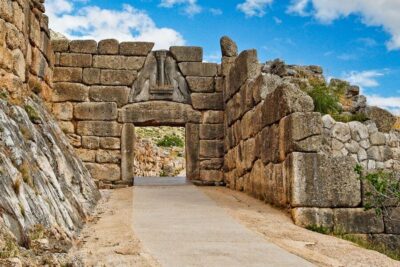 ★ 4.5Athens: Peloponnese Highlights Day Trip and V.R. Audio GuideFrom $331,425 reviews
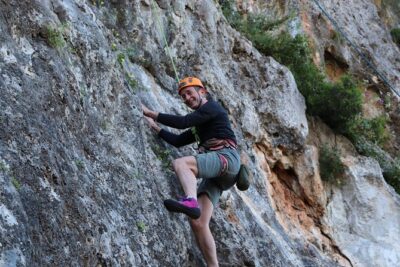 ★ 5.0Rock Climbing at Kardamili- West ManiFrom $102192 reviews
 ★ 5.0Kalamata- Olive oil & Wine Tour with traditional lunchFrom $108117 reviews
 ★ 5.0PELOPONNESE HIGHLIGHTS PRIVATE: Corinth Mycenae Nafplio EpidaurusFrom $376103 reviews
 ★ 4.9Kardamyli: Sea Kayaking With LunchFrom $9469 reviews
 ★ 5.0Organic Olive Grove tour & Olive oil tasting & lunch in Kalamata!From $14461 reviews
 ★ 5.0Ancient Sparta Ancient Corinth Private Tour from Athens/ NafplioFrom $26558 reviews
 ★ 5.0Day tour to Ancient Olympia,Ancient Sparta Mycenae Including MealFrom $28654 reviews
Sits on these lists