
Review · ANCIENT OLYMPIA TOURS
Katakolo Port: Transfer to Ancient Olympia and VR Audio Tour
Olympia is closer than you think from Katakolo. This shore trip links the port to the birthplace of the Olympic Games, then lets you explore with a VR audio tour on your phone. It is built to fit a cruise schedule, without the usual headache of long waits or transfers.
I like two things a lot. First, the start is easy, with check-in right near the cruise area and clear directions to the Grekaland tours shop. Second, the bus ride is comfortable, modern, and air-conditioned, and the VR audio setup happens while you are still on the way.
One thing to plan for: the VR is not a separate headset. It runs through your phone (or tablet), and some people find the app and site navigation a little awkward at first, especially when signage is limited.
In This Review
- Key highlights worth knowing
- Katakolo Port To Olympia, built for cruise timing
- The bus ride and VR audio setup before you arrive
- Ancient Olympia visit: what the 3-hour window really means
- Temple of Hera, Temple of Zeus, and the places behind the Olympic rituals
- Museums and the Olympia village break you can actually use
- Price and value: why $13.55 can make sense, and when it might not
- How good is the VR audio tour, really?
- Practical tips to make your Olympia day smoother
- Who this Katakolo to Olympia tour fits best
- Should you book this Katakolo Port transfer to Ancient Olympia?
- FAQ
- How long is the visit to Ancient Olympia?
- Are the entrance fees for monuments included?
- What do I need to use the VR audio tour?
- Are headphones provided?
- Where do I meet at Katakolo Port?
- Is the transportation air-conditioned?
Key highlights worth knowing
- Short, cruise-friendly transfer from Katakolo Port to Olympia with time built in for both museum and ruins
- VR audio tour in 10 languages running on your smartphone or tablet
- Air-conditioned coach on a modern, comfortable ride with an English-speaking driver and escort
- Major Olympia landmarks covered like the Temple of Hera, Temple of Zeus, the stadium, and the Bouleuterion area
- Time to wander independently after you get the instructions, rather than a rigid, hour-by-hour script
- Optional entry-ticket choices that can change what you pay for on the day
Other visits to the stadium at Olympia


Katakolo Port To Olympia, built for cruise timing
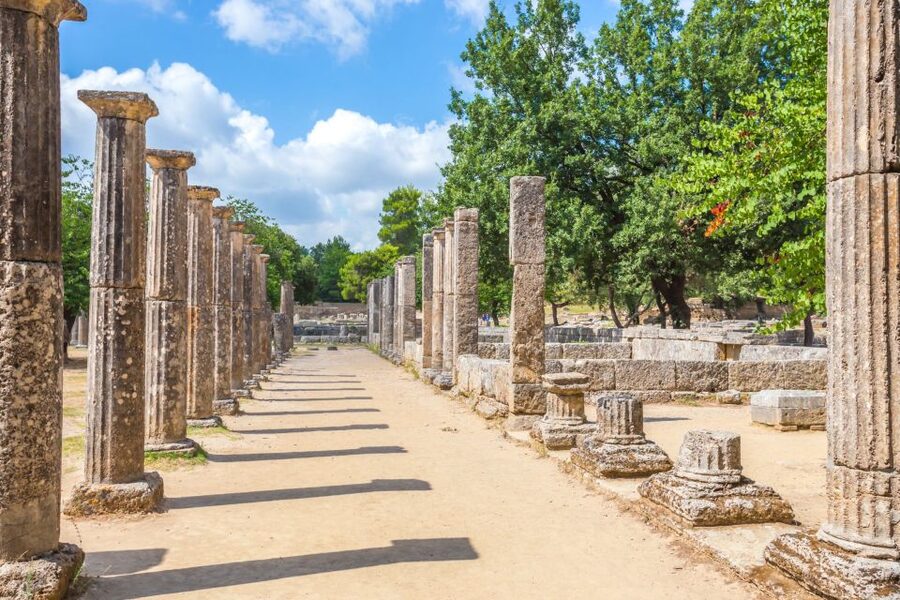
This excursion is basically a well-timed shuttle that gets you from Katakolo to Ancient Olympia and back, with just enough structure to keep your day smooth. The route is designed around the cruise rhythm, so you are not stuck waiting around for hours just because a bus is late or a group is moving slowly.
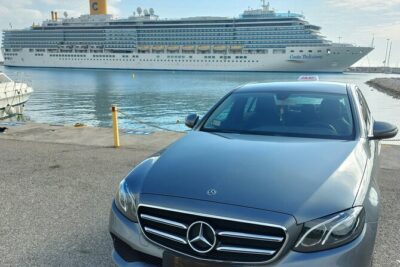
From the port, you disembark and find the local partner at the exit cruise terminal. In practice, the meeting point is close enough that you are not dragging luggage across half a port area. One review specifically called out the start being about 150 meters from the ship, with check-in described as easy and well explained.
The ride itself is straightforward, about 30 minutes to Olympia in the general flow, with schedules showing roughly 40 minutes for the coach legs. Either way, it feels like a quick hop rather than a long day of transit.
The bus ride and VR audio setup before you arrive
This is one of the best parts of the experience because you start learning before you ever step into the site. On the way, the team helps with the VR audio app installation or setup, so you are not trying to figure out everything in the first 10 minutes inside the archaeological grounds.
I also like that the staff includes an English-speaking driver and escort, and the meet-and-greet team can match many languages for greetings. You might hear names like Chrisy as a facilitator, or see guides mentioned like George and George (driver and guide), Ethmet, or Mehmet, depending on your departure.
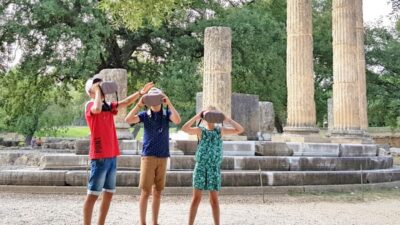
A quick note for your expectations: the VR visuals are tied to your phone experience, not special glasses. Some people found the VR aspect so-so and used the normal audio and site plaques instead. Others liked the added context. Either way, having the audio running during your first impressions helps you connect the ruins to what you are hearing.
Ancient Olympia visit: what the 3-hour window really means
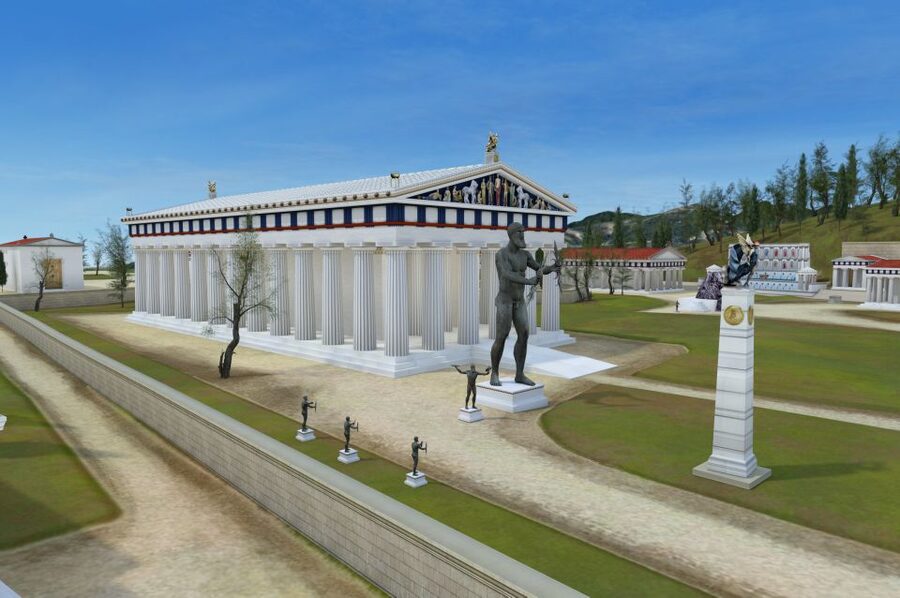
Once you get to Olympia, you get about 3 hours on site, plus transit time for the day. That time block is the heart of the tour. It is long enough to do the archaeological highlights and also catch the main museum focus, but short enough that you will want a simple plan.
The day’s structure is usually: a quick orientation, then independent exploring using the audio/VR prompts and the site information. You typically get printed guidance for what to see and in what order, plus printed entry tickets if your option includes them.
Here is what that feels like in real terms. You are not locked into following a guide through every square meter, which is great if you like pausing for photos or taking breaks. It is also good if your group has mixed interests, since you can spend more time in the museum or focus on the ruins.
The tradeoff is that you are doing more navigation yourself. If you like clear sightlines and a big, obvious printed map, you might want to prepare for a bit of trial and error. One review noted that the printed map could help, because some people could not easily tell what they were looking at without it.
Temple of Hera, Temple of Zeus, and the places behind the Olympic rituals
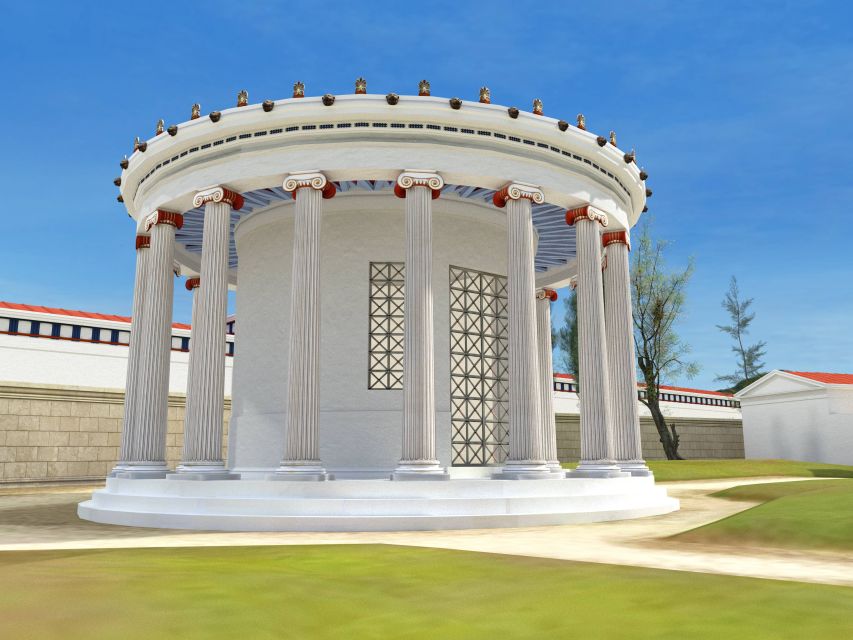
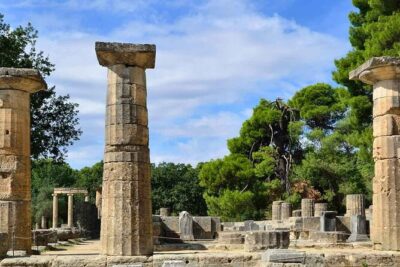
Ancient Olympia is not just “old buildings.” It is the setting for the rules, ceremonies, and big symbolic moments that made the Olympics different. This is where the modern Olympic flame connection makes sense, because the Temple of Hera is right in front of the area associated with the flame ceremony during today’s games.
In the audio tour, you get pointed toward major landmarks such as:
- Temple of Hera: the site area where the modern Olympic flame is lit in relation to current ceremonies
- Temple of Zeus: once home to the statue of Zeus, described as a Golden and Ivory work, known as one of the Seven Wonders of the Ancient World
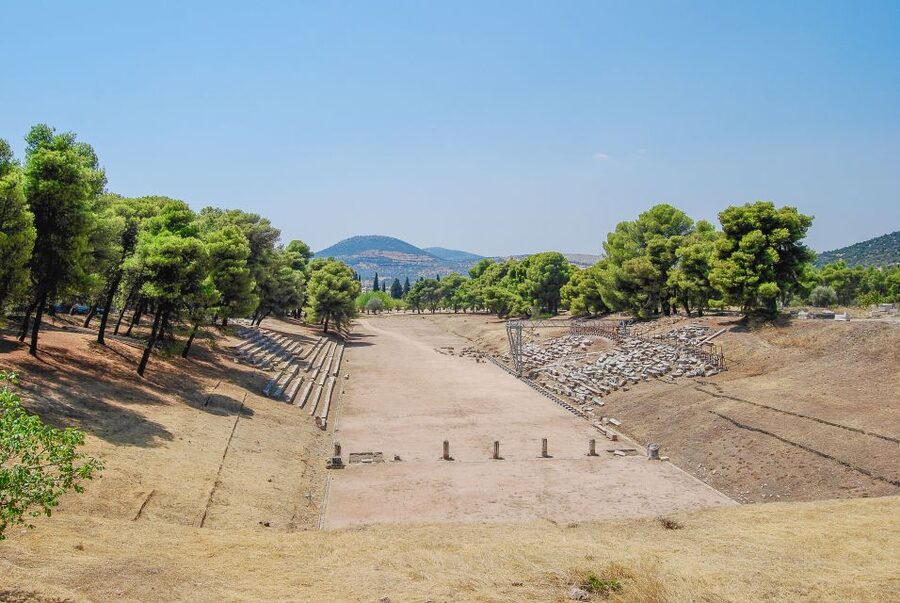
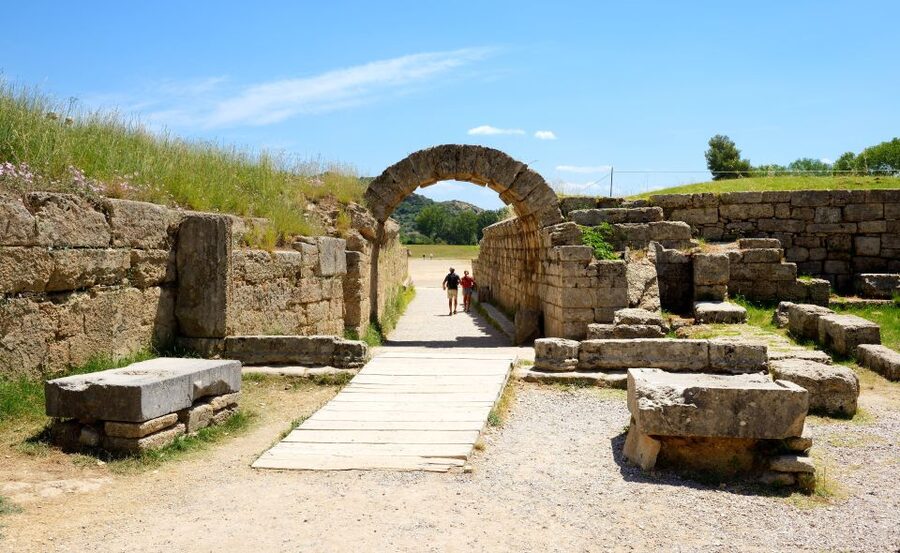
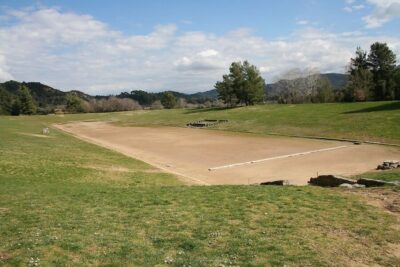
- The stadium and Bouleuterion: the stadium area and the Bouleuterion, where competitors historically swore oaths to follow the rules
You also get the broader time frame of the original games, held from 776 BC to 393 AD. Even if you do not remember dates, it helps to hear that context as you stand in the spaces where athletes once gathered.
If you are the kind of person who likes to “read” ruins with your eyes, this format works well. If you need a live guide to explain every step, you may find the independent model a little light. The good news is that during the bus ride, many guides spend time answering questions, which helps fill some gaps before you go solo.
Museums and the Olympia village break you can actually use
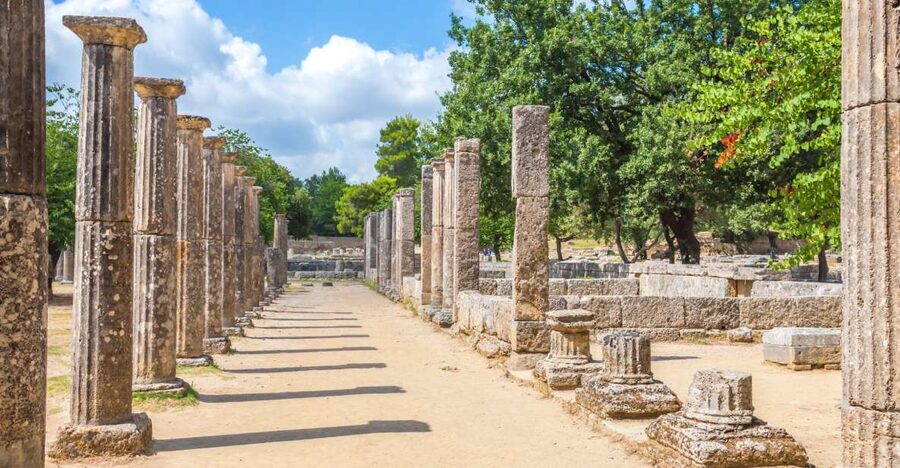
This tour gives you access to both the museum experience and the archaeological area, depending on the tickets you choose. One review described doing the Archaeological Museum first, then moving through the ruins using plaques and audio prompts. That order makes sense because the museum gives you anchor points for what you are seeing outdoors.
People also noted that the Museum of the Olympics can feel short and focused, with fewer artifacts than you might expect. That is not a deal-breaker. If you treat it like an intro to the games rather than a massive museum collection, it tends to land well.
You also get time near Olympia village, which is handy when the day is hot or when you want a quick bite. Several reviews mentioned using the village time for lunch, coffee, snacks, and shopping, with one person saying it was enough time for exploring both ruins and the village before returning to port.
Other Katakolo routes with audio in your ear
- Half-Day Ancient Olympia VR Audio Tour from Katakolo Cruise Port★ 3.5 · 57 reviews
Price and value: why $13.55 can make sense, and when it might not
The price listed here, $13.55 per person, is attractive because you are paying for the practical stuff: roundtrip transportation on an air-conditioned bus, plus the VR audio tour in 10 languages and staff help during the day.
But there is an important value catch. Entrance to monuments is not universally included, because you can choose between two ticket options. The tour is presented as having entry-ticket choices, and the base inclusions explicitly say monument entrances are not included. In plain terms, your final cost can rise if you do not include entrance tickets upfront.
I would treat it like this:
- If you want the lowest friction, pick the option that includes entry tickets if available. This can prevent the “wait in line for tickets” moment after you arrive.
- If you are comfortable buying entrances on site, you might save money, but plan time for lines.
For a cruise port day, that tradeoff is usually worth thinking about. You only have a set number of hours, and delays in ticketing can squeeze museum time or how long you can wander the ruins.
How good is the VR audio tour, really?
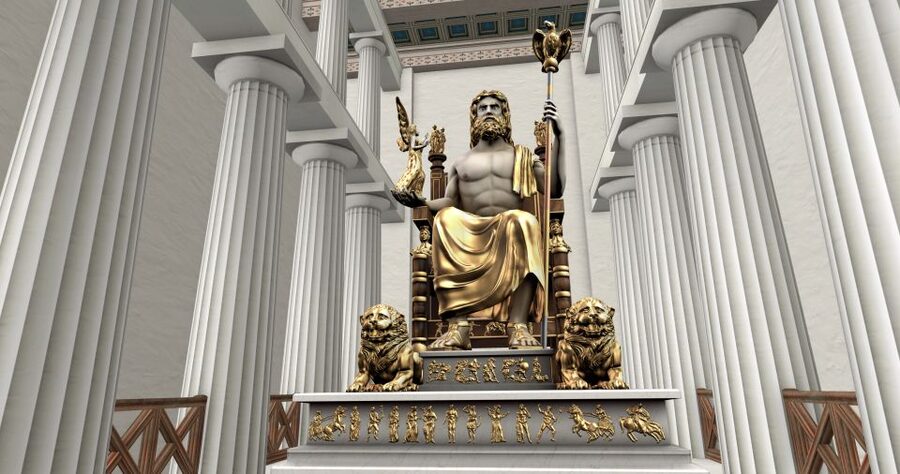
The VR angle is genuinely part of the pitch, but it is smart to calibrate expectations before you go.
Here is what is clearly supported:
- The tour uses a virtual reality application and audio guide
- It is available in 10 languages
- It runs on an Android or Apple phone or tablet you provide
- You might get an optional audio guide set that includes multiple languages as well
Here is what tends to happen in the field based on the feedback patterns:
- Some people found the app confusing to navigate, especially early on, and wanted better on-screen instruction
- A few said the VR app needed restarts to get audio working reliably
- Several mentioned navigation difficulty across the grounds because signage is limited
- Even when the VR visuals were not perfect, the audio and the site plaques still helped people learn key points
So, how do you get the most out of it? Use it as a tool, not a strict map. Let the audio provide context while your eyes do the rest. If you get stuck, switch to following plaques and the printed guidance instead of fighting with the app.
Also consider bringing personal headphones. One review noted that headphones are not provided, and adding your own can make it easier to listen discreetly, especially in busy areas.
Practical tips to make your Olympia day smoother
If you want this to feel easy, a little prep goes a long way.
First, bring a charged smartphone and expect that you will use your battery heavily. The VR app requires the device you bring, and there is no mention of loaner devices.
Second, wear comfortable shoes. Olympia is a walking site, and even with a 3-hour window, you will cover enough ground that sore feet can ruin the day.
Third, do a quick strategy before the museum and ruins. Since you will be exploring on your own after the initial instructions, decide what matters most to you:
- If you love architecture and symbolism, prioritize Hera, Zeus, and the stadium-related areas
- If you love artifacts and context, prioritize the museum first, then sweep the big ruins with audio support
Finally, take the app learning curve seriously. Plan to spend your first minutes getting oriented. One person mentioned needing multiple tries to figure out where they were, and another said the audio was better once they got their bearings.
Who this Katakolo to Olympia tour fits best
This is a great fit for cruise travelers who want a smooth, low-stress transfer and enough time to see the essentials. You will like it if you:
- Want roundtrip logistics handled for you
- Prefer some independence once you arrive
- Like learning through audio in your chosen language
It may be less ideal if you want a fully guided walkthrough with an expert speaking live throughout the entire archaeological visit. Since the format leans on self-exploration, people who prefer constant guidance might want to consider a different tour style.
It also works well for language flexibility. The host and greeter setup lists many languages, including English, French, German, Spanish, Italian, Polish, Russian, Japanese, Chinese, and Portuguese, which can matter on a mixed group.
Should you book this Katakolo Port transfer to Ancient Olympia?
I would book it if your top priority is value and simplicity, meaning you want transportation, comfort, and a learning tool without paying for a full private guide. The combination of an air-conditioned coach, an easy port start, and major Olympia stops is exactly what you want for a half-day cruise excursion.
I would think twice if you hate phone-based navigation. The VR experience depends on your device, and some people found the app confusing or the VR visuals not worth the effort. If you are happy using the audio and plaques, it still works.
My practical rule: if you choose the ticket option that includes entry where possible, and you come prepared with a charged phone and comfortable shoes, you are set up for a satisfying Ancient Olympia visit without wasting your cruise hours.
FAQ
How long is the visit to Ancient Olympia?
You spend about 3 hours at the Archaeological Site of Olympia, plus travel time in the air-conditioned bus.
Are the entrance fees for monuments included?
Entrance in the monuments is not included by default, but there are options where entry tickets are included. If you choose the option without entry tickets, you may need to pay on arrival.
What do I need to use the VR audio tour?
You need your own Android or Apple phone, or a tablet, to activate and run the VR audio tour application.
Are headphones provided?
No. You may want to bring personal headphones if you want discreet listening.
Where do I meet at Katakolo Port?
You disembark and find the local partner at the exit cruise terminal. The exact meeting point can vary depending on the option booked.
Is the transportation air-conditioned?
Yes. The roundtrip transportation is on an air-conditioned bus or coach.
The Rest of Katakolo
Every Other Katakolo Write-Up
The Stadium at Olympia
Everything else we have written up around Katakolo

Ancient Olympia Tours, side by side.
 ★ 4.54-Day Classical Greece Tour: Epidaurus, Mycenae, Olympia, Delphi, MeteoraFrom $766732 reviews
 ★ 4.3Ancient Olympia: Archaeological Site and Museum Entry TicketFrom $30555 reviews
 ★ 4.8Olympia: Tour with Virtual Reality and AudioFrom $28505 reviews
 ★ 4.53-Day Classical Greece Tour: Epidaurus, Mycenae, Nafplion, Olympia, DelphiFrom $520342 reviews
 ★ 4.3Olympia: Archaeological Site & Museum E-Ticket & Audio GuideFrom $41272 reviews
 ★ 4.5Ancient Olympia Half-Day Tour from Katakolo Cruise PortFrom $14228 reviews
 ★ 3.5Katakolo: Pyrgos and Katakolo Hop-on Hop-off Bus TourFrom $11196 reviews
 ★ 4.84-Day Tour of Mycenae, Epidaurus, Olympia, Delphi & MeteoraFrom $747168 reviews
Sits on these lists