
Review · CRETAN & GREEK COOKING CLASSES
Traditional Greek Cooking Class @ Lefkada Micro Farm
Food, farm, and firewood cooking in Lefkada. It’s a farm-to-table Greek cooking class where you start outdoors and end by eating what you helped make.
What I like most is the clear connection between the soil and the plate. Andreas, the host, brings you into the farm with a calm, practical pace, and the ingredients you cook with feel like they actually belong in the dish.
One thing to consider: the class runs in an open-air kitchen and needs good weather. If you’re visiting during a rainy stretch, plan to be flexible.
In This Review
- Key Things I’d Call Out Before You Go
- Lefkada Micro Farm: From Soil to Open-Air Cooking
- Andreas Sets the Tone, and You’ll Feel It Quickly
- Wood-Burning Oven Greek Cooking: Less Fuss, More Flavor
- The Menu You’ll Make: Bread, Tzatziki, Greek Salad, Briam
- Wood-Oven Bread
- Tzatziki with Sheep’s Yoghurt
- Greek Salad with Goat Cheese, Oregano, and Extra Virgin Olive Oil
- Briam, Roasted in the Oven
- The Farmer’s Table Meal: Eating With the People You Cooked With
- Price and Time: Getting Value From a 4-Hour Half-Day
- Who Should Book This Class, and Who Might Skip It
- Weather, Allergies, and Simple Tips That Help
- Should You Book Lefkada Micro Farm Traditional Greek Cooking?
- FAQ
- How long is the Traditional Greek Cooking Class?
- Where does the class start?
- Is the class offered in English?
- How many people are in each group?
- What dishes are included in the menu?
- Can I bring a service animal?
- What should I do if I have allergies or dietary restrictions?
- What happens if the weather is bad?
- How far in advance should I book?
Key Things I’d Call Out Before You Go
- Max 10 people means more hands-on time and less standing around
- Open-air farm experience starts before the cooking, not after
- Wood-burning oven cooking for bread and the roasted main
- Farm-grown ingredients guide every recipe, including sheep’s yoghurt and olive oil
- Farmer’s Table meal keeps the group together, so you actually sit down to enjoy it
More sailings around Lefkada and Ithaca




Lefkada Micro Farm: From Soil to Open-Air Cooking
This class is built around a simple idea: food tastes better when you understand where it comes from. You start at Lefkada Micro Farm, where the setting feels more like an open-air working place than a demo room. That matters because the cooking style is relaxed, and the lessons are tied to what’s growing seasonally right there.
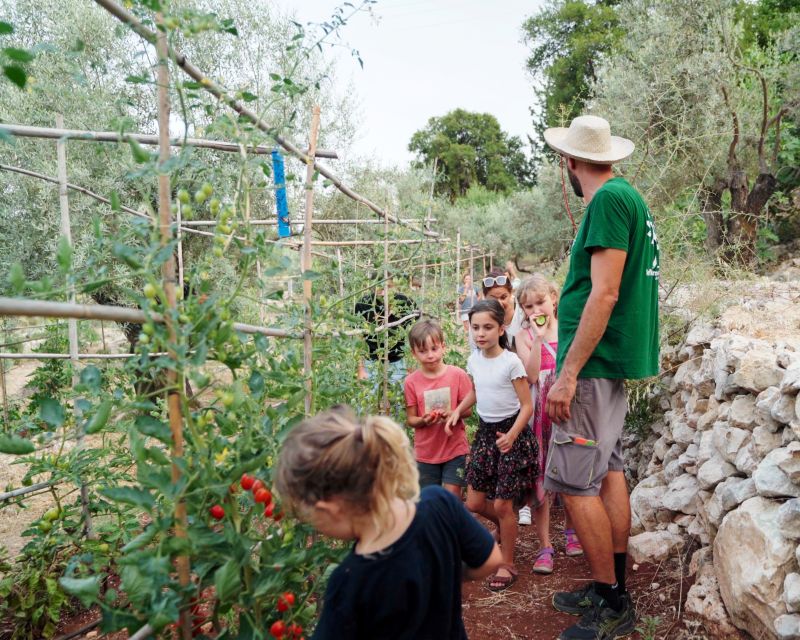
Before you touch a recipe, you’ll get a guided look around the farm and how it works. The focus is on regenerative, ecosystem-minded practices, not fancy farming jargon. Even if farming isn’t your hobby, you’ll leave with a clearer sense of why the dishes are straightforward and ingredient-led.
The open-air setup also changes your tempo. You’re not in a tight kitchen with fluorescent lighting. You’re cooking in fresh air, watching the rhythm of a wood-burning oven, and learning why Greek food leans on real basics.
Andreas Sets the Tone, and You’ll Feel It Quickly
The day runs through Andreas, and you’ll notice his passion right away. He isn’t just reciting facts. He talks about your place in the natural cycle and how that shows up in the food.
If you arrive a little early, you might get to feed the animals before the main flow of the experience. That’s a small moment, but it helps the day feel personal rather than staged. You’ll also be welcomed with coffee, fresh fruit, and cakes, which is a nice break before you start cooking for real.
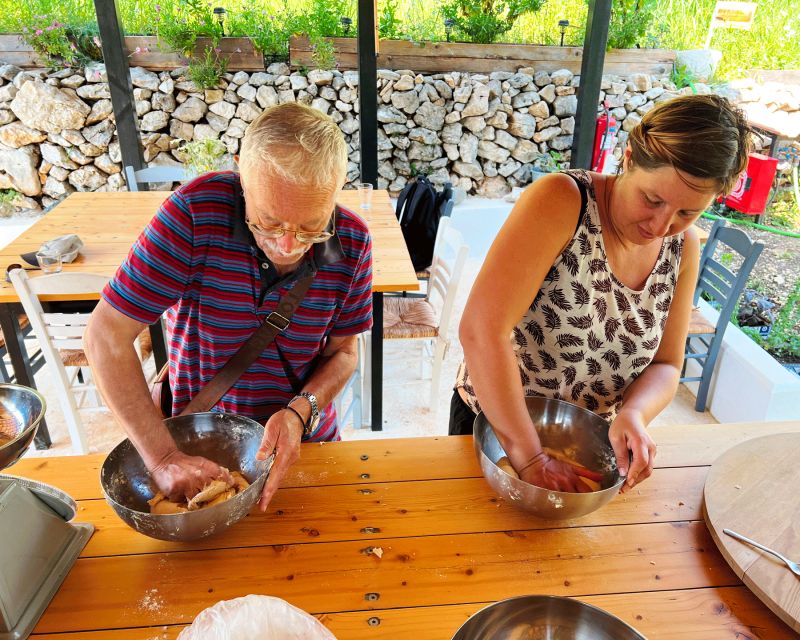
The group gets together with the host, Andreas’s mom, and the chef who helps guide the cooking. Having that team dynamic is a big part of the warmth. It also means you’re not stuck with just one voice. If you have questions about a step, you’re likely to find someone who can explain it in plain language.
Wood-Burning Oven Greek Cooking: Less Fuss, More Flavor
The cooking portion takes place in an open-air kitchen designed around traditional Greek staples. Instead of teaching you complicated techniques, the emphasis is on simplicity: freshness, seasonality, and letting ingredients do the heavy lifting.
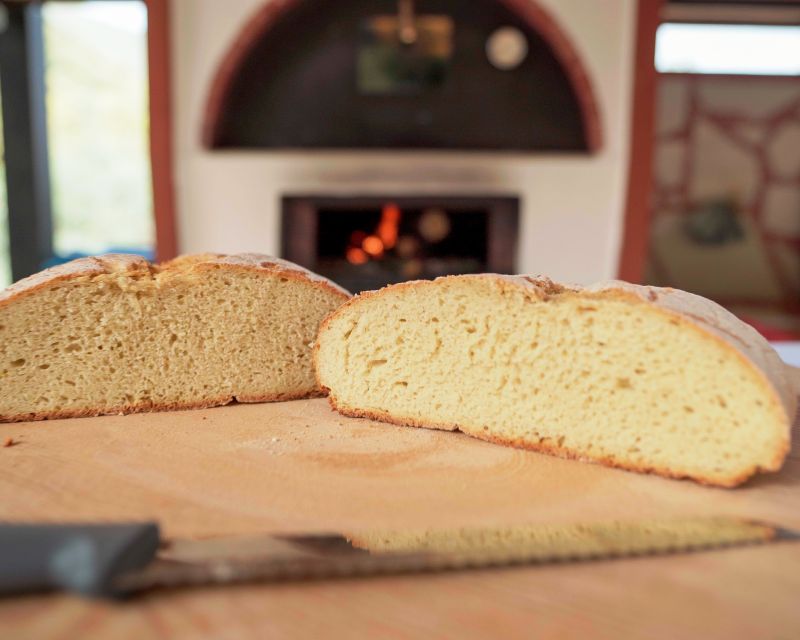
You’ll cook at a gentle pace, with the wood-burning oven as the centerpiece. Bread and roasting style are the kind of skills that feel both practical and satisfying, because you can see the results in real time. And when you taste something that came from a working oven, you understand why Greeks treat oven cooking as everyday craft, not a special-occasion trick.
Another advantage of this format is the small group limit. With a maximum of 10 people, the class avoids the “you watch, you wait” trap. You’ll have a better chance to participate in the hands-on steps, from prep to assembly to the final tasting.
The class runs in English, so you’re not playing catch-up with translation. If you’re comfortable asking basic food questions, you’ll get more out of it.
The Menu You’ll Make: Bread, Tzatziki, Greek Salad, Briam
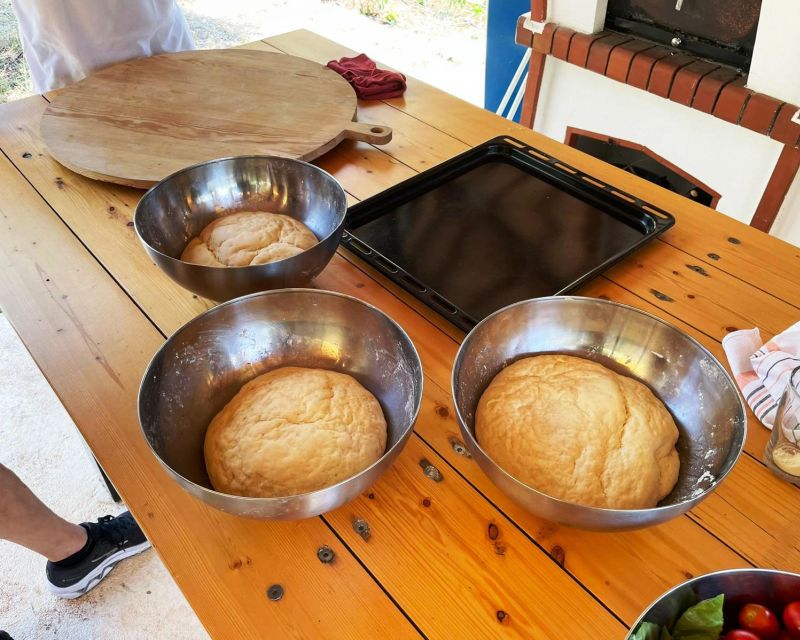
This is not a vague tasting. You’ll leave with a set of concrete dishes, each built around ingredients you can picture and repeat later.
Wood-Oven Bread
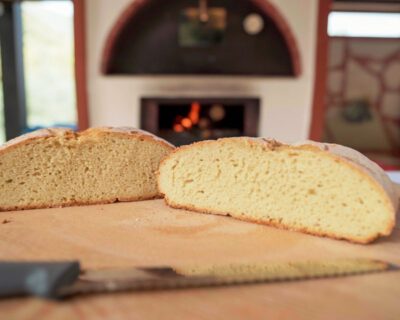
Your first cooking win is bread baked in the wood-burning oven. It’s a straightforward starter, but it’s also a great “how does this place cook?” test. When bread is done well, you can taste the oven heat and the care in the dough from the first bite.
- Explore Ionian Sea with its 50 shades of blue on Makedonia Palace★ 4.5 · 1,518 reviews
- Kayak Trip to Hidden blue Cave, with lunch & fruits.★ 5.0 · 393 reviews
- Nydri: Full-Day Sailing Cruise with Swim Stops & Meal★ 4.5 · 67 reviews
- The Olive Oil Experience @ Lefkada Micro Farm★ 4.5 · 43 reviews
Tzatziki with Sheep’s Yoghurt
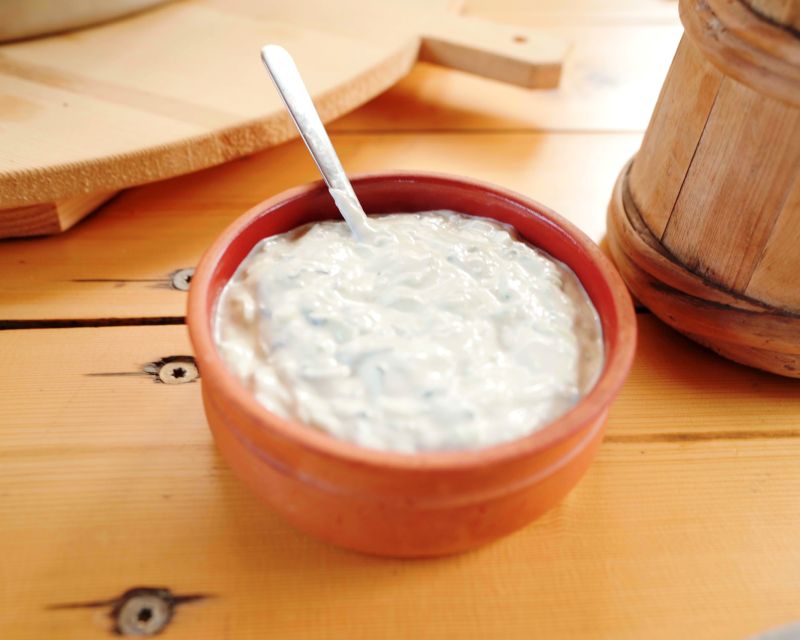
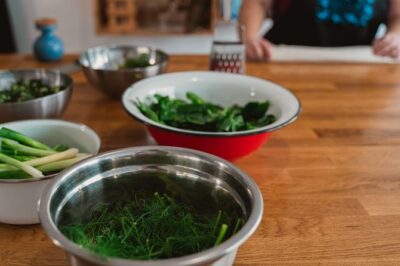
Next comes tzatziki, made with farm-to-table vegetables and sheep’s yoghurt. That’s a key detail. Sheep’s yoghurt tends to taste richer and more distinctive than the more common cow’s milk version, so the sauce doesn’t feel generic. It’s also a perfect example of the class philosophy: you don’t need complicated moves when the dairy and vegetables are truly good.
Greek Salad with Goat Cheese, Oregano, and Extra Virgin Olive Oil
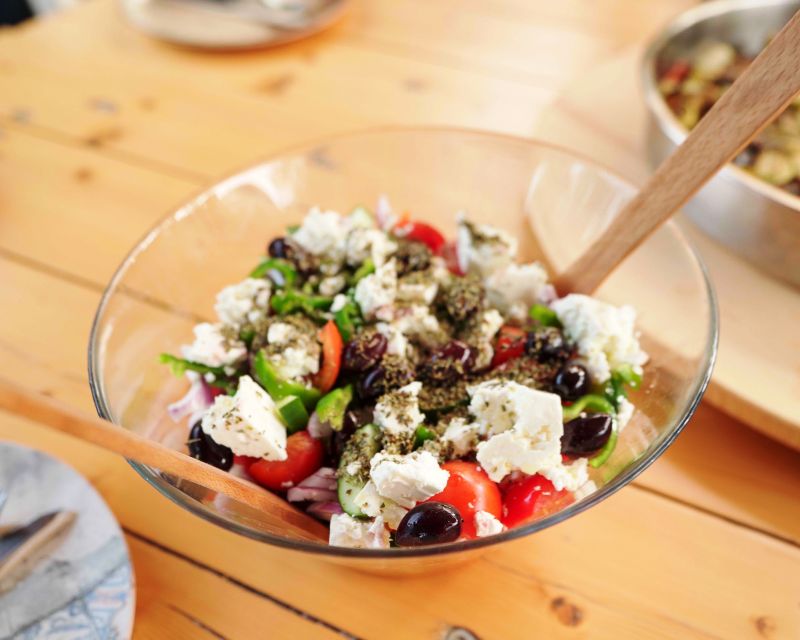
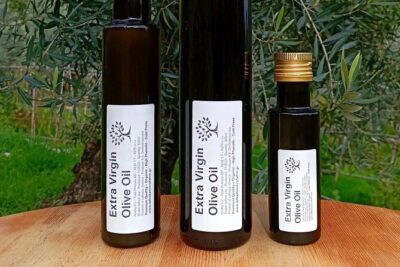
Greek salad here isn’t just chopped produce. You’ll use farm-to-table vegetables plus goat cheese. The recipe also calls for oregano and the farm’s original extra virgin olive oil, which is where the flavors lock together fast.
If you’ve ever had Greek salad that felt like it was missing something, this version is built to fix that. Olive oil and oregano are not side notes. In this menu, they’re part of the structure of the dish.
Briam, Roasted in the Oven
Your main course is briam, a mixed-vegetables dish roasted in the wood-burning oven. Briam is the kind of meal that tastes like it took longer than it did, mostly because roasting turns vegetables sweet and soft. And because briam uses mixed seasonal vegetables, the exact feel of the dish depends on what the farm has ready.
So if you’re the type who likes to cook by what’s fresh rather than by rigid recipes, briam fits your style.
The Farmer’s Table Meal: Eating With the People You Cooked With
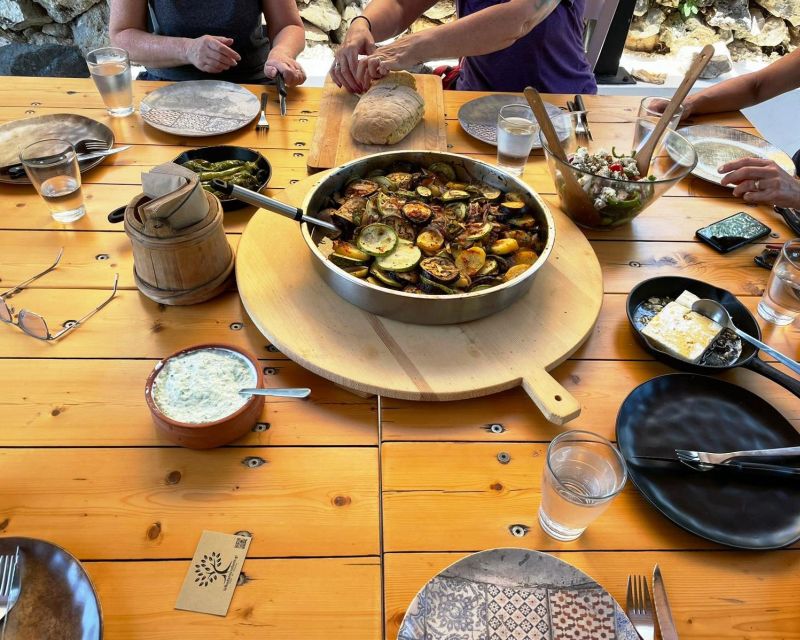
After cooking, you all sit down together at the Farmer’s Table. This is when the day clicks from “activity” into actual experience. The meal is shared family-style, and it gives you a chance to slow down and enjoy what you made, not just complete the steps.
This is also where you’ll notice the biggest value. Cooking classes can sometimes feel like a quick demo plus a snack. Here, you get a real meal with multiple courses, bread included, and a menu that’s meant to be eaten, not displayed.
If you pay attention while you eat, you can map the taste to the earlier farm lessons. The herb choices, the yoghurt, the olive oil, the oven cooking, all make sense because you saw the ingredient story in the morning.
Price and Time: Getting Value From a 4-Hour Half-Day
At $152.58 per person for about four hours, this class sits in the category of paid experiences where you should ask: what’s included that you can’t easily recreate?
Here’s the straightforward answer. You’re paying for:
- a guided farm experience before cooking
- instruction in a traditional style, including wood-burning oven cooking
- a group meal made from the ingredients you prep
The group size cap of 10 matters for value. You’re not paying for a crowd and a show. You’re paying for access and participation.
The four-hour timing is also realistic. You get a meaningful half-day without burning your whole vacation day. If you’re traveling around Lefkada and want one anchor activity that feels local, this fits well.
One more practical note: it’s booked about 15 days in advance on average. If you know your dates, don’t wait until the last minute.
Who Should Book This Class, and Who Might Skip It
This experience is a great match for you if you:
- like hands-on food activities more than museum-style tours
- want a practical look at how farm-to-table cooking works on a small scale
- enjoy Greek food and want more than a restaurant version of it
- prefer smaller groups where you can ask questions
It may be less ideal if you:
- hate being outside for parts of the day
- want a strictly gourmet, high-tech cooking session with lots of advanced technique
- need a very fast, rigid schedule with no “weather and farm rhythm” feel
Because the kitchen is open-air and the cooking ties to natural timing, the day has a gentle flow. If you enjoy that, you’ll probably have a great time.
Weather, Allergies, and Simple Tips That Help
The class depends on good weather. If conditions are poor, you’ll be offered a different date or a full refund, which is helpful. Still, you should treat it like an outdoor activity, not a guaranteed indoor slot.
If you have allergies or dietary restrictions, let the organizers know. The experience notes say they want to hear about dietary needs ahead of time. That’s important for safety and for keeping the cooking day enjoyable instead of stressful.
Service animals are allowed. If that applies to your trip planning, it’s worth confirming details with the provider when you book, but the basic policy is stated.
Also, get ready for a day that’s more about participation than observation. Wear comfortable shoes for the farm setting, and plan to eat. This isn’t a “just a taste” situation.
Should You Book Lefkada Micro Farm Traditional Greek Cooking?
I’d book it if you want something authentic that goes beyond restaurant sightseeing. The strongest reason is the full-circle structure: you see the farm, you cook the food, and then you eat a real meal together. The wood-burning oven and the specific dishes you make, bread plus tzatziki plus Greek salad plus briam, give you tangible takeaways.
The second reason is the human size. With a maximum of 10, you get more guidance and less waiting. Andreas and the team bring a warm tone, including details like coffee, fruit, cakes, and the chance to feed animals if you arrive early.
The only reason to hesitate is weather. If your travel dates are flexible and you don’t mind an outdoor start, you’re in good shape.
If your idea of a great Lefkada day is grounded in food, farm life, and hands-on cooking, this is a smart, satisfying pick.
FAQ
How long is the Traditional Greek Cooking Class?
The class lasts about 4 hours.
Where does the class start?
It starts at Lefkada Micro Farm on Ε.Ο. Νυδριου Βαυκερής Ράχη, Nidri 311 00, Greece, and ends back at the meeting point.
Is the class offered in English?
Yes, it is offered in English.
How many people are in each group?
The class has a maximum of 10 travelers.
What dishes are included in the menu?
You’ll make bread baked in a wood burning oven, tzatziki with farm-to-table vegetables and sheep’s yoghurt, Greek salad with farm-to-table vegetables, goat cheese, oregano, and extra virgin olive oil, and briam (mixed vegetables) roasted in the wood burning oven.
Can I bring a service animal?
Service animals are allowed.
What should I do if I have allergies or dietary restrictions?
Let the provider know of any allergies or dietary restrictions when booking.
What happens if the weather is bad?
The experience requires good weather. If it is canceled due to poor weather, you will be offered a different date or a full refund.
How far in advance should I book?
On average, it is booked 15 days in advance.
Every Other Lefkada Write-Up


Around Lefkada and Ithaca

Everything else we have written up around Lefkada





Cretan & Greek Cooking Classes, side by side.
 ★ 5.0Athens: Classic Cooking Class with Market Visit and WineFrom $831,101 reviews
 ★ 4.9Athens: Food Market Visit and Cooking Class with WineFrom $811,087 reviews
 ★ 5.0Greek Cuisine Cooking Class in Santorini with Recipes and WineFrom $145969 reviews
 ★ 5.0Naxos: Half-Day Cooking Class at Basiliko Family TavernFrom $117887 reviews
 ★ 5.0Greek Cooking Class in Athens Including Rooftop Dinner with Acropolis ViewFrom $120826 reviews
 ★ 5.0Greek Small-Group Athens Cooking Class & DinnerFrom $118574 reviews
 ★ 5.0Exclusive Cooking Experience in our Cave Home by Petra KouzinaFrom $266572 reviews
 ★ 4.9Chania: Authentic Cooking Class in the White MountainsFrom $129529 reviews