
Review · CRETAN & GREEK COOKING CLASSES
Traditional Greek Cooking Class @ Lefkada Micro Farm
First you harvest, then you cook. This Lefkada Micro Farm class is farm-to-table in the real sense, not a marketing slogan, and it runs in an open-air setup with a wood-burning oven that changes how the food comes out. I also like that you are working with seasonal, regenerative ingredients and an olive oil the farm is proud to share, so the meal feels grounded in place.
The main downside is the price. At $123 for four hours, you should go in hungry for the whole farm experience, not just the recipes, because the value comes from doing, tasting, and learning the process, not from collecting quick cooking tricks.
In This Review
- Key Things to Know Before You Go
- Lefkada Micro Farm: The Kind of Cooking Class That Starts in the Dirt
- What You’re Really Buying at $123 for 4 Hours
- The Four-Stage Flow: Harvest, Prep, Wood-Oven Cooking, Farmer’s Table
- 1) Regenerative practices and the rhythm of the farm
- 2) Seasonal harvesting, then straight to the kitchen
- 3) Open-air kitchen cooking with a traditional wood-burning oven
- 4) Farmer’s Table, shared meal, and Slow Food spirit
- Wood-Burning Oven Cooking: Why It Feels Different
- Olive Oil and Herbs: The Taste Lesson That Makes You Want to Cook Again
- What the Meal Covers: Bread, Briami, Tzatziki, Greek Salad
- The Social Side: Small Group Energy and a Table That Feels Like Family
- Price and Logistics: When This Class Is a Great Deal, and When It Might Not Be
- You’re likely to love it if you want:
- You might hesitate if:
- Practical Tips to Get the Most Out of Your 4 Hours
- Plan for a farm setting
- Come ready to taste
- If you have dietary needs, speak up early
- Expect English instruction, but enjoy the mix
- Who This Cooking Class Fits Best
- Should You Book Lefkada Micro Farm’s Traditional Greek Cooking Class?
- FAQ
- How long is the Traditional Greek Cooking Class?
- What does the class cost?
- Is the class taught in English?
- How big is the group?
- What kinds of dishes might we cook?
- Are utensils and an apron included?
- Can the class handle dietary restrictions or allergies?
- Is there free cancellation?
- Is wheelchair access available?
- Are there different starting times?
Key Things to Know Before You Go
- Regenerative organic farming leads directly to what ends up on your plate.
- Wood-burning oven cooking gives the food a traditional feel, including bread and slow-bake dishes.
- Award-winning olive oil is part of the lesson, not just an ingredient.
- Small groups (up to 10) make it easier to ask questions in English.
- Farmer’s Table meal means you eat together family-style, not in separate rows.
- English-led with named hosts in the experience, including Andreas in guest accounts.
More sailings around Lefkada and Ithaca


Lefkada Micro Farm: The Kind of Cooking Class That Starts in the Dirt
If you have done cooking classes before, you might be used to arriving, picking up a knife, and getting straight to recipes. This one flips that rhythm. You begin on the farm, where the point is to understand why the food tastes the way it does.
Lefkada Micro Farm positions itself as part of the Slow Food International farms network, and you can feel that mindset in how the lesson is paced. It is not about impressing anyone with technique. It is about learning the relationship between soil, plants, and simple Mediterranean cooking.
I like that the day has a calm logic. Regenerative, organic produce means the ingredients are tied to an ecosystem, not just a grocery list. Then you harvest what is ready and cook it with the farm’s traditional setup. When you finish, you sit down for the Farmer’s Table meal, which is where the whole experience clicks. The conversation matters as much as the food.
What You’re Really Buying at $123 for 4 Hours
Let’s talk value, because the price is the one thing that can make or break your decision.
At $123 per person for about four hours, you are paying for several things at once:
- A guided, English-led experience with a small group.
- Farm learning time, including harvesting seasonal ingredients.
- Cooking time using a traditional wood-burning oven and an open-air kitchen.
- A shared meal you helped create.
- Included basics like utensils and an apron.
So yes, it is not a budget activity. But it is closer to a “hands-on food education plus dinner” than a typical cooking show. One review note did mention price-to-expectations being slightly off, and I get that. If you mainly want a couple of recipes to take home, you may think the cost is high.
On the other hand, if you want the story behind the food, plus the satisfaction of cooking with ingredients you picked minutes earlier, the price can start to feel fair. In this class, the ingredient origin is the product.
The Four-Stage Flow: Harvest, Prep, Wood-Oven Cooking, Farmer’s Table
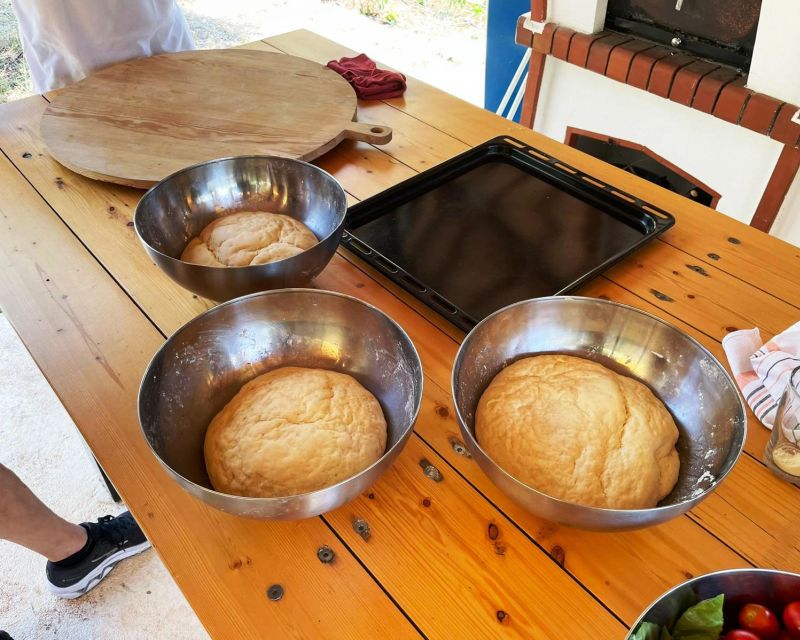
You will experience the class as a sequence of connected moments. Here’s how it usually feels, and why each part matters.
1) Regenerative practices and the rhythm of the farm
You start by stepping onto the land and learning about the regenerative approach the farm uses to keep the ecosystem healthier. The emphasis is on understanding how farming choices affect the soil and the overall growing environment.
This part matters more than you might think. Most cooking classes teach you to cook the dish. This one tries to teach you why the dish tastes right. When you later taste the olive oil or a herb-forward sauce, you will have context for why freshness and seasonality are the backbone of Greek food.
2) Seasonal harvesting, then straight to the kitchen
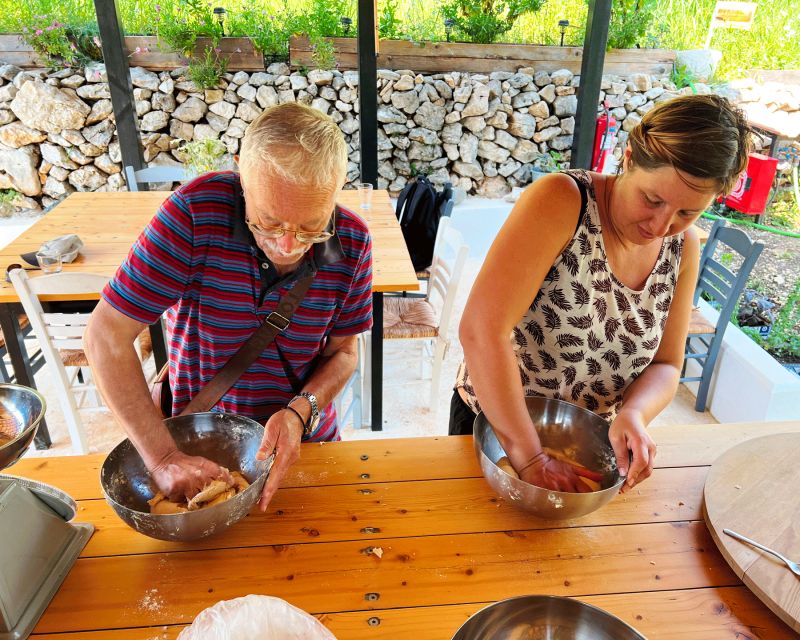
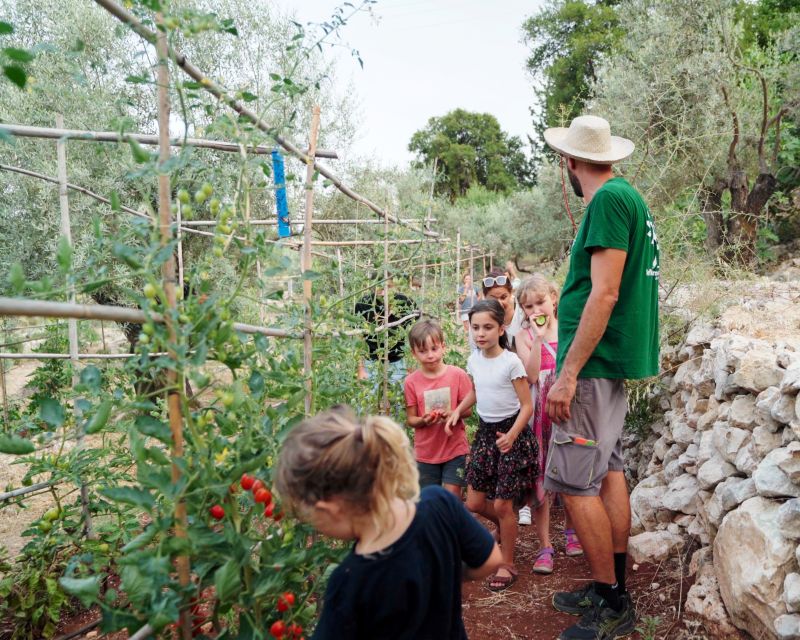
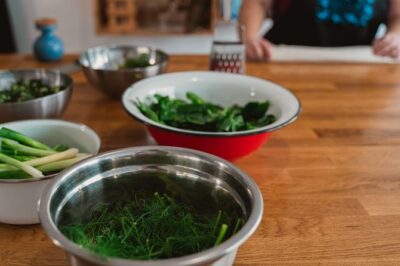
Next comes the practical part: you harvest the organic, seasonal ingredients for your meal. That step gives your cooking a different feel. Instead of grabbing items from a counter, you are choosing what the land has ready.
This is also where the experience becomes memorable fast. A number of guest comments highlighted how special it feels to prepare food shortly after harvesting it yourself. That alone can make a four-hour class feel longer in the best way.
3) Open-air kitchen cooking with a traditional wood-burning oven
Then you move to the open-air kitchen where Greek cooking principles guide everything. The farm keeps it simple: freshness, seasonality, and simplicity are the framework.
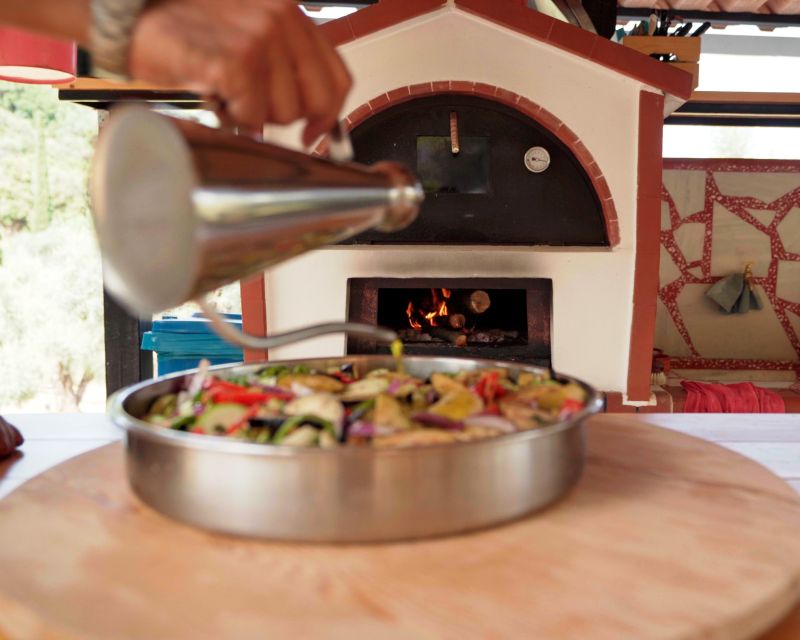
You cook in a traditional wood-burning oven, which changes the whole atmosphere. Even if you are not a baking nerd, you can feel that the heat works differently than a modern range. It also reinforces the idea that this is traditional cooking, not staged “demo” cooking.
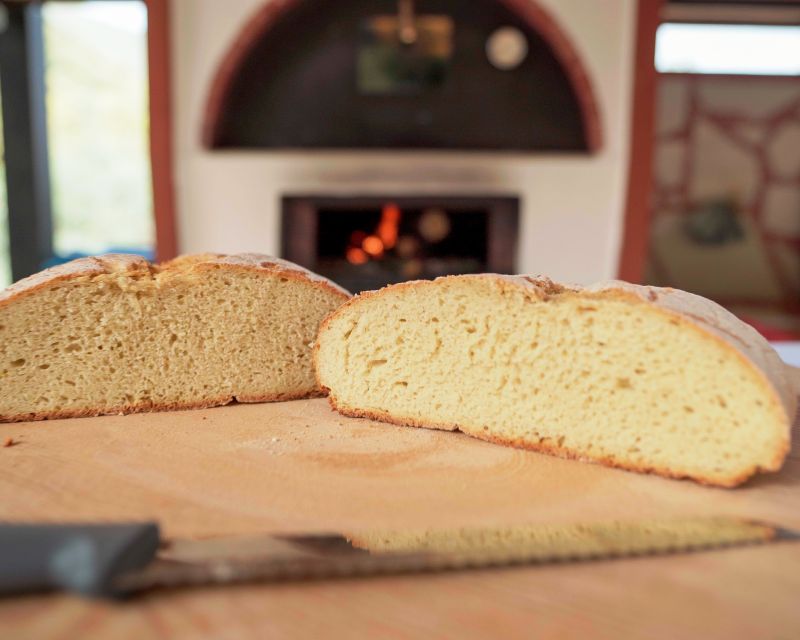
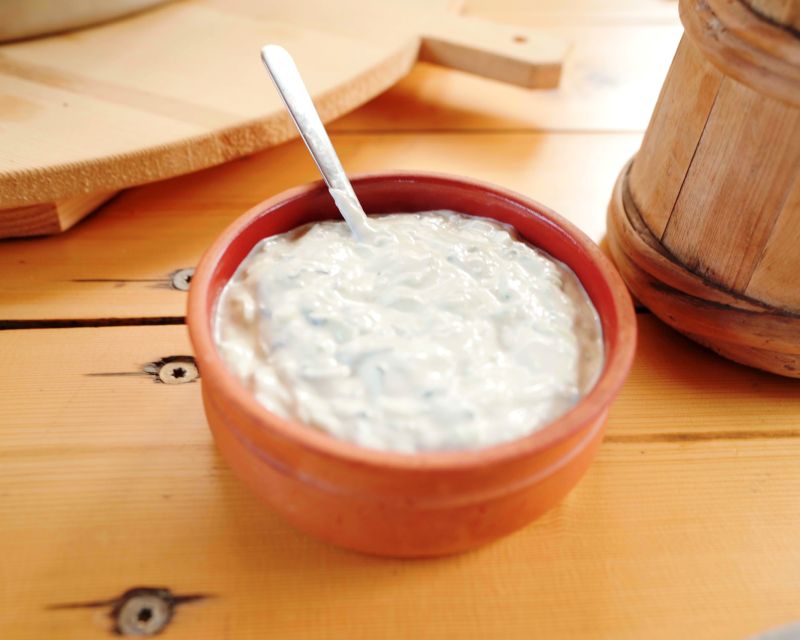
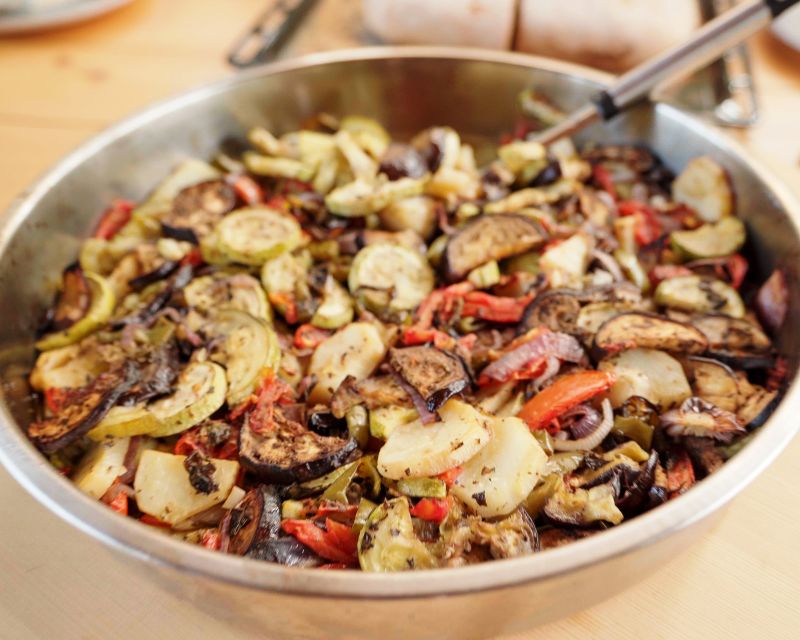
From guest accounts, you can expect classic dishes such as bread, briami, tzatziki, and Greek salad. Those choices are smart for a short class because they show variety: a baked element, a slow-bake vegetable dish, a cool yogurt-based sauce, and a fresh salad.
4) Farmer’s Table, shared meal, and Slow Food spirit
After cooking, you all gather for the Farmer’s Table meal. This is not a quick eat-and-go situation. You share the food you made and sit with the group, creating that Slow Food feel of conversation at the table.
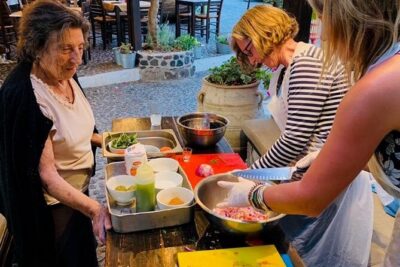
I like that the class is designed for small group energy. With limited participants, it is easier to talk with the people next to you, ask questions, and compare what different cultures do with the same ingredients. Several guest notes mentioned how social the meal felt, including sharing the experience with other nationalities.
Wood-Burning Oven Cooking: Why It Feels Different
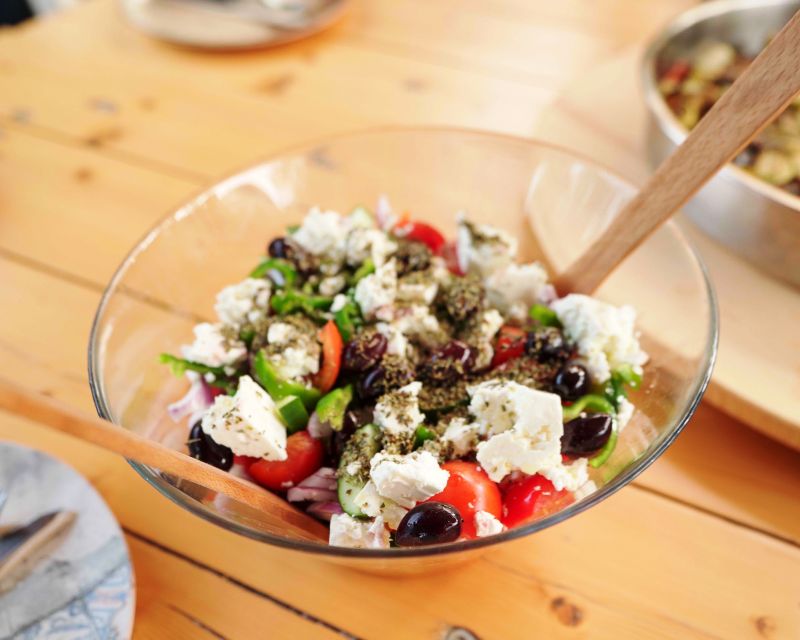
There is a reason traditional setups keep showing up in good food experiences. The wood-burning oven does more than heat food. It shapes timing, texture, and the whole rhythm of cooking.
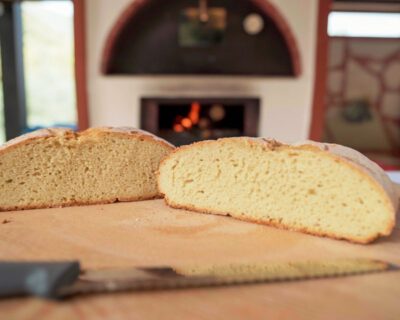
In this class, the oven supports the idea of gentle, patient work. You are not sprinting through complicated techniques. Bread, for example, is a good match for that kind of environment. Similarly, briami fits the slow-cooking approach you associate with Mediterranean comfort food.
And since everything is tied to what you harvested, the cooking time feels purposeful. You do not just learn recipes. You learn how the ingredients behave when cooked in a traditional way.
Olive Oil and Herbs: The Taste Lesson That Makes You Want to Cook Again
A major highlight is the olive oil. The farm uses award-winning olive oil described as high in polyphenols, and it is presented as a key part of the meal.
What you can expect is less “lecture” and more tasting and use in context. When you combine olive oil with garden-fresh produce, you can actually taste the difference between “good oil” and “special oil.” One guest summed up the olive oil as among the best they had ever tasted, and I see how that would stick with you because Greek cooking treats olive oil like a core ingredient, not a finishing touch.
Herbs are another big theme. Guest accounts specifically pointed out learning about herbs and ingredients in the traditional dishes. Even if you already cook at home, you might pick up small herb-and-seasoning details that make tzatziki or salad taste more like the real thing and less like a generic version.
What the Meal Covers: Bread, Briami, Tzatziki, Greek Salad
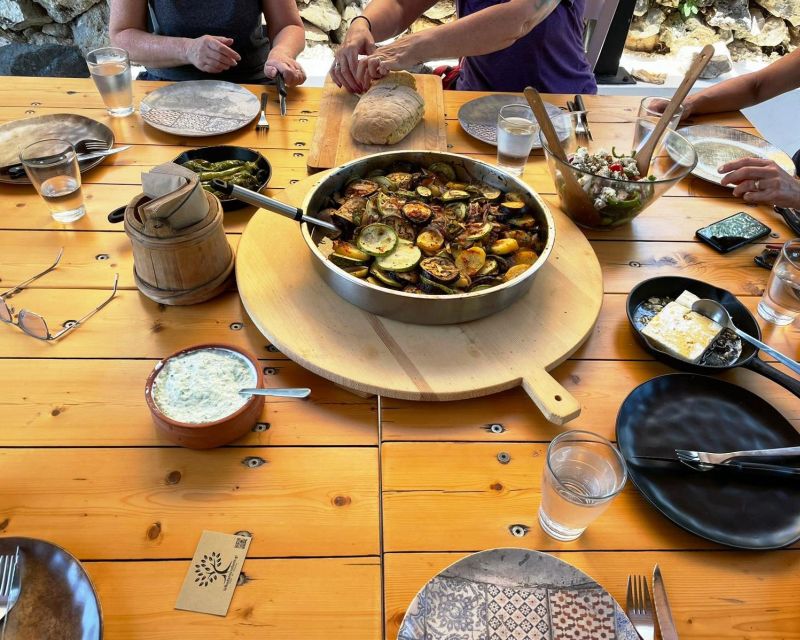
From the dish list shared in guest experiences, here are the classics you should expect to work on:
- Bread (connected to the wood-oven cooking style)
- Briami (a vegetable dish, usually roasted or baked slowly)
- Tzatziki (cool, herb-friendly yogurt sauce)
- Greek salad (fresh, simple, and olive oil driven)
This is a practical lineup. Together, the meal teaches the full arc of Greek home cooking: something warm, something slow-baked, something creamy and refreshing, and something bright and crunchy.
Also, because it is farm-sourced, you might notice the ingredients taste more intense than the supermarket version. That is the real takeaway. You do not just learn how to make dishes. You learn how to respect seasonality so the food tastes worth the effort.
The Social Side: Small Group Energy and a Table That Feels Like Family
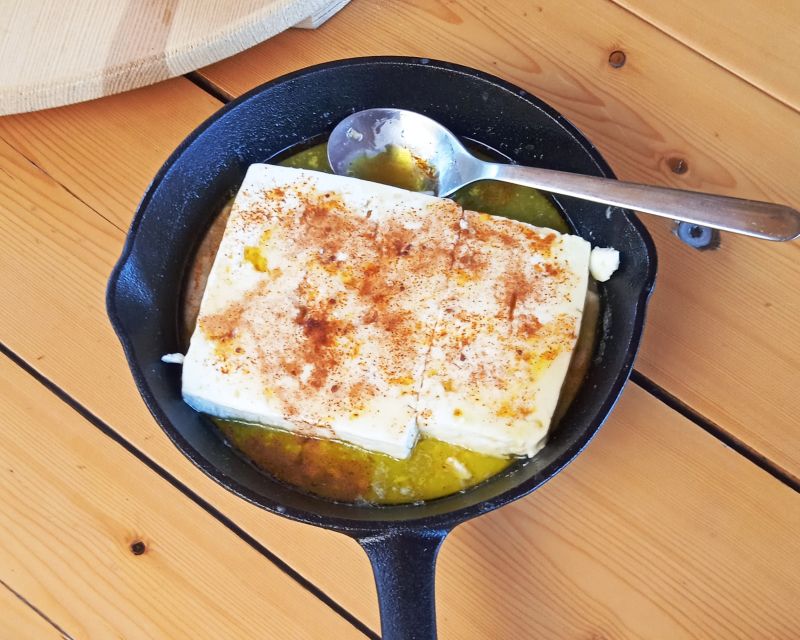
A cooking class can be either hands-on or crowded. This one is capped at 10 participants, and that matters. With a smaller group, you get more interaction with the instructor and more time in the cooking flow.
You also get a shared meal that acts like a natural gathering point. Several guest notes mentioned the experience feeling like time together, with conversation mixing between people from different countries.
And yes, there’s a fun detail from at least one guest comment: cats roam around the farm. That is not a learning objective, but it adds a sense that you are not in a staged venue. You are on working land.
Price and Logistics: When This Class Is a Great Deal, and When It Might Not Be
Let’s match the class to your mindset.
You’re likely to love it if you want:
- A genuine farm-to-table experience, including harvesting.
- A traditional cooking environment using a wood-burning oven.
- A meal that is part of the lesson, not an add-on.
- An English guide who can explain both farming ideas and cooking steps.
You might hesitate if:
- You mainly want recipes with minimal farm time.
- You are expecting a longer or restaurant-style meal format.
- You are budget-first and feel $123 is hard to justify for four hours.
This is exactly where your expectations should be sharp. If you treat it like a farm visit that happens to include cooking and dinner, it can feel like a good use of your time. If you treat it like a quick cooking workshop, it might feel pricey.
Practical Tips to Get the Most Out of Your 4 Hours
Here are the tips I’d actually use to make the experience smoother.
Plan for a farm setting
You’re on regenerative farmland, and you harvest ingredients on site. Wear comfortable shoes and clothes that can handle outdoor work vibes. Even though the cooking happens in an open-air kitchen, the day still follows a hands-on flow.
Come ready to taste
Tasting is central here. The olive oil and the herbs are part of the point, so take it seriously in the fun way. If you arrive snacking and lukewarm, you might miss how much the flavors shift when they are fresh from the garden.
If you have dietary needs, speak up early
The class asks you to inform them of food allergies or dietary restrictions. Do that upfront so the team can plan what works for you.
Expect English instruction, but enjoy the mix
The instructor is listed as English. In a small group, you may also end up talking with other participants in between cooking steps and during the Farmer’s Table meal.
Who This Cooking Class Fits Best
This is a great match for:
- Food lovers who like to learn by doing.
- People who want a hands-on, traditional Greek meal experience with a clear farm connection.
- Travelers who enjoy small-group settings and a shared table.
- Anyone who values ingredients tied to seasonality and regenerative farming.
It also works well as a lighter “food day” compared to a long day of museums or touring, since the pace is built around cooking and eating.
Should You Book Lefkada Micro Farm’s Traditional Greek Cooking Class?
I think you should book it if you want more than a recipe list. If you care about where food comes from, and you enjoy cooking in a traditional style with ingredients you harvested, this kind of experience is hard to replicate elsewhere.
But be honest with yourself about expectations. At $123 for four hours, this is priced as an experience built around farming, cooking, and eating together. If you just want a few dishes to recreate at home, you may find better value elsewhere.
If your goal is simple and satisfying, though, this class hits the mark: harvest from regenerative organic land, cook with a wood-burning oven, use award-winning olive oil, and end with a Farmer’s Table meal in a small group.
FAQ
How long is the Traditional Greek Cooking Class?
The class lasts 4 hours.
What does the class cost?
It is $123 per person.
Is the class taught in English?
Yes, the instructor is English.
How big is the group?
The group is small, limited to 10 participants.
What kinds of dishes might we cook?
Based on available information, you can expect Greek classics such as bread, briami, tzatziki, and Greek salad.
Are utensils and an apron included?
Yes. Cooking utensils and a cooking apron are included.
Can the class handle dietary restrictions or allergies?
You should inform the team about any food allergies or dietary restrictions.
Is there free cancellation?
Yes, you can cancel up to 24 hours in advance for a full refund.
Is wheelchair access available?
Yes, the activity is listed as wheelchair accessible.
Are there different starting times?
Starting times depend on availability, so you will need to check what is offered for your dates.
Every Other Nydri Write-Up

Around Lefkada and Ithaca
Everything else we have written up around Nydri

Cretan & Greek Cooking Classes, side by side.
 ★ 5.0Athens: Classic Cooking Class with Market Visit and WineFrom $831,101 reviews
 ★ 4.9Athens: Food Market Visit and Cooking Class with WineFrom $811,087 reviews
 ★ 5.0Greek Cuisine Cooking Class in Santorini with Recipes and WineFrom $145969 reviews
 ★ 5.0Naxos: Half-Day Cooking Class at Basiliko Family TavernFrom $117887 reviews
 ★ 5.0Greek Cooking Class in Athens Including Rooftop Dinner with Acropolis ViewFrom $120826 reviews
 ★ 5.0Greek Small-Group Athens Cooking Class & DinnerFrom $118574 reviews
 ★ 5.0Exclusive Cooking Experience in our Cave Home by Petra KouzinaFrom $266572 reviews
 ★ 4.9Chania: Authentic Cooking Class in the White MountainsFrom $129529 reviews