
Review · WALKING TOURS
Athens: History of Rebellion Walking Tour
Athens is a city of uprisings, not just ruins. This walking tour links resistance from Ottoman rule to modern fights for social justice, using real streets and real neighborhoods. You start in Monastiraki and end in Exarchia, so you get both the story and the setting.
What I like most is how the guide makes modern Greek history feel clear, chronological, and worth caring about. I also like the way the tour uses place-based stops, like Syntagma Square and the Hellenic Parliament, then contrasts them with Exarchia, where activism shows up in everyday life.
One thing to think about: this is mostly standing and walking for about 2.5 hours, and it is not a good match if you have mobility limits.
In This Review
- Key takeaways before you go
- Monastiraki Square: starting where rebellion stories can breathe
- Ottoman rule to the Greek Revolution: history with street-level meaning
- Syntagma Square to the Tomb of the Unknown Soldier: protest geography in real time
- The Academy of Athens stop: why “official Athens” can still tell dissent
- Exarchia and Exarchion Square: resistance as a neighborhood identity
- The practical rhythm of the route: timing, walking pace, and comfort
- Why Maelle’s approach helps the story land
- Price and value: what you really get for about $44
- Who should book this Athens rebellion walking tour
- FAQ
- FAQ
- Where does the tour meet?
- How long is the walking tour?
- How much does it cost?
- What languages are offered?
- What should I bring?
- Is the tour suitable for mobility impairments?
- Where does the tour end?
- Should you book this Athens history of rebellion tour?
Key takeaways before you go
- Maelle’s storytelling connects Ottoman-era resistance to today’s social justice struggles, with clarity and humor.
- Small groups make it easier to ask questions and talk through the political and historical context.
- Syntagma Square and the Parliament aren’t treated as scenery. They are explained as protest landmarks.
- Exarchia and Exarchion Square get real focus, including the neighborhood’s role for anarchists, refugees, and LGBT+ community life.
- Street art details (including mention of work by WD) help you read the city as a living message board.
- Practical tips after the tour can save you time, especially for food and what to see next.
More of Athens taken slowly on foot





Monastiraki Square: starting where rebellion stories can breathe

Your tour begins in Monastiraki Square, in front of Pantanassa Church. Look for your guide holding a sign that says Athens City of Rebellion. The area is tourist-friendly, so it’s a good place to start, get oriented, and settle into walking mode.
From there, you take quick steps that feel like moving back through time. There is a short stop in Monastiraki itself, then a pass by the Metropolitan Church of Athens. These moments are brief, but they matter because they set the tone: the tour is not trying to replace the ancient monuments. It’s trying to show what Athens has argued about for generations.
Ottoman rule to the Greek Revolution: history with street-level meaning
One of the smartest choices in this tour plan is how it starts under Ottoman rule and builds toward the Greek Revolution timeline, then keeps going into later periods. You do not just hear dates. You see how resistance becomes a way people understand freedom, identity, and power.
Along the way, there’s also a shorter stop labeled as a lesser-known site. The point of these “between the landmarks” pauses is to slow you down. It gives you a moment to connect the big story to something human-sized, rather than rushing from one famous photo spot to the next.
If you like your history with a little political edge, this is the part that will hook you. If you only want soft, neutral sightseeing, you may find yourself wondering why the tour keeps talking about oppression and violence. That focus is intentional.
Syntagma Square to the Tomb of the Unknown Soldier: protest geography in real time
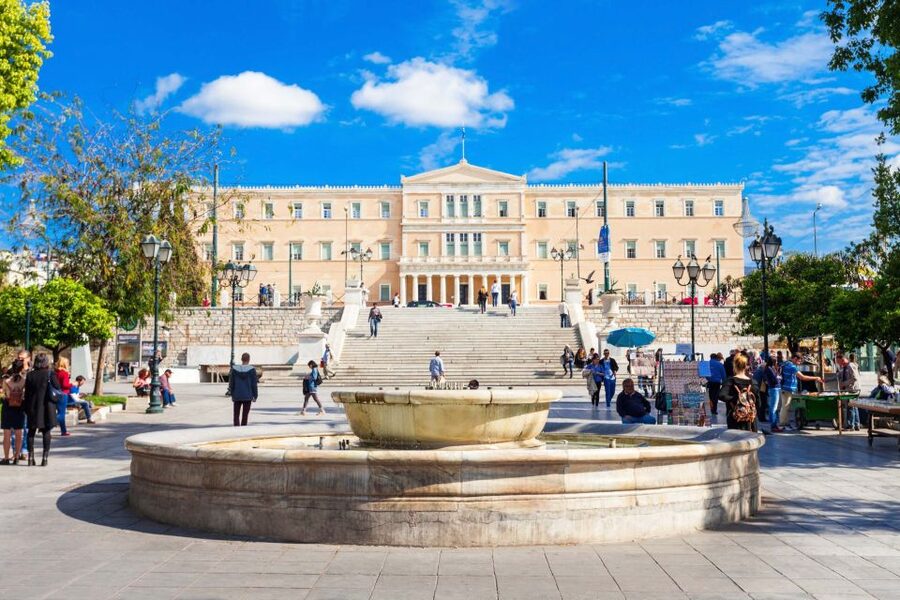
When the route reaches Syntagma Square, you get the tour’s modern heartbeat. The guide frames Syntagma as the central stage for protests, then walks you through what makes that square so charged in Greek public life.
Next comes the Hellenic Parliament. This is not a long inside visit described in the details you’re given, but it is a guided stop, so you get context about how modern Athens formed and why political disagreement can still be part of everyday civic life. After that, you visit the Tomb of the Unknown Soldier, where the discussion shifts from institutions to symbolism.
Even if you’ve seen Syntagma before, this approach changes it. It’s the difference between looking at a landmark and understanding why people gather there. You’ll also pass through Kolonaki, a quick transit moment that helps show how neighborhoods with different reputations sit close together.
The Academy of Athens stop: why “official Athens” can still tell dissent

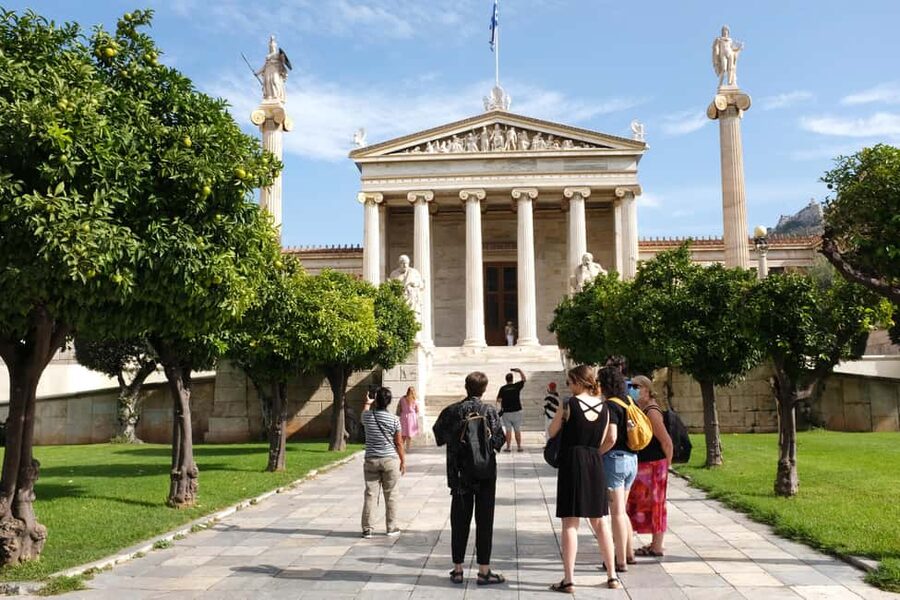
The Academy of Athens is where the tour quietly switches gears. Instead of just focusing on protests, you get a chance to talk about how educated institutions, public identity, and state-building all sit inside the same long struggle.
This stop is guided, about 10 minutes, and it’s paced to keep you from falling into lecture mode. The tour’s style seems built to keep things conversational. You’re meant to connect what you saw at Syntagma to the broader question of how Greece became itself, and how that process still affects people today.
If you’re the type who enjoys putting history into order in your head, you’ll probably appreciate this portion. It acts like a bridge, carrying you from the square and the parliament into the neighborhoods where politics becomes lived experience.
Exarchia and Exarchion Square: resistance as a neighborhood identity
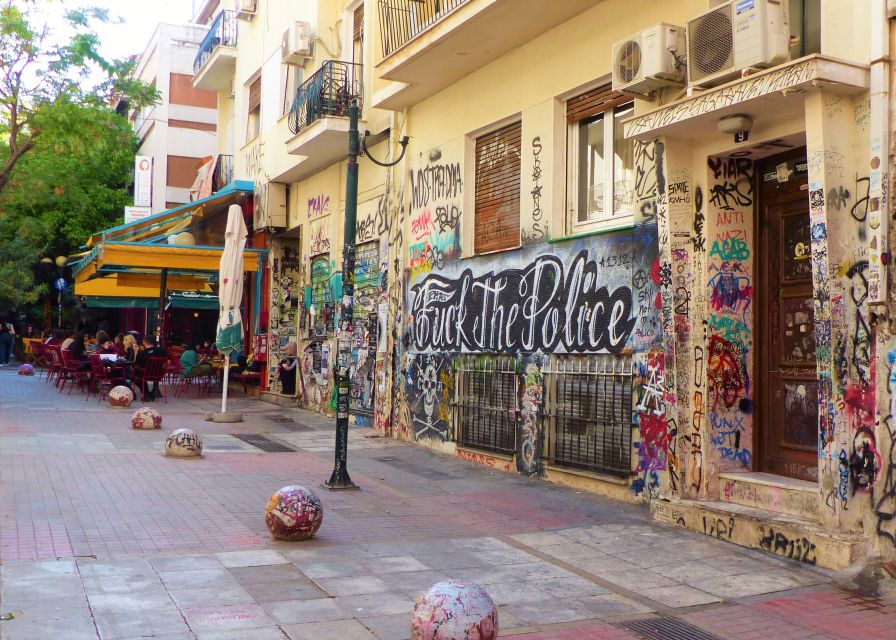
This is the part many people remember most. Exarchia is described as a current hotbed of resistance and activism, and the tour treats it like a real place with real communities, not a theme park. You get a guided stop in Exarchia, then additional stops that include a secret stop and another shorter detour, before finishing at Exarchion Square, Plateia Exarcheion.
The guide’s framing includes that Exarchia welcomes anarchists, refugees, the LGBT+ community, and artists. That variety matters. It explains why the area is talked about as a social justice space, not only a political slogan.
There’s also a strong emphasis on how resistance links to issues like police repression and gentrification. The tour doesn’t just say the neighborhood is “alternative.” It helps you understand what pressure can look like when city change hits communities that built their lives around collective support.
One detail that stood out in the discussion of Exarchia is street art. The tour includes mention of work by the street artist WD, and the point isn’t just aesthetics. It’s how graffiti and murals can communicate ideas fast, in public, without asking permission.
More Athens history told on the spot
- Historical Delphi One Day Tour with Arachova Stop & Expert Guide★ 4.5 · 1,247 reviews
- Historic Athens: Small Group Electric Bike Tour★ 4.9 · 740 reviews
- The History of Athens: Greek Mythology Private Tour★ 5.0 · 138 reviews
- Athens Highlights by E-Bike: Small-Group Historic Tour★ 5.0 · 131 reviews
The practical rhythm of the route: timing, walking pace, and comfort

The tour runs about 2.5 hours. That’s short enough to fit into a busy Athens plan, but it’s long enough to feel like you worked for it, in a good way. You will be walking and standing for much of the time, so wear shoes you can trust.
What to bring is spelled out for a reason: comfortable shoes, sun hat, sunscreen, and water. Athens sun can turn a “two hour stroll” into a hydration test. Don’t gamble with your energy, especially if you’re planning more sightseeing right after.
The tour is also not suitable for people with mobility impairments, which you should take seriously. The route involves walking and city streets, so if your movement is limited, choose a different option.
Finally, group format is flexible. You can find private or small groups, and that matters because it keeps the discussion moving instead of getting stuck in a standard lecture loop.
Why Maelle’s approach helps the story land
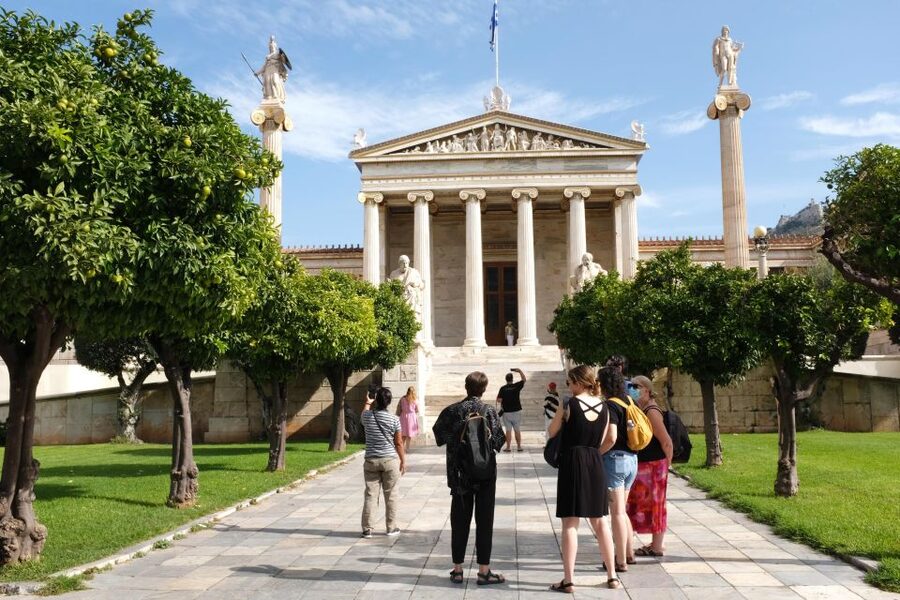
A major reason this tour earns such high praise is the guide. In the feedback, Maelle comes up again and again for being enthusiastic, warm, and genuinely human, not just a person reciting facts. She’s described as keeping modern Greek history clear, with humor when it fits and empathy when it matters.
Another big plus is the way she transfers important content about both recent and contemporary periods. Instead of treating history like a closed book, the tour frames it as something that still shapes how people live in Athens now.
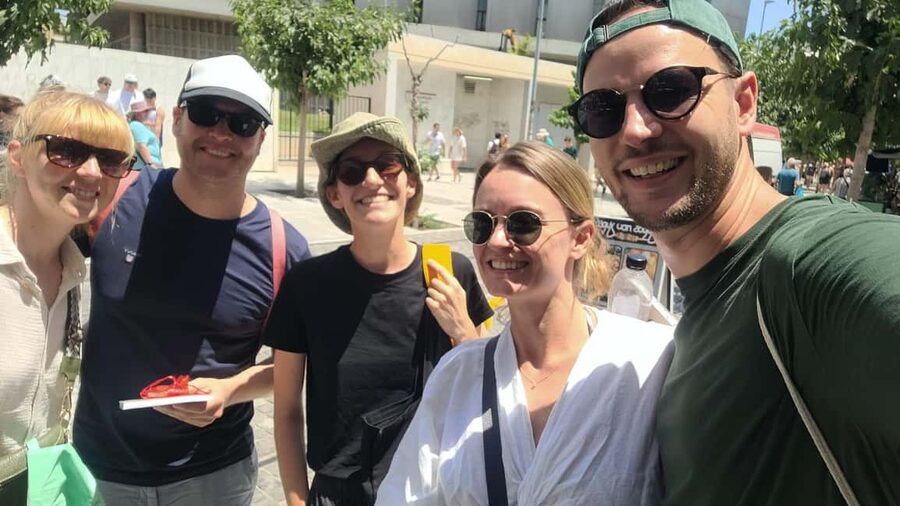
You also get interaction. Several people note that the group stayed small enough for discussion and deeper insights. There’s an emphasis on asking questions, getting you to think critically about what you see on the street, not just what the guide says out loud. It makes the tour feel more like a guided conversation through the city.
And then there are the extras. Many people mention that Maelle shares recommendations beyond the walking route, especially for places to eat and other sights in Athens, and sometimes ideas for islands. That’s not the tour’s main job, but it is a practical bonus when you want to keep momentum after your last stop.
Price and value: what you really get for about $44
At $44.04 per person for about 2.5 hours, this is not a budget-freebie. But it can be good value if you care about modern Greece and the politics behind it.
Here’s what you’re buying: a live guide, a focused walking route, and guided stops at places that are central to both national memory and protest culture. You also get time in neighborhoods like Exarchia where the city’s social debates are visible without waiting for a museum label. That kind of context is hard to piece together on your own on a first trip.
The discussion-heavy format and small-group possibility add value too. A tour like this works best when you can ask questions and hear explanations that match what you’re curious about. If you’re someone who likes to understand why people act the way they do, this price can feel like it buys a lot more than walking.
Who should book this Athens rebellion walking tour
This is a strong fit if you want Athens beyond the postcard line. You’ll probably enjoy it most if you like history that connects to current social issues, or if you want help reading the city as a place where political identity is visible in neighborhoods, symbols, and public art.
It’s also a great break from the all-ancient routine. You get a clear link from Ottoman-era resistance and the Greek Revolution to more recent struggles, so your overall Athens story gets fuller, not repetitive.
On the other hand, consider skipping or choosing a different tour if you want neutral, low-context sightseeing. The rebellion theme is not a light garnish here. It’s the core of the experience, and it can feel intense if you prefer history without conflict.
FAQ
FAQ
Where does the tour meet?
The tour meeting point is in Monastiraki Square in front of Pantanassa Church. The guide will have a sign that says Athens City of Rebellion.
How long is the walking tour?
The tour duration is 2.5 hours. Starting times vary, so check availability for your preferred time.
How much does it cost?
The price is listed as $44.04 per person.
What languages are offered?
The live guide offers English and French.
What should I bring?
Bring comfortable shoes, a sun hat, sunscreen, and water.
Is the tour suitable for mobility impairments?
No, it is not suitable for people with mobility impairments.
Where does the tour end?
The activity information says it ends back at the meeting point, while the route details list a finish at Plateia Exarcheion.
Should you book this Athens history of rebellion tour?
If your idea of a great Athens day includes Syntagma Square as a protest landmark and Exarchia as a neighborhood where activism is part of daily life, book it. The biggest win is the guide’s ability to turn modern Greek history into something you can follow, discuss, and carry with you as you keep exploring.
Go for it early in your trip if you want to understand the city fast. If you schedule it late, it still works, but you may feel like you missed chances to spot meaning in the places you visited before this tour.
More of Athens On Foot

The Rest of Athens



Every Other Athens Write-Up
- All Day Cruise -3 Islands to Agistri,Moni, Aegina with lunch and drinks included
★ 5.0 · 4,958 reviews




Everything else we have written up around Athens





Walking Tours, side by side.
 ★ 4.6Athens: Acropolis and Parthenon Guided Walking TourFrom $385,882 reviews
 ★ 5.0Greek Food Walking Tour in AthensFrom $874,740 reviews
 ★ 4.7Acropolis: Acropolis and Parthenon Guided Walking TourFrom $363,442 reviews
 ★ 5.0Acropolis monuments & Parthenon Walking Tour with Optional Acropolis MuseumFrom $422,678 reviews
 ★ 4.8Knossos: Knossos Palace Skip-the-Line Guided Walking TourFrom $1041,380 reviews
 ★ 4.5Athens Acropolis and Parthenon Walking TourFrom $411,355 reviews
 ★ 5.0Athens Authentic Greek Food Walking Tour (Small Group)From $83809 reviews
 ★ 4.4Early Morning Acropolis & Old Athens Guided Walking TourFrom $28748 reviews
Sits on these lists