
Review · MUSEUMS
Athens: Kotsanas Ancient Greek Technology Museum Guided Tour
Ancient machines feel weirdly modern here. In a private guided tour at the Museum of Ancient Greek Technology, you get an engineer or historian style walkthrough of interactive models and mechanism after mechanism that look shockingly familiar. The one big drawback to note is that it is not suitable for people with mobility impairments.
You meet at Pindarou 6, Athens, a short walk from Syntagma Metro, then step into the museum’s Art Nouveau building. Expect English guidance, audio-visual material in Greek and English, and a practical mix of hands-on stations and big diagrams that explain how the mechanisms work.
In This Review
- Key things to know before you go
- Why Kotsanas Museum Makes Ancient Greek Tech Feel Current
- Meeting at Pindarou 6 and Finding the Right Building
- The 1-Hour Private Tour, Led by Engineer or Historian
- The Big Names: Antikythera and Other Greek Mechanisms That Echo Today
- Interactive Stations, Diagrams, and Video That Make the Explanations Stick
- Value and Pricing: Is 54 USD for a Private Group Worth It
- What to Expect From Your Exhibit Walkthrough
- Who This Tour Suits Best, Including Kids
- Making the Most of Your Free Time Inside
- Should You Book This Kotsanas Museum Guided Tour?
- FAQ
- Where do we meet for the Athens Kotsanas Ancient Greek Technology Museum guided tour?
- How long is the guided tour?
- Is the tour private?
- Is the tour guided in English?
- What is the price for this experience?
- What is included in the ticket?
- Are food and drinks allowed during the visit?
- Is the museum suitable for people with mobility impairments?
- What should I do after the 1-hour guided portion?
- Can I cancel and get a full refund?
Key things to know before you go
- Private group format for a tighter, clearer experience during the 1-hour visit
- Engineer or historian guides who focus on mechanisms, not vague storytelling
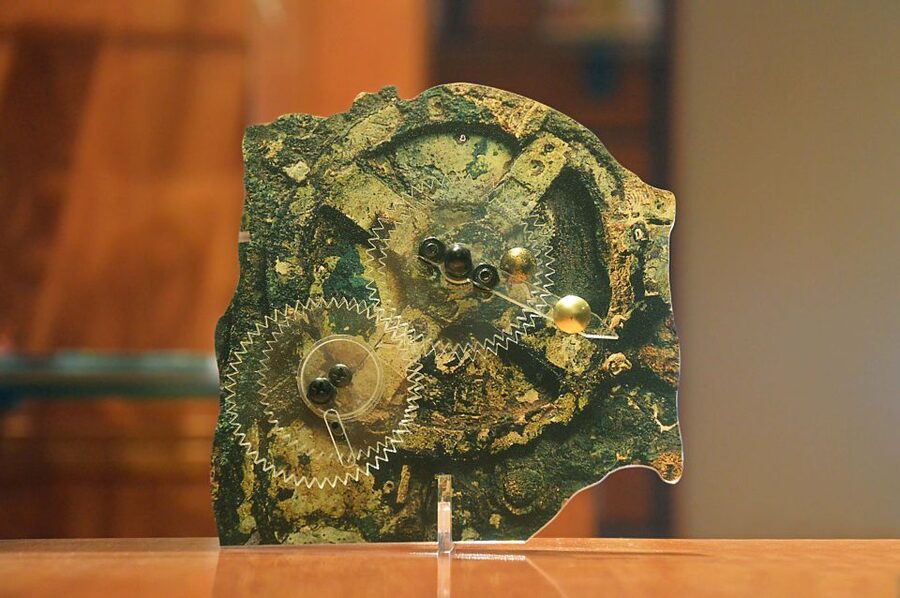
- Major showstoppers like the oldest analog computer in the world, the Antikythera mechanism
- Interactive displays and projecting stations with video, animation, and documentary-style explanations
- Audio-visual support in Greek and English, including diagrams, photos, and full bibliographical references
- Great for curious non-engineers and families, since many exhibits are made for trying and seeing
Other Athens collections worth the ticket




Why Kotsanas Museum Makes Ancient Greek Tech Feel Current
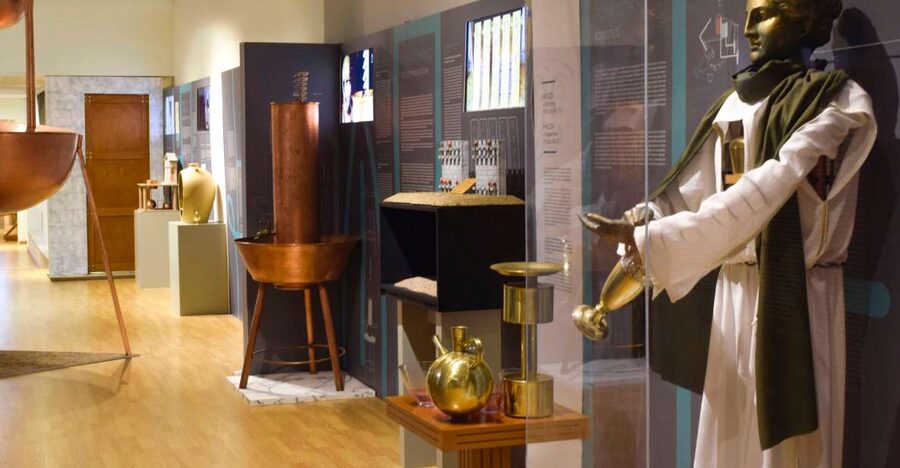
This museum has one job, and it does it well: it turns ancient Greek engineering into something you can actually see function in motion. The visit centers on an exhibition of roughly 300 artifacts, with special emphasis on themes like “high-tech inventions” and the mechanisms behind them. Instead of treating ancient tech like a museum-only curiosity, the displays are built to help you understand how the parts move and why that matters.
What I love about the experience is the way the technology feels less like a science lesson and more like a design challenge. The guides connect the dots between old and new by showing how similar the basic ideas are, even when the tools and materials are from another world. You’ll spend the hour moving through models and interactive elements that help you grasp gears, clocks, automata, and calculating devices without needing a technical background.
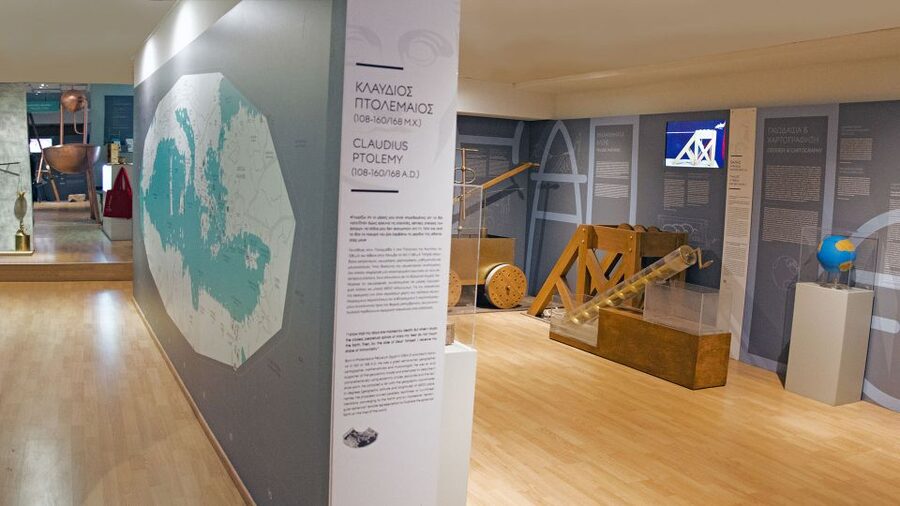
One more reason this museum hits: it has a very deliberate “how it works” approach. Giant posters, detailed diagrams, photos, and bibliographical references are there to back up the explanations. That means you can enjoy the wonder and still walk away with something solid.
Meeting at Pindarou 6 and Finding the Right Building
Your tour starts at Pindarou 6, Athina 106 71, and the museum is about a 5-minute walk from Syntagma Metro Station. This is a nice setup because it keeps things simple. If you are staying in central Athens, you can get there easily without planning a complicated ride.
The building itself is part of the point. The Kotsanas Museum sits in a historic Art Nouveau structure with a total area of 700 square meters. That detail matters for your planning because you are not just stepping into another boxy museum. The space is designed for a guided, exhibit-hopping flow, and that helps your 1-hour tour feel focused rather than rushed.
One practical note: there is no food and drinks allowed, so plan to eat before you arrive. If you are doing the tour after a day of walking around Athens, I suggest grabbing a snack near your metro stop first, then show up ready to concentrate.
The 1-Hour Private Tour, Led by Engineer or Historian
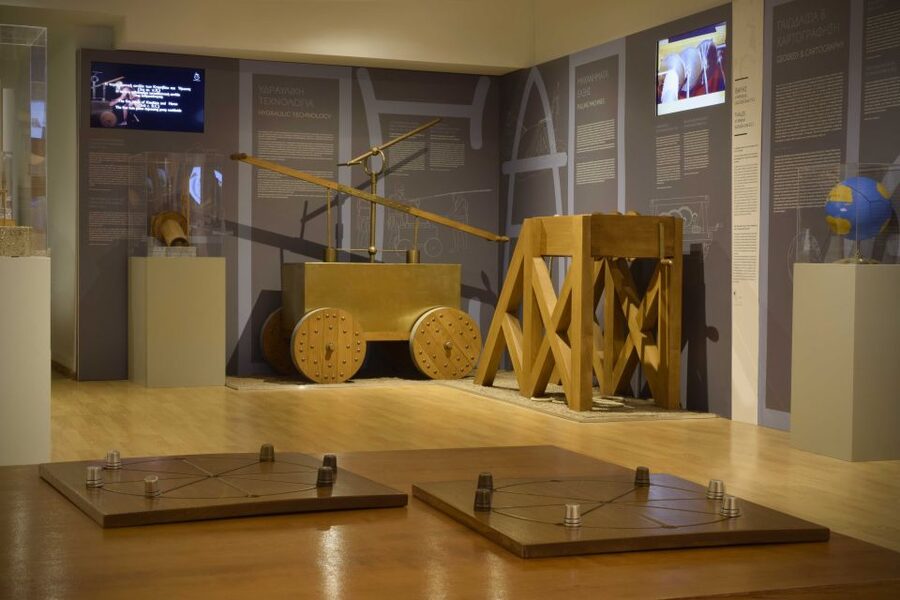
This is a private group tour, which is a big deal for a museum like this. In a shared group, it’s easy for one or two people to dominate questions, and the rest end up scanning labels. In a private format, you get a more direct path through the exhibits, with a guide who can adjust pace and focus.
The tour runs for about 1 hour, and it is guided live in English. The museum also specifies that the staff running the experience are qualified, with backgrounds that can include engineers, archaeologists, historians, or museologists. In other words, you are not just getting a storyteller. You are getting someone trained to explain mechanisms and meaning.
The flow inside the museum is built around the exhibition’s themes. You will be taken through key mechanisms and models, with frequent support from the museum’s labels and visual aids. You’ll also see how interactive elements and video stations are meant to clarify what you are looking at.
Time matters here. Since the tour is 1 hour, your best strategy is to treat it like a guided hit list, then use the free time afterward to slow down and revisit what grabbed you most.
The Big Names: Antikythera and Other Greek Mechanisms That Echo Today
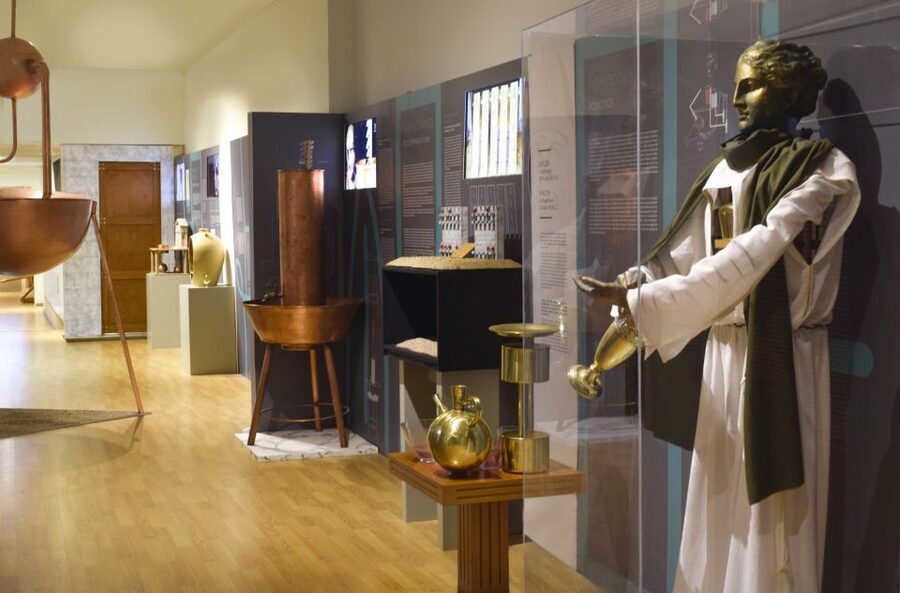
If you like the idea of engineering that predates modern tech by centuries, the Antikythera mechanism is where your brain will start doing cartwheels. The highlights call it the oldest analog computer in the world, and the museum shows it as a functioning marvel rather than a distant headline.
But it is not just one famous object. Your guided path also points to several big invention categories that the museum highlights as “hi-tech” Greek work:
- The hydraulic clock of Ktesibios, where water power meets timekeeping
- The robot-servant tradition associated with ancient automata
- The cinema of Philon, which ties invention to projecting and demonstration
- The automotive-puppet show of Heron, which brings mechanism-based performance into the mix
Why this matters for you: it changes what you expect from ancient technology. Instead of thinking only in terms of statues and ruins, you see a culture working on systems that involve feedback, motion, timing, and controlled outputs. The museum’s whole vibe is that these inventions are not random clever tricks. They reflect engineering thinking.
The guides also emphasize the similarity to early modern technology. That’s one of the most memorable parts of this kind of visit, because it forces you to reframe “ancient” as “tested ideas” rather than “primitive prototypes.”
Interactive Stations, Diagrams, and Video That Make the Explanations Stick
The Kotsanas Museum is built for learning with your eyes, and sometimes your hands. The information mix is practical: explanatory labels and giant posters, detailed diagrams and photos, and complete bibliographical references. That sounds academic, but the point is simple. You see what something does, then you get the visual structure that supports the story.
Many exhibits are interactive, and the museum uses projecting stations with video and animation to show function. There are also documentaries where the exhibitor explains the function and use of the mechanisms. This is helpful even if you love reading, because motion is a language diagrams cannot fully replace.
A smart tip for you during the tour is to keep your attention on cause and effect:
- What input starts the mechanism?
- What movement or sequence follows?
- What does the device produce, measure, or control?
When you match that question to what you see, even the non-technical exhibits start making sense fast. And that is a big part of why this museum works for non-engineers. You can admire the device while still understanding the basic mechanics, which is the best kind of learning.
If you want to maximize the 1 hour, don’t try to read every label word-for-word during the guided portion. Let the guide orient you, then use the free time afterward for the deeper reading.
Other Athens bookings where a guide comes along
- Athens: Cape Sounio & Poseidon Temple Trip with Audio Guide★ 4.4 · 4,521 reviews
- Athens: Mythology of Delphi, Museum and Arachova Guided Tour★ 4.6 · 4,008 reviews
- Acropolis: Acropolis and Parthenon Guided Walking Tour★ 4.7 · 3,442 reviews
- From Athens: Delphi Full Day V.R. Audio Guided Tour★ 4.6 · 3,028 reviews
Value and Pricing: Is 54 USD for a Private Group Worth It
The price is $54 per group for up to 4 people, for a total tour time of about 1 hour. On the surface, that might sound like “only one hour.” But in a museum like this, the value comes from the format.
A private guided tour means you get targeted explanation of the mechanisms you will actually care about. You are not stuck watching the guide talk over your head while you struggle to interpret a complex device. Also, since the exhibits are interactive and supported by diagrams, having a guide help you interpret what you are seeing prevents the common museum problem of “I saw things, I just do not know what any of it does.”
For couples, this can be a budget-friendly way to get a personalized museum visit. For families of up to four, it can also be a strong deal because the guide can explain in a way that keeps kids engaged, while still satisfying adults who want real detail.
One caution: this is not the kind of museum where you need a half day to “figure it out” on your own. If you prefer long free-form wandering with zero structure, you might find 1 hour too tight unless you plan to spend extra time during the free exploration afterward.
What to Expect From Your Exhibit Walkthrough
You should think of the guided tour as a curated path through the museum’s core ideas. The museum focuses on “The Hi-Tech Inventions of Ancient Greeks,” featuring about 100 selected exhibits across the themes mentioned earlier, plus additional items that make up the larger collection of roughly 300 artifacts.
Inside, your guide will connect the devices to their underlying mechanism families. That means you are likely to see examples of:
- timing and measurement (like clockwork and timekeeping mechanisms)
- computing or calculating principles (like the Antikythera device)
- automata and demonstration technology (like robot and puppet show concepts)
- fluid-based mechanics (like hydraulic inventions)
The museum also offers audio-visual help in Greek and English, so you are not completely dependent on the guide to decode what you see. The English labels and the guide’s explanations work together, especially if you pay attention to the big diagrams and the projected demonstrations.
Also, keep an eye out for the “try it” moments. Some exhibits are interactive, which gives your brain a quick hands-on confirmation. That can be the difference between reading about something and actually understanding how the mechanism behaves.
In short, your walkthrough should feel like a guided engineering museum, not a lecture.
Who This Tour Suits Best, Including Kids
This is a strong fit for people who like hands-on learning and clear explanations, even if you are not an engineer. The museum’s setup is built around models, mechanism demonstrations, diagrams, and visual support. That means you can enjoy the wonder and still leave with real understanding.
It also works well for families. The exhibits are described as interactive, and the tour format gives adults something to learn while kids have tangible moments to engage with. If you are planning a one-week Athens visit and want one activity that is different from the usual ruins and galleries, this is a great candidate.
Where you should be careful: the museum is not suitable for people with mobility impairments. If anyone in your group has walking or access needs, it is worth checking whether you can comfortably manage the space before booking.
Making the Most of Your Free Time Inside
The tour includes entry and your 1-hour guided portion, then you get free time to explore further. Use that window to focus on what you cared about during the guide.
My practical approach is to do a quick replay:
1) Go back to the first device that really clicked for you.
2) Spend a few minutes with the diagrams and photos.
3) If there is a projecting station or animation, watch it again and compare what you see to what you understood during the tour.
Because the museum has audio-visual material and lots of references, you can turn one good guided explanation into a longer learning session. You do not need to force it, but if you like details, you can absolutely build on what the guide started.
Also, if you want to ask one last question, save it for the free time. During the guided part, your best questions are often about function. In free time, you can ask about context, or about how the museum explains a particular exhibit.
Should You Book This Kotsanas Museum Guided Tour?
I think you should book this tour if you want a museum visit that is structured, English-friendly, and heavy on working mechanisms. The private format for a group up to four is a smart value, especially because the museum is full of complex ideas that become easier with a guide who can explain how devices operate.
Skip it if you need a long, slow museum meander and do not enjoy a focused walkthrough. Also consider the mobility limitation, since the tour is not suitable for people with mobility impairments.
If you are the type of traveler who likes your history to make sense, this is one of the better ways to spend an hour in Athens. You will leave thinking about ancient Greek engineering in a new way, and not just because it is old. It is because it is explained in a way you can actually understand.
FAQ
Where do we meet for the Athens Kotsanas Ancient Greek Technology Museum guided tour?
Meet at Pindarou 6, Athina 106 71, Greece. The tour starts there and ends back at the same meeting point.
How long is the guided tour?
The tour lasts about 1 hour. Starting times depend on availability.
Is the tour private?
Yes. This is a private group experience.
Is the tour guided in English?
Yes. The live tour guide language is English.
What is the price for this experience?
The price is $54 per group, valid for a group size of up to 4 people.
What is included in the ticket?
The ticket includes entry to the museum, a 1-hour private guided tour, and free time to explore further.
Are food and drinks allowed during the visit?
No. Food and drinks are not allowed.
Is the museum suitable for people with mobility impairments?
It is not suitable for people with mobility impairments.
What should I do after the 1-hour guided portion?
After the tour, you’ll have free time to explore further in the museum.
Can I cancel and get a full refund?
Yes. There is free cancellation up to 24 hours in advance for a full refund.
The Rest of Athens






Every Other Athens Write-Up
- All Day Cruise -3 Islands to Agistri,Moni, Aegina with lunch and drinks included
★ 5.0 · 4,958 reviews




Other Athens Collections

Everything else we have written up around Athens







Museums, side by side.
 ★ 4.8Athens: Acropolis, Parthenon & Acropolis Museum Guided TourFrom $409,316 reviews
 ★ 4.6Athens: Mythology of Delphi, Museum and Arachova Guided TourFrom $314,008 reviews
★ 4.8Athens: Acropolis, Parthenon & Acropolis Museum Guided TourFrom $413,579 reviews
 ★ 5.0Acropolis monuments & Parthenon Walking Tour with Optional Acropolis MuseumFrom $422,678 reviews
 ★ 4.5Athens All Included: Acropolis and Museum Guided Tour with TicketFrom $1652,673 reviews
 ★ 4.4Athens: Acropolis Museum Ticket with optional Audio GuideFrom $302,652 reviews
 ★ 4.8From Athens: Small-Group Delphi, Museum & Arachova Day TripFrom $342,476 reviews
 ★ 4.1Parthenon & Acropolis Museum with Audio or Live Tour OptionFrom $702,446 reviews
Sits on these lists