

Review · WALKING TOURS
Athens Social and Political Walk
Greek politics gets real on foot. This 2.5-hour walk turns Athens into a living classroom, using documentary-style analysis and street-level stops to explain how modern Greece changed from the early state era to today. I especially like the unbiased approach, built to help you form your own opinions rather than swallow a ready-made script.
You should know one potential drawback: the pacing is idea-heavy. If you want a mostly relaxed sightseeing loop with minimal context, you might find the conversation about political tensions, religion, language, Europe, and the economy moves fast.
In This Review
- Key highlights you should care about
- Why Athens politics sounds different when you walk it
- Meet the guide: political science plus street humor
- The 2.5-hour structure that keeps it street-level
- From Maximos Mansion to power in plain sight
- What to watch for
- Presidential Palace and the National Garden as social cues
- Hellenic Parliament and the National Historical Museum as arguments
- Side streets and lesser-known corners where society shows
- Korai 4 Memorial Site 1941 to 1944 and the war-era turning points
- A practical note
- Panepistimiou: the city’s big ideas move through education
- National Metsovio Polythechnic and the tensions that keep resurfacing
- Price and value: what $47 buys in Athens
- Who should book this walk
- Should you book the Athens Social and Political Walk?
- FAQ
- How long is the Athens Social and Political Walk?
- What is the price for the tour?
- What languages are the live guides available in?
- Is the tour wheelchair accessible?
- What is included with the tour?
- Where does the tour start?
- Where does the tour finish?
- Can I cancel for a full refund?
- Can I reserve now and pay later?
Key highlights you should care about

- Political scientist-led storytelling that links today’s headlines to older turning points
- Walk-and-talk route through major institutions and a few quieter corners that explain social change
- Focus on how Greeks live and think, not just dates and parties
- Two language options for the live guide, Spanish and English
- Slideshow with photos and extra context you can refer to later
More of Athens taken slowly on foot





Why Athens politics sounds different when you walk it
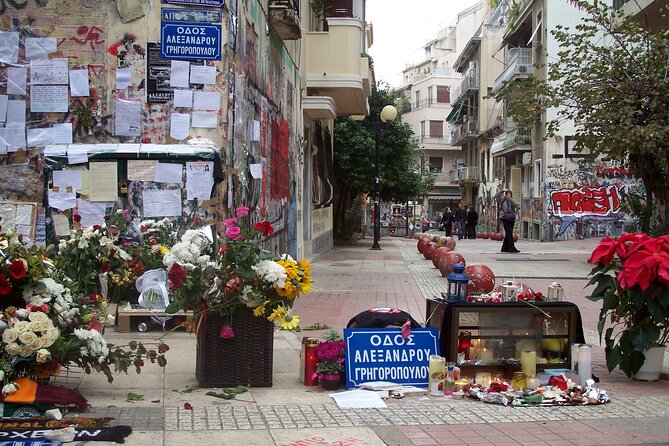
Athens has a way of making big ideas feel concrete. During this walk, the conversation is never abstract for long. You’re constantly looking at real buildings, real streets, and real public space, then connecting them to the social and political questions that shaped Greece, especially after major shocks like the financial crisis era.
The framing is simple but smart. The guide asks, in effect, how a place celebrated as the cradle of democracy ended up facing so much criticism and frustration abroad. Then the walk keeps answering that question by tracing institutions, identity, and everyday life. This is not a museum recitation. It’s politics as something you can see and argue about.
Meet the guide: political science plus street humor
A big reason this tour works is the guide style. Isaac, a political scientist, is repeatedly described as making the material both accessible and funny without turning it into a stand-up show. You get explanations that connect Greece to patterns in other countries too, which helps if you only know European politics in broad strokes.
You also get room for questions. That matters because Greek political life can sound confusing from far away, full of parties, coalitions, and turning points that blur together. When you can ask, the guide can correct your mental map in real time.
One extra perk worth noting: the tour is live in either English or Spanish. If you’re traveling with someone who prefers the other language, you can match what you want without losing the structure of the experience. And the walk is wheelchair accessible, which is a real quality-of-life detail for Athens.
The 2.5-hour structure that keeps it street-level
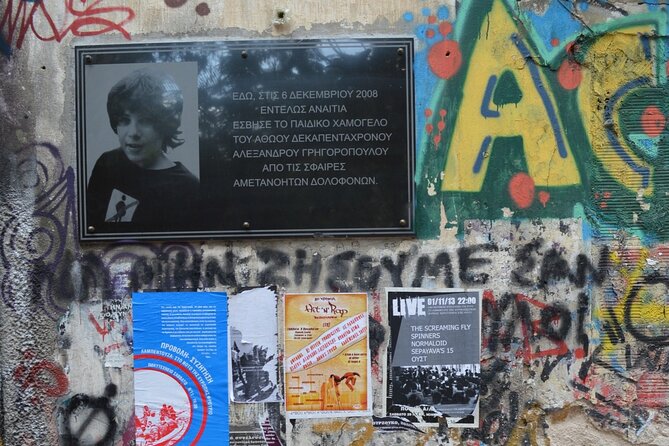
At 2.5 hours, the tour is long enough to build a clear storyline, but short enough that it does not feel like an all-day lecture. The key is how the route is paced: each stop acts like a chapter header. You move, you listen, you look again, and the guide connects the dots.
This format is especially valuable when you’re new to Athens. You leave with more than a list of sights. You have a framework for understanding what you will see later, whether that is a government building on your way to dinner or a memorial you notice while walking through the center.
From Maximos Mansion to power in plain sight
The walk starts at Planetwonk Experiences, then quickly moves into an area where state authority is impossible to miss. One of the first named stops is Maximos Mansion. Even if you are not a Greek politics expert, you can feel why this kind of location matters. The building and its surroundings become a starting point for conversations about how the modern state formed and how power became visible in public life.
This is where the tour’s approach starts paying off. Instead of listing governments and reforms, the guide links political shifts to identity and social meaning. You end up with a better sense of why religion, language, and national belonging matter in Greek politics, not just as background trivia.
What to watch for
Look at how the space communicates seriousness and control. Then pay attention to how the guide ties that to the bigger theme: how Greece evolved from its independence-era state-building to today’s debates about the direction of the country.
- Athens: Cape Sounion & Poseidon Temple Sunset Half-Day Trip★ 4.8 · 8,241 reviews
- All Day Cruise -3 Islands to Agistri,Moni, Aegina with lunch and drinks included★ 5.0 · 4,958 reviews
- Athens, Piraeus, and Coastline: Blue Hop-On Hop-Off Bus★ 3.9 · 4,849 reviews
- Greek Food Walking Tour in Athens★ 5.0 · 4,740 reviews
Presidential Palace and the National Garden as social cues
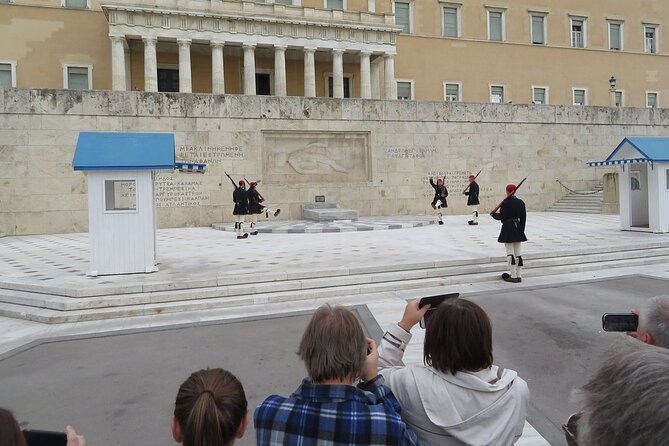
Next, the route passes by the Presidential Palace, and then you head toward National Garden, Athens. These are not random stops. They create contrast, and contrast is useful when you’re trying to understand a society.
The guide uses the “between” spaces, the public edges, and the idea of who can gather where to discuss social life. In other words, you start connecting politics to the daily experience of public space, not just to voting and legislation.
It’s also a smart moment for your brain to reset. You still get analysis, but you also get to see how greenery and open areas sit next to heavy government symbolism. That balance helps you understand the social dimension of politics.
Hellenic Parliament and the National Historical Museum as arguments

Two of the most politically charged stops on the route are the Hellenic Parliament and the National Historical Museum, Athens. This is where the walk starts to feel like you’re reading the city like a document.
At Parliament, the guide’s story turns toward how institutions run and how political tensions show up in public life. At the museum, the tour shifts toward how nations explain themselves through stories of the past. Put those together and you get a practical insight: politics is not only about what happens now. It is also about the narrative a society uses to justify decisions.
In the reviews, people highlight that Isaac ties current events in Greece to earlier eras in a way that is clear and entertaining. That’s exactly what these stops set up. Parliament is present tense. The museum is interpretation. Together, they help you see why disagreements about identity can become disagreements about policy.
Side streets and lesser-known corners where society shows
After the big institutional landmarks, the route includes a couple of quieter stops that do not feel like postcard Athens. These breaks matter because the tour covers more than government. The guide brings in topics like immigration and everyday change, including the pressures that can come with gentrification.
This is the part of the walk that often helps you understand Greece socially, not only politically. A country can have elections and crises, but what you really want to grasp is how people experience shifts in the economy and culture.
If you enjoy street life, this is also where you can ask questions and get practical context. For example, you might want help sorting out why certain cultural issues become political flashpoints, or how language and religion shape belonging.
Korai 4 Memorial Site 1941 to 1944 and the war-era turning points
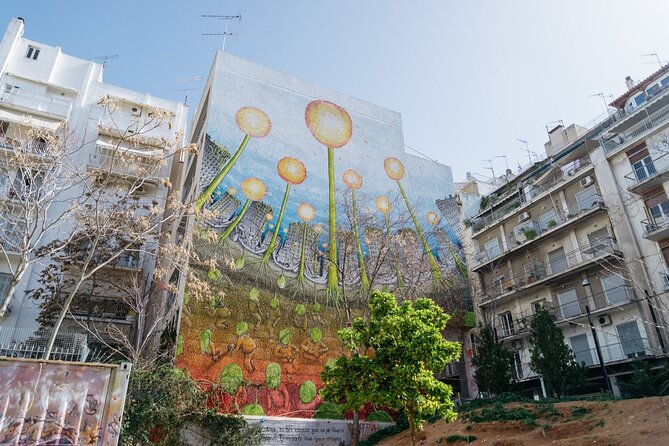
One of the most sobering stops is Korai 4 | Memorial Site 1941-1944. The tour uses this location to anchor the war years, and it’s here that the narrative can move from policy to consequence.
The guide’s style is designed for clarity. Instead of drowning you in facts, the storytelling connects what happened in that period to how Greece’s post-war political life developed. This is also where the tour’s documentary tone helps. You feel the weight of the topic without being forced into a lecture-only format.
A practical note
If you are sensitive to darker historical themes, this stop is worth preparing for mentally. The tour is still respectful and explanatory, but the subject matter is serious.
Panepistimiou: the city’s big ideas move through education
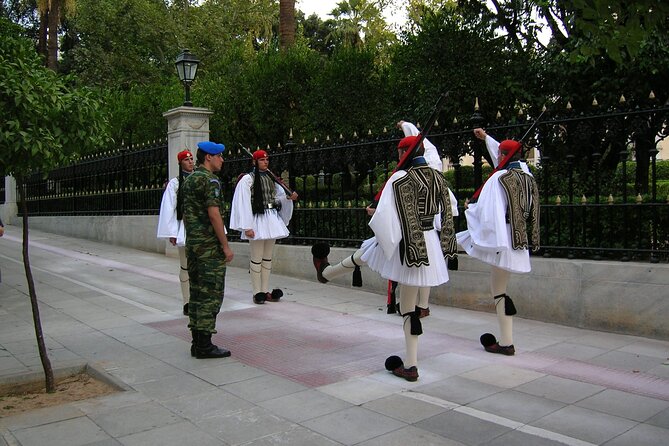
The walk then reaches Panepistimiou, a major Athens avenue associated with education and public debate. This stop matters because Greece’s political life is often tied to universities, youth activism, and the way ideas spread.
In the way the guide tells the story, education links to the student massacre theme mentioned in recent descriptions of the tour. You don’t need prior background to understand the point. The guide uses the street scene to show how political tension can concentrate around young people, institutions, and public protest.
This is also a good section if you want to ask about how neoliberalism, party politics, and social change connect to the lived reality of students and workers. The tour’s structure gives you that chance.
National Metsovio Polythechnic and the tensions that keep resurfacing
The final main named stop is National Metsovio Polythechnic, then you finish near 28is Oktovriou 42. This is another moment where the tour becomes about more than a single event.
The guide links the student-era confrontation theme to broader patterns in Greek society. That means you hear how political anger can rise, how institutions respond, and how social and economic pressure can turn into street-level tension. It also ties back to the big question that sits behind the tour’s title: why Greece’s story looks so different depending on who is telling it and what moment they’re living through.
If you are trying to make sense of the financial crisis and its aftershocks, this ending works well. By the time you reach it, you’ve already heard the tour’s through-line: identity, political structure, and economic change do not separate cleanly.
Price and value: what $47 buys in Athens
For $47 per person and 2.5 hours, this is good value if you like real context with your walking. You’re not just buying a route and a voice. You’re getting a guided explanation delivered by a political scientist, plus a slideshow with photos and extra info on the issues discussed.
What makes it worth it, in my view, is the efficiency. Many Athens activities either show you history without answering why it matters now, or they focus on current affairs without grounding them in the longer story. This one tries to do both, and it does it in a way that feels practical, not academic.
The other value factor is language. Having a live guide in English or Spanish gives you a real education component without relying on self-guided audio. And since the tour is wheelchair accessible, it is easier to plan your day without building an alternate route in your head.
Who should book this walk
Book it if you fall into any of these buckets:
- You want to understand Greece beyond slogans, especially the link between politics and everyday life
- You enjoy guided discussion and Q and A
- You like Athens city walks that connect institutions to social meaning
- You want an orientation tool for later visits, because you’ll recognize themes in what you see afterward
Skip it if you want a quiet, light itinerary. This tour is built for thinking and talking. Even at a steady walking pace, you will spend a lot of the time listening and connecting ideas.
Should you book the Athens Social and Political Walk?
Yes, if your goal is to leave Athens with a clearer opinion and a better set of questions. The tour’s strength is its documentary-style storytelling paired with real street exploration, plus the guide’s humor and willingness to handle questions. You also get a slideshow recap that helps the key themes stick.
The only real “no” is for travelers who want a mostly sightseeing-focused afternoon. If that’s you, you may prefer a classic highlights walk instead.
If you’re open to politics and want it explained in plain language, this is one of the smartest ways to spend a half-day in Athens.
FAQ
How long is the Athens Social and Political Walk?
The walk lasts 2.5 hours.
What is the price for the tour?
It costs $47 per person.
What languages are the live guides available in?
The tour is guided live in Spanish and English.
Is the tour wheelchair accessible?
Yes, the tour is wheelchair accessible.
What is included with the tour?
The tour includes a slideshow with photos and extra information on the issues discussed during the experience.
Where does the tour start?
The starting location is Athens Social and Political Walk – Planetwonk.
Where does the tour finish?
The tour finishes at 28is Oktovriou 42, Athina 106 82, Greece.
Can I cancel for a full refund?
Yes. You can cancel up to 24 hours in advance for a full refund.
Can I reserve now and pay later?
Yes. You can reserve your spot and pay nothing today.
More of Athens On Foot

Every Other Athens Write-Up
- All Day Cruise -3 Islands to Agistri,Moni, Aegina with lunch and drinks included
★ 5.0 · 4,958 reviews




Everything else we have written up around Athens





Walking Tours, side by side.
 ★ 4.6Athens: Acropolis and Parthenon Guided Walking TourFrom $385,882 reviews
 ★ 5.0Greek Food Walking Tour in AthensFrom $874,740 reviews
 ★ 4.7Acropolis: Acropolis and Parthenon Guided Walking TourFrom $363,442 reviews
 ★ 5.0Acropolis monuments & Parthenon Walking Tour with Optional Acropolis MuseumFrom $422,678 reviews
 ★ 4.8Knossos: Knossos Palace Skip-the-Line Guided Walking TourFrom $1041,380 reviews
 ★ 4.5Athens Acropolis and Parthenon Walking TourFrom $411,355 reviews
 ★ 5.0Athens Authentic Greek Food Walking Tour (Small Group)From $83809 reviews
 ★ 4.4Early Morning Acropolis & Old Athens Guided Walking TourFrom $28748 reviews
Sits on these lists