
Review · CRETE ISLAND TOURS
Chrysoula’s Traditional Cretan Home Cooking
If you like food with a story, this is it. You spend a morning learning traditional Cretan home cooking in Chrysoula’s own house, with her helper Dee right there. It is warm, practical, and very social, like joining a big family table in Crete.
What I especially like is the hands-on, multi-course focus. You do real prep work, not just watch. You end up with a full meal including dakos, mousaka, stuffed vegetables, and homemade ice cream, plus plenty of laughter along the way.
One thing to consider: this experience depends on good weather, so plan for flexibility if the day turns rainy.
In This Review
- Key highlights you should know
- Chrysoula’s Cretan home vibe, and why it matters
- The 10:00 am start near Arkadi, plus timing that works
- Dakos: your starter, your first taste of the Cretan logic
- Mousaka and stuffed vegetables: the main event you will remember
- Dessert is not an afterthought: homemade ice cream
- Recipes and take-home value that actually helps
- Raki, “Greek measuring,” and the human touch
- Ingredients you can feel: local produce and olive groves energy
- Price and value: what $113.84 buys you in real terms
- Who this class is best for
- Should you book Chrysoula’s Traditional Cretan Home Cooking?
- FAQ
- How long is Chrysoula’s Traditional Cretan Home Cooking class?
- What time does the class start?
- How big is the group?
- What dishes are included in the class menu?
- Is the class offered in English?
- Are service animals allowed?
- What happens if the weather is poor?
Key highlights you should know
- Max 12 people, so it stays personal and you actually get to cook, not just hover.
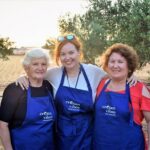
- Chrysoula and Dee lead the room, with a friendly, teasing, “family day” energy.
- A true multi-course menu, starter through dessert, so you leave fed and inspired.
- Local ingredients matter, with many items coming from the property or family farm nearby.
- Dietary needs can be handled, including making a separate option when needed.
- Recipes are shared after class, so you can recreate the dishes at home.
Other Crete write-ups on the list


Chrysoula’s Cretan home vibe, and why it matters
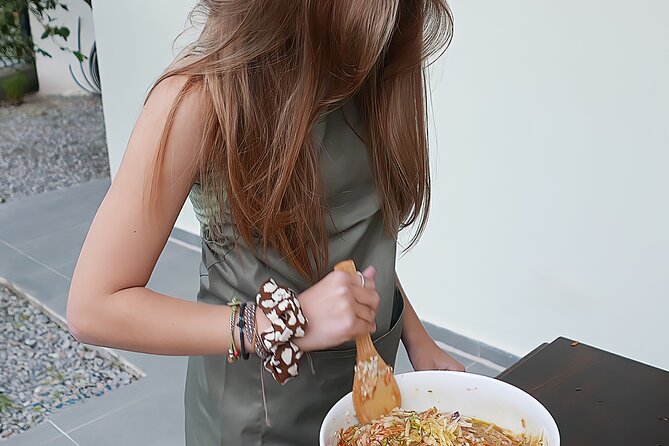
Cooking classes can fall into two buckets: you either learn a few techniques, or you feel like you were actually invited into someone’s life. This one lands firmly in the second bucket.
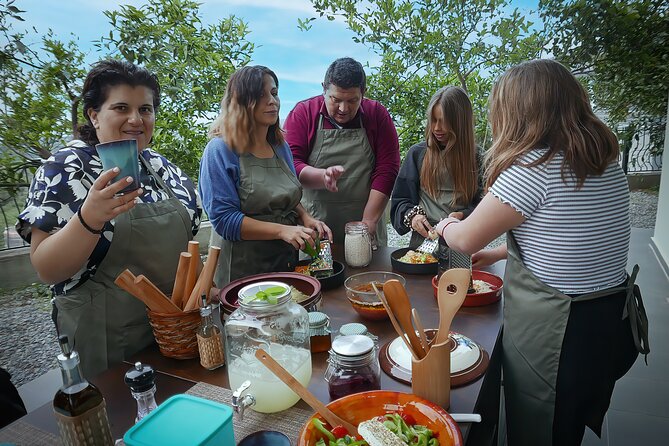
Chrysoula’s place has that “walk in and relax” feeling. From the start, you are not treated like a paying customer who must be managed. You are treated like a person who belongs at the table. Dee helps keep things moving, and the whole setup makes it easy to talk with others, whether you travel solo or come as a couple or small group.
The value here is not just flavor. It is context. You learn why certain ingredients show up again and again on Crete, and you start understanding the logic behind the food. That makes the recipes more than a list of steps.
The 10:00 am start near Arkadi, plus timing that works
The class starts at 10:00 am and runs about 3 hours 30 minutes. That length is ideal for a day trip because you get a complete experience without losing your whole afternoon.
You meet at a location near Arkadi, Greece (the exact pin is given as 8G769H27+JHJ9H27+JHJ). The activity ends back at the meeting point, so you do not need to worry about transport the moment you finish eating. You also get a mobile ticket, and it is near public transportation, which is handy if you are not renting a car.
Group size is capped at 12, and that is a big deal. In a small group, the host can explain what you are doing, step in when needed, and still keep the pace upbeat.
Dakos: your starter, your first taste of the Cretan logic
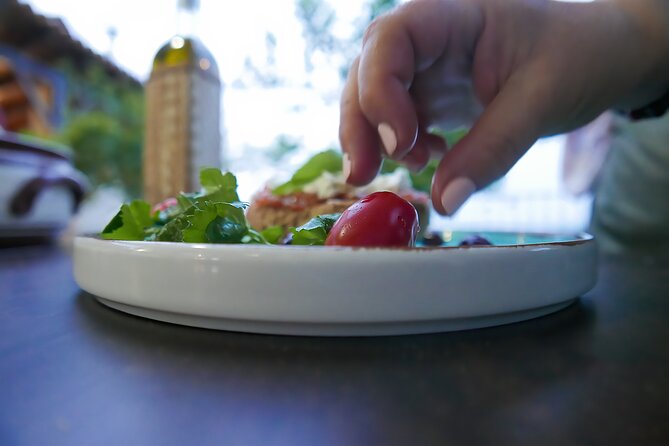
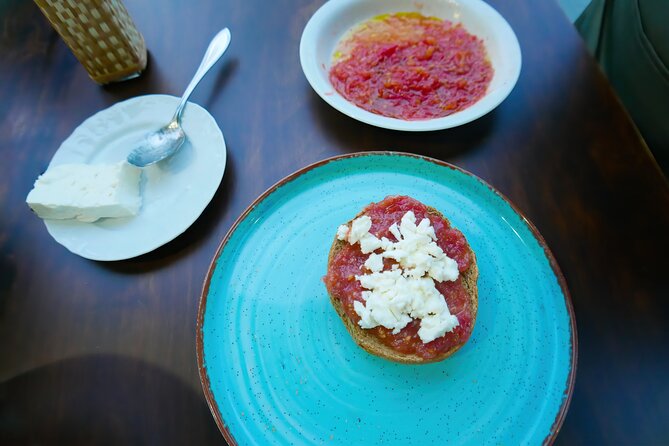
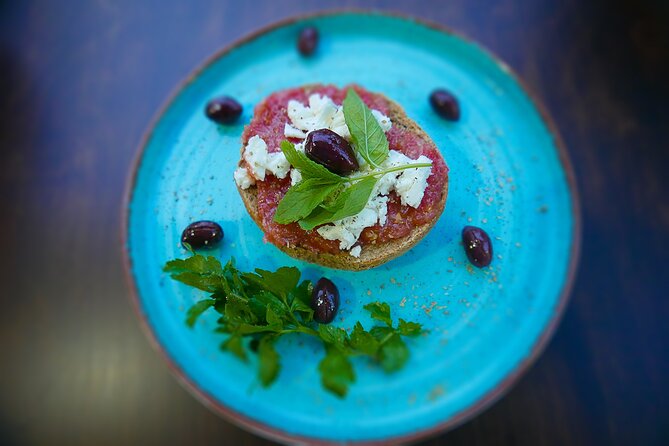
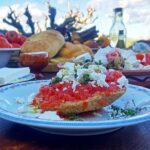
The menu begins with dakos. This is a starter that is all about comfort and texture. Expect a hands-on feel right away, where you help with the components rather than just receiving a plate.
Why this starter is a smart first choice: it sets the tone. You see how bread, toppings, and olive oil work together. You also get your bearings fast for the rest of the meal. Once you make dakos, you tend to understand the island’s emphasis on simple ingredients treated with respect.
Even better, the energy is usually at its best during the starter stage. People are fresh, the room is chatting, and you are not yet tired from standing over a stove.
Mousaka and stuffed vegetables: the main event you will remember
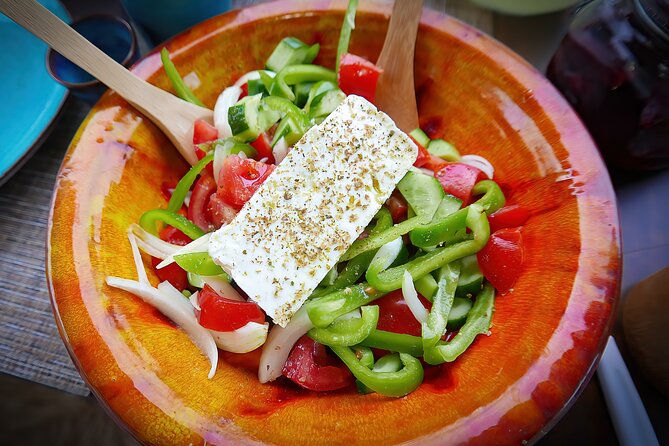
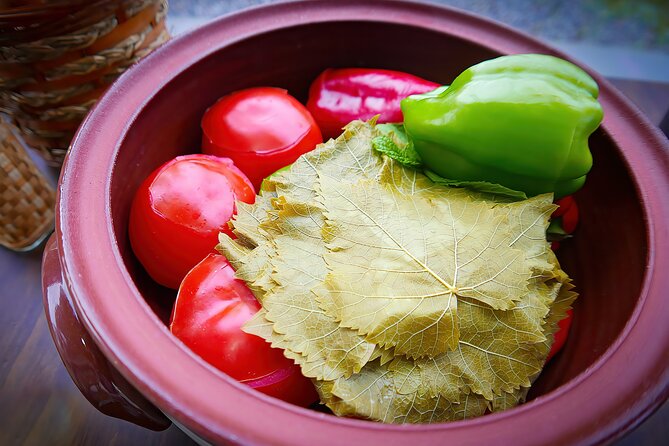
Next up is mousaka and stuffed vegetables. These are not quick snacks. They are the kinds of dishes that take time at home, which is why learning them in a real kitchen is such good value.
What you should expect:
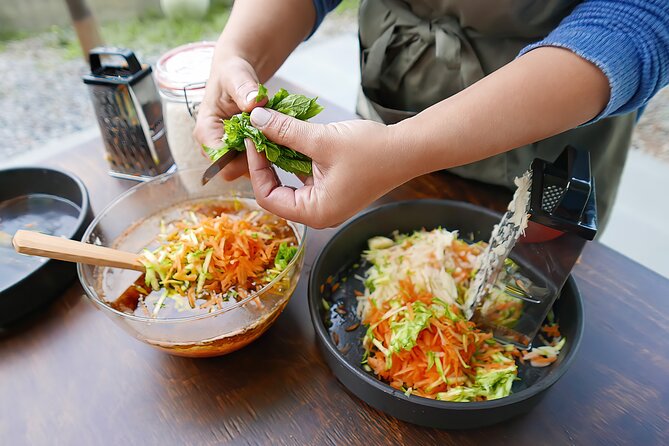
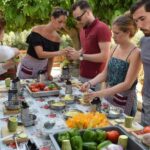
- You do the prep, not just the eating. You work on ingredients and contribute to the cooking tasks.
- The instructions are clear and grounded in what Chrysoula knows works on Crete.
- You learn how the dishes come together as a whole meal, not as separate recipes.
In one of the nicer details, there is room to adjust. If someone in your group has dietary needs, she can accommodate by making a separate dish. A vegetarian in one group was handled by preparing her own version alongside the standard options. If you have specific needs, it is worth mentioning when you book.
A practical note: mousaka and stuffed vegetables can be busy work. Plan to wear comfortable clothes and be ready to stand and move. The kitchen setup feels like a shared project, which is part of the charm.
Dessert is not an afterthought: homemade ice cream
Then you finish with homemade ice cream. Dessert in Cretan cooking often feels like a celebration of the meal, not a small token. And because it is homemade, you get that extra satisfaction of making the sweet yourself.
This is the stage where the group relaxes. By now, you have been cooking long enough to feel confident, but not so long that everyone is drained. It is a good moment to talk, trade tips you noticed, and compare what everyone thinks turned out best.
Other Crete cooking sessions to join
- Crete: Sightseeing Day Trip with Cooking Lesson and Lunch★ 4.8 · 77 reviews
- Heraklion: Cretan Cooking Lesson with Lunch in Arolithos★ 4.9 · 54 reviews
- Chrysoula’s Traditional Cretan Home Cooking★ 5.0 · 38 reviews
- Cretan Delights – Wine, Olive Oil & Cooking Workshop from Chania★ 5.0 · 25 reviews
Recipes and take-home value that actually helps
A lot of classes say you will get recipes later. This one includes that practical follow-through. You get recipes sent after the class, which means you can recreate the dishes without trying to remember every tiny detail on the spot.
That matters because Cretan cooking relies on a few instincts. For example, olive oil is central. One participant even joked about how much olive oil goes in, which tells you the recipes have that real-world feel. When you have the notes later, you can redo it with less guesswork.
Also, the experience has a social side that sticks. People often talk about the jokes and ongoing laughter, and that is not fluff. When you cook with a group that communicates well, you learn faster. You also remember more, because the instructions come attached to a moment.
Raki, “Greek measuring,” and the human touch
Food in Crete is not just ingredients. It is also hospitality.
You may taste raki during the experience, and the mood is often part celebration, part classroom. One highlight that comes up is the way Chrysoula and Dee create a playful rhythm, with teasing and hugs that make the room feel comfortable right away.
There is also the fun educational angle. In one account, participants mention being introduced to Greek measuring and even something referred to as Greek water. Even if you do not catch every term, you will likely pick up helpful cooking habits that make sense once you are doing the work.
If you want authentic travel moments, this is one of those experiences where the host treats you like people first, and food students second.
Ingredients you can feel: local produce and olive groves energy
Many cooking classes use imported ingredients and call it authentic. Here, multiple accounts point to local ingredients, sometimes even from the property or a family farm nearby. You are not just eating food with a Cretan name. You are tasting food that tastes like it belongs in Crete.
Even the setting helps. The cooking experience often feels connected to olive groves, herbs, and the outdoor garden or yard feel you get when you arrive. That connection makes the meal feel more grounded, and it gives your brain a reason to care about details like freshness and seasoning.
Price and value: what $113.84 buys you in real terms
At $113.84 per person for about 3.5 hours, the price is not “cheap,” but it is also not overpriced for what you get.
You are paying for:
- A full multi-course meal that you help prepare
- Small-group instruction (up to 12)
- Home-level hospitality where you sit down and enjoy the work together
- Recipes after the class, which extends the value beyond one meal
If you compare this to eating out, you are usually paying similar money for a single restaurant meal with no cooking skills and no recipe follow-up. If you compare it to cooking classes elsewhere, the “home kitchen plus local ingredient feel” is where the value usually shows.
One smart way to judge value: think about what you will do after. If you love Cretan food, the take-home recipes and the techniques for dishes like mousaka are what turn this from entertainment into something useful.
Who this class is best for
You will likely love this if:
- You want a small-group experience where you cook with your hands.
- You enjoy practical food learning, not just tasting.
- You like being in a social room that feels welcoming, even if you travel solo.
- You want Cretan food with local context, including ingredient habits.
You might want a different plan if:
- You hate standing and chopping for a few hours.
- You need a strictly quiet, no-chat environment. This class has energy and jokes.
- Your schedule cannot handle weather-dependent changes. Good weather is required.
Should you book Chrysoula’s Traditional Cretan Home Cooking?
If you are choosing between “see Crete” and “taste and learn Crete,” I would book this. The strongest reason is simple: you leave with both skills and a story, and the meal itself is the proof.
Book it if you want hands-on cooking, a small group, and the feeling that you joined Chrysoula and Dee’s kitchen family for the day. If your priority is a fast, passive sightseeing stop, this may not fit. But if you want a memorable Crete morning tied to real dishes, this is a very solid choice.
FAQ
How long is Chrysoula’s Traditional Cretan Home Cooking class?
It runs for about 3 hours 30 minutes (approx.).
What time does the class start?
The start time is 10:00 am.
How big is the group?
The class has a maximum of 12 travelers.
What dishes are included in the class menu?
The menu includes dakos (starter), mousaka and stuffed vegetables (mains), and homemade ice cream (dessert).
Is the class offered in English?
Yes, it is offered in English.
Are service animals allowed?
Yes, service animals are allowed.
What happens if the weather is poor?
This experience requires good weather. If it is canceled due to poor weather, you will be offered a different date or a full refund. Free cancellation is available up to 24 hours in advance for a full refund.
Greek Cooking Sessions in Crete

Every Other Crete Write-Up



More of Crete On the List

Everything else we have written up around Crete





Crete Island Tours, side by side.
 ★ 4.6Crete: Day Trip to Agios Nikolaos and Spinalonga IslandFrom $444,416 reviews
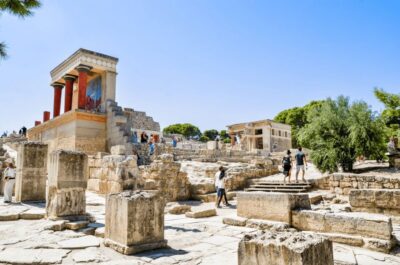 ★ 3.9Crete: Knossos Palace Entry Ticket with Optional Audio GuideFrom $302,251 reviews
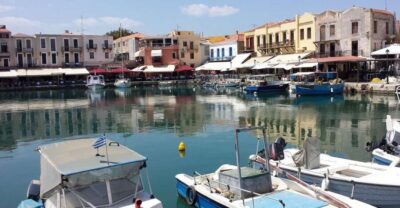 ★ 4.4Crete: Rethimno, Chania, and Kournas Lake Day TripFrom $451,694 reviews
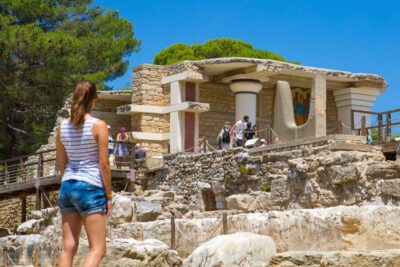 ★ 3.8Crete: Palace of Knossos E-Ticket and Audio GuideFrom $341,540 reviews
 ★ 4.4From Heraklion/Crete: Santorini Island Guided Day TripFrom $2001,448 reviews
 ★ 4.9Agia Pelagia Crete Quad Bike authentic backland TourFrom $501,430 reviews
 ★ 4.9Crete: Sunset or Morning Quad with Local Products TastingFrom $941,135 reviews
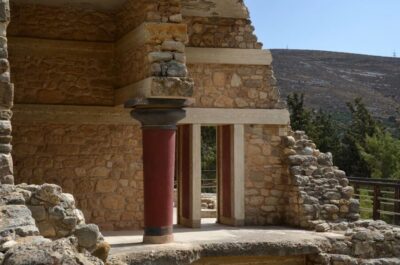 ★ 4.4Crete: Knossos Palace & Heraklion Guided TourFrom $351,127 reviews
Sits on these lists