
Review · CRETAN & GREEK COOKING CLASSES
Cooking Lesson in Heraclion
Cretan cooking starts with goat chow. I love that you choose a menu with vegan options, and I love the orchard harvest that happens before you start cooking. It turns a meal into a full, hands-on Cretan day in the countryside.
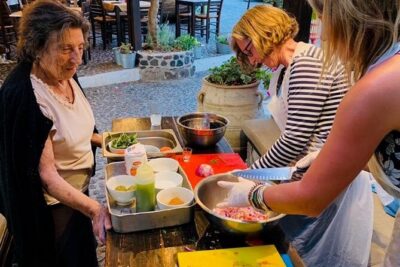
In practice, this is a family-run setup in Krousonas, just outside Heraklion. Sevi and her mom Katarina guide you through the process, and the whole thing stays family-friendly, with small groups of up to eight people. You cook traditional dishes, then relax on the veranda to eat what you made, often under grapevine shade.
One consideration: you are outdoors for parts of the experience, including walking around the farm and cutting fresh ingredients, so plan for comfortable shoes and clothing that can handle country life. Also, it is a solid half-day commitment, so it is best when you can give it your full attention.
In This Review
- Key points before you go
- Krousonas near Heraklion, the real reason this feels local
- Welcome snacks, menu choice, and planning your Cretan menu
- Farm time with goats and sheep, plus why it changes your cooking
- Orchard harvest: cut the vegetables you helped gather
- Cooking the classics: from zucchini balls to slow-cooked comfort
- Eating on the veranda with the view you came for
- Who should book this Cretan cooking lesson in Krousonas
- Price and value: what $114.13 buys you in a half-day
- My practical take: logistics that actually matter
- Should you book this Krousonas farm cooking lesson?
- FAQ
- How long is the cooking lesson in Krousonas?
- Where does the activity start and end?
- Is the cooking lesson offered in English?
- Can I choose a vegan menu?
- What animals will you see during the farm visit?
- What kind of dishes will I cook?
- How big is the group?
- Is the price per person?
- What is the cancellation policy?
- Are service animals allowed, and is it near public transportation?
Key points before you go
- Choose your menu style with vegan or non-vegan options, so picky eaters and veg eaters are both covered
- Small group size (max 8) means you get real guidance, not just standing around watching
- Farm visit first to feed goats and sheep, with goat milking possible in summer seasons
- Orchard harvest is part of the show so your meal starts with the ingredients you help pick
- Classic Cretan comfort food on the plate, from tzatziki and zucchini balls to giouvetsi and loukoumades
- A family atmosphere led by Sevi with a meal that feels like it belongs to the place, not a restaurant package
More Greek and Cretan kitchens to stand in

Krousonas near Heraklion, the real reason this feels local
Heraklion is a busy hub, but this experience takes you a short ride into working farm country. In Krousonas, you get that slower rhythm you come to Crete for: vineyards, olive trees, and the kind of quiet that makes you notice birdsong and the smell of plants. Several people describe it as calm and peaceful, almost like stepping into Greek countryside Tuscany.
The setting matters because this class is not just about recipes. It is about the whole food chain in miniature. You see where ingredients come from, you handle them, and then you cook them with the people who live the routine every day. That is why the day sticks.
You also feel the family scale. This is not a big auditorium-style lesson. The maximum group size is eight travelers, which makes the cooking process smoother and gives the hosts room to keep an eye on everyone, including kids.
Welcome snacks, menu choice, and planning your Cretan menu
You start with a warm welcome and refreshments, plus Cretan delights. Before any pots hit the stove, you sit down together and talk through the menu options. Then you make a key decision: vegan or non-vegan, depending on the season.
That choice is a big deal. It is not a one-size-fits-all class where vegetarians get a sad side dish. Here, your selection drives what you will cook. It also helps with pacing, because the group is deciding together rather than being assigned randomly.
The sample menu shows the range you might cook, including:
- Zucchini balls (fried traditional zucchini balls)
- Tzatziki sauce
- Fried snails with rosemary and vinegar (when included in your chosen portions)
- Giouvetsi (slow cooked lamb with pasta and tomato sauce)
- Cretan gamopilafo (pilaf with boiled goat or lamb and rice)
- Gemista and ntolmadakia (stuffed vegetables and little roll-style dolmades, described as ntolmadakia)
- Loukoumades (Greek honey dumplings with bio honey)
- Rice pudding with mastiha and cinnamon, with goat milk when available
- Must pudding (the must on summer in Crete)
This is the heart of the experience: you are not just learning how to cook. You are learning what Cretans actually cook, with seasonal thinking baked in.
Farm time with goats and sheep, plus why it changes your cooking
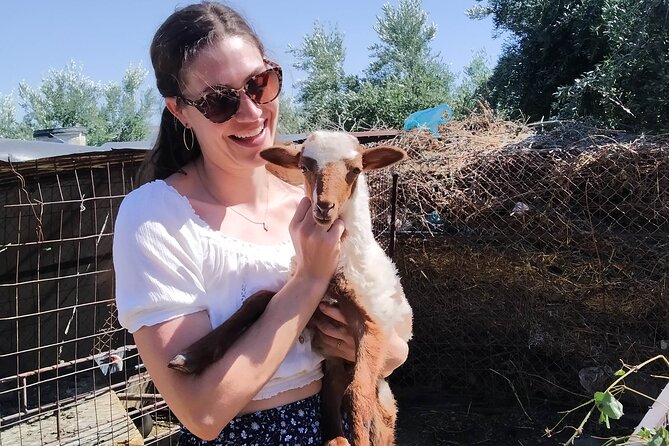
Next comes the farm visit. This is where the day turns from lesson to lived experience. You visit the farm, feed the goats and sheep, and in summer you may even get to milk the goats.
Even if you have never fed an animal before, you will understand why this is part of the class. When you later taste things like yogurt-based sauces, goat milk desserts, or lamb and goat dishes, you have a real mental link between animal care, ingredients, and the final plate.
What I think makes this section especially memorable is that it is active, not passive. People describe it as hands-on and genuinely fun, and it is one of those rare activities that works across ages. In the stories, families include kids as young as nine and also adults in their 70s, and everyone stays involved because the farm part pulls you in fast.
Because the farm is active, wear practical clothing. You will be moving around. The experience itself explicitly asks for comfortable shoes and clothes, and that is solid advice.
Orchard harvest: cut the vegetables you helped gather
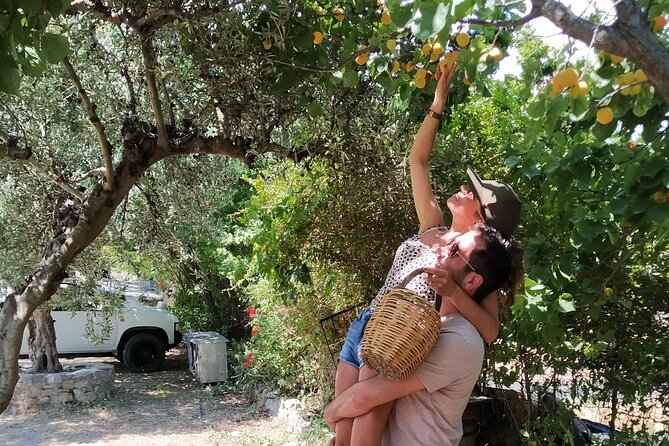
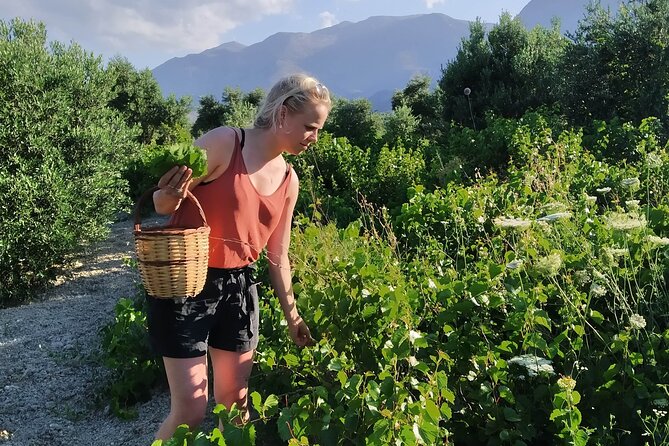
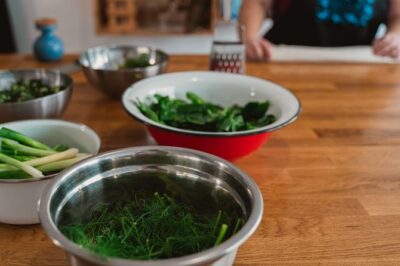
After the farm, you head to gather organic vegetables from the orchard. This is not a quick photo stop. You get time to explore nature, breathe fresh air, and learn information about the plants. Then you cut fresh vegetables and fruit, right there on site.
This is the part food lovers should care about most. When you harvest ingredients, you start noticing textures and aromas you would usually ignore. You also stop thinking of the meal as something anonymous on a menu. It becomes your work, your choice, your ingredients.
From participant stories, people also talk about collecting herbs for the meal, and even gathering things like eggs from chickens. Even if you focus mainly on the cooking section, the orchard part changes the way you eat afterward because you recognize what went into your dishes.
Also, the class runs under grapevine shade. That detail may sound small, but it matters. It keeps the day comfortable and adds to the sense that you are cooking in a real place, not in a set.
Cooking the classics: from zucchini balls to slow-cooked comfort
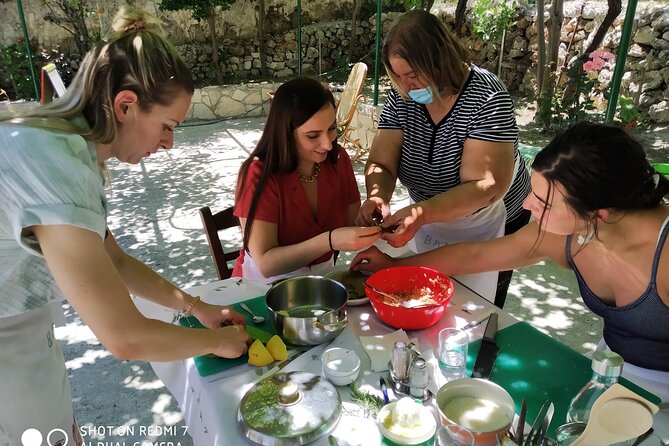
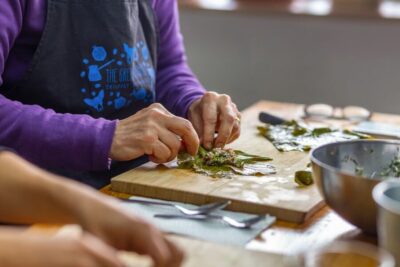
Now you get to the kitchen work. The hosts walk you through the steps so you can actually recreate the dishes later. The overall rhythm is hands-on and well paced, with enough structure that you do not feel lost, and enough freedom that the day still feels personal.
A few examples from the sample menu show the style of Cretan cooking you are learning:
- Zucchini balls: a fried, crunchy starter that feels both rustic and celebratory
- Tzatziki: the kind of sauce that tastes simple but has real character when it is made with fresh ingredients
- Giouvetsi: slow cooked lamb with pasta and tomato sauce, built for deep flavor
- Gamopilafo: goat or lamb pilaf with rice, the kind of dish that tastes like home cooking
- Gemista and ntolmadakia: stuffed vegetables and the Cretan take on dolmades, described as the cretan sushi-style in the course wording
For desserts, expect sweetness with Crete-specific signatures:
- Loukoumades with honey from their bio honey
- Rice pudding with mastiha and cinnamon, sometimes made with goat milk taken from their goats
- Must pudding in summer, using the seasonal must from grapes
One extra point from participant favorites: some people call out dessert cheese pies as a standout, which suggests that depending on the season and menu mix, you may see additional traditional sweets beyond the core sample list.
You should also know there are sometimes seasonal add-ons. The course description notes that depending on the season, you can also taste and watch cheese production. So if you are visiting during a time when they are producing cheese, you might get that added window into how dairy becomes part of Cretan table life.
Other Crete cooking sessions to join
- Crete: Sightseeing Day Trip with Cooking Lesson and Lunch★ 4.8 · 77 reviews
- Heraklion: Cretan Cooking Lesson with Lunch in Arolithos★ 4.9 · 54 reviews
- Chrysoula’s Traditional Cretan Home Cooking★ 5.0 · 38 reviews
- Cretan Delights – Wine, Olive Oil & Cooking Workshop from Chania★ 5.0 · 25 reviews
Eating on the veranda with the view you came for
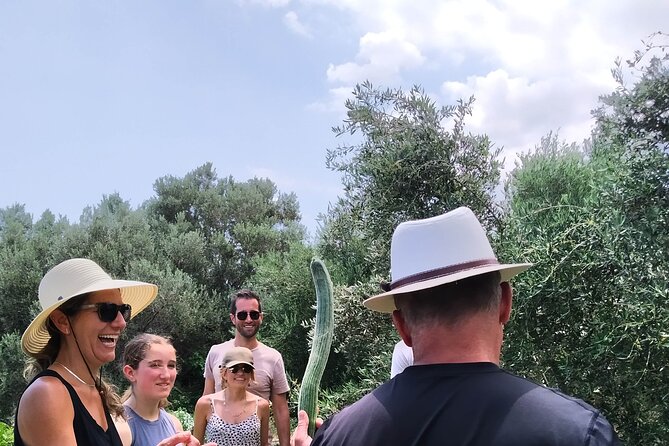
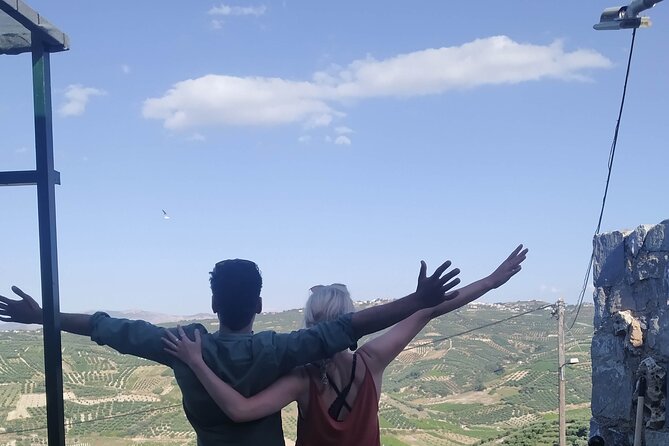
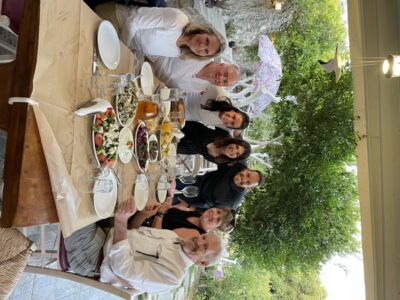
After cooking, you sit down and enjoy the meal. The experience is built around this release at the end: the meal is eaten on the veranda while you relax with the view. In the stories, people mention an amazing outlook, with vineyards and olive trees visible, and the day described as peaceful and scenic.
This is where value shows up. You are not paying just for instruction. You are paying for ingredients, cooking time, and a meal that is directly tied to the work you did earlier.
Many people also mention wine as part of the meal. The class starts with refreshments, and the dinner experience reads like a true hosting moment rather than a quick tasting.
A nice detail: recipes are provided. Several participants say they received recipes for the dishes they cooked, and that those recipes are straightforward enough to follow back home. That matters if you want more than a memory. You want dinner results.
Who should book this Cretan cooking lesson in Krousonas
This works best if you like food that comes with a story, and you enjoy learning by doing. It also fits several travel styles:
- Families: the experience is described as family-friendly, with hosts capable of engaging young kids without making the adults feel left out
- Mixed-age groups: people mention having family members ranging from children to older adults, all staying interested during farm time and cooking
- Veggie-minded travelers: vegan or non-vegan menu choices are available
- Food souvenir hunters: you get recipes and a practical sense of how Cretan classics are built
It is probably less ideal if you want only a quick, urban activity. This day is built around countryside movement, farm time, orchard time, and a full meal. If you are trying to pack too much into one day in Heraklion, give this lesson breathing room.
Price and value: what $114.13 buys you in a half-day
At $114.13 per person for about four hours, you might initially compare it to a restaurant meal plus a cooking class. But the real value comes from what you receive in one package.
You are paying for:
- A small-group, guided experience (max eight), so the instruction feels personal
- Active farm time like feeding goats and sheep, and seasonal goat milking in summer
- Ingredient work including harvesting vegetables from the orchard and cutting fresh produce
- A full meal made from what you selected, plus refreshments at the start
- Recipes to recreate dishes at home, so it is not just entertainment
Also, this is booked fairly early on average, about 40 days in advance. That suggests the schedule fills up, which usually happens when an experience is in demand for a reason: it feels authentic and enjoyable, not rushed or generic.
If you are traveling with kids, this price can feel especially fair because you get a structured day that is both educational and fun. It is not just watching adults cook, kids help with tasks like feeding animals, and the whole farm-to-table setup gives them something to remember.
My practical take: logistics that actually matter
You will get a mobile ticket, and the experience is offered in English. It also notes that it is near public transportation, which is helpful if you do not want to rely only on a rental car.
The start point is in Krousonas, Greece, and the experience ends back at that same meeting point. Because it is about four hours, plan the rest of your day around it. People mention being on cruise ship timing too, and the hosts have helped manage getting back in time in those cases, but you should still treat this as a real schedule commitment.
Finally, there is a practical answer built into the experience instructions: wear comfortable shoes and clothes. You will be walking on uneven ground at times, moving around the farm, and cutting fresh produce.
Should you book this Krousonas farm cooking lesson?
Book it if you want a real Cretan day, not just a cooking demo. This is one of those activities that gives you more than a dish. You come away understanding the rhythm of farm food, with a menu you chose yourself, ingredients you helped harvest, and recipes to cook again later.
Skip it only if you cannot handle a countryside day, or if you are looking for a short city stop rather than a half-day experience that includes farm time and outdoor work. If your travel day needs to be perfectly light and quick, you may want a different option.
FAQ
How long is the cooking lesson in Krousonas?
The experience runs for about 4 hours.
Where does the activity start and end?
It starts at the meeting point in Krousonas, Greece and ends back at the same meeting point.
Is the cooking lesson offered in English?
Yes, the experience is offered in English.
Can I choose a vegan menu?
Yes. You can choose from the seasonal options, including vegan.
What animals will you see during the farm visit?
The experience includes feeding goats and sheep. In summer, it may also include milking the goats.
What kind of dishes will I cook?
The sample menu includes items like zucchini balls, tzatziki, fried snails, giouvetsi, gamopilafo, gemista and ntolmadakia, plus desserts such as loukoumades, mastiha rice pudding, and must pudding.
How big is the group?
There is a maximum of 8 travelers.
Is the price per person?
Yes, the price is listed as $114.13 per person.
What is the cancellation policy?
Free cancellation is available up to 24 hours in advance for a full refund.
Are service animals allowed, and is it near public transportation?
Service animals are allowed, and the activity is near public transportation.
Greek Cooking Sessions in Crete
Every Other Crete Write-Up




Greek and Cretan Kitchens to Stand In
Everything else we have written up around Crete



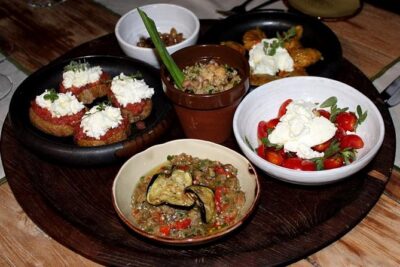

Cretan & Greek Cooking Classes, side by side.
 ★ 5.0Athens: Classic Cooking Class with Market Visit and WineFrom $831,101 reviews
 ★ 4.9Athens: Food Market Visit and Cooking Class with WineFrom $811,087 reviews
 ★ 5.0Greek Cuisine Cooking Class in Santorini with Recipes and WineFrom $145969 reviews
 ★ 5.0Naxos: Half-Day Cooking Class at Basiliko Family TavernFrom $117887 reviews
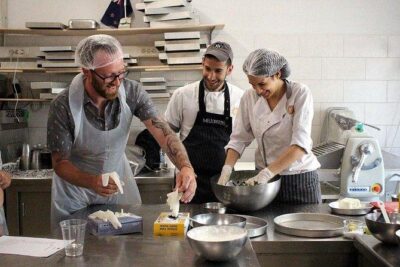 ★ 5.0Greek Cooking Class in Athens Including Rooftop Dinner with Acropolis ViewFrom $120826 reviews
 ★ 5.0Greek Small-Group Athens Cooking Class & DinnerFrom $118574 reviews
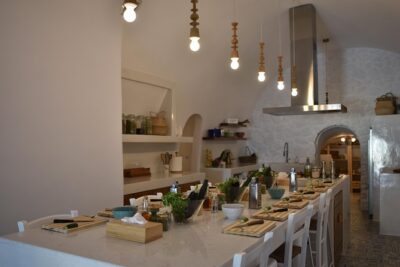 ★ 5.0Exclusive Cooking Experience in our Cave Home by Petra KouzinaFrom $266572 reviews
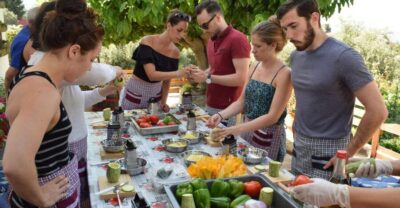 ★ 4.9Chania: Authentic Cooking Class in the White MountainsFrom $129529 reviews
Sits on these lists