
Review · METEORA MONASTERY TOURS
From Kalabaka/Kastraki: Meteora Monasteries Morning Tour
Meteora feels unreal before breakfast. What makes this morning tour special is the hotel pickup minibus convenience plus visiting inside 3 monasteries with a live English-speaking guide and a free smart audio guide. The main drawback to plan for is that monastery entry fees are not included, and once inside you rely on the audio guide app rather than a guide walking with you.
You also get more than a simple stop-and-snap trip. You’ll see all 6 of Meteora’s main monasteries from the roads and viewpoints, then focus on 3 of them up close, with built-in story moments like Doupiani Chapel and the tale of Saint George’s Hermit Cave. The schedule is busy in the best way, with repeated photo stops and scenic pauses that help you get photos without sprinting.
Guides often bring personality to the morning, and names you might hear include Toulis, Kate, Demetrius, Eva, Vasily, Christos, and Jim. Just remember, Meteora has stairs and rough walking, and the monasteries enforce dress rules, so it’s best when you show up ready.
In This Review
- Key things I’d zero in on before you book
- Meteora in the morning, with less hassle on your plate
- Pickup and timing: how the minibus keeps the morning moving
- The audio smart guide: your portable second brain
- Seeing 6 monasteries, then going inside 3: the right mix
- What you’ll learn on the route: monks, motives, and the hermit story
- Stop-by-stop flow: how the morning keeps your eyes fresh
- Photo stops where the guide actually helps
- Dress code and entry fees: the two practical checks
- Entry fees
- What to wear
- The real value question: is $27.67 a smart deal?
- Who should book this Meteora morning tour?
- Things to pack so you’re not rushing at the door
- Book it or skip it? My practical verdict
- FAQ
- How long is the Meteora Monasteries Morning Tour?
- What languages is the tour guide in?
- Is there a free audio guide?
- Do you pay monastery entry fees?
- Does the guide go inside the monasteries with you?
- Where does pickup happen?
- What do I need to bring for the monasteries?
- Is the tour suitable for wheelchair users?
Key things I’d zero in on before you book
- Hotel pickup and drop-off from Kalampaka and Kastraki, so you skip parking and the drive stress
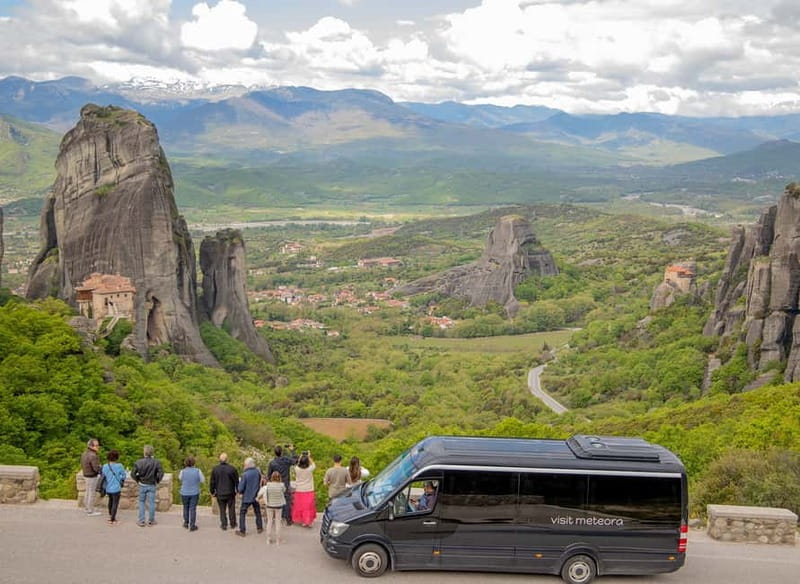
- See all 6 main monasteries, then go inside 3 so you get depth without using the whole day
- Free audio smart guide in 10 languages with 19 points of interest you can follow on your phone
- Doupiani Chapel and Saint George’s Hermit Cave story as part of the morning narrative
- Photo stops plus active help with pictures, including group shots when you ask
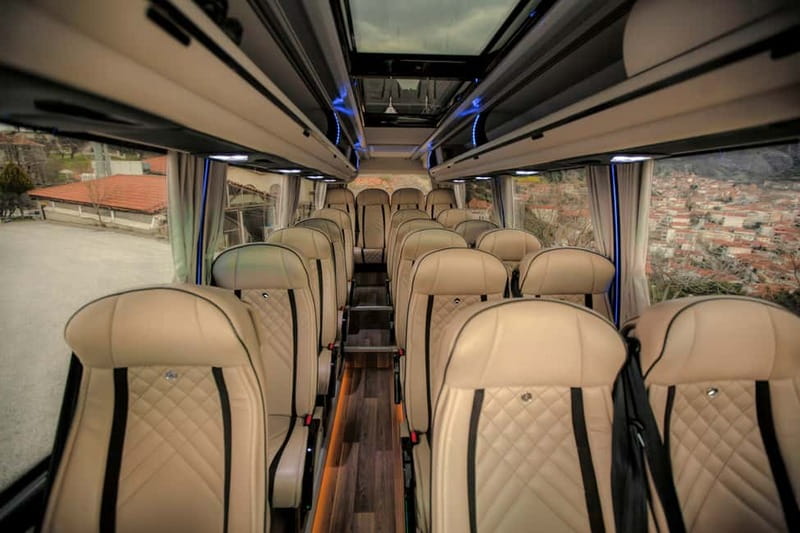
- Clean, air-conditioned Mercedes Sprinter mini buses with bottled water and Wi-Fi on board
More ways to see the Meteora rocks and monasteries
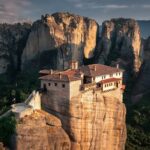
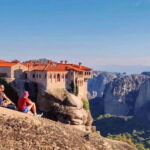
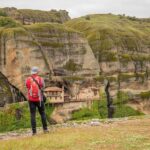
Meteora in the morning, with less hassle on your plate
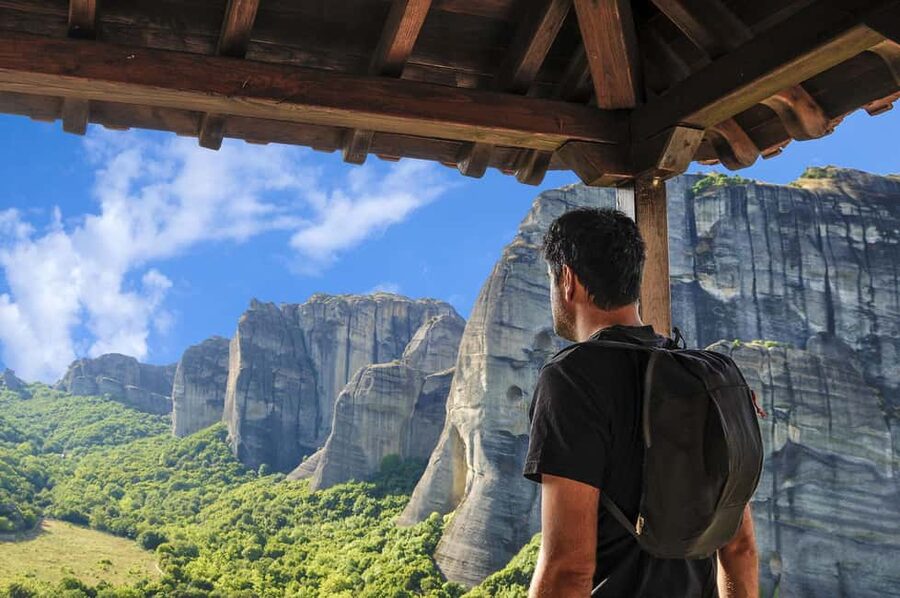
Meteora is one of those places where your first reaction is basically, how did people build this up here? This tour leans into that feeling, but it does the practical part for you. Instead of renting a car and trying to time winding roads, you get picked up and dropped off, then driven between viewpoints that are hard to manage on your own.
Two things make it work well for a half-day: you cover a lot of ground, and you don’t feel like you’re racing. The tour is designed around a structured flow of photo points and monastery time, which matters because Meteora can eat your energy if you’re figuring out the logistics as you go.
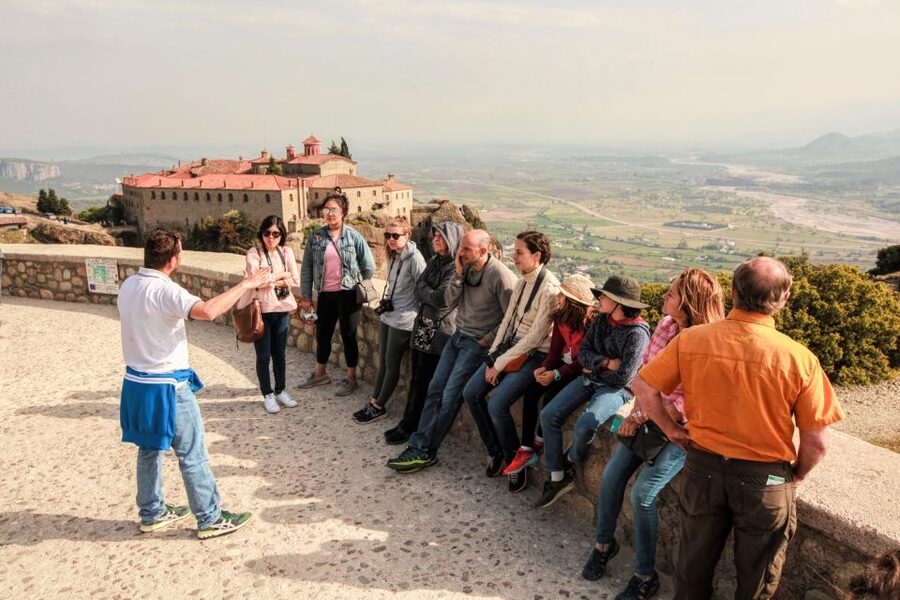
If you like guidance that turns the rocks into a story, you’ll appreciate how the morning tour frames the origin of the hermits and monks. You hear how people began living on these dramatic formations, why they chose to climb the steep rocks, and how that choice shaped the monastic community that became Meteora as you see it today.
Pickup and timing: how the minibus keeps the morning moving
The tour runs about 4 hours, and that short duration is a gift. Meteora mornings can be cool and clear, then turn hot fast, so a half-day format helps you see a lot before fatigue sets in.
Pickup is also set up to be simple. You wait in your hotel lobby or main apartment entrance area, and you look for a Mercedes Sprinter mini bus. A tour leader verifies you against a name list, and you’ll get going with minimal fuss.
In practical terms, this is what saves you time:
- You do not have to hunt for parking near the monasteries
- You do not have to reposition your car between viewpoint areas
- You get Wi-Fi on the bus to help you keep your phone ready for the audio guide
It’s also built for real-life pacing. The itinerary includes multiple short drives between stops, with photo moments spaced throughout so you can reset your eyes. Even if you love walking, it’s smart to let the vehicle do some of the climbing while you focus your energy on monastery time and viewpoint photos.
The audio smart guide: your portable second brain
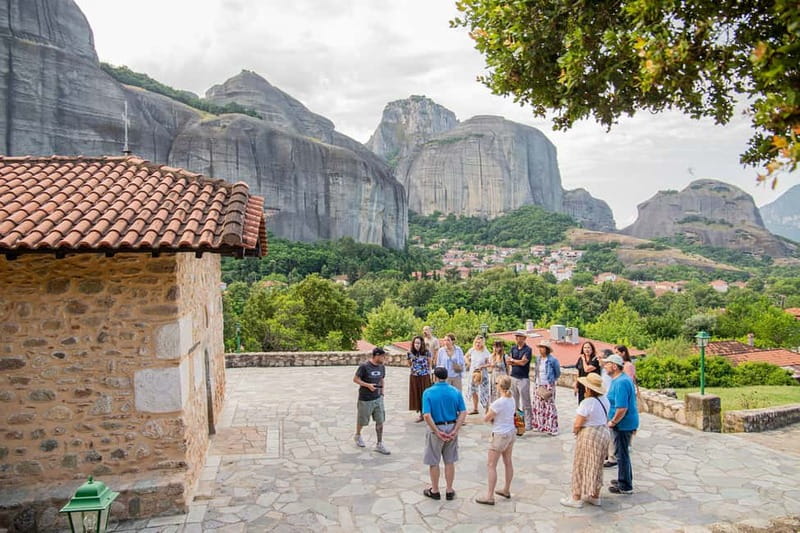
One of the best value adds here is the free audio smart guide app. The guide is in English, and the app gives you additional language options so you can follow along at your own pace. The tour data lists audio languages including Spanish, French, German, Italian, Portuguese, Chinese, Japanese, Polish, and English (and more options are mentioned as available).
What you should care about is not just language. It’s the structure. The app covers 19 points of interest, which means you’re not stuck guessing what you’re looking at. When you’re on a platform staring at the monasteries, you’ll have a way to connect the view to the story you heard from the guide.
You’ll want to bring:
- A smartphone
- Ear pads (earpieces)
If you show up without ear pads, you can still try to listen, but it becomes much less enjoyable. This is one of those small prep steps that makes the tour feel smoother.
Seeing 6 monasteries, then going inside 3: the right mix
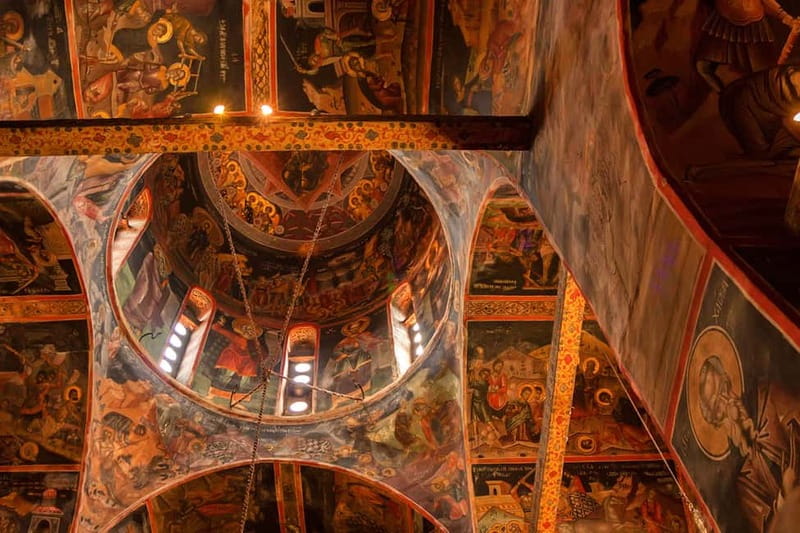
Meteora is famous, which means it can feel like a highlight reel. This tour avoids the common problem of seeing too much from outside only. You’ll pass and view all 6 main monasteries, but you’ll actually enter 3 of them.
Why this mix is smart:
- Outside views give context. You understand the scale and the geography.
- Inside visits give you the details. You see religious spaces and monastery artifacts up close.
- Three entries fit a morning. You still have time to look, breathe, and photograph.
When you’re inside, the live guide does not escort you through the monasteries. Instead, you use the audio app. For many people, that’s fine because it gives you freedom to move at your own speed. You can pause, look longer at a specific spot, then move on without feeling you’re being rushed from one corner to another.
What you’ll learn on the route: monks, motives, and the hermit story
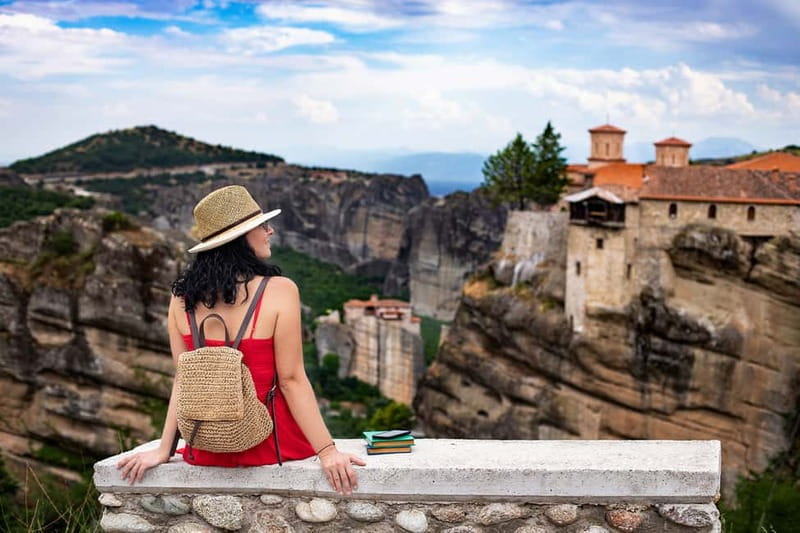
This is not just a sightseeing circuit. The morning is framed around the origins of the monastic community. You’ll hear about the earliest hermits and monks, and how their choices set the stage for what grew into Meteora.
A standout theme is motivation. You get the story of why people were drawn to these heights in the first place, and what the rocks meant for spiritual life. It’s a helpful correction if you’ve heard the place described only as dramatic or scenic. This site is dramatic, yes, but the point is that it became a living religious landscape built around a specific kind of devotion.
The tour also includes story stops connected to sacred places in the area, including Doupiani Chapel and the tale of Saint George’s Hermit Cave. Even if you’re not a devoted church-history reader, these stories make the visit feel grounded in people and beliefs, not just architecture.
More monasteries and Byzantine churches
- Meteora: Sunset Small Size Tour with Monastery & Caves visit★ 4.9 · 171 reviews
- Athens to Meteora: Monasteries & Hidden Caves Bus Tour★ 4.7 · 141 reviews
- Meteora: Monasteries Tour, Lunch, and Athens Transfer Option★ 4.8 · 102 reviews
- Kalabaka: Meteora Monasteries Minibus Tour with Photo Stops★ 5.0 · 74 reviews
Stop-by-stop flow: how the morning keeps your eyes fresh
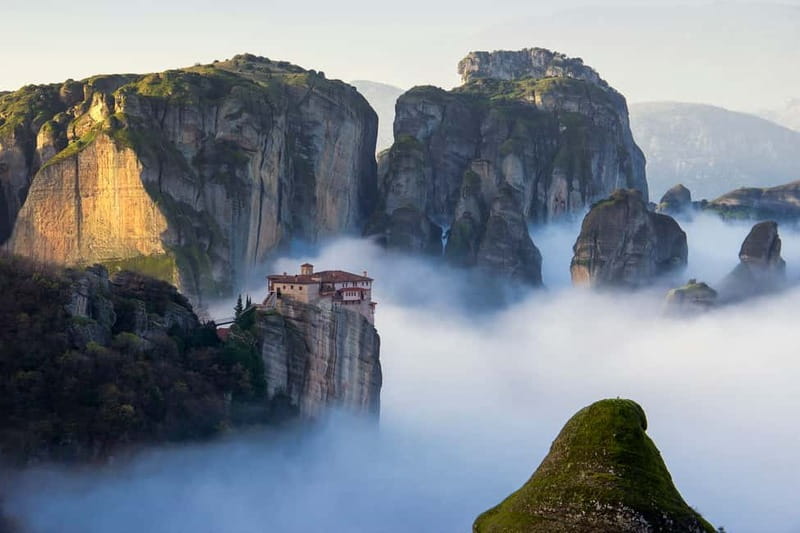
The route is built around a repeating rhythm: a short drive, a viewpoint pause, then a monastery-focused block. Here’s how that feels in real life.
You start with a quick bus segment to get you into the Meteora area, then a first stop that functions as a photo stop and guided introduction. This matters because it sets up what you’re about to see, so later views land harder.
After that, there are additional viewpoint pauses spaced between monastery times. Think of these as your visual checkpoints. You get time for photos, plus guided points that explain what you’re looking at from that angle.
Then the tour shifts into monastery time blocks:
- One monastery stop includes photo time and guided tour elements, plus time to explore on your own.
- Other monastery stops include a mix of guided and free time, so you can see key areas and then wander.
There are also longer photo and walk moments that help you get different perspectives. Meteora photo culture is real, but the good news is the tour doesn’t pretend you need to run for the perfect shot. You get multiple tries from different places.
At the end, there are still viewpoint stops and final drives before you head back down for drop-off. That structure makes the morning feel complete rather than chopped up.
Photo stops where the guide actually helps
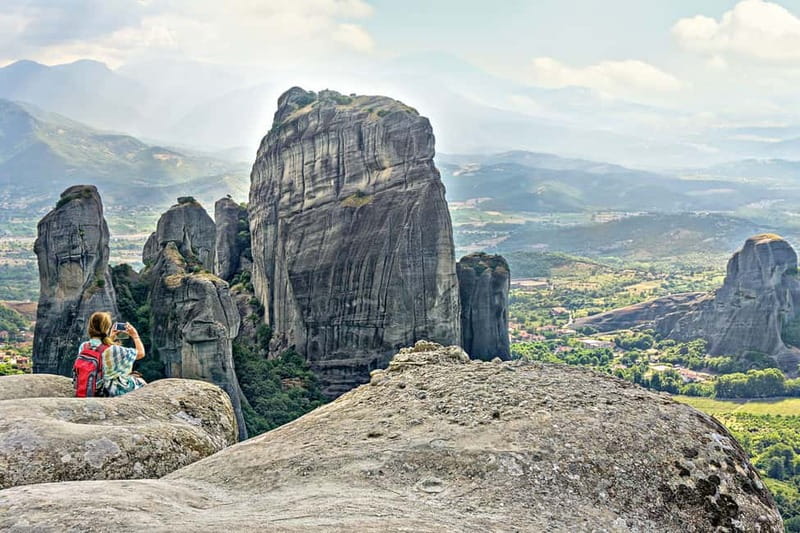
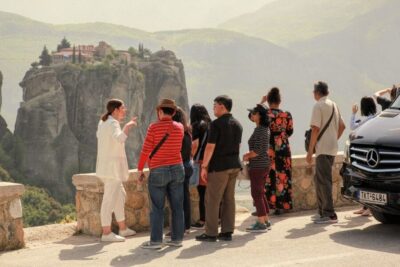
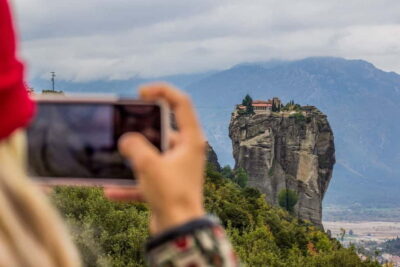
If you care about photos, you’ll likely enjoy how the tour handles it. The schedule includes multiple photo stops and scenic viewpoints, and guides are willing to help with group shots when you ask.
You’ll get a mix of:
- Wide views for the big wow
- Angled views for composition
- Stops timed so you can step away from the bus, look around, and take multiple frames
One underrated part of this is stress reduction. Even if you’re an experienced traveler, photo hunting on Meteora can be tiring because you’re managing stairs, crowds, and the clock. Here, the timing is built into the plan, so you can focus on shooting instead of figuring out where to stand.
Dress code and entry fees: the two practical checks
Let’s talk about the part that can catch you off guard: monasteries run dress rules and entry fees.
Entry fees
Monastery entry fees are 5 EUR per person at each monastery, and they are not included in the tour price. Since this tour includes entry to three monasteries, you should plan around about 15 EUR total for your entries, while keeping an eye out for exact payments at the sites.
Also, bring cash, since the data explicitly mentions it.
What to wear
Clothing rules are strict enough that it’s worth planning your outfit before you go:
- Ladies must wear skirts by the knee or longer. No pants, no shorts, and no sleeveless shirts.
- Men are prohibited from wearing sleeveless clothing and shorts above the knee.
Practical packing advice: bring a scarf in case you need to adjust your coverage quickly, and wear comfortable shoes because you’ll walk.
The real value question: is $27.67 a smart deal?
At $27.67 per person, the tour price itself is reasonable, especially when you factor in hotel pickup and drop-off, air-conditioned transportation, and a live English guide. The smart part is what you are buying besides the drive: story guidance, planned photo stops, and the audio app setup that helps you make sense of what you see.
But the value hinges on one thing: monastery entry fees and the fact that you explore inside on your own with audio. If you’re comfortable navigating inside spaces without a guide escorting you, this is a strong deal for a compact morning.
If you want a guided walkthrough inside each monastery, then you may feel the difference. The tour data is clear that the guide inside the monasteries is not included, so plan around using the audio app.
Who should book this Meteora morning tour?
This tour fits best if:
- You want an efficient Meteora overview without driving or parking stress
- You’d rather spend your time looking and photographing than planning logistics
- You enjoy stories about the first hermits and how the community formed
- You travel with family and want a structured pacing. This kind of itinerary has worked well for families with kids, especially because it includes repeated breaks and manageable time blocks.
It may feel less ideal if:
- You need wheelchair access. The tour is listed as not suitable for wheelchair users and people with mobility impairments.
- You dislike dress-code situations, since monasteries require specific clothing coverage.
- You want a fully guided narration inside every single monastery, since the guide does not escort inside and the audio app is your main tool.
Also, keep the walking in mind. The tour data calls it not suitable for babies under 1 year and lists weight and age limits (including not suitable for people over 95 years and over 300 lbs).
Things to pack so you’re not rushing at the door
I’d pack like this for Meteora mornings:
- Comfortable shoes
- Sun hat and sunglasses
- Sunscreen
- A scarf for coverage flexibility
- Cash for monastery entry fees
- Smartphone plus ear pads for the audio guide
- Camera, and optionally binoculars if you like details from viewpoints
That small kit makes a huge difference because the mornings can feel bright and hot, and you’ll want your phone ready for the audio points.
Book it or skip it? My practical verdict
If you’re short on time, this is the kind of tour that makes Meteora doable. You get a structured plan, hotel pickup, repeated viewpoint breaks, and you actually enter three monasteries rather than only driving past them. The free audio guide app adds a lot of value because it helps you understand what you’re seeing while still moving at your own pace.
I’d book it if you want the Meteora story told clearly, plus the convenience of someone else handling the roads and timing. I’d think twice if you need full inside guidance for every monastery or if you have mobility limitations that make stairs and walking hard.
FAQ
How long is the Meteora Monasteries Morning Tour?
It runs for about 4 hours. Starting times vary, so you’ll need to check availability for the exact schedule.
What languages is the tour guide in?
The live tour guide is in English only. Other languages may be available through a free audio guide app.
Is there a free audio guide?
Yes. You get a free audio smart guide app that covers 19 points of interest and is available in 10 languages, including Spanish, French, German, Italian, Portuguese, Chinese, Japanese, Polish, and English.
Do you pay monastery entry fees?
Yes. Monastery entry fees are 5 EUR per person at each monastery, and they are not included in the tour price.
Does the guide go inside the monasteries with you?
No. The guide is not included inside the monasteries. You can use the multilingual audio guide app while you explore.
Where does pickup happen?
Pickup is included from hotels and apartments in Kalampaka town and Kastraki Village. Pickup options are also listed for Kalabaka, Kastraki, and Trikala. If your place is not listed, you need to contact the operator to arrange details.
What do I need to bring for the monasteries?
Wear comfortable shoes and dress appropriately. The data specifies skirts by the knee or longer for ladies, and restrictions for men (no sleeveless clothing and no shorts above the knee). Bring cash for entry fees and a smartphone and ear pads for the audio guide.
Is the tour suitable for wheelchair users?
No. The tour is listed as not suitable for wheelchair users and people with mobility impairments.
Every Other Kalabaka Write-Up

Monasteries and Byzantine Churches
The Meteora Rocks, More Visits
Everything else we have written up around Kalabaka
Meteora Monastery Tours, side by side.
 ★ 4.8Thessaloniki: Full-Day Bus Trip to MeteoraFrom $583,471 reviews
 ★ 4.7Athens: Meteora Monasteries Day Trip with Caves and LunchFrom $662,964 reviews
 ★ 4.8Athens: Meteora Monasteries Day Tour with LunchFrom $652,196 reviews
 ★ 4.8Athens: Meteora Tour with Local Guide and Greek LunchFrom $631,561 reviews
 ★ 4.5Athens: Meteora Monasteries, Caves & Coastal Stopovers with LunchFrom $881,432 reviews
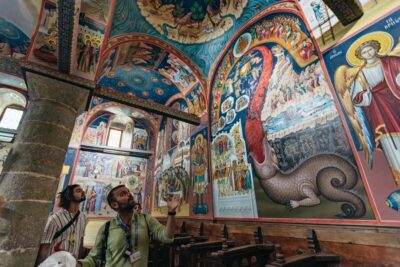 ★ 4.5From Athens: Delphi and Meteora 2-Day Guided TourFrom $271825 reviews
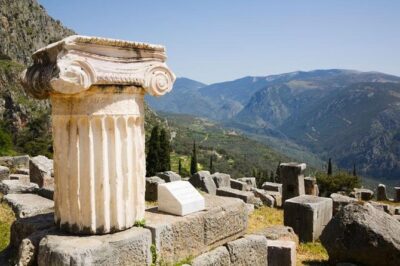 ★ 4.54-Day Classical Greece Tour: Epidaurus, Mycenae, Olympia, Delphi, MeteoraFrom $766732 reviews
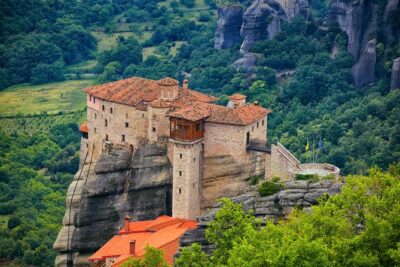 ★ 4.5Athens: Meteora Monasteries, Hermit Caves Tour with PickupFrom $87724 reviews
Sits on these lists