

Review · WALKING TOURS
Athens Highlights: Myths & Philosophers Private Walking Tour
Philosophy feels alive on Athens streets. This private 4-hour walking tour mixes famous landmarks with Greek mythology and philosopher-to-philosopher conversations you can actually use in real life. I like that it moves at a comfortable pace while still packing in serious Athens brainpower.
Two things I especially like: you get clear connections between sites and ideas, not just name-dropping. And the stops feel human, like the time in the National Garden to talk about Epicurus, then a laid-back coffee break in Thissio.
One drawback to consider: it is a walking tour, and it is not suitable for people with mobility impairments.
In This Review
- Key takeaways before you go
- Walking With Philosophers, Not Just Around Them
- Panepistimio Start and Theofilus Hansen’s Trilogy of Athens
- Academy of Athens to Numismatic Museum: Ideas Meet Real Streets
- Hellenic Parliament and the National Gardens: Epicurus in the Garden
- Ermou Street and Kapnikarea: Hermes, Merchants, and Aristotle
- Thissio Coffee Stop: A Breather With Pre-Socratic Conversation
- Ancient Agora to Poikile Stoa: Where Stoic Philosophy Took Root
- Plaka and Anafiotika Foot of the Acropolis: Cynics, Myths, and City Texture
- Tower of Winds and Aiolos: Learning the Myth Behind the Air
- Areopagus Hill Finale: A View and a Myth Load
- How This Tour Earns Its Value at $100 per Person
- Who Should Book This Athens Philosophy and Myth Walk
- Should You Book This Athens Highlights: Myths and Philosophers Tour?
- FAQ
- How long is the Athens Highlights: Myths & Philosophers private walking tour?
- Where do I meet the guide?
- Is the tour private?
- What is included in the price?
- Are entrance fees included?
- What should I bring?
- Is the tour suitable for people with mobility impairments?
- Can I cancel for a refund?
- Does it offer flexible booking?
Key takeaways before you go
- Socrates, Plato, Aristotle, Epicurus, Stoics, Cynics, and more get placed into real Athenian locations
- Apollo and Athena show up through stories tied to the city, not through dry lecture notes
- The route includes Hansen’s Trilogy of Athens, Kapnikarea (11th century), and major viewpoint energy at Areopagus Hill
- You stop for a Greek coffee or traditional refreshment during the walk, with time to talk
- It is a private group format, so the guide can answer your questions and shape the conversation
More Athens bookings just for your own group



Walking With Philosophers, Not Just Around Them
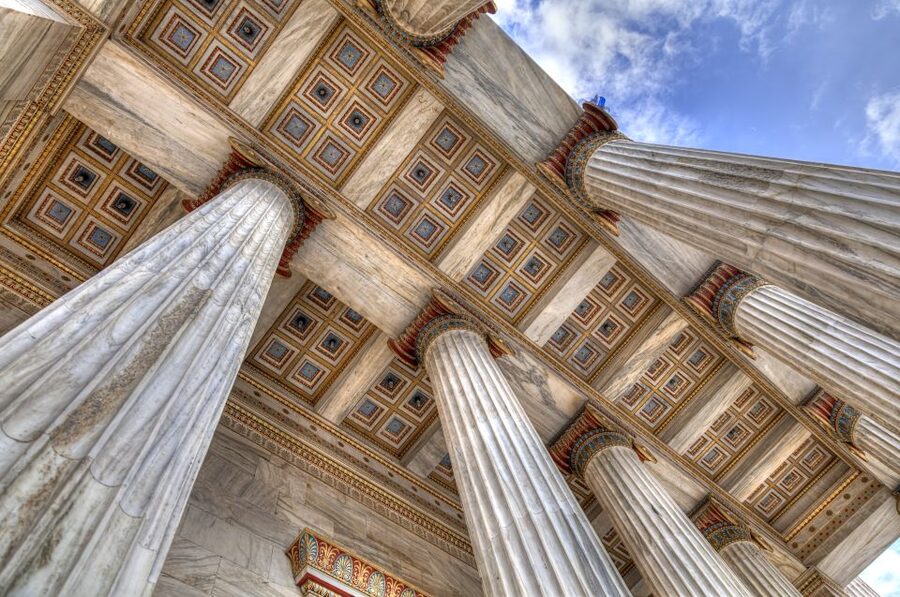
Athens can feel like a giant open-air classroom, but most tours only skim the surface. This one tries a different approach: it connects myths and philosophy to the same streets you would walk anyway, so the ideas land in your day, not just in your guidebook.
The vibe is conversational. You are not standing around waiting for someone to finish a monologue. The best moments are when the guide links a place to what people were arguing about at the time, then brings it forward to what you might notice today. That is why the tour works even if you are not a hardcore philosophy student, and also why it pleases the folks who are.
The tour is built around short walks between major stops, with story moments at each one. You will cover central Athens landmarks, from government-area gravitas to neighborhood streets, then finish with that classic, looking-down-on-the-city feeling from Areopagus Hill.
If you want a Athens experience that feels more like thinking out loud with a local than checking off monuments, this is a strong choice.
Panepistimio Start and Theofilus Hansen’s Trilogy of Athens
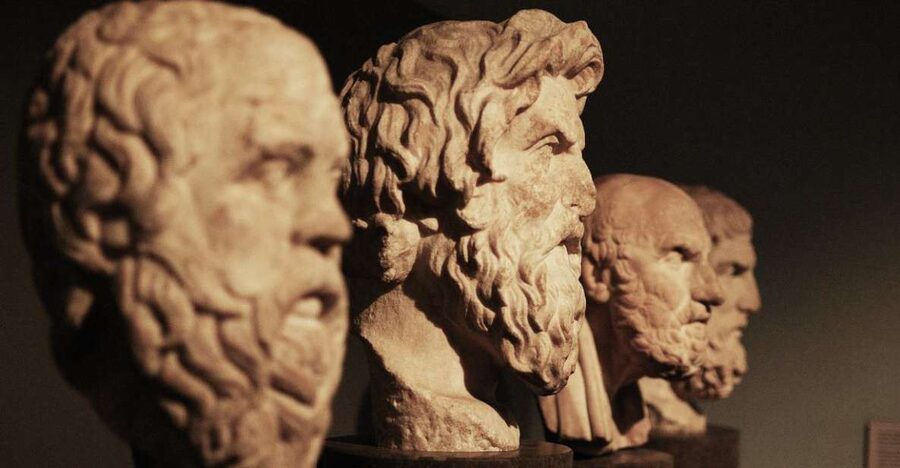
You meet at Panepistimio Metro Station, with two starting options depending on what you book, including Panepistimio (University). From the first steps, the tour sets up a mix of architecture, sculpture, and philosophy so the day feels layered instead of linear.
A big early highlight is the Trilogy of Athens, created by the architect Theofilus Hansen. You get to admire the work of 19th-century sculptors, which gives Athens a slightly different emotional tone than the Acropolis-centered postcard view. It is less about ancient stones and more about how later generations shaped the city’s look and identity.
This stop also doubles as a philosophy launchpad. You talk about two of the most famous ancient figures, Socrates and Plato, in connection with what Athens was becoming as a place of ideas. That matters because you stop treating philosophy like an abstract subject and start seeing it as something that grew in specific neighborhoods and public life.
The tour also brings in mythology here, especially Apollo and Athena. The guide frames them as different gods with surprising overlaps. That is a smart touch, because it reminds you that Greeks did not separate myth from everyday thought. Gods were part of how people explained personality, values, and power.
Practical note: this opening stretch is where wearing comfortable shoes really pays off. You will be moving enough that you want your feet ready, not just your phone charged.
Academy of Athens to Numismatic Museum: Ideas Meet Real Streets
From the start area, the walk continues through central zones that help you feel how Athens spreads out. The route includes time at the Academy of Athens area, then moves toward the Numismatic Museum.
Even when you are not going inside, these stops are about context. You are building a mental map that makes later sites easier to place. It is like setting up the story before the characters enter the room.
The inclusion of the Numismatic Museum area also hints at a key theme of the tour: history in Athens is not only about ruins. It is about how people represented ideas, authority, and culture through objects and public life. That kind of thinking tends to make the later philosophy stops feel less random.
If you are the type who likes your travel experiences to make sense in a cause-and-effect way, you will probably appreciate how this portion of the route supports the later storytelling.
Hellenic Parliament and the National Gardens: Epicurus in the Garden
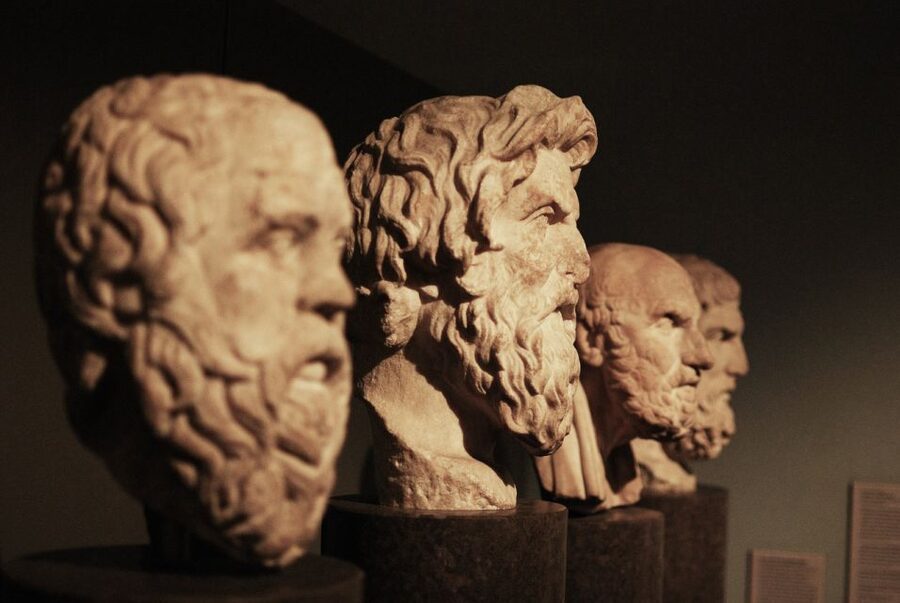
Next comes the Hellenic Parliament area and then the National Gardens. This is a good switch in mood, because government buildings bring a formal feeling, and the gardens bring a slower, calmer one.
The National Gardens are where the tour centers on Epicurus and his philosophical school, known as the Garden. You are not just told a name. You are in the setting that matches the idea of a school with a different pace, and the guide uses the surroundings to shape the conversation.
This is one of the most praised moments in the experience. People really appreciated the way the guide made the philosophy feel practical, not museum-distant. It is also a chance to reset your body, because you are moving through shade and open space.
I like this stop because it breaks the pattern of constant monuments. You get a philosophy pause that feels like part of living in the city, not just sprinting between sights.
Ermou Street and Kapnikarea: Hermes, Merchants, and Aristotle
After the gardens, the route heads down Ermou Street, which the tour highlights as one of the most commercial streets in Athens. The name comes from Hermes, the god connected to merchants, so you get a myth-to-modern-street connection right away.
This is where the walking tour becomes more than academic. You are seeing Athens as it functions, not just as it once was. A commercial street makes Hermes feel instantly relevant.
From there, you get to admire Kapnikarea, a temple dating to the 11th century. The tour ties the timing and place into the story of Aristotle and his philosophical school, the Lyceum.
This part of the route is valuable for two reasons. First, it anchors philosophy in specific places, so you can picture where ideas took form. Second, it helps you understand how Athens layers time. You are not only moving through one era. You are walking through an ongoing city.
Drawback here: Ermou Street can feel busy and sunny depending on the day. That is why the tour includes a later coffee break, and why you should bring sunglasses and sunscreen.
More of Athens taken slowly on foot
- Athens: Acropolis and Parthenon Guided Walking Tour★ 4.6 · 5,882 reviews
- Greek Food Walking Tour in Athens★ 5.0 · 4,740 reviews
- Acropolis: Acropolis and Parthenon Guided Walking Tour★ 4.7 · 3,442 reviews
- Acropolis monuments & Parthenon Walking Tour with Optional Acropolis Museum★ 5.0 · 2,678 reviews
Thissio Coffee Stop: A Breather With Pre-Socratic Conversation
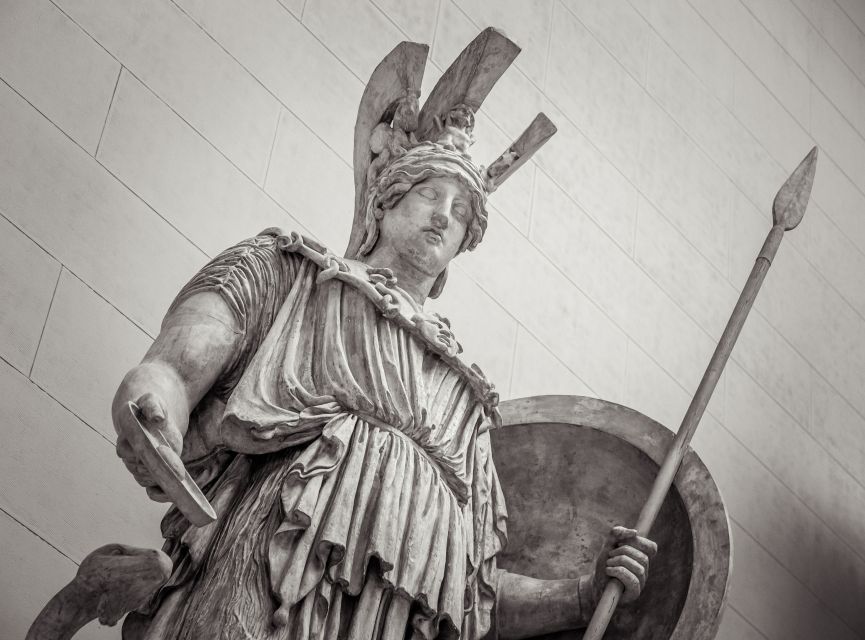
The tour includes a pitstop in the Thissio area for a Greek coffee or another traditional refreshment. This is one of those “small detail, big payoff” moments.
The coffee stop is not just for drinking. It is time for conversation, including topics linked to Pre-Socratic philosophers. You get a chance to ask questions while your body is relaxed. That pacing is part of why this tour earns high marks for being enjoyable rather than heavy.
If you love travel where you can chat with your guide like a person, not like an audience member, you will probably find this break especially satisfying. It is also a good moment to take photos without rushing.
My practical advice: treat the coffee break as a reset, not a pause you power through. Use it to cool down, hydrate, and ask the guide what links the next sites to the themes you have already heard.
Ancient Agora to Poikile Stoa: Where Stoic Philosophy Took Root
From Thissio, you head toward the Ancient Agora area. The tour then highlights the Poikile Stoa as the place where Stoic philosophy was born.
This is a powerful stop because it shifts from individual schools of thought to a broader movement that influenced how people handled daily life. Even if you do not know much about Stoicism beforehand, the way the guide frames the setting helps you understand why it caught on.
What I like about this portion is that the tour keeps returning to the idea of philosophy as lived practice. You are standing near a space tied to a school of thinking, then listening to how the guide connects those ideas to what people were navigating in Athens.
Also, the Agora area gives you a built-in contrast. You can feel the city’s energy in the surrounding streets while the historical references remind you that people once gathered here to argue, teach, and persuade.
Plaka and Anafiotika Foot of the Acropolis: Cynics, Myths, and City Texture
Next comes Plaka and Anafiotika, described in relation to their position at the foot of the Acropolis. This is one of those zones where walking feels like drifting through postcard Athens, with narrow streets and the kind of casual atmosphere that makes you slow down.
The tour connects this area to Cynic philosophers, keeping the philosophy theme alive while you experience the neighborhood texture. It is a good combination. The myths and philosophers do not hang in the air like separate trivia. They feel like part of why the city became the city.
This stop matters for visitors who worry that Athens philosophy tours will become too cerebral. Neighborhood walking gives you room to breathe, and it also helps you remember what the guide told you about previous thinkers.
If you like seeing how ancient ideas echo in modern spaces, Plaka and Anafiotika provide the right atmosphere for that.
Tower of Winds and Aiolos: Learning the Myth Behind the Air
Another standout is the Tower of Winds. The tour uses this site to explain Aiolos, described as the keeper of the winds.
This is a fun turn because it is mythology you can almost feel physically. You are literally walking through an Athens environment where weather, light, and air movement matter, then learning the story Greeks used to give shape to those experiences.
I like this stop because it makes the mythology section more than a theme. It becomes a practical way of thinking about nature, daily life, and explanation. You leave with a story you can remember, not a list you will forget.
Also, the Tower of Winds area is a strong photo point. Just do not treat photos as your only task. The guide’s myth connection is the point.
Areopagus Hill Finale: A View and a Myth Load
The tour concludes on Areopagus Hill, with a breathtaking view of the Acropolis. This is the kind of finish that makes your whole route feel complete. After moving through places tied to thinkers and gods, the view gives you perspective on why Athens drew people to argue, teach, and tell stories.
The guide also wraps up with more myths about the Olympian gods. Ending with myth makes sense here, because you are looking at the city that myth helped define in the Greek imagination.
If you are taking this tour early in your trip, this ending helps you re-anchor your sightseeing. You will know where things sit and why they matter. If you are doing it mid-trip, it helps you connect the dots you might have missed.
How This Tour Earns Its Value at $100 per Person
Price is about more than the number. For $100 per person and a 4-hour private format, you are paying for two things: focused guiding and thoughtful pacing.
First, the guide is expert and operates in English. The private setting matters because you can ask questions and steer the conversation. People also mention that the tour can be tailored to interest, which is what turns a walking route into something personal.
Second, the tour includes one Greek coffee or other traditional refreshment per person. That does not make the tour cheap, but it does mean you are not adding an extra activity later just to feel human during the walk.
One more important value point: entrance fees are not included. If you expect to enter museums or paid sites, budget separately. If you mainly want outdoor landmarks and story connections, you might find the included value already hits the right target.
Finally, it is built for comfort: you get guidance plus rest moments, not just nonstop sightseeing. When a tour is this conversation-driven, pacing is part of the product.
Who Should Book This Athens Philosophy and Myth Walk
This is a great fit if you want:
- A Socrates and Plato-to-city experience, not just textbook names
- A philosophy tour that includes mythology side by side, including Apollo and Athena
- A route that balances major landmarks with neighborhood atmosphere like Plaka and Anafiotika
- A private guide you can ask questions to while walking and during the coffee stop
It is also a smart choice if you are pairing this with classroom-style learning, presentations, or just your own curiosity. People have mentioned using the tour as preparation for teaching and study, which tells me the guide does not hold back on context.
On the other hand, it is not suitable for mobility impairments, since it is a walking itinerary. If you or someone in your group needs step-free access, you should look for a different format.
Should You Book This Athens Highlights: Myths and Philosophers Tour?
If you want Athens to feel like it has ideas behind the stones, I think this is a book-worthy experience. The route makes sense, the pacing feels humane, and the private guide approach turns philosophy and mythology into something you can talk about, not just read.
Book it if:
- You enjoy walking tours with conversation
- You want connections between philosophers and specific Athens locations
- You like mixing neighborhood strolling with big landmark moments
Skip it if:
- You dislike walking or need accessibility-friendly options
- You are only interested in paid interior attractions, since entrance fees are not included
If you are arriving in Athens wanting both your bearings and your brain engaged, this is one of the better ways to start.
FAQ
How long is the Athens Highlights: Myths & Philosophers private walking tour?
It lasts 4 hours.
Where do I meet the guide?
You meet your local guide outside Panepistimio Metro Station. Meeting point can vary depending on the option booked, with starting choices that include Πανεπιστήμιο (University).
Is the tour private?
Yes. It is listed as a private group with a live tour guide in English.
What is included in the price?
The tour includes an expert tour guide, 1 Greek coffee or other traditional refreshment per person, and all taxes and fees.
Are entrance fees included?
No. Entrance fees to any point of interest are not included.
What should I bring?
Bring comfortable shoes, sunglasses, and sunscreen.
Is the tour suitable for people with mobility impairments?
No. It is not suitable for people with mobility impairments.
Can I cancel for a refund?
Yes. You can cancel up to 24 hours in advance for a full refund.
Does it offer flexible booking?
Yes. It includes Reserve now & pay later, meaning you can reserve and pay nothing today.
Just Your Own Group in Athens
The Rest of Athens




Every Other Athens Write-Up
- All Day Cruise -3 Islands to Agistri,Moni, Aegina with lunch and drinks included
★ 5.0 · 4,958 reviews



Everything else we have written up around Athens





Walking Tours, side by side.
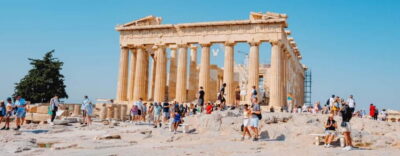 ★ 4.6Athens: Acropolis and Parthenon Guided Walking TourFrom $385,882 reviews
 ★ 5.0Greek Food Walking Tour in AthensFrom $874,740 reviews
 ★ 4.7Acropolis: Acropolis and Parthenon Guided Walking TourFrom $363,442 reviews
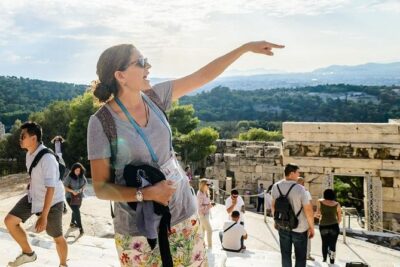 ★ 5.0Acropolis monuments & Parthenon Walking Tour with Optional Acropolis MuseumFrom $422,678 reviews
 ★ 4.8Knossos: Knossos Palace Skip-the-Line Guided Walking TourFrom $1041,380 reviews
 ★ 4.5Athens Acropolis and Parthenon Walking TourFrom $411,355 reviews
 ★ 5.0Athens Authentic Greek Food Walking Tour (Small Group)From $83809 reviews
 ★ 4.4Early Morning Acropolis & Old Athens Guided Walking TourFrom $28748 reviews
Sits on these lists