
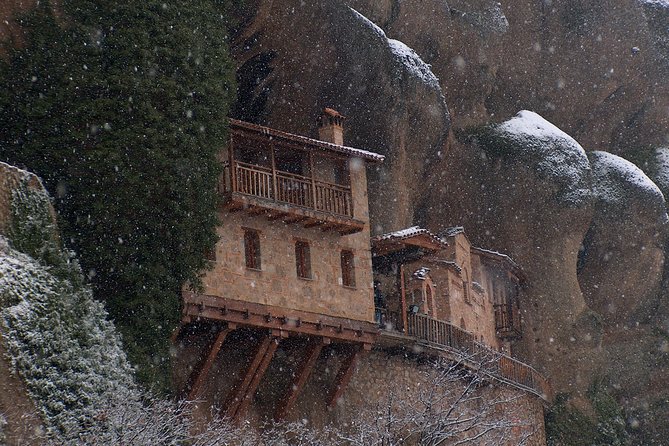
Review · METEORA MONASTERY TOURS
Meteora All Monasteries Tour with Photo Stops
Caves in the sky, with monastery views on tap. I love the small group size, capped at eight, because it keeps the day relaxed and personal. I also love the built-in photo stops, where the guide shows you viewpoints that are hard to find on your own. One thing to consider: the monasteries mean stairs and uneven walking, so you’ll want moderate fitness and comfy shoes.
This is a focused half-day style tour built around a smart route through Meteora from Kalambaka. You’ll ride in a VIP mini bus with air-conditioning, stop at major points, and get stories about hermits and saints as you go. Then you explore inside monasteries on your own while the tour leader supports from the outside.
You should also plan for practical extras, like the monastery entrance fees (currently €3 per person, not included) and the dress code. If you’re aiming for great photos, bring a water bottle and make time for quick pauses, because the best angles often take a minute to get right.
In This Review
- Key Highlights If You Want The Best Meteora Photos And Stops
- Small Group Meteora, Built Around The Right Route
- The 4-Hour Schedule, And What It Really Means
- Getting From Athens Or Thessaloniki To Kalambaka (Before Your Tour)
- Stop At Meteora: Orientation And The First Wow
- Saint Antonios: Where The Hermit Story Begins
- St George The Mandilas: A Key Monastery Visit
- The Third Monastery, Plus A Byzantine Church Moment
- Photo Stops That Feel Like Cheat Codes
- Entrance Fees, Dress Code, And Cash In Your Day Pack
- Getting More Value At €35.07 Per Person
- Who This Tour Suits Best (And Who Might Feel Limited)
- A Few Real-World Tips To Make Your Visit Smoother
- Should You Book This Meteora Monasteries Tour With Photo Stops?
Key Highlights If You Want The Best Meteora Photos And Stops
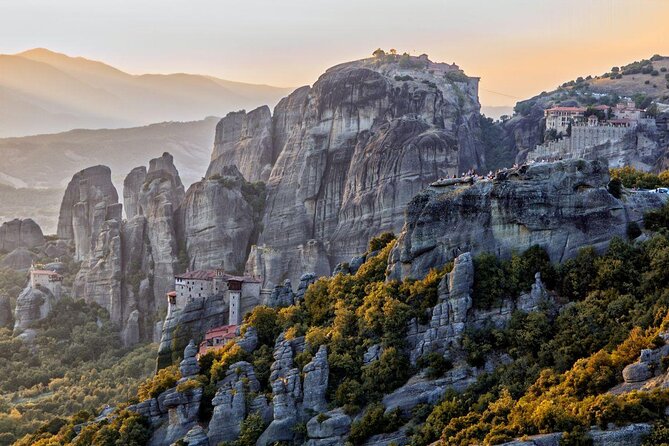
- Max 8 people keeps the route smooth and makes it easier to ask questions
- Three monasteries on one route means less planning and more time at each site
- Saint Antonios plus St George the Mandilas are major spiritual stops with standout views
- Photo-first mini breaks at carefully chosen viewpoints, including spots few people find alone
- VIP mini bus with A/C so the trip feels comfortable even when the roads twist
- Guide stories outside the churches with enough context to understand what you’re seeing
More ways to see the Meteora rocks and monasteries
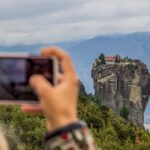
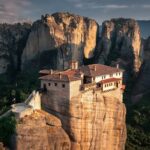
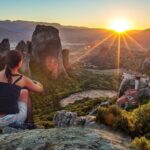
Small Group Meteora, Built Around The Right Route
Meteora isn’t just pretty. It’s dramatic, layered, and oddly hard to “get” quickly if you arrive with no plan. That’s why this tour style works. You’re not wandering road by road, guessing which cliff-top sites are worth the climb. You follow a planned route, with the guide setting the order so the day flows.
The group limit matters more than you might think. With a smaller crew, you don’t lose time to regrouping every few minutes. In reviews, people consistently praise how organized the day feels, with guides who keep things moving without feeling rushed. If you’ve ever joined a big bus tour and felt like you were watching your own trip from the back row, this setup is a better match.
You’ll also get a real benefit from having a local in your corner. The tour leader shares stories about hermits and saints tied to the monasteries, not just dates and names. It helps when you’re standing in front of rock towers that look impossible, and you want the “why” behind the place.
The 4-Hour Schedule, And What It Really Means
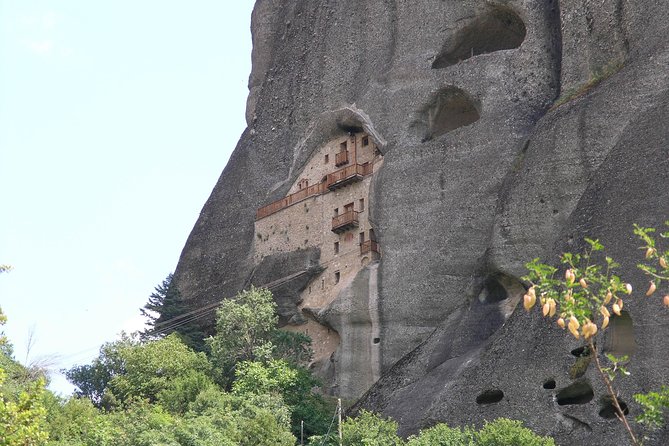
This tour runs about four hours and starts in the afternoon, with a 12:50 pm start time from the Kalambaka meeting point (Kalabaka 422 00, Greece). The tour ends back at the meeting point, and pickup and drop-off are flexible if you arrange it, including pickup from the train station when you arrive by train.
Here’s the reality check: four hours sounds long until you factor in parking, cliff-top roads, and the walk up to monasteries. You’re not doing a museum marathon, but you are doing real site visits. One review notes that if train timing changes and you end up with closer to three hours, it can feel tight. So if your whole day depends on a specific connection, double-check schedules ahead of time.
Also note how the tour balances guidance with free time. The tour leader gives commentary and helps with photo opportunities, but the leader is not there to guide inside the monasteries. That can be a good thing if you like to look at frescoes, architecture, and small details without feeling rushed or herded.
Getting From Athens Or Thessaloniki To Kalambaka (Before Your Tour)
If you’re starting from Athens or Thessaloniki, the easiest move is to get to Kalambaka first. The smoothest option is the train. From Athens, trains to this northern area leave from Larissa station. From Thessaloniki, you’ll also find service into the region by train.
Buses work too, but they depart from different points. In Athens, buses leave from Terminal B at Liossion Street. If you’d rather skip the logistics, the operator can also arrange pickup from Athens or Thessaloniki with a minibus (contact required).
Once you’re in Kalambaka, the tour can begin at the meeting point or you can be picked up from the train station if that’s where you arrive. Translation: you’re not stuck figuring out the cliff road on your own right before your visit.
Stop At Meteora: Orientation And The First Wow
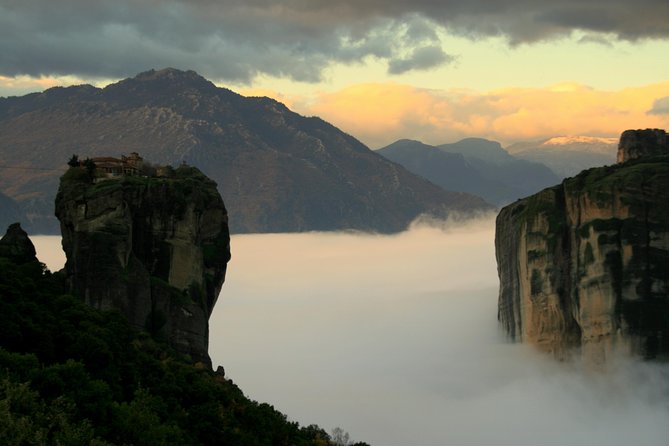
The tour begins at Meteora (with the practical start anchored in Kalambaka). Early in the day, you’re usually getting orientation: where you are, why the monasteries are placed where they are, and how people have lived in this rock-and-cloud setting for centuries.
This first phase matters because it sets your expectations. Meteora can look like a collection of random hilltop churches until someone explains the logic: the cliffs acted like protection, and the monasteries became both spiritual homes and visible statements of devotion.
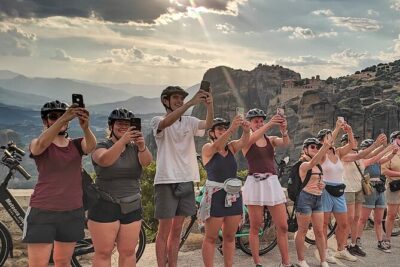
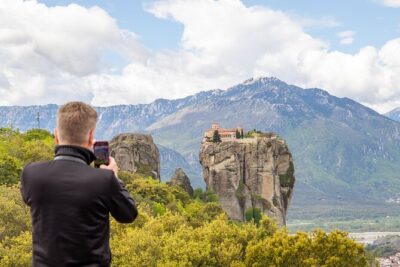
You also start racking up photos quickly. In the reviews, people highlight that there are many moments to take pictures, and the guide is active about helping you find good angles. If you’re a casual photographer, you’ll still enjoy it. If you’re chasing a “once in a lifetime” shot, you’ll appreciate the stops being timed so you’re not constantly moving without getting the view.
Saint Antonios: Where The Hermit Story Begins
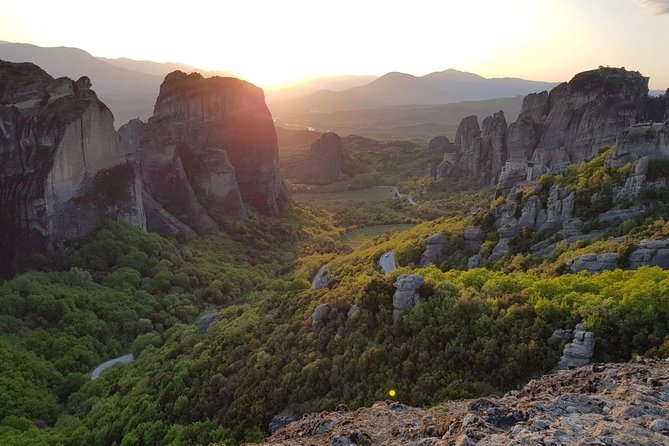
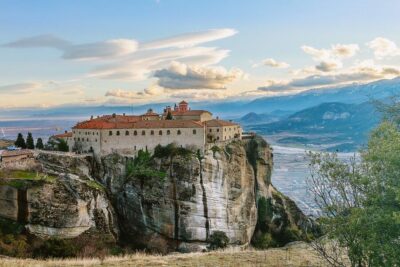
One of the tour’s anchor stops is Saint Antonios. This is tied to when the first hermits arrived in the area of Meteora. That detail changes how you see the whole place. Instead of picturing a monastery scene that happened all at once, you start thinking about gradual settlement, prayer, and people seeking solitude in one of the most visually impossible settings in Greece.
What you’ll likely notice here is the blend of human scale and cliff scale. The buildings feel close enough to touch, but the rocks tower above. That contrast is part of Meteora’s power, and a good guide helps you connect the physical setting to the spiritual motive.
Photo-wise, this is also one of those stops where you benefit from a guide who knows where to position you. Even when the view looks obvious from one angle, small changes in footing can make the difference between a generic photo and something that feels truly Meteora.
More monasteries and Byzantine churches
- Meteora: Morning Half Day Sightseeing and Monasteries Tour★ 5.0 · 165 reviews
- Meteora All Monasteries Tour with Photo Stops★ 5.0 · 104 reviews
- Morning Monastery E-bike Tour★ 5.0 · 71 reviews
- Meteora: Monasteries Tour with Lunch and Athens Transfer Option★ 5.0 · 64 reviews
St George The Mandilas: A Key Monastery Visit
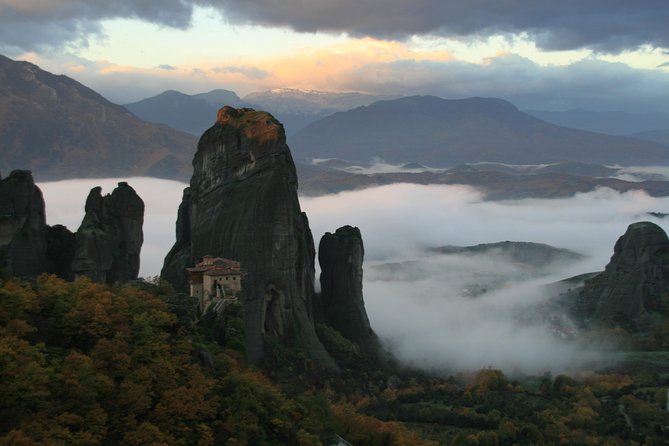
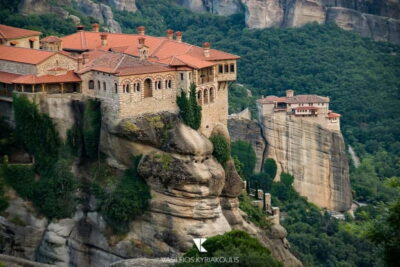
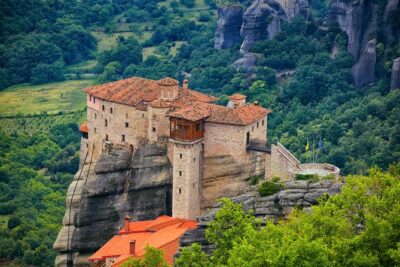
Another highlight is St George the Mandilas. This is one of the major monastery names you’ll hear tied closely to Meteora’s identity, and the tour includes it as a featured stop rather than a quick roadside pass.
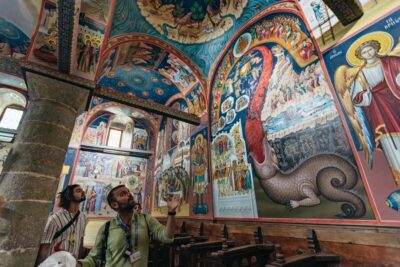
At this kind of site, what really makes the visit click is having context before you step in. The tour leader’s commentary gives you the story, then you go inside (without the leader walking you through every room). That works well if you like to absorb at your pace. You’re free to look at frescoes, architecture, and details in your own time.
It’s also a good stop for photos, both before and after the visit. The cliffs frame the monastery in a way that feels almost staged, and the guide’s photo stops help you get there without wasting time guessing which lookout is best.
The Third Monastery, Plus A Byzantine Church Moment
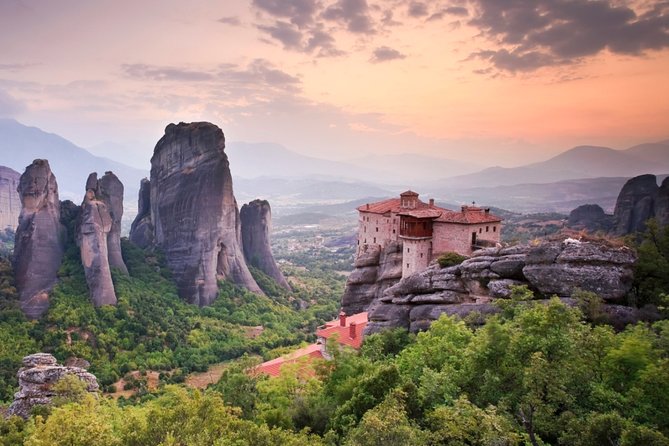
The tour includes visits to three monasteries in total. You’ll get two named highlights as described above (Saint Antonios and St George the Mandilas), plus a third monastery on the route. The exact third site isn’t listed in the tour details you provided, but the structure is consistent: three major cliff-top stops, with a mix of scenery breaks and time inside.
There’s also an extra cultural stop that many people love because it widens your perspective: a Byzantine church dedicated to the Virgin Mary. The special detail here is the timing. It’s built 300 years before the first monks arrived in Meteora. That fact alone makes it feel like a curveball, not just another monastery visit.
This is a moment where you start seeing Meteora as part of a longer regional story, not just a single era of monastic life. Even if you’re mostly there for the classic monastery silhouettes, this church stop gives you something different to focus on.
Photo Stops That Feel Like Cheat Codes
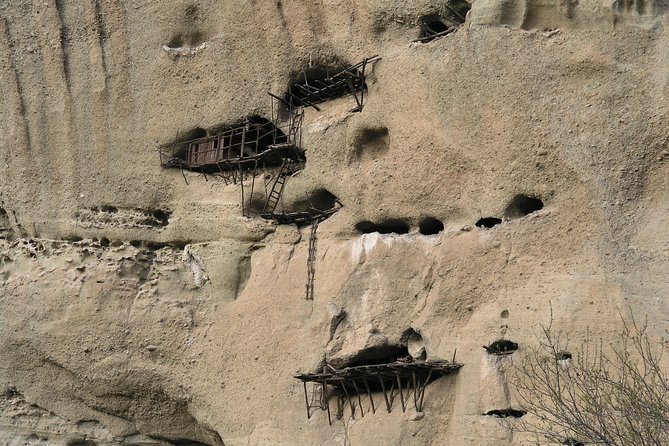
If you care about photos, this tour is built for you. The itinerary includes many stops in spots that are difficult to find alone, and the guide is paying attention to timing and positioning.
What that looks like day to day:
You’ll pause at viewpoints where the monastery frames cleanly against the rock and valley.
You’ll get tips on where to stand so you avoid awkward angles.
You can ask for time to shoot, and the tour includes stops specifically for photography when requested.
In reviews, people point out that guides like Joanna or Christina (different tour days may pair you with different leaders) will take exceptional pictures at picture-perfect opportunities. That doesn’t mean you need fancy gear. It means the guide knows how to help you get better results in less time.
If you want your photos to look less like snapshots and more like storybook scenes, this is the key value. You’re not only seeing Meteora, you’re learning how to see it.
Entrance Fees, Dress Code, And Cash In Your Day Pack
Two practical things can make or break your day here: what you wear and how you pay.
Monastery dress code is a real deal. One review notes that men should wear long pants, and women should wear long skirts. If you do not bring the right clothing, monasteries may provide skirts, lend them, or sometimes require purchase. So pack a plan, not hope. If you’re traveling light, a long skirt is the easiest fix for women. For men, long pants are a safe start, but a fully compliant setup helps you avoid last-minute stress.
Payment is also worth thinking through. One review says that in most monasteries you cannot pay by card, so bring cash. That’s a big practical note because €3 per person can turn into a small hassle if your wallet is all card and no cash.
Finally, don’t underestimate steps. Another review calls out that the number of steps can be enormous, and it helps to know that upfront. The tour states travelers should have moderate physical fitness level, which fits: you’re going up and down more than a gentle stroll.
Getting More Value At €35.07 Per Person
The price is $35.07 per person for roughly four hours, and when you break it down, it feels reasonable for what you’re getting.
You’re paying for:
A small-group experience (max eight people).
A tour leader for sightseeing and commentary.
Transportation by a VIP mini bus with air-conditioning.
Stops designed for photos, not just quick drops.
The monastery entrance fees are separate, currently listed at €3 per person. The leader is also not for inside the monasteries, so you’re not paying for a guided walk through every interior room. You are paying for coordination, route planning, and context plus the photo-focused stops.
In other words, the value comes from reducing your mental load. Meteora is hard to coordinate on your own if you want to hit the major sites efficiently. This tour helps you do that, while still giving you time to actually look around.
If you’re the type who likes to wander independently, you might feel limited. If you’d rather spend your energy on stairs and views, not on planning, this price makes sense.
Who This Tour Suits Best (And Who Might Feel Limited)
This tour fits well if you:
Want a fast, organized Meteora plan in half a day.
Care about photos and want viewpoints you might miss alone.
Appreciate story context about hermits and saints as you visit.
It also works nicely for people who don’t want long days. With three monasteries included, you get variety without the all-day grind.
You might feel less satisfied if you:
Prefer deep guided interior explanations for every church room, since the leader is not inside.
Have low tolerance for stairs or very limited mobility, since the tour expects moderate physical fitness.
Have tight transport connections that could shorten your time on site. If timing shifts, some people report feeling rushed.
For families, it can work if everyone can handle uneven paths and steps, but you’ll want to be honest about fitness.
A Few Real-World Tips To Make Your Visit Smoother
These are practical moves based on what people experienced here.
Bring the right clothing early. If you’re a woman, plan on a long skirt requirement. If you’re a man, long pants are the safe baseline.
Pack cash. Card payment may not be available at monasteries, so keep some euros handy for entrance fees.
Wear shoes you trust. Meteora is uneven and you’ll be moving between cliff paths and stair sections.
Bring water. One review mentions the driver providing water halfway through the trip, but it’s still smart to carry your own too. You may also find food options like a food truck at one monastery stop, and refill spots to top up your bottle.
Use the photo pauses. Even a short pause can change your shot. The guide’s timing helps, so take those moments instead of rushing through them.
Should You Book This Meteora Monasteries Tour With Photo Stops?
I’d book it if you want a smart Meteora day where you see three monasteries, get the hermit-and-saint context as you go, and come away with better photos than you’d manage alone. The small group size, photo-focused stops, and VIP mini bus ride make it feel like a well-paced way to experience one of Greece’s most visually intense places.
Skip it or go in extra cautiously if stairs are a deal breaker for you, or if your travel schedule is fragile and could cut the visit down. If your connection is tight, give yourself buffers, because the best Meteora moments take a bit longer than you expect.
If you want Meteora without the planning headache, and with enough time to actually enjoy the views, this tour is a strong choice.
Every Other Meteora Write-Up

Monasteries and Byzantine Churches


The Meteora Rocks, More Visits
Everything else we have written up around Meteora

Meteora Monastery Tours, side by side.
 ★ 4.8Thessaloniki: Full-Day Bus Trip to MeteoraFrom $583,471 reviews
 ★ 4.7Athens: Meteora Monasteries Day Trip with Caves and LunchFrom $662,964 reviews
 ★ 4.8Athens: Meteora Monasteries Day Tour with LunchFrom $652,196 reviews
 ★ 4.8Athens: Meteora Tour with Local Guide and Greek LunchFrom $631,561 reviews
 ★ 4.5Athens: Meteora Monasteries, Caves & Coastal Stopovers with LunchFrom $881,432 reviews
 ★ 4.5From Athens: Delphi and Meteora 2-Day Guided TourFrom $271825 reviews
 ★ 4.54-Day Classical Greece Tour: Epidaurus, Mycenae, Olympia, Delphi, MeteoraFrom $766732 reviews
 ★ 4.5Athens: Meteora Monasteries, Hermit Caves Tour with PickupFrom $87724 reviews
Sits on these lists