
Review · METEORA MONASTERY TOURS
Meteora Sunset with Monastery & Hermit Caves Tour in Small Group
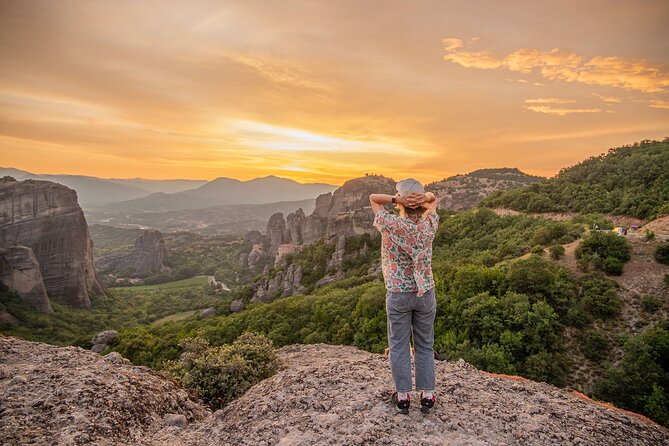
Meteora turns into a movie at sunset. This small-group tour pairs monastery viewing with the quieter side of Meteora, including a Byzantine church and centuries-old hermit caves, then finishes at a sunset spot your guide knows well. You get transfers from Kalambaka or Kastraki so you can spend your energy on the views and the stories.
I love the hassle-free pickup and drop-off because Meteora is not the kind of place you want to figure out at the end of the day. I also love how the itinerary is built around meaning, not just checkboxes, so you see how the caves, churches, and monasteries connect into one living landscape.
One consideration: the tour runs later than the headline time in many seasons, since the sunset is the point. If you are the type who likes an early dinner reservation, keep your evening plans flexible.
In This Review
- Quick Highlights
- Why Meteora Sunset Beats a Marathon Day Trip
- Pickup and Timing: The Real Logistics You Should Plan For
- Stop by Stop: What Each Site Adds to the Meteora Story
- Meteora and the Rock City Feeling
- The Byzantine Church of the Assumption of Virgin Mary
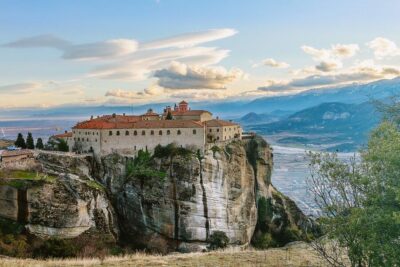
- Agios Stefanos (Saint Stephen) Monastery for an Easier Approach
- The Great Meteoron Monastery, the Biggest and Oldest
- Roussanou: A Lower, More Accessible Monastery and Its WWII Chapter
- Varlaam: Second Biggest, Founded Mid 14th Century
- Hidden Hermit Caves: Where It All Began
- The Sunset Viewpoint: When Meteora Finally Softens
- Price and Value: Why This Tour Usually Makes Sense
- Dress Code, Photos, and Other Small Things That Matter
- Who This Tour Is Best For (And Who Might Be Less Happy)
- Book It or Skip It: My Simple Decision Rule
- FAQ
- How long is the Meteora Sunset with Monastery and Hermit Caves tour?
- Is hotel pickup and drop-off included?
- What languages is the tour available in?
- What admission fees are not included?
- What is the dress code for monasteries?
- Is Saint Stephen visited every day?
Quick Highlights
- Small group size (max 18) so you can hear the guide and move at a human pace
- Pickup from Kalambaka or Kastraki plus bottled water, so the day stays low-stress
- Agios Stefanos (Saint Stephen) monastery is one of the easiest to reach since you cross a small bridge instead of climbing lots of steps
- Byzantine Church of the Assumption of Virgin Mary with 11th-century frescoes and reused material from an older Apollo temple
- Hidden hermit caves to understand what came before the big monasteries
- Sunset from a lesser-known Meteora vantage point for better photos and a calmer feel than the main pull-offs
More ways to see the Meteora rocks and monasteries
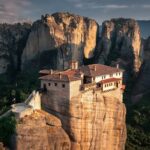
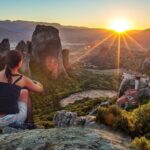
Why Meteora Sunset Beats a Marathon Day Trip
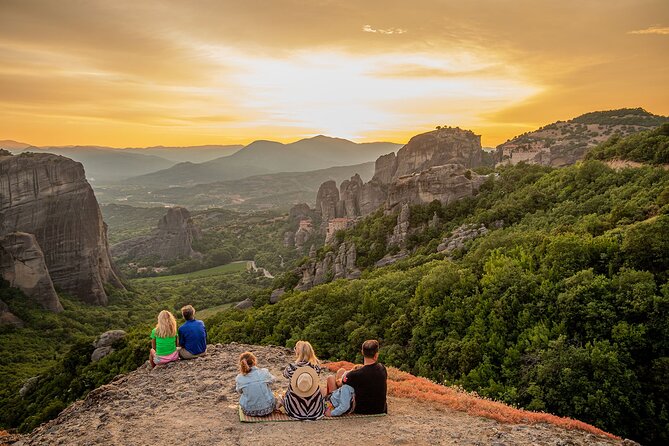
Meteora is famous for a reason, but it can also feel like chaos if you try to do everything in one go. This format slows you down just enough to make sense of what you are seeing, from rock monasteries to the earlier hermit life in the caves.
I like that the tour is designed around transitions. You start with Meteora and the rock setting, you move into churches and monastic sites, and then you end with sunset when the rock faces look their best.
And the small-group approach matters. With a max group size of 18, you are not wrestling for position at every stop.
Pickup and Timing: The Real Logistics You Should Plan For
The tour includes hotel pickup and drop-off from hotels or Airbnbs in Kalambaka or Kastraki, and it starts at Patriarchou Dimitriou 2 in Kalambaka. In the reviews and day-of experience pattern, pickup can happen a few minutes after the listed start time, so I suggest not scheduling anything tight right at the pickup window.
Duration is listed as about 4 hours, but with sunset tours that label can be optimistic depending on the time of year. In summer, late sunsets can push the end much later than you expect, so I treat it like a half-day plus evening, not an afternoon that ends neatly on the clock.
Bring a layer. Even when it is warm during the day, the air near sunset can turn chilly fast, especially if clouds or rain roll through.
Stop by Stop: What Each Site Adds to the Meteora Story
This is not just a drive-through of rocks. Each stop adds a piece of the Meteora puzzle, and your guide connects the dots with clear, English commentary throughout.
You will also get an audio guide for additional languages, but the live tour is in English only. The audio guide options include Spanish, French, German, Italian, Portuguese, Russian, Polish, Korean, Chinese, and Japanese, which is handy if your group includes different language needs.
Meteora and the Rock City Feeling
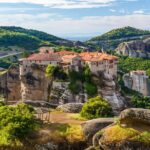
You begin in the Meteora area, where monastic communities share space with the famous rock pillars. Meteora is recognized as a UNESCO World Heritage Site and also functions as a holy place, which changes how the whole area feels once you understand it is more than scenery.
You also learn the basic geography: Kalambaka and Kastraki sit down at the foothills of the rocks. I like that this orientation happens early, because it helps you read the whole area when you stop for photos later.
The Byzantine Church of the Assumption of Virgin Mary
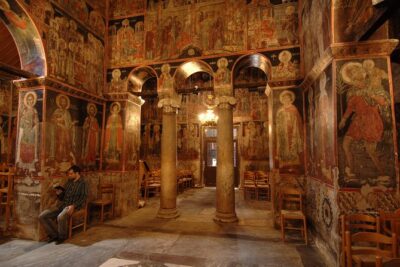
This stop is a standout because it is detailed and human-sized compared to the huge monasteries. The Church of the Assumption is tied to 11th-century Byzantine frescoes, and it is also known for the construction materials in its walls.
Here’s what makes it special: relics from an ancient Greek temple dedicated to Apollo were embedded into the wall. You can also spot an older mosaic floor that appears under the current floor in specific areas, which is a neat reminder that layers of belief and power keep reusing the same ground.
Practical note: the church is still active for local worship. Dress respectfully and plan for quiet time, not a loud, photo-first stop.
More monasteries and Byzantine churches
- Meteora: Morning Half Day Sightseeing and Monasteries Tour★ 5.0 · 165 reviews
- Meteora All Monasteries Tour with Photo Stops★ 5.0 · 104 reviews
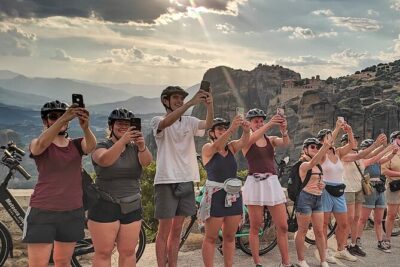
- Morning Monastery E-bike Tour★ 5.0 · 71 reviews
- Meteora: Monasteries Tour with Lunch and Athens Transfer Option★ 5.0 · 64 reviews
Agios Stefanos (Saint Stephen) Monastery for an Easier Approach
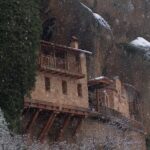
If you want monastery time without an exhausting climb, Agios Stefanos is the best match on this route. Instead of stairs, you cross a small bridge to reach the entrance, which makes it far more approachable for many visitors.
Monastic life here dates back to the early 12th century. Later, Hosios Antonios is mentioned in the early 15th century, and Hosios Philotheos is tied to the rebuilding from foundations of the catholicon, with the present church noted as being from 1545.
I also appreciate that this tour is clear about monastery dress rules. If you show up in shorts, trousers and skirts are provided, which saves you from the awkward panic of trying to fix clothing on the spot.
The Great Meteoron Monastery, the Biggest and Oldest
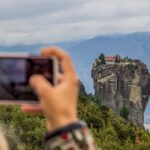
This is the heavy hitter of Meteora’s monasteries, the biggest and oldest one. The name refers to being suspended in the air, and once you see the scale of the rock, you get why that nickname stuck.
The Great Meteoron is linked to Saint Athanasios the Meteorite, who is described as the first founder and the organizer of the systematic koenovion. In plain terms, this is where organized monastic life got more structured.
If you are the type who wants one monastery to anchor your understanding, make this one your reference point. Even when you are just outside, the sheer size makes the rest of Meteora click.
Roussanou: A Lower, More Accessible Monastery and Its WWII Chapter
Roussanou sits at a lower elevation than some of the other monastery rocks, so the approach feels more manageable. It is also connected to a first probable hermit, which gives it a clear line back to the cave life.
The main cathedral is noted as founded at the end of the 16th century and decorated about thirty years later. There is also a World War II damage story here, followed by the shift to a convent in 1988.
That mix of spiritual origin plus modern history is one reason this stop lands well. Meteora did not freeze in time, and your guide tends to bring that home with the kinds of details that stick.
Varlaam: Second Biggest, Founded Mid 14th Century
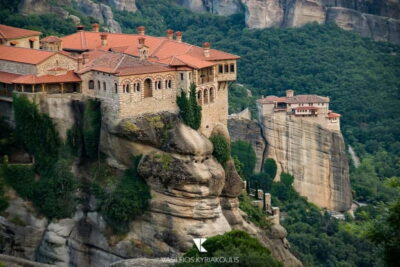
Varlaam is described as the second biggest monastery and sits across from the Great Meteoron. It was founded in the mid 14th century by Hosios Varlaam.
The Catholicon is tied to a building phase in 1541-42 by two brothers from Ioannina. The main church decorations are noted as from 1548, and the wall painting attribution is linked to Frago Catelano, described here as a hagiographer from Thebes.
I like that the tour includes enough of these “who built what and when” details to make the monasteries feel real, not just postcard art.
Hidden Hermit Caves: Where It All Began
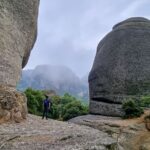
This is the part that makes the tour feel different from the basic monastery circuits. You visit the hidden hermit caves, which represent centuries-old cave dwellings where solitary monastics lived before the larger monastery structures dominated the rock tops.
Even if you are not religious, it is one of the clearest ways to understand the logic of Meteora. The caves show you the motivation to live high up, hidden, and close to the idea of separation from everyday life.
This is also where your guide’s storytelling helps most. The cave life connects to later church building, icon choices, and the sense of continuity through major historical shifts.
The Sunset Viewpoint: When Meteora Finally Softens
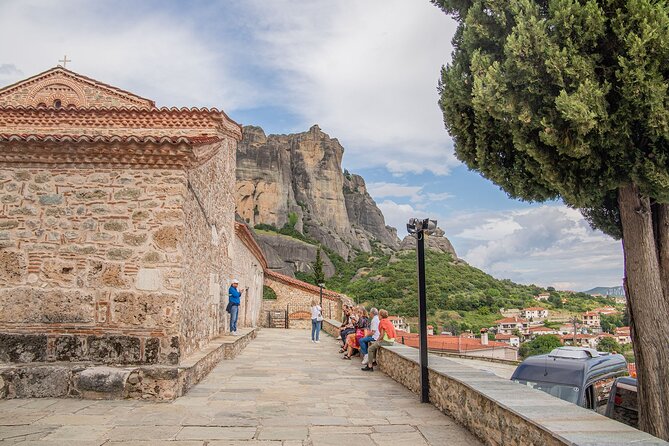
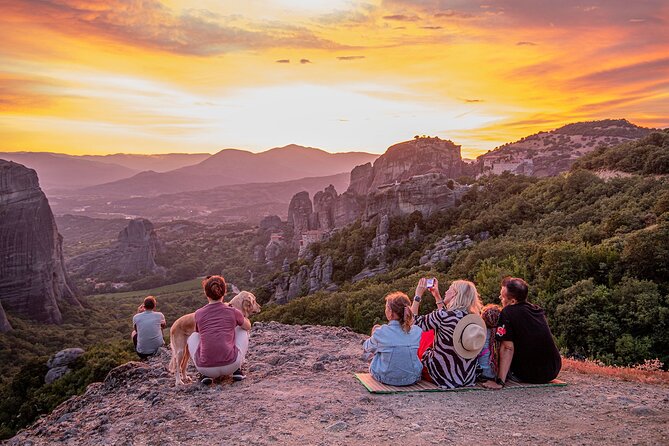
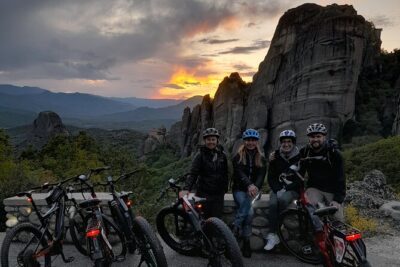
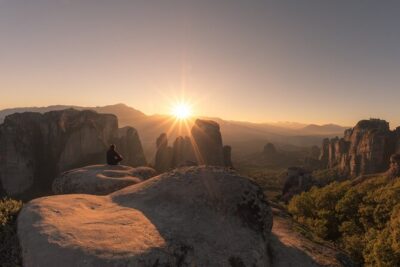
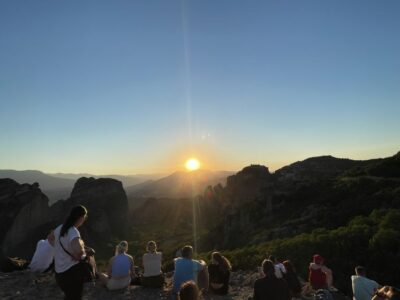
The sunset stop is designed as the payoff. You will watch from a Meteora vantage point that is described as little-known, which usually means less crowd pressure and more time to get photos without rushing.
Weather is part of the deal. You might catch a clean golden hour, or you might see clouds gather, then open at the last moment. Either way, it helps to have a plan for patience, because the color shift happens gradually.
From the experience pattern I see, rain can actually make the rock tones look dramatic when the clouds break. If it is wet, wear shoes with grip, and keep your camera gear covered.
The bigger timing point: because the tour is named for sunset, it can run late in seasons with longer days. If you plan a train, ferry, or late dinner right after, I would rather you give yourself breathing room.
Price and Value: Why This Tour Usually Makes Sense
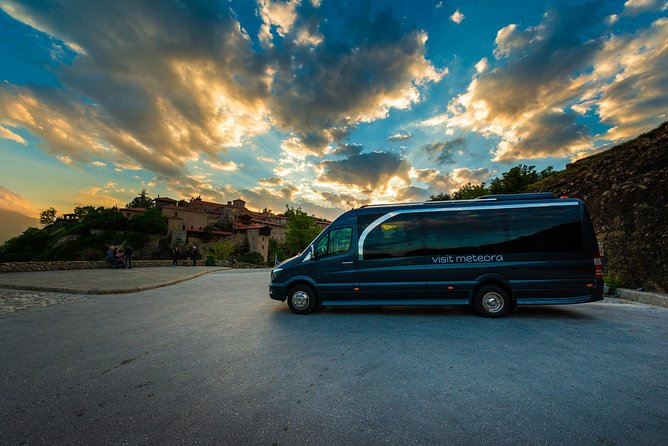
The price is listed at $36.28 per person for about 4 hours, with hotel pickup included and bottled water provided. For Meteora, that is usually good value because the biggest pain is getting between viewpoints efficiently and on time.
What you get for the money includes guided English commentary, visits to a monastery (Saint Stephen), a Byzantine church, and the hermit caves. You also get the extra audio guide languages if you want them.
Two costs to keep in mind:
- Admission for Meteora is listed as €7.00 per booking and is not included.
- A state licensed guide inside the monastery is listed as not included.
Also, based on a practical note from real-world experience patterns, entrance fees may be handled directly by the monastic communities, and you should bring cash. Even if you usually travel card-first, I would pack a bit of cash here so you are not stuck deciding at the door.
When I add it up, this is worth it when you want both convenience and context. If you only need one quick photo session, an independent route might be cheaper. If you want the “why” behind each site, the guided structure is what you are paying for.
Dress Code, Photos, and Other Small Things That Matter
Meteora monasteries have strict dress rules, and this tour is explicit about it:
- Men must wear trousers and long sleeves.
- Women must wear a long skirt.
If you arrive in shorts, trousers and skirts are provided. Still, I prefer you plan ahead and wear something comfortable for walking and waiting outdoors.
For photos, a practical advantage is that the guide and driver help with photo opportunities. You do stop at multiple spots, and you have time to get your angle rather than only sprinting between sites.
One more practical point: the live guide is in English only, with additional languages via audio guide app. If Spanish is your first language, audio guide coverage can still be limited compared to live commentary, so I would treat the English guide as the main source.
Finally, this is a monastery area, so be mindful of quiet zones and respect the active church setting.
Who This Tour Is Best For (And Who Might Be Less Happy)
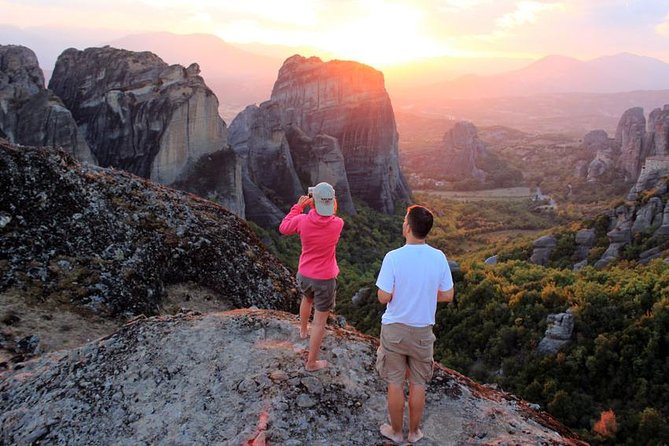
This tour fits you if you want a guided day that covers the Meteora basics without turning your legs into a souvenir. Agios Stefanos is comparatively easy to reach thanks to that small bridge approach, and you still get a real monastery experience.
It also suits you if you care about story connections. The stops include Byzantine church details and monasteries tied to different founders and eras, and guides often explain how the cave life and later monastery life evolved.
If you hate late finishes or you have hard evening commitments, you might struggle with the sunset timing. The tour can run longer than the 4-hour label, depending on season and daylight.
Also, if you already plan to visit multiple monasteries inside with a separate paid guide, you might feel the value is lower. This tour is strongest when you want one organized route with context.
Book It or Skip It: My Simple Decision Rule
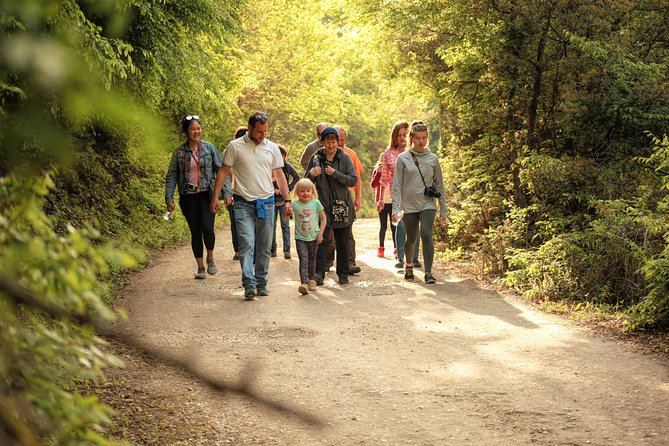
Book this tour if you want Meteora to make sense fast, with pickup, a small group, and a route that includes caves, monasteries, and a Byzantine church, then ends at sunset. It is a smart choice for first-timers, and also a good second visit option when you want more context than standalone sightseeing.
Skip it if your schedule is rigid to the point that a late sunset finish could break plans. If you need to be back early, or if you cannot manage cold evenings outdoors, you will likely be happier with a daytime-only itinerary.
If you do book, pack cash for entrance fees, wear monastery-appropriate clothing, and bring a warm layer. That is how you make the most of the one part of Meteora that everyone remembers, the rock faces at sunset.
FAQ
How long is the Meteora Sunset with Monastery and Hermit Caves tour?
The duration is approximately 4 hours.
Is hotel pickup and drop-off included?
Yes. Pickup and drop-off are included for hotels and Airbnbs located in Kalambaka and Kastraki, with the tour meeting point in Kalambaka (Patriarchou Dimitriou 2, 422 00, Greece).
What languages is the tour available in?
The tour is guided in English only. A free audio guide app is offered in additional languages including Spanish, French, German, Italian, Portuguese, Russian, Polish, Korean, Chinese, and Japanese.
What admission fees are not included?
The Meteora admission fee is €7.00 per booking and is not included.
What is the dress code for monasteries?
Men must wear trousers and long sleeves. Women must wear a long skirt. If you arrive in shorts, trousers and skirts will be provided.
Is Saint Stephen visited every day?
No. Saint Stephen Monastery is closed on Mondays. On Mondays, Saint Nicholaos Monastery or Roussanou Monastery will be visited instead.
Monasteries and Byzantine Churches


The Meteora Rocks, More Visits

Everything else we have written up around Meteora

Meteora Monastery Tours, side by side.
 ★ 4.8Thessaloniki: Full-Day Bus Trip to MeteoraFrom $583,471 reviews
 ★ 4.7Athens: Meteora Monasteries Day Trip with Caves and LunchFrom $662,964 reviews
 ★ 4.8Athens: Meteora Monasteries Day Tour with LunchFrom $652,196 reviews
 ★ 4.8Athens: Meteora Tour with Local Guide and Greek LunchFrom $631,561 reviews
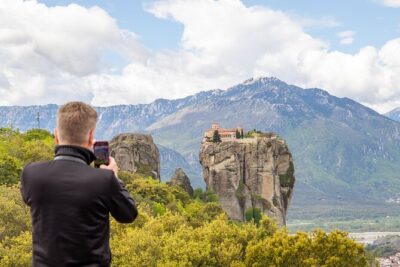 ★ 4.5Athens: Meteora Monasteries, Caves & Coastal Stopovers with LunchFrom $881,432 reviews
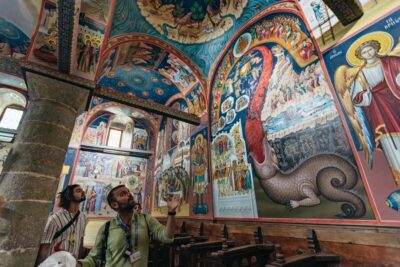 ★ 4.5From Athens: Delphi and Meteora 2-Day Guided TourFrom $271825 reviews
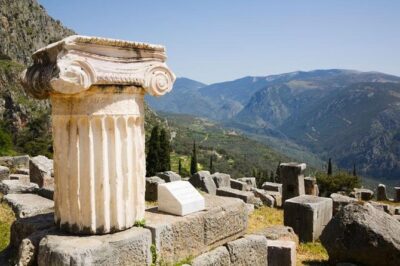 ★ 4.54-Day Classical Greece Tour: Epidaurus, Mycenae, Olympia, Delphi, MeteoraFrom $766732 reviews
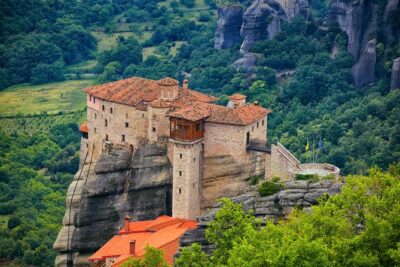 ★ 4.5Athens: Meteora Monasteries, Hermit Caves Tour with PickupFrom $87724 reviews